- Main
- News
- Assessment of Drinking Water Quality at the Faculty of Geography and Environmental Management in the Laboratory for Modeling the Dynamics of Water Quality Composition
Assessment of Drinking Water Quality at the Faculty of Geography and Environmental Management in the Laboratory for Modeling the Dynamics of Water Quality Composition
International master’s students enrolled in the “7M05207 – Hydrology” educational program at the Faculty of Geography and Environmental Management participated in a comprehensive assessment of drinking water quality within the framework of SDG 6 - “Clean Water and Sanitation”. The activity aimed to familiarize international students with the university’s research capacities, infrastructure, and modern technologies applied in the monitoring and assessment of water quality.
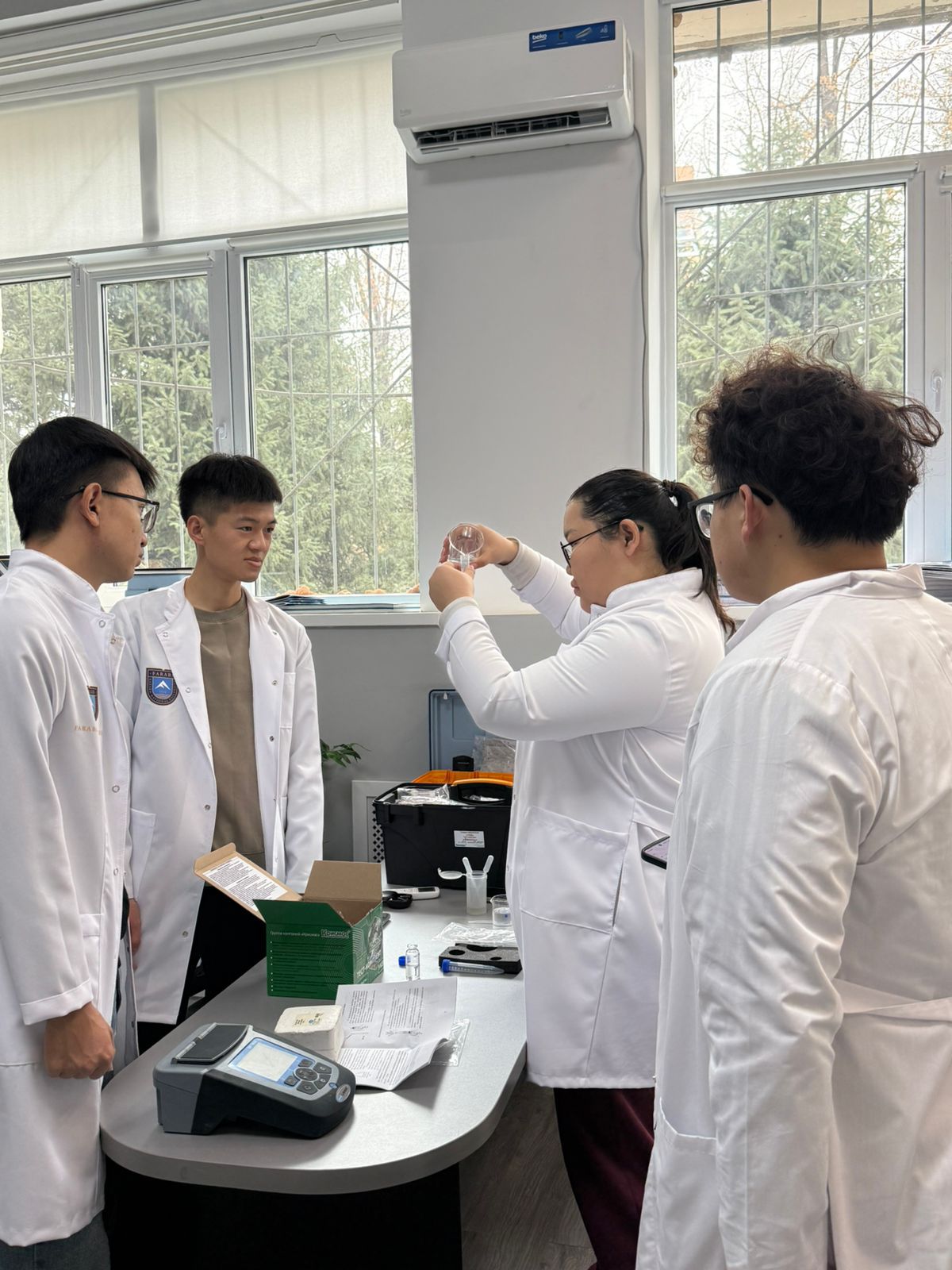
The study was conducted at the Laboratory for Modeling the Dynamics of Water Quality Composition of the Research Center “Sustainable Development and Rational Use of Natural Resources”. During laboratory sessions, the master’s students were introduced to methodologies for drinking water quality analysis and participated in laboratory investigations under the supervision of research staff.
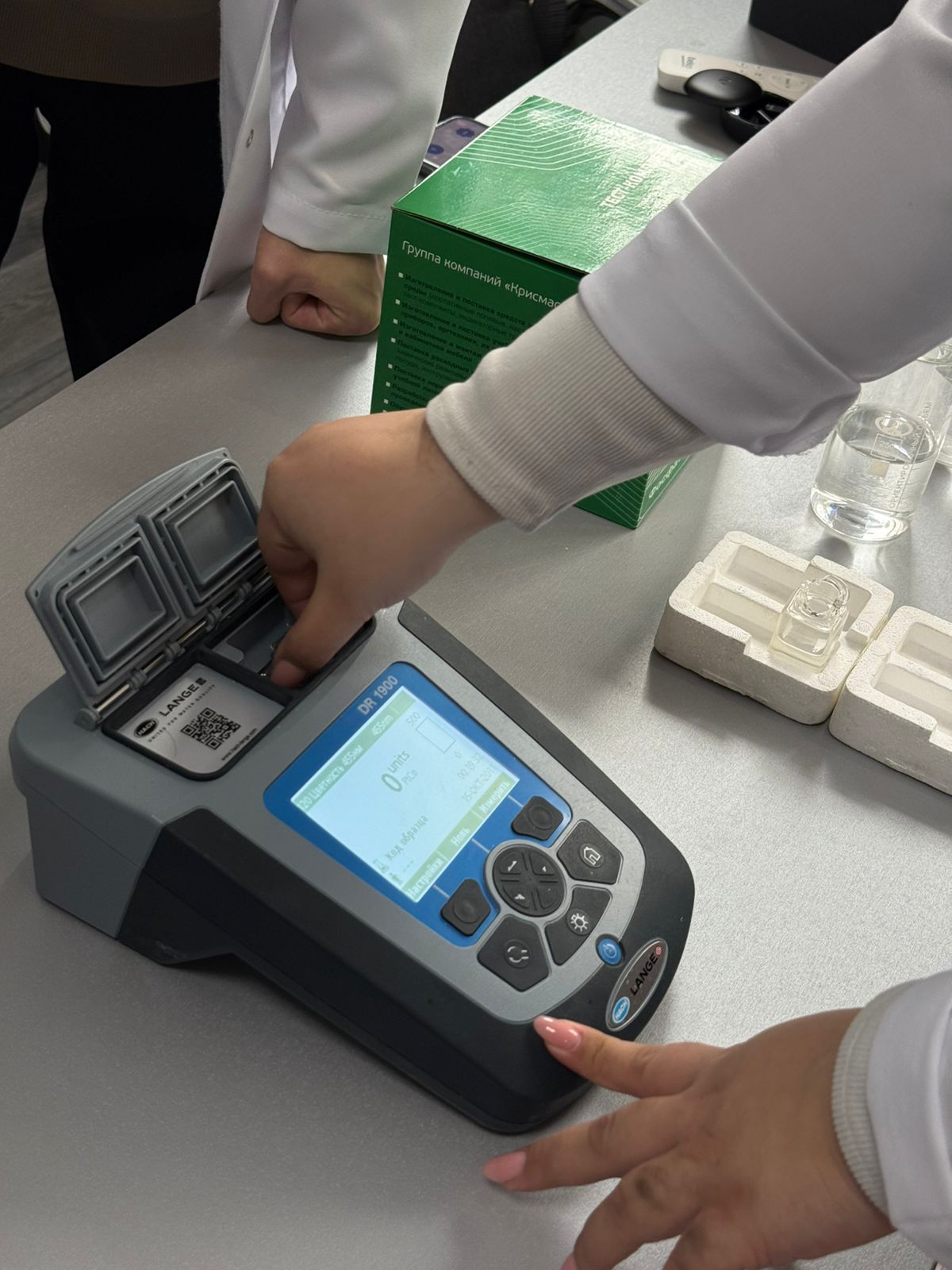
Within the scope of the laboratory work, organoleptic, physicochemical, and chemical parameters of drinking water were analyzed. Modern instrumental analytical methods were employed, including spectrophotometric techniques, as well as a UKV-1 for monitoring selected parameters and assessing their compliance with sanitary and hygienic standards. Parameters such as turbidity, color, hydrogen ion concentration (pH), suspended and dissolved solids, and concentrations of major ions and chemical elements - including iron, manganese, copper, zinc, chlorides, sulfates, nitrates, nitrites, fluorides, ammonium, and petroleum hydrocarbons - were determined.
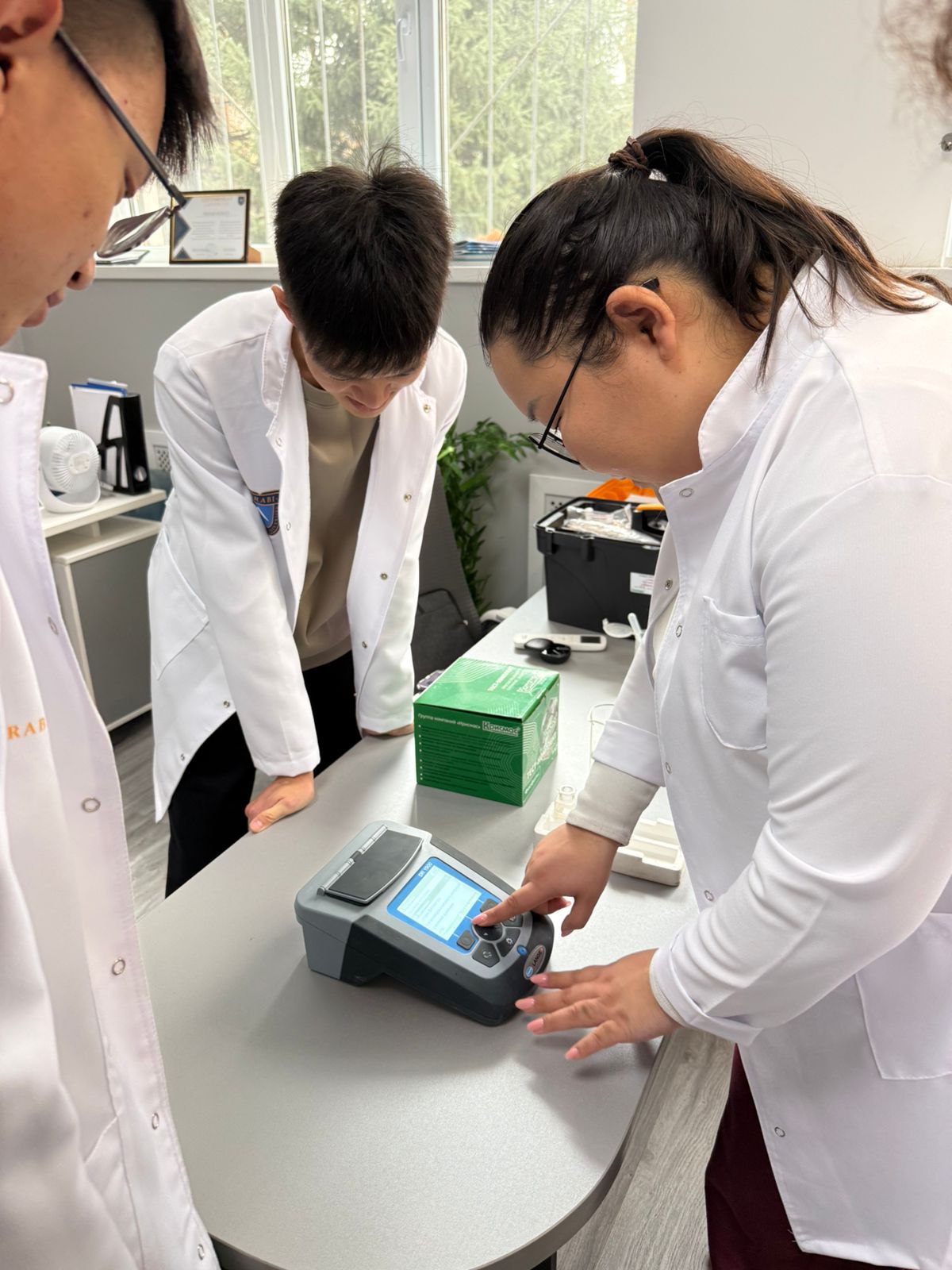
The results of the study demonstrated that all analyzed drinking water quality parameters were within the maximum permissible concentrations (MPCs) and complied with current sanitary regulations.
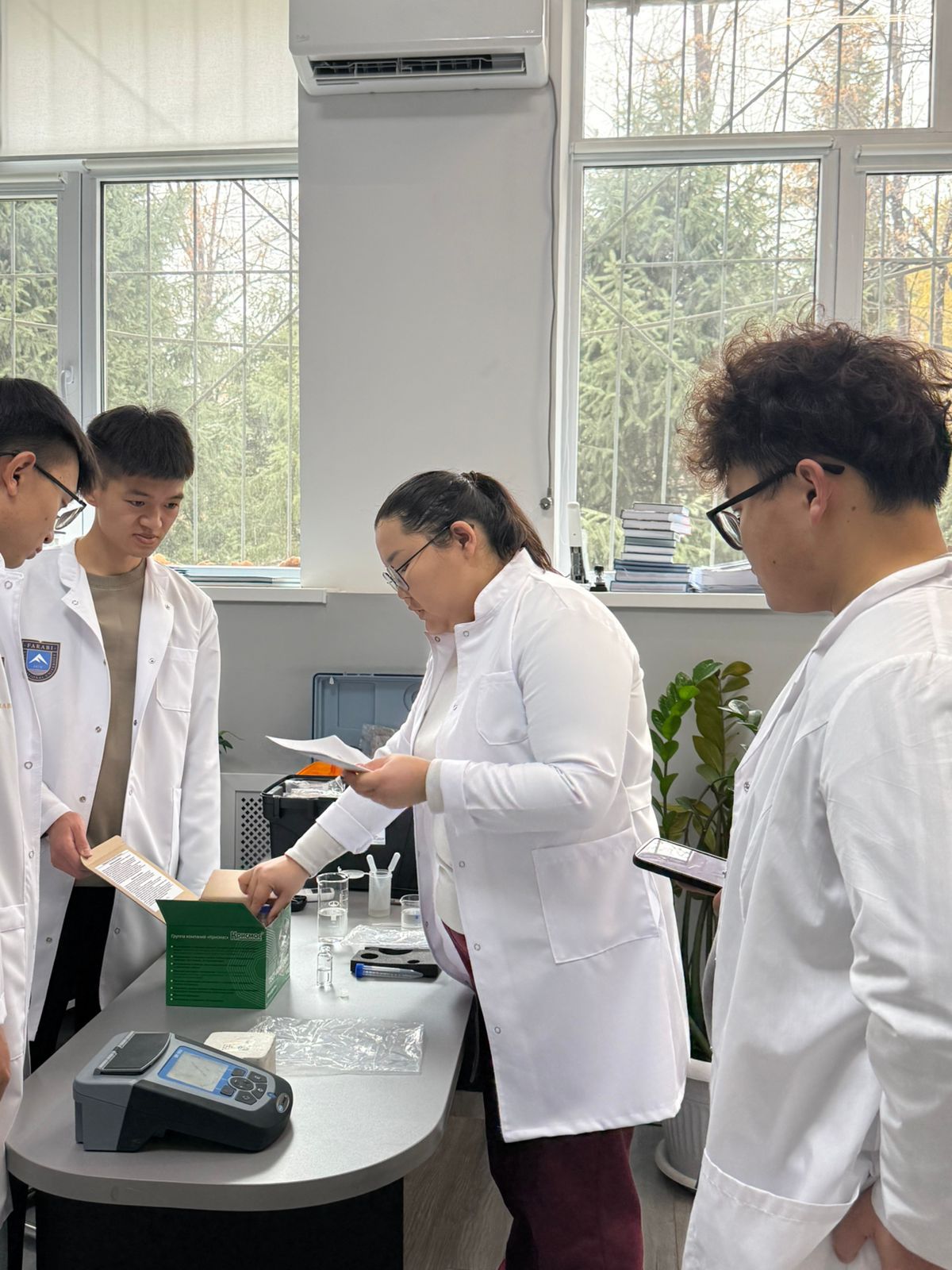
The conducted activity had an educational, demonstrative, and practice-oriented character, contributing to the development of professional competencies among international master’s students in the field of water quality monitoring and assessment, as well as facilitating their integration into the university’s academic and research environment. The work also highlighted the significance of the research activities of the Faculty of Geography and Environmental Management in the context of achieving the Sustainable Development Goals and promoting best practices in rational water use.