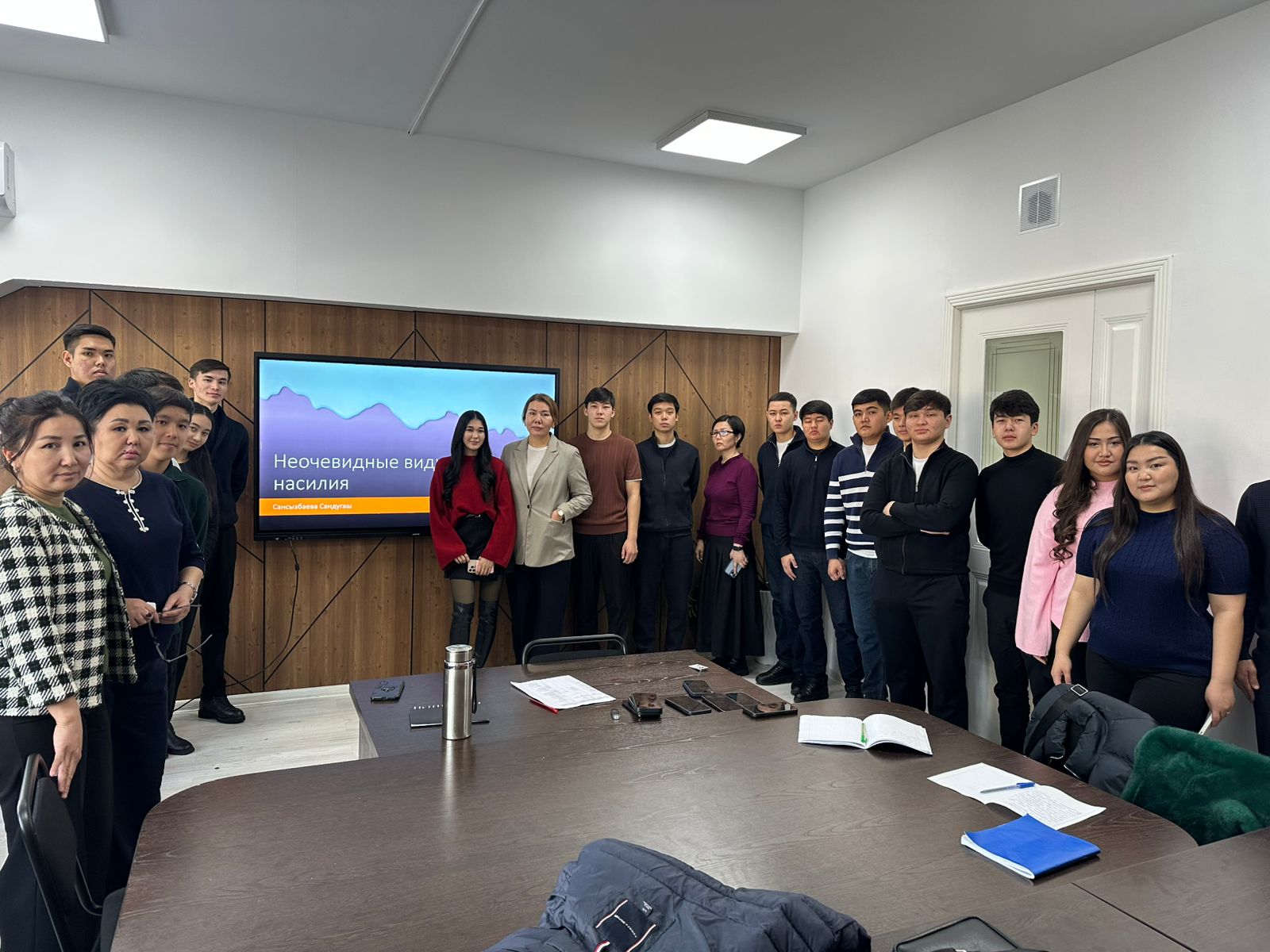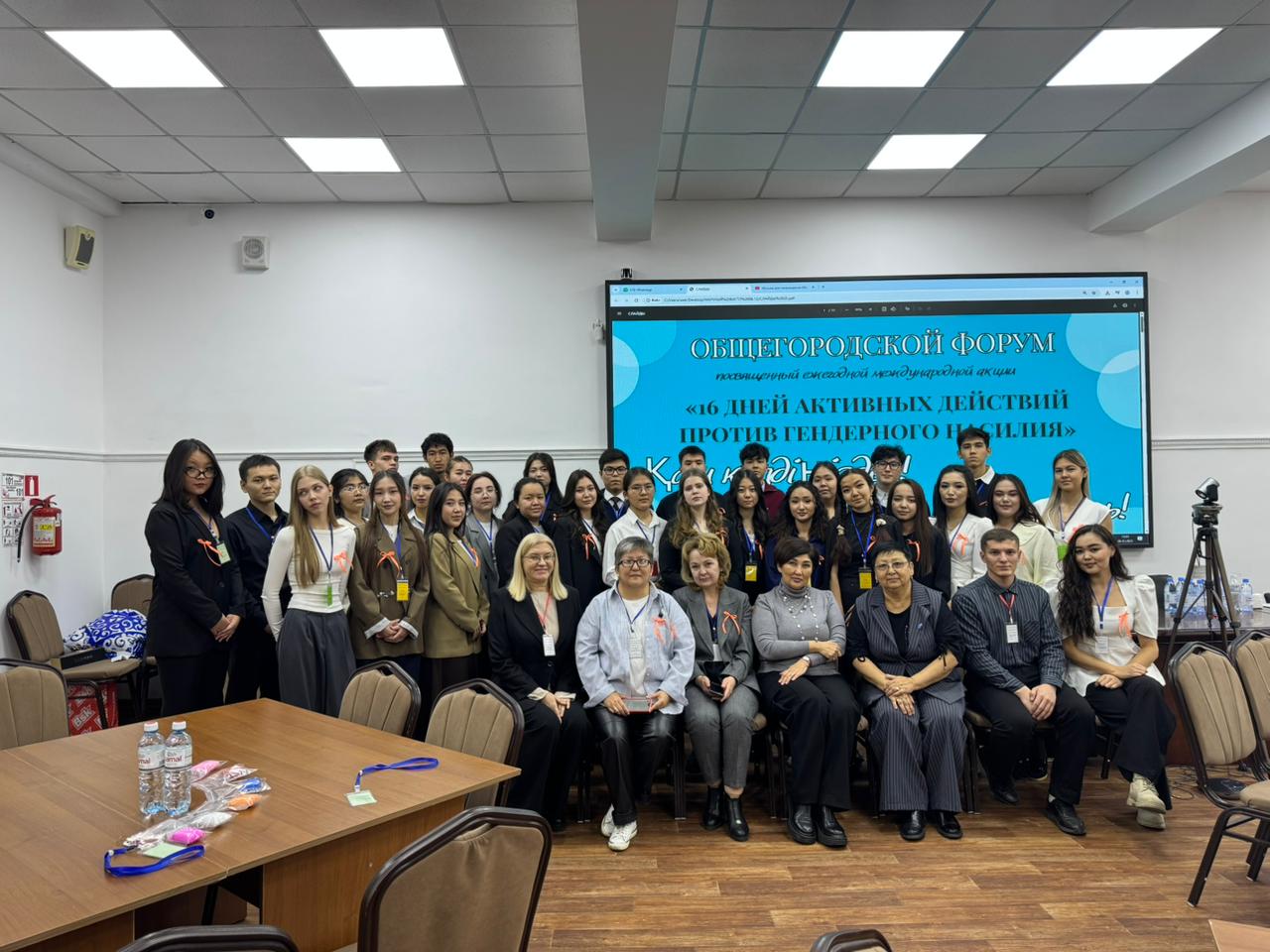
First-year students of the “Oriental Studies” program, under the supervision of instructor Utepova R.I., conducted an academic session dedicated to one of the key global Sustainable Development Goals – Gender Equality.
Gender equality is not a trend, but a prerequisite for a sustainable future.
The session aimed to promote awareness and understanding of the root causes of gender inequality. Despite significant progress achieved over recent decades, gender inequality remains a persistent reality. It manifests itself in wage gaps, limited access to leadership positions, unequal distribution of unpaid labor, and deeply rooted social stereotypes. These factors affect not only individuals but also the economy, innovation, and overall social stability.
The students prepared presentations on the topic. Following the presentations, an active discussion took place, during which students emphasized an important idea: gender equality does not mean sameness. It refers to equal opportunities and fair conditions in which differences become a source of strength rather than a cause for exclusion. This is an ongoing process that requires awareness, dialogue, and a willingness to reconsider established practices.
At the conclusion of the session, the following key point was highlighted: leaders play a special role in advancing gender equality – in business, government, culture, and the media. They set the tone, shape social norms, and demonstrate through personal example that inclusivity and respect are not signs of weakness, but sources of competitive advantage.
Open public dialogue helps dismantle myths and reduce resistance to change. The more openly and professionally we talk about gender inequality, the faster it ceases to be a taboo subject and becomes part of a constructive public agenda.
Gender equality is an investment in human capital.
An investment in a world where decisions are made based on competence rather than prejudice.
An investment in a society where children grow up understanding that their opportunities are not limited by gender.
An investment in an economy capable of being flexible, resilient, and innovative.
Choosing equality means choosing development. And the earlier this choice is made at all levels – from personal attitudes to corporate strategies and public policies – the stronger and fairer our shared future will be.
Other news