The creative industry
DEVELOPMENT OF THE CREATIVE INDUSTRY AT AL-FARABI KAZNU
In modern Kazakhstan, great attention is paid to studying international experience in the formation of creative industries. Over the past decade, creative industries have become an important sector of the global economy, exerting significant influence on the social and cultural aspects of people’s lives.
Creative industries are a sector that not only demonstrates growth in employment but also positively impacts the innovative potential of other sectors.
In Kazakhstan, the term “creative industry” was first introduced in the state program “Concept of Cultural Policy” in 2014. This marked the beginning of forming a new model of cultural space and interaction between culture and the state, as well as between culture and society.
Creative industries have been widely recognized as an important channel for economic growth and development. They attract particular interest among researchers.
Today, any new creative idea is essentially an entrepreneurial idea, and to achieve success, it is necessary to develop your own unique know-how.
These projects must ultimately generate value—that is, innovations (“successfully applied ideas”).
To strengthen creative capabilities and develop skills within the “Creativity–Business–Science” model, it is essential to:
- Create physical spaces such as creative industrial parks, centers, technoparks, hubs, etc.
- Train specialists in creative industries, managers, and producers in the cultural sector within higher education institutions—professionals equipped with knowledge in culture and economics and capable of developing this industry.
- Identify the most relevant areas of creative industries within the context of national policy, including those associated with preserving national identity, developing the state language, promoting interethnic harmony, and supporting positive youth culture.
The successful development of creative industries is possible only with a clear understanding of the tasks, analysis of international experience, and effective adaptation of that experience to domestic cultural and economic conditions.
Although the concept of “creative industries” may initially appear revolutionary, in reality, it represents a natural stage in the evolution of cultural policy and reflects sociocultural changes characteristic of the contemporary era. The age of globalization dictates new speeds and scales of information dissemination.
Creative industries are a special sector of the economy resulting from intellectual activity. Their key characteristics include:
- A significant role of new technologies and discoveries in various fields
- A high level of creative labor
- A large volume of existing knowledge and a strong need to generate new knowledge
The creative industry is intended to shape an attractive investment climate, contribute to social cohesion, develop the social sphere, and modernize the education system.
Today, it is essential to create the necessary conditions for a breakthrough in the field of creative industries. A comprehensive approach, systematic state support, and continuous dialogue among representatives of the academic sphere, government, and business form the foundation for a favorable environment for young people’s self-realization.
Global practice shows that innovative technological hubs and specially designated creative platforms play a decisive role in developing the creative industry.
Education aimed at fostering creative and innovative thinking plays a crucial role in shaping the creative class.
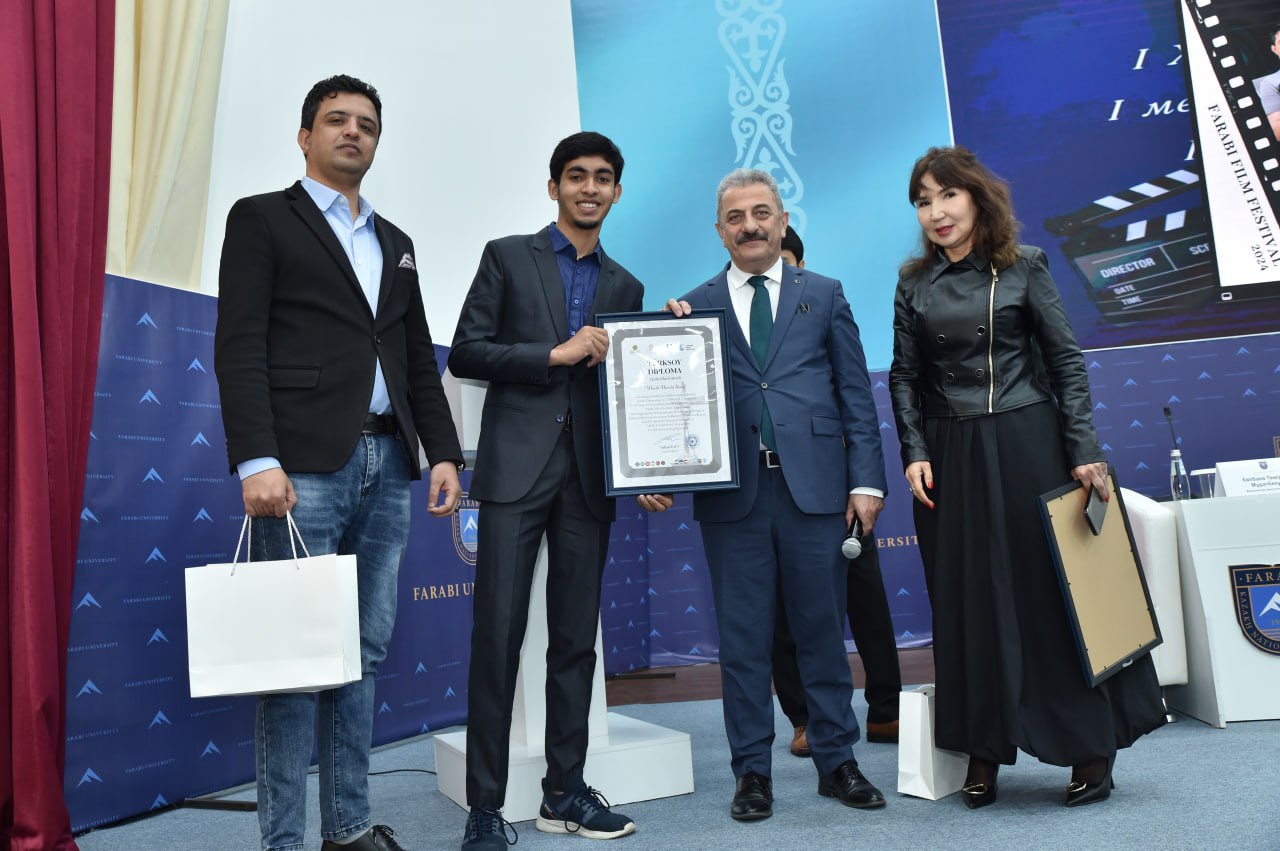
FARABI FILM FESTIVAL AT AL-FARABI KAZNU
On April 29–30, 2024, Al-Farabi KazNU hosted the Farabi Film Festival for students of film and media faculties across the Turkic world.
The event was organized jointly by the international organization TURKSOY and the University’s Center for Technology Commercialization and Creative Industries.
The festival, held as part of the 90th anniversary of KazNU, brought together students, faculty members, and filmmakers from Kazakhstan, Kyrgyzstan, Uzbekistan, Türkiye, Azerbaijan, and Turkmenistan.
The goal of the festival was to support young filmmakers and create conditions for their further professional development, promote student creativity, strengthen friendship among Turkic peoples, enrich the spiritual world, and broaden the worldview of the younger generation.
At the opening ceremony, the participants and guests were welcomed by a Member of the Board — Vice-Rector for Scientific and Innovation Activities:
“For us, today is a special day, as we meet for the first time at a student film festival of Turkic countries. This important and meaningful event will undoubtedly contribute to the exchange of experience in cinematographic art and the strengthening of cultural ties,” she emphasized.
Festival participants were also congratulated by:
- Yusuf Saed, Deputy Secretary-General of TURKSOY
- Aidar Omarov, Vice President for Production of the Sh. Aimanov National Film Studio "Kazakhfilm"
- Film director Murat Yeszhan
and others.
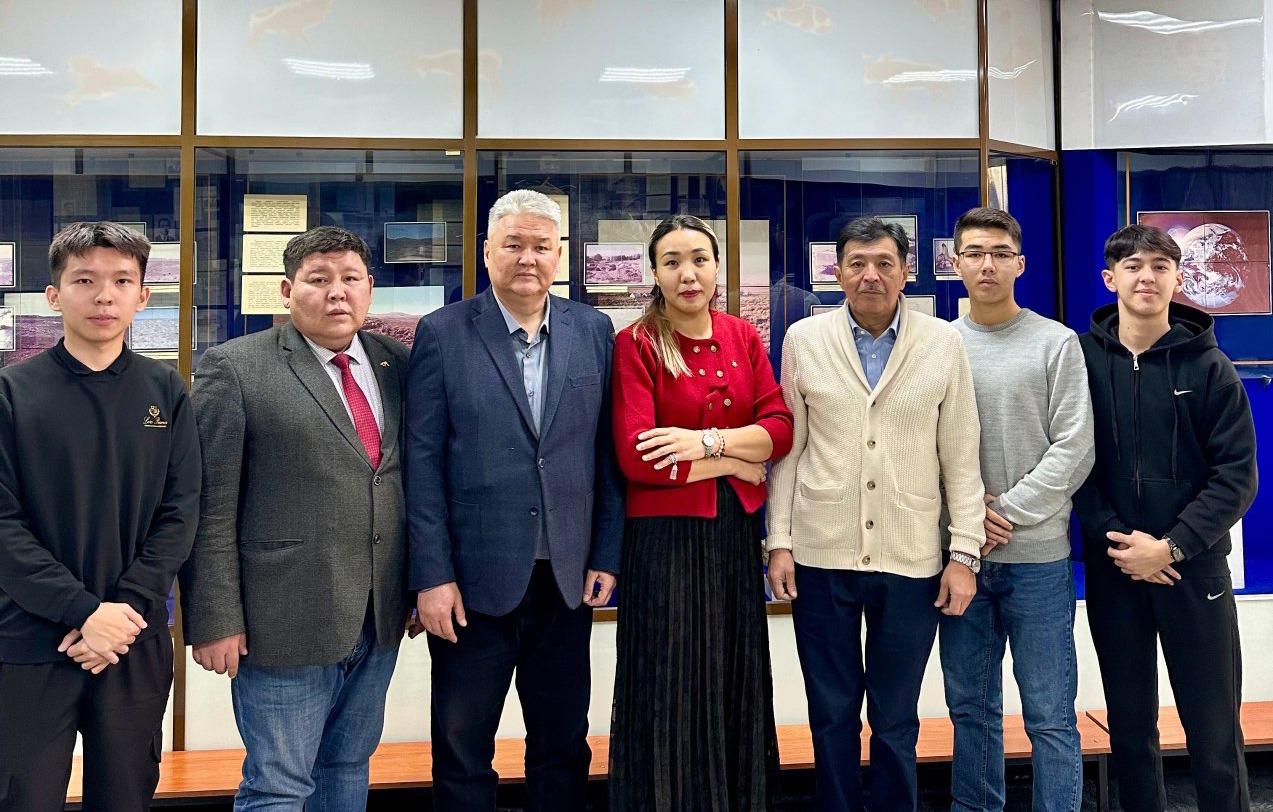
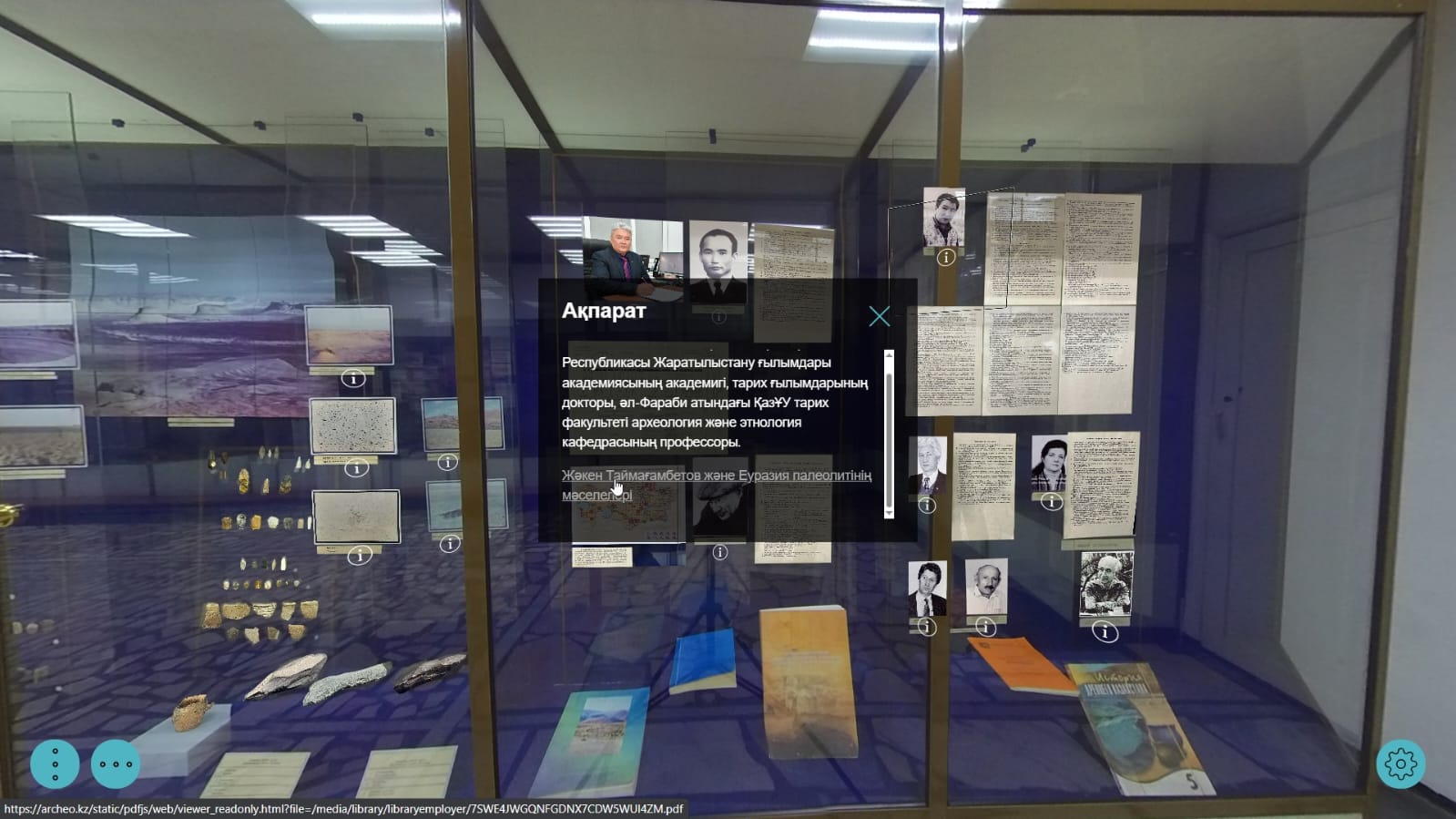
On December 11, 2024, the project “Virtual Museum of the Paleolithic of Kazakhstan” was officially launched.
To commemorate the 90th anniversary of Al-Farabi Kazakh National University, the faculty of the History Department launched a virtual version of the Paleolithic Museum of Kazakhstan as part of the university-wide project “Virtual Museum of the Paleolithic of Kazakhstan.”
The authors of the project are Dosbol Baikonakov, Dean of the Faculty of History, Doctor of Historical Sciences, Professor, and Zhuldiz Bekbauova, PhD, lecturer at the Department of History of Kazakhstan.
The project team also includes students from the Faculties of History, Information Technology, Biology, and Biotechnology. Among them are first-year students of the Faculty of Information Technology: Daniyar Aronov, Arman Tolegen, and Bolat Tynys.
Significant contributions were made by Elvira Umbetzhanova, Project Manager of the Center for Technology Commercialization and Creative Industries, and Zhanar Bayanova, first-year doctoral student of the educational program “Ethnology and Anthropology” at the Department of Archaeology, Ethnology, and Museology of the Faculty of History.
The Virtual Museum of the Paleolithic of Kazakhstan is not only an educational and research platform but also an innovative space for preserving cultural heritage, blending technology with history. By using modern digital tools, it helps reveal the secrets of the earliest stages of human history.
Virtual version of the project: “Virtual Museum of the Paleolithic of Kazakhstan.”