From Belém to the classroom: Students analyze COP 30 Outcomes in real time
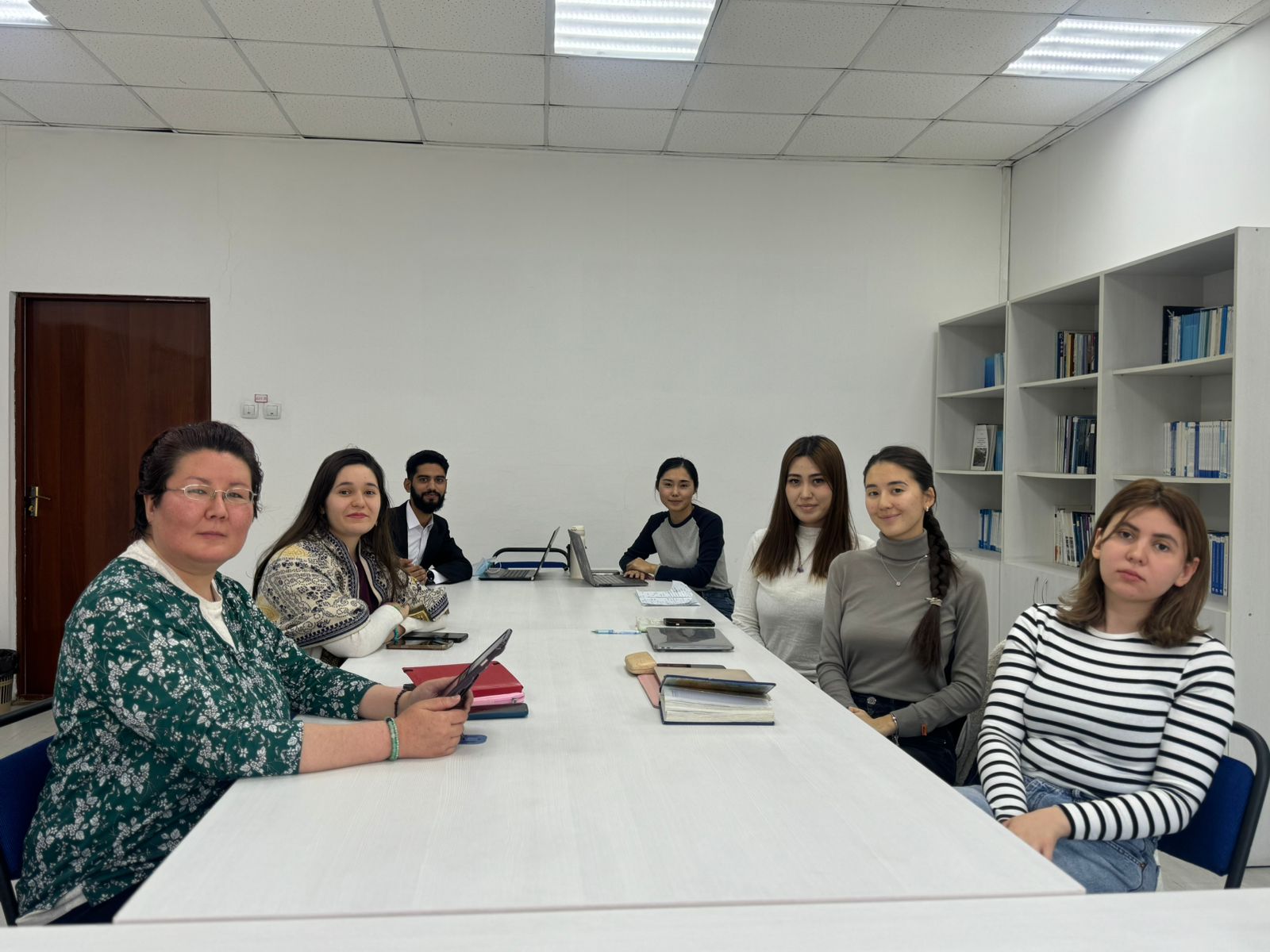
On November 21, 2025, only hours after negotiations concluded at COP 30 in Belém, Brazil, second-year International Relations Master degree students in the Department of International Relations hosted an open workshop class to examine the conference’s immediate outcomes for Indigenous Peoples, rights, and resource governance.
The event took place within the framework of the Institute for Security and Cooperation Studies at Al-Farabi Kazakh National University and was organized by Acting Associate Professor Zhulduz Baizakova
Often referred to as the “Amazon COP,” this year’s conference placed increased attention on the relationship between climate action, biodiversity, and human rights. Using the developments from Belém as a live case study, students explored whether the global commitments announced in Brazil can lead to meaningful protections for Indigenous communities and land defenders.
The discussion focused on the evolving challenges of resource governance, particularly as global demand for critical minerals used in green technologies continues to grow. Students debated the ethical issues surrounding resource extraction on Indigenous lands and reflected on how hosting COP 30 in the Amazon shifted international conversations from carbon metrics toward stewardship, sovereignty, and community-centered conservation.
This event demonstrates the department’s commitment to a responsive and internationally engaged curriculum, ensuring that students learn from major global developments as they unfold.
The course titled Environment, Conflicts and Sustainability is being taught for the first time this year. It serves as a pilot program for future expansion of academic offerings in sustainable development and environmental governance.