- Main
- News
- A roundtable discussion titled “New Tax Code – 2026: Transition to a Fair and Incentive-Based Tax System”
A roundtable discussion titled “New Tax Code – 2026: Transition to a Fair and Incentive-Based Tax System”
.jpg)
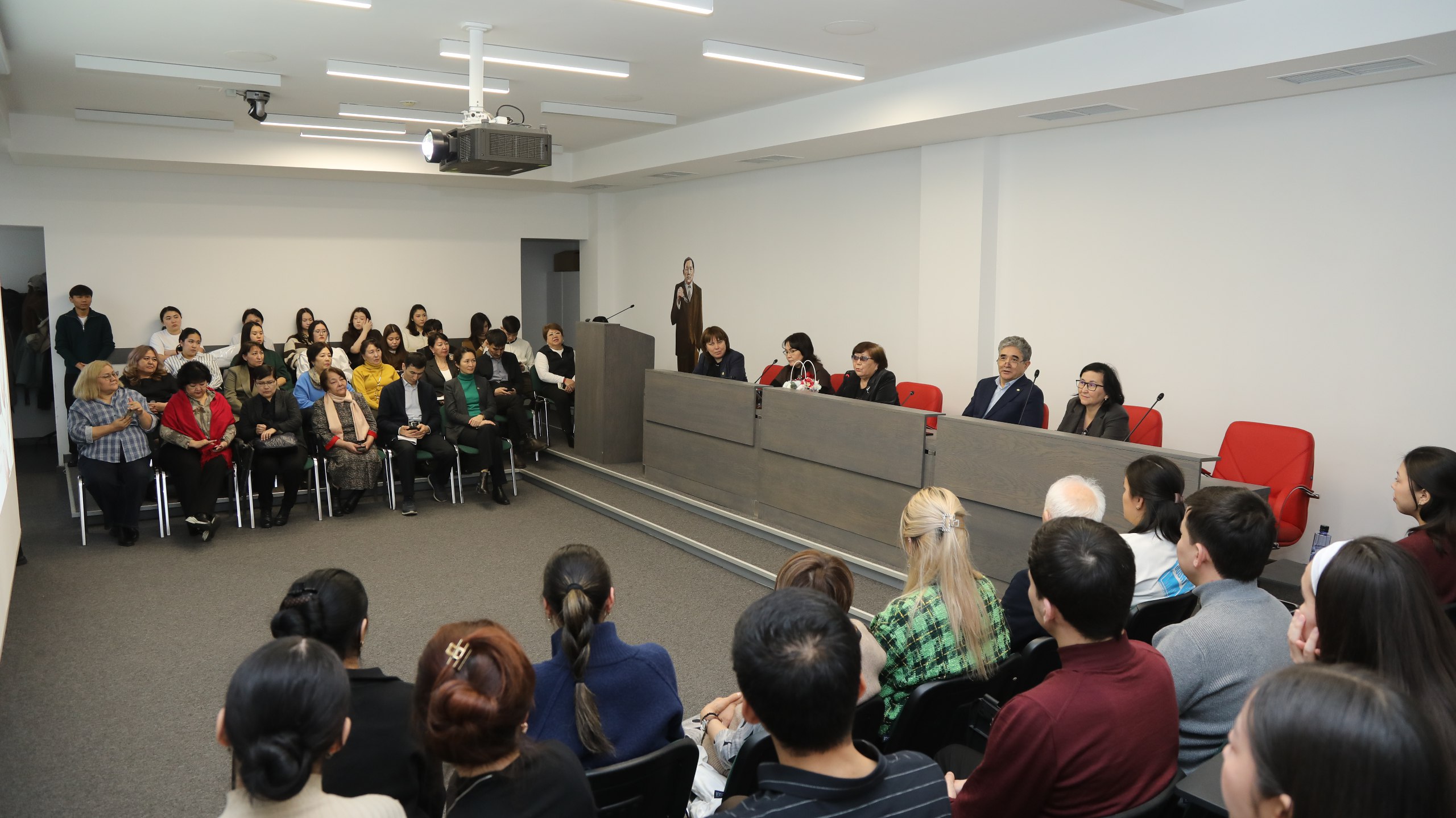
On December 11, 2025, the “Finance and Accounting” Department of the Higher School of Economics and Business at Al-Farabi Kazakh National University held a roundtable discussion titled “New Tax Code – 2026: Transition to a Fair and Incentive-Based Tax System.”
The event focused on a topic of exceptional importance for Kazakhstan’s economic future and the modern development trajectory of public administration — exploring the structure of the new tax code, its impact on the national economy, and the key conditions for transitioning to the updated tax system.
Global economic volatility, digital transformation, and growing public demand for fairness require a comprehensive revision of the tax system. Therefore, the Tax Code scheduled for implementation in 2026 is not merely a legislative document — it represents a new social contract between the state and society, a new format for supporting entrepreneurial activity, and a strategic decision aimed at stimulating economic development.
During the roundtable, presentations were delivered by:
- G.B. Uvakbayeva — “Key Changes of the New Tax Code of the Republic of Kazakhstan”;
- N.Sh. Syrlibayeva — “Impact of the New Tax Code on the Development of Kazakhstan’s Banking Sector”;
- B.B. Sultanova — “New Special Tax Regimes in the 2026 Tax Code”;
- A.A. Issayeva — “New Tax Code: Effective Tax Regimes”;
- A.Z. Arystambayeva — “New Tax Code: Labor Agreements”;
- A. Kurbanbayeva — “International Experience in Digital Tax Administration and Its Adaptation Potential in Kazakhstan.”
- A graduate of the department, who completed both bachelor’s and master’s educational programs and is currently the chief accountant of a logistics company, Elnura Nusupova also shared her views on the topic.
Each topic generated strong interest among participants and was actively discussed.
As a result of the roundtable discussions, it was emphasized that all ideas and proposals presented will contribute to shaping a high-quality, balanced, and effective new tax code. The new code represents a shared goal, collective effort, and an important step aimed at the future development of the country.