- Main
- News
- GLOF Seminars as a Tool for Community Engagement and Enhancing Resilience to Cryospheric Risks
GLOF Seminars as a Tool for Community Engagement and Enhancing Resilience to Cryospheric Risks
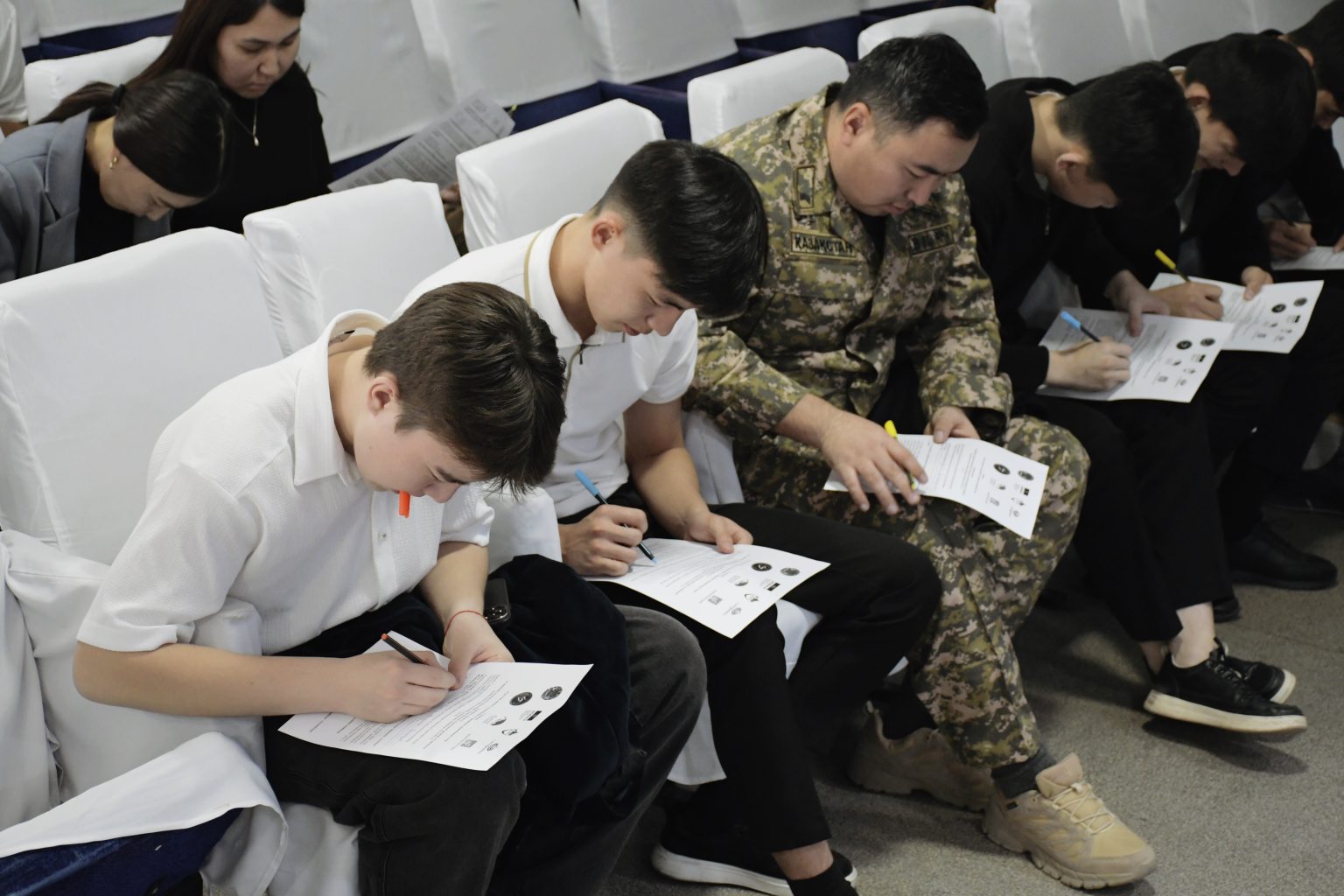
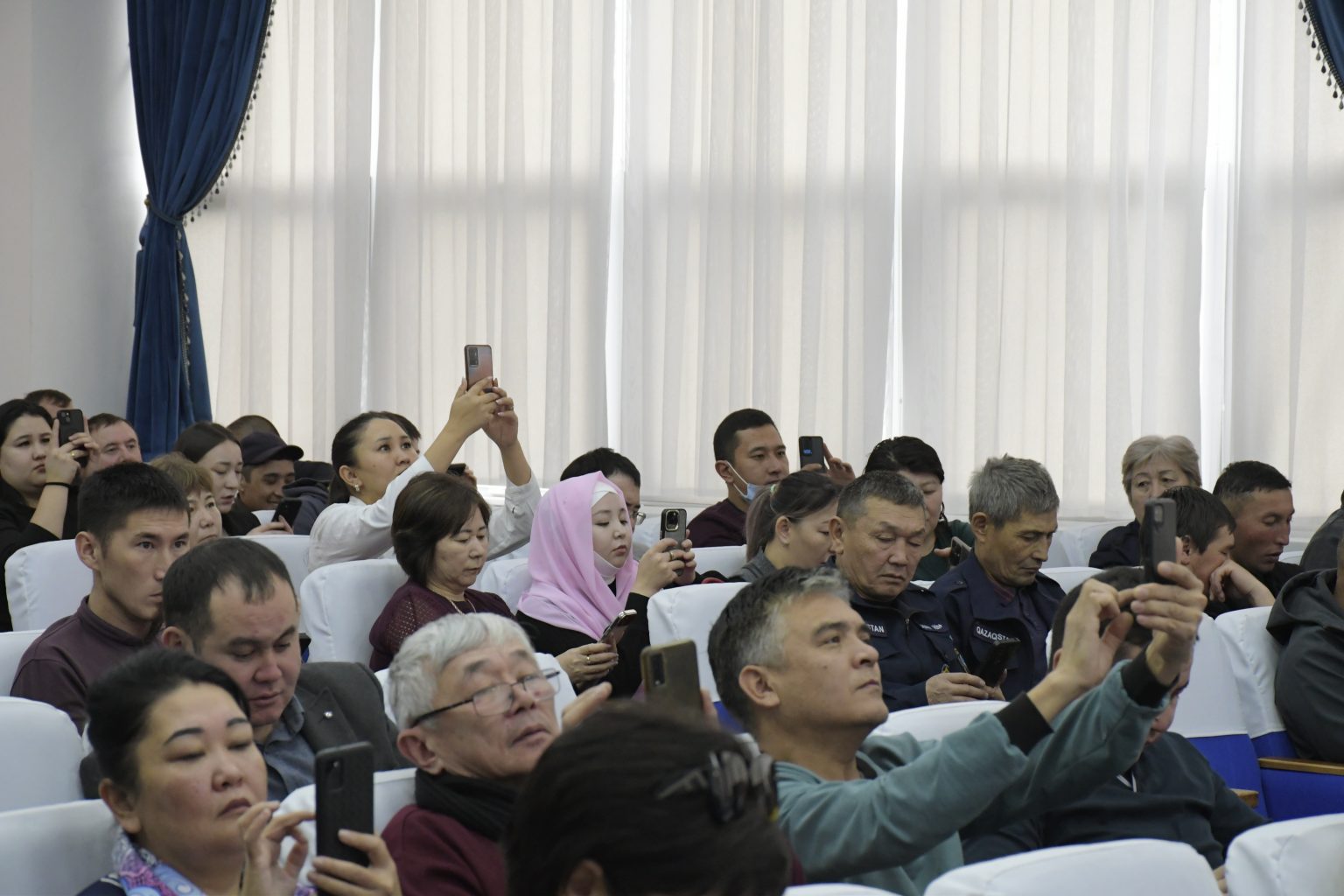
The academic staff of the Faculty of Geography and Environmental Sciences of Al-Farabi Kazakh National University, in cooperation with UNESCO, organized information and training seminars in the city of Issyk aimed at increasing public awareness and preparedness for the risks of glacier lake outburst floods (GLOFs).
The seminars were designed to foster a scientifically grounded and practice-oriented understanding of natural processes associated with emerging cryospheric hazards under climate change, as well as to enhance the readiness of local communities, local authorities, and relevant services to respond to potential emergencies in mountainous and foothill areas.
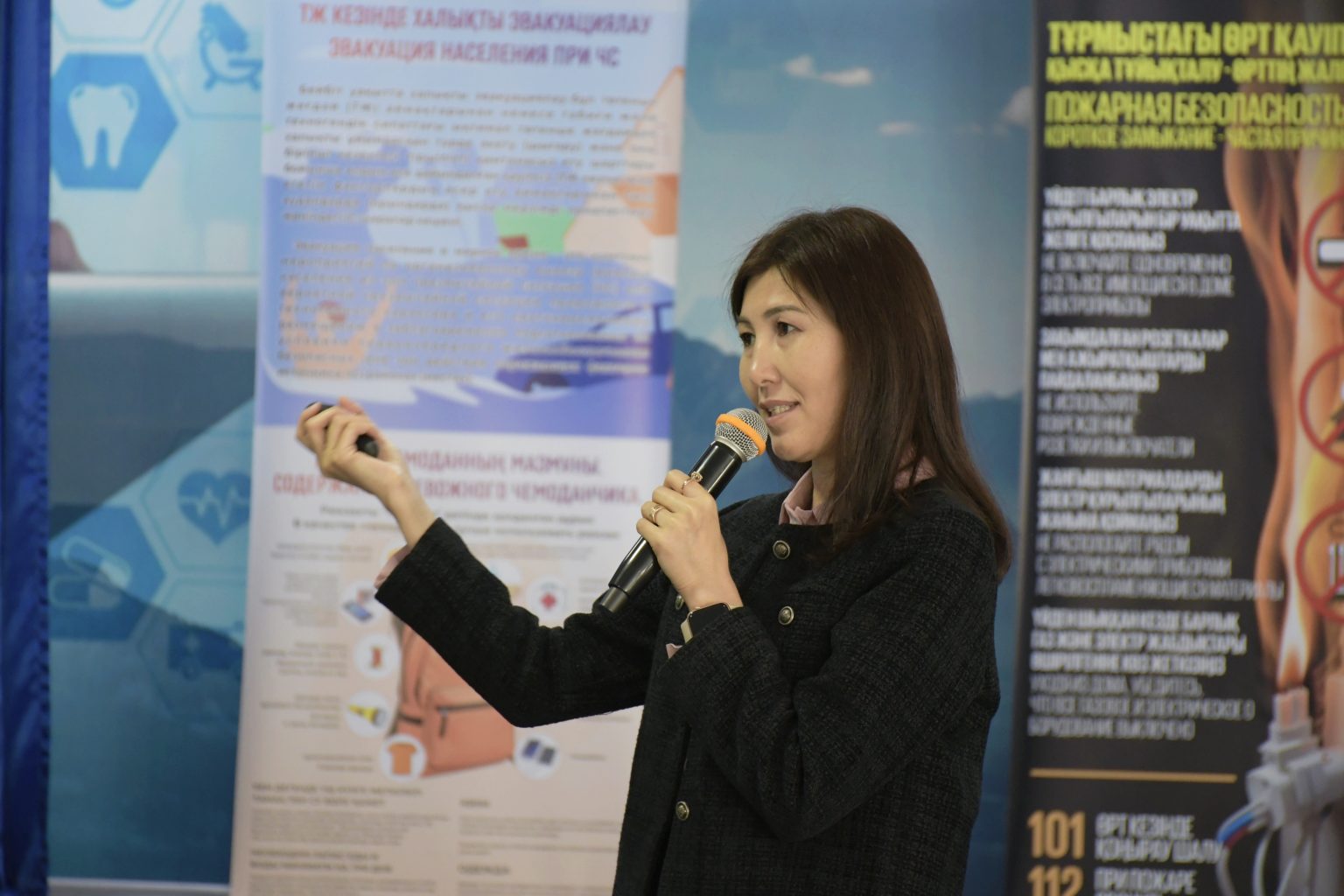
Leading experts in hydrology, hazardous hydrological phenomena, risk management, and climate adaptation delivered presentations during the seminars. Ainur Mussina, Associate Researcher at the Department of Meteorology and Hydrology, presented the mechanisms of formation and key impacts of glacier lake outburst floods. Baurzhan Abishev, Deputy Director of the State Institution “Kazselezashchita” and Senior Lecturer at the Department of Meteorology and Hydrology, provided a detailed overview of measures to reduce GLOF risks in the region. Zhanar Raimbekova, Researcher and Senior Lecturer at the Department of Meteorology and Hydrology, presented affordable and effective adaptation strategies to cryospheric and climate-related risks.
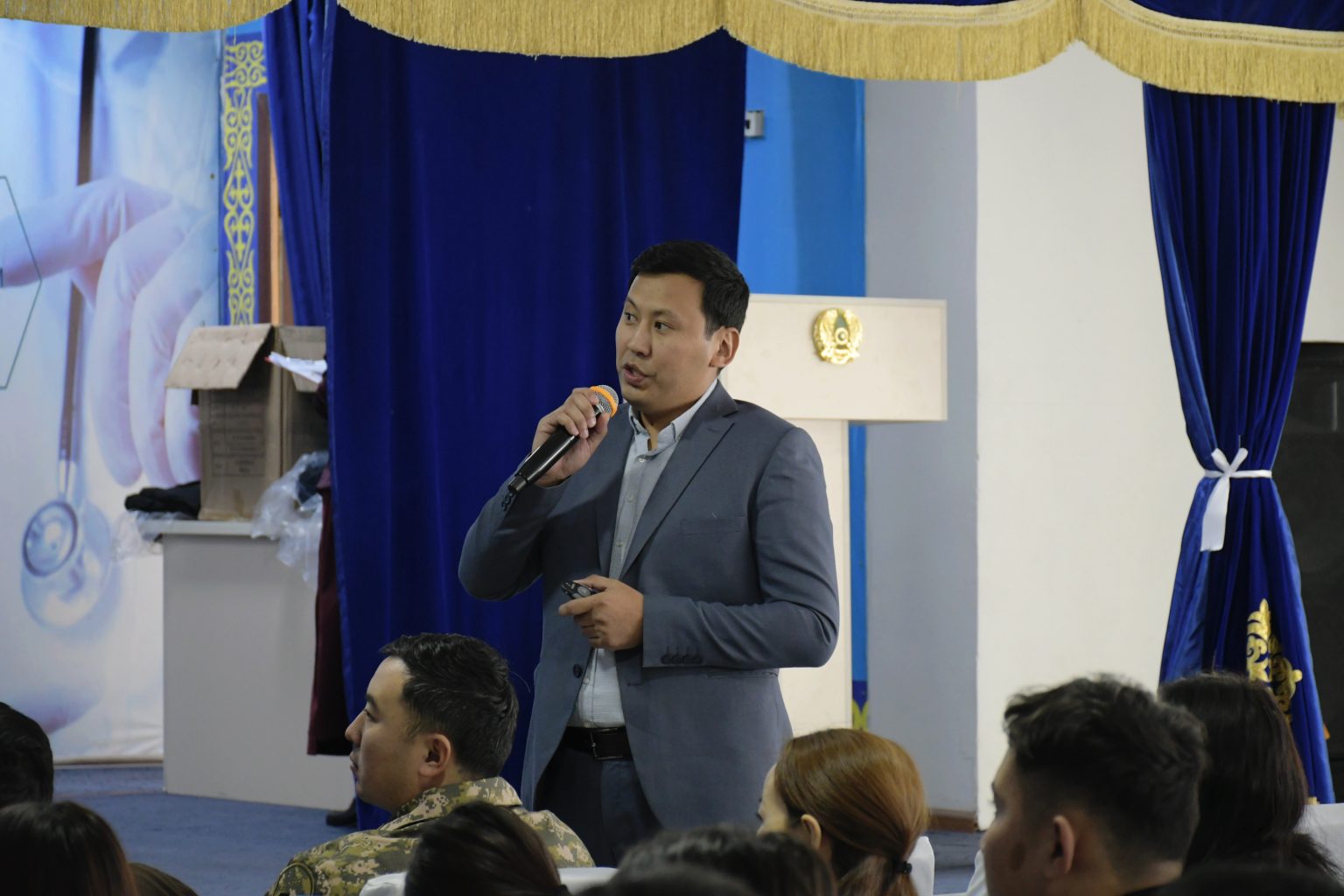
The events were implemented in the context of SDG 4 “Quality Education,” SDG 11 “Sustainable Cities and Communities,” SDG 13 “Climate Action,” and SDG 15 “Life on Land,” and were aimed at strengthening the resilience of local communities to hazardous natural processes. The seminars addressed the characteristics of glacier-lake formation, modern approaches to GLOF risk assessment and management, as well as prospects for introducing early warning systems and adaptation measures in the project’s pilot areas.
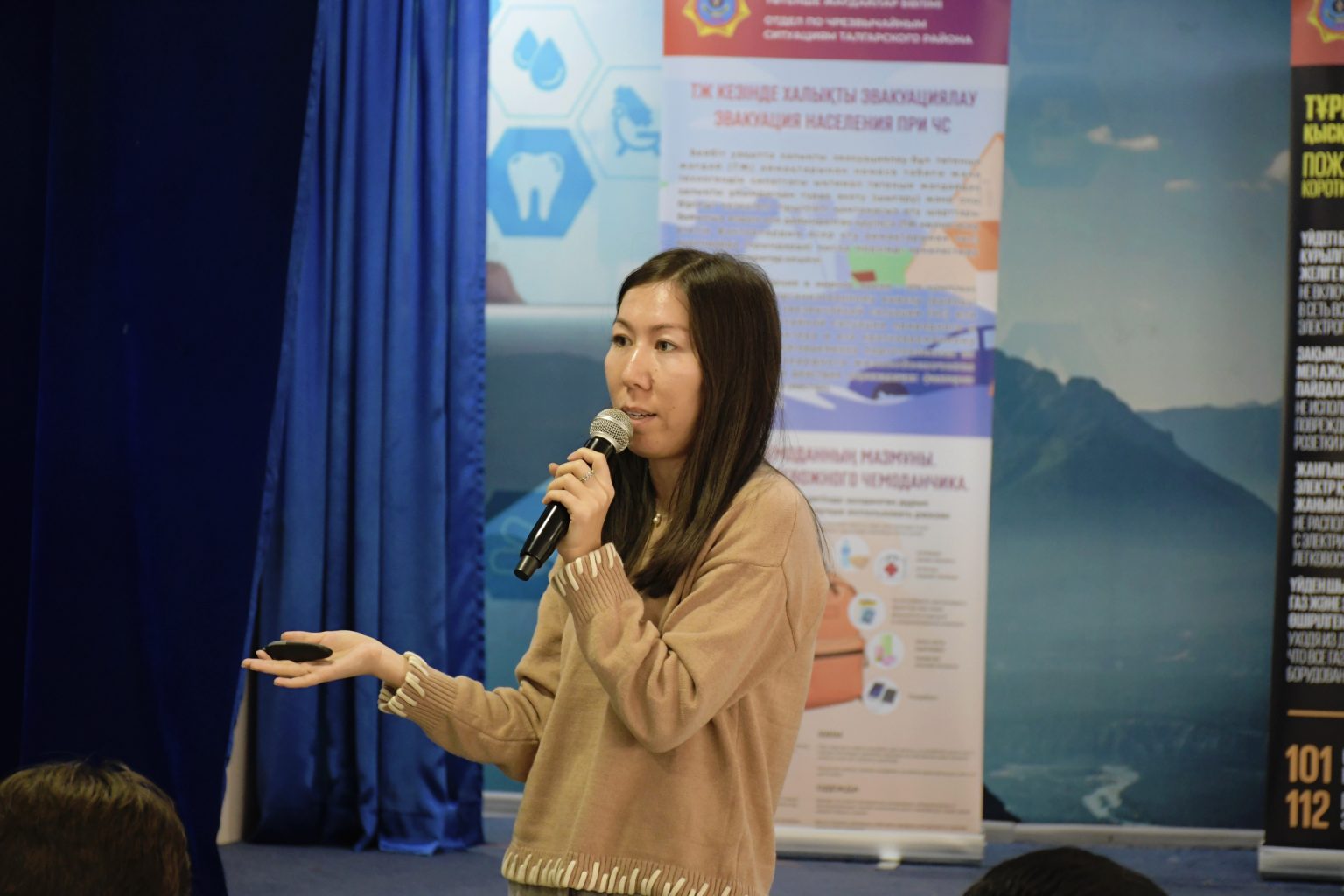
Particular attention was given to dialogue with local residents, including discussion of their observations and practical experience. The practical component included an interactive exercise on assembling an emergency kit, contributing to the development of individual and collective preparedness skills for emergency situations. The seminars constituted an important step in engaging local communities in the implementation of the GLOFCA project and in strengthening the university’s scientific and practical cooperation with international organizations in the field of climate and hydrological risk reduction.