The Individual as the Supreme Value of the State: The Philosophy of the New Constitution
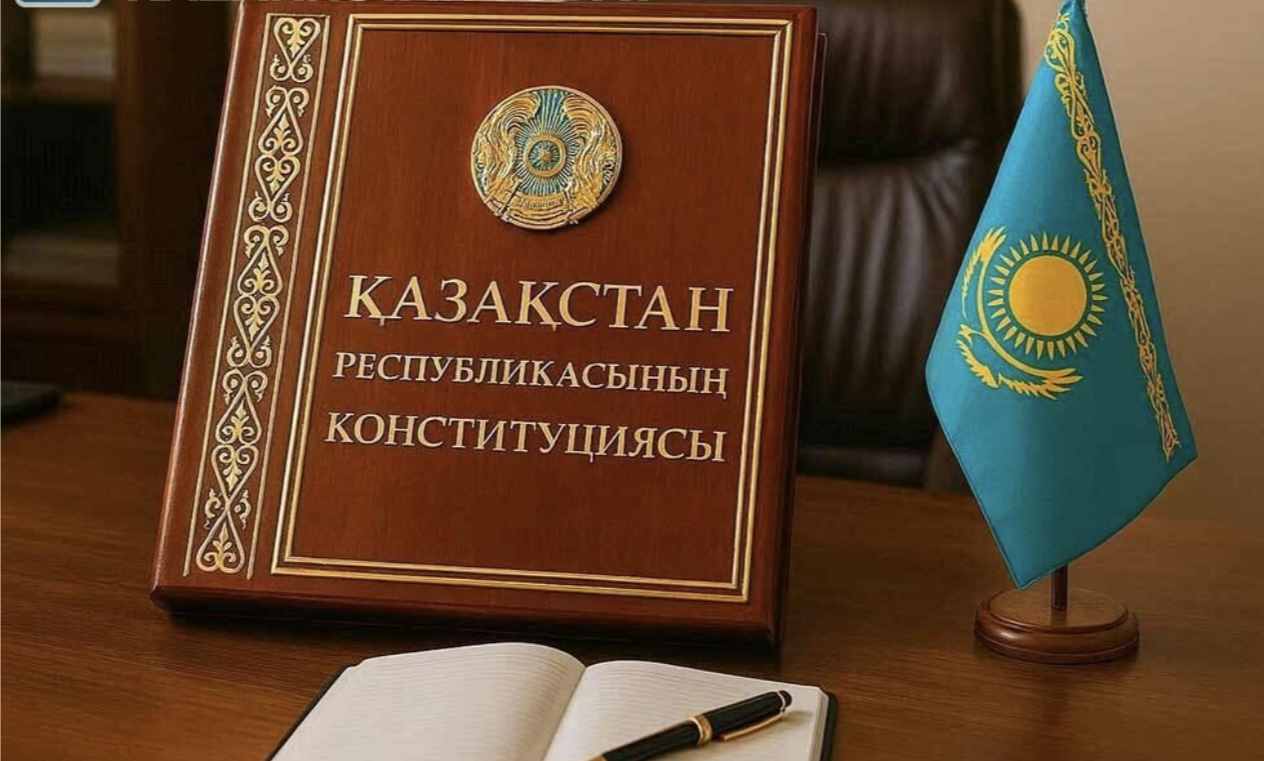
I consider the work of the Constitutional Reform Commission on drafting and submitting the new Constitution of the Republic of Kazakhstan to be a significant step in the country’s development. This step aligns with global democratic processes and is aimed at strengthening democratic principles, protecting human rights, and improving the institutional foundations of public governance. As Abai Kunanbayuly wrote, “Love all mankind as your brother,” emphasizing that human dignity and value should lie at the core of any progressive society.
I believe it is particularly important that this document was prepared through broad public discussion, as proposals from citizens, political parties, experts, and representatives of civil society organizations were taken into account during the drafting process. More than two thousand initiatives were submitted via state digital platforms such as e-Otinish and eGov, which clearly demonstrates a high level of public engagement in this process.
The President of the country, Kassym-Jomart Tokayev, announced this constitutional reform at the 5th meeting of the National Kurultai held in the city of Kyzylorda. One of the key changes proposed is the transition to a unicameral parliament — the Kurultai — consisting of 145 deputies elected for a five-year term under a proportional representation system. This reform is intended to strengthen the role of political parties and ensure more responsible representation of citizens’ interests.
In my view, the draft of the new Constitution places special emphasis on human rights and freedoms as the highest value of the state. The Fundamental Law enshrines the individual — their life, rights, and dignity — as the central priority of state policy. This signifies a shift from the dominance of state interests to the primacy of individual interests and предусматривает strengthening judicial protection, expanding mechanisms for appealing against the actions of state bodies, and increasing government accountability.
I also consider it essential that the fundamental principles of statehood — sovereignty, independence, territorial integrity, and unity — are firmly established. These provisions are aimed at ensuring national security, political stability, and protecting the country from internal and external threats.
Special attention is given to the development of human capital. Education, science, culture, and innovation are regarded as strategic factors for Kazakhstan’s sustainable development and competitiveness. In this context, Abai’s words “Do not boast without acquiring knowledge,” which call for lifelong learning and self-improvement as the foundation of national progress, are particularly relevant. Constitutional recognition of these areas will create a solid basis for the development of a knowledge-based economy and support for innovation.
I also consider the introduction of constitutional norms regulating the protection of citizens’ rights in the digital environment to be highly important. Issues of personal data protection, information security, and online privacy are being addressed at the constitutional level for the first time. This reflects the legal system’s adaptation to modern digitalization processes and the development of e-government.
Among the significant innovations of the draft are the establishment of the position of Vice President and the creation of the Kazakhstan Law Council — a high advisory body with the right of legislative initiative. These changes are aimed at increasing the efficiency of public administration and expanding mechanisms for public participation.
Overall, I consider the draft of the new Constitution to be comprehensive and progressive. As Abai wisely said, “If you want your nation to thrive, start by correcting its cradle,” and in this sense, the renewal of the Constitution can be viewed as a crucial step toward building a just, lawful, and modern state.
Andabaeva Gulmira Kenzhegalievna,
Candidate of Economic Sciences, Associate Research Professor,
Department of Economics,
Higher School of Economics and Business,
Al-Farabi Kazakh National University.