Doctoral Internship in the United Kingdom
.jpeg)
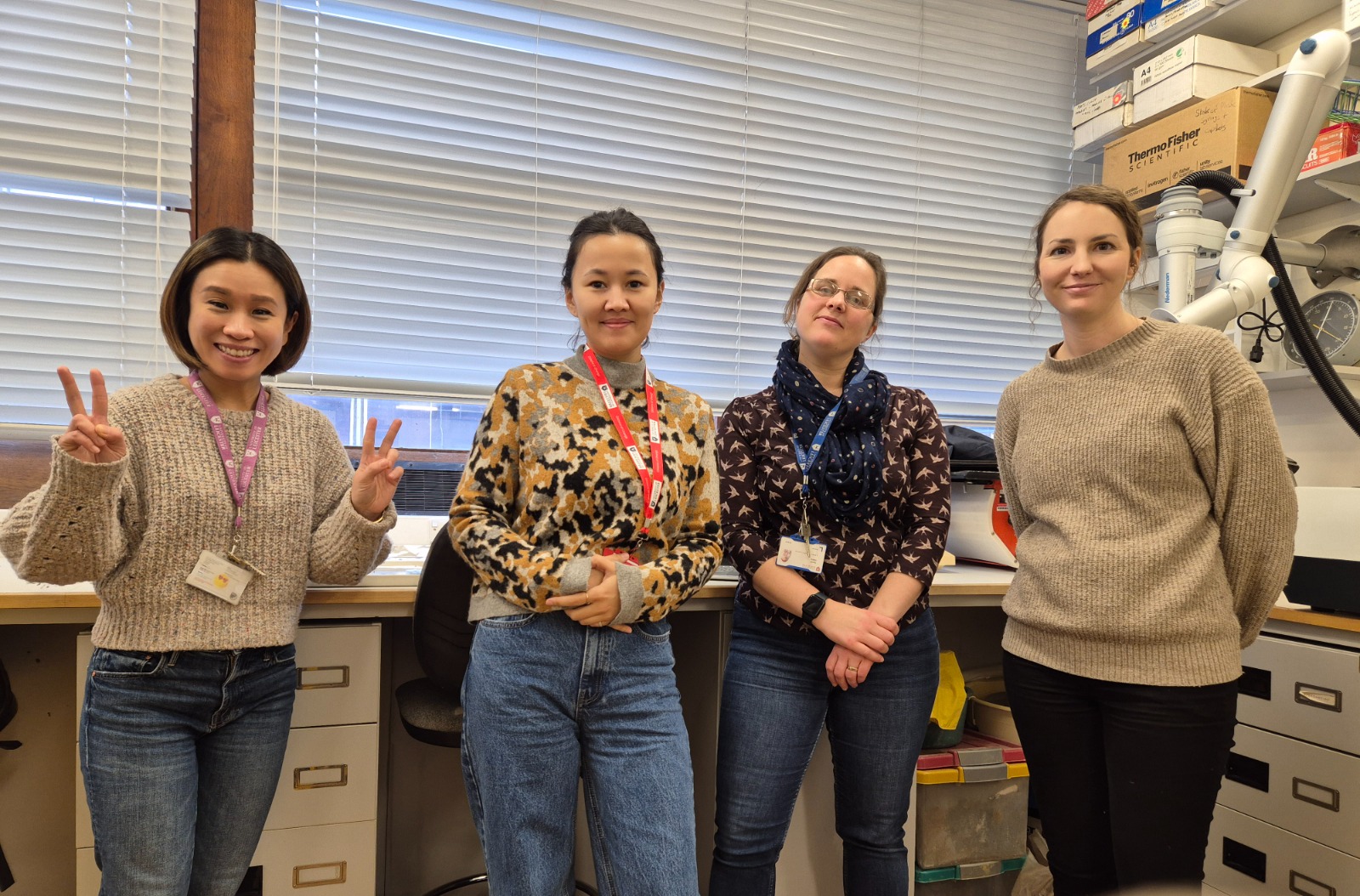
As part of the academic mobility program and the training of highly qualified specialists, Didar Shaimukhanova, a doctoral student of the Department of Archaeology, Ethnology, and Museology at Al-Farabi Kazakh National University, is undertaking a research internship in the United Kingdom. The internship began on January 5 and will continue until February 13, 2026.
The main venue for the research work is the University of Leicester, renowned for its advanced developments in archaeological sciences. The work is supervised by international consultant Dr. Carmen Ting, an expert in archaeometry and the study of ancient technologies. Dr. Ting specializes in examining technological innovations and their dissemination through interdisciplinary material analysis. Under her expert guidance, Didar Shaimukhanova conducted a series of technological studies on Bronze Age ceramics from Eastern Kazakhstan.
A key focus of the research was the use of an interdisciplinary approach — petrographic analysis of thin ceramic sections. The study, carried out in a foreign laboratory, enabled a detailed examination of ancient production standards, identification of the composition of molding materials, and tracing the evolution of pottery traditions from the Early to the Late Bronze Age. The results provide new insights into processes of interaction among ancient communities and the development of technologies across the Eurasian steppe.
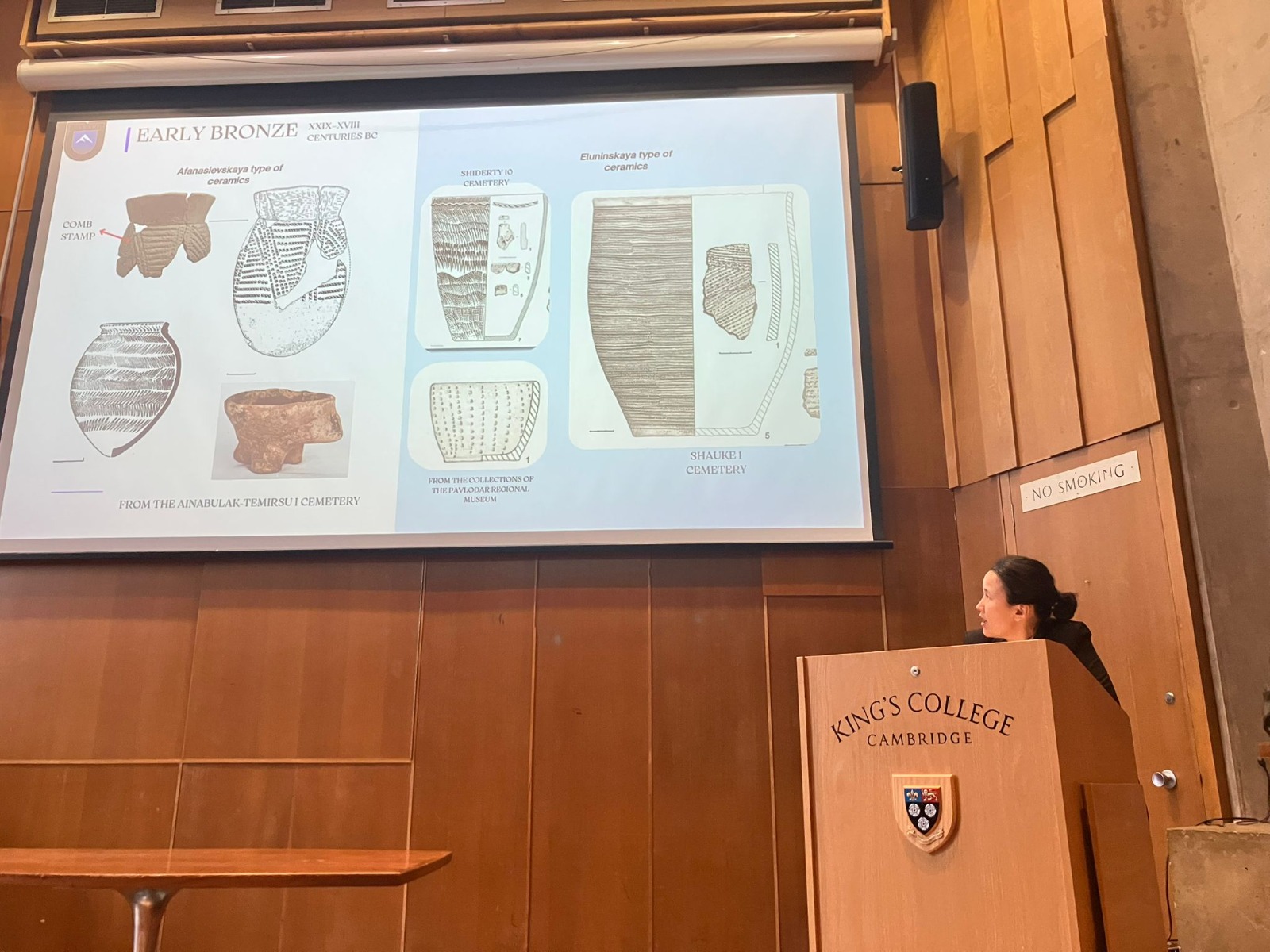
An important stage of the internship was the presentation of interim dissertation results at one of the world’s oldest intellectual centers — King’s College, University of Cambridge. During the academic seminar, Didar Shaimukhanova delivered a report entitled “The Evolution of Ceramic Production Standards in Eastern Kazakhstan: From the Early to the Late Bronze Age”, dedicated to the transformation of ceramic production standards in the region. The seminar included a discussion with British archaeologists on the continuity of technological traditions in the Great Steppe. Participants highlighted the uniqueness of archaeological sites in Eastern Kazakhstan and the high level of their modern scientific interpretation.