China’s Cultural Diplomacy in Kazakhstan: a New Research Project
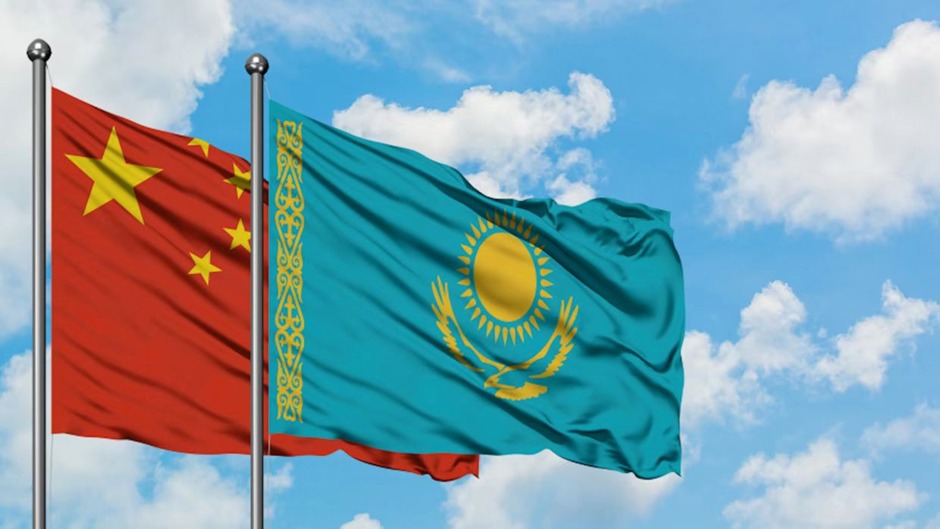
In the context of rapid globalization, cultural diplomacy has become an essential component of modern international relations. The development of global communication technologies, academic exchanges, and humanitarian cooperation has significantly increased the importance of cultural interaction between states. The concept of soft power is widely recognized as an effective mechanism through which countries can expand their international influence not through coercion but through cultural attractiveness, education, values, and information exchange.
In this regard, the study of China’s cultural diplomacy toward Kazakhstan represents an important and timely scientific direction. The research is conducted by scholars of the Al-Farabi Kazakh National University, contributing to the development of regional and international knowledge on cultural diplomacy and cross-cultural communication.
China’s soft power strategy is implemented through a wide range of instruments, including educational programs, language promotion initiatives, media communication channels, cultural events, scientific cooperation, and humanitarian projects. Among these instruments, the promotion of the Chinese language and culture plays a significant role in strengthening international academic and cultural ties. Cultural and educational institutions, such as language centers and cultural cooperation platforms, contribute to expanding China’s presence in international academic and social environments.
The main objective of the project is to investigate the intensity, mechanisms, and evolutionary characteristics of Chinese cultural diplomacy in Kazakhstan. Special attention is given to educational exchange programs, cultural outreach activities, and information dissemination strategies. The study also evaluates how Chinese cultural initiatives are perceived by Kazakhstani society and how these initiatives influence public opinion and social attitudes.
The research methodology is interdisciplinary, combining approaches from political science, sociology, oriental studies, cultural studies, and international relations theory. Historical-analytical methods are used to examine the development of China’s cultural diplomacy over time. Content analysis of official documents, media publications, and public communications is applied to identify dominant narratives and communication patterns.
Empirical research methods are also an important component of the project. A social experiment is conducted among young people aged 18–25, as youth populations are generally more open to cultural interaction and new information environments. Participants are divided into three groups depending on their level of exposure to Chinese cultural materials. The first group participates directly in cultural events, the second group interacts indirectly through informational materials such as videos and brochures, while the third group serves as a control group with no interaction.
The study aims to evaluate how different forms of cultural communication influence public perception of China. Pre- and post-experiment surveys are conducted to measure changes in trust, interest, and attitudes toward Chinese cultural diplomacy. The results are expected to provide insights into which communication formats are more effective in shaping public opinion.
Scientific novelty is one of the key characteristics of this project. Unlike many previous studies that focus primarily on economic or geopolitical aspects of China’s global influence, this research emphasizes the cultural dimension of bilateral relations between China and Kazakhstan. The project seeks to analyze how cultural diplomacy contributes to international cooperation while also identifying potential risks related to stereotype formation and social tension.
The practical significance of the project is associated with the development of policy recommendations for cultural cooperation management. The research results may be useful for governmental institutions, educational organizations, and cultural policy planners. By analyzing public perception and communication mechanisms, the study aims to propose balanced approaches to cultural interaction that can reduce negative stereotypes and promote mutual understanding.
In addition, the project contributes to the development of academic knowledge in international relations and cross-cultural communication. Publication of research results in peer-reviewed international journals indexed in Scopus and Web of Science databases is planned. The research outcomes will also be presented at international scientific conferences.
The study supports the strengthening of Kazakhstan’s cultural security, social stability, and educational development. By providing evidence-based recommendations, the project aims to promote sustainable cultural dialogue between Kazakhstan and China. The research findings are expected to contribute to the formation of balanced international cultural cooperation policies and enhance Kazakhstan’s role in regional intercultural communication.
Other news