- Main
- AL-FARABI NEWS LETTERS
- Al-Farabi University’s Eco-Innovations: New Technologies for Organic Waste Processing
Al-Farabi University’s Eco-Innovations: New Technologies for Organic Waste Processing
In the modern world, environmental safety and rational resource utilization are becoming increasingly important. The continuous growth of industrial and household waste places significant pressure on ecosystems and creates the need for innovative waste processing technologies. In this direction, scientific research is being conducted at Al-Farabi Kazakh National University, where advanced catalytic technologies are being studied for converting organic and carbon-containing waste into valuable energy resources.
The main objective of the research is to develop highly efficient technologies for processing organic industrial and domestic waste using multifunctional catalysts based on natural minerals and aluminum production by-products. This approach contributes to environmental protection, energy resource conservation, and the production of high value-added products.
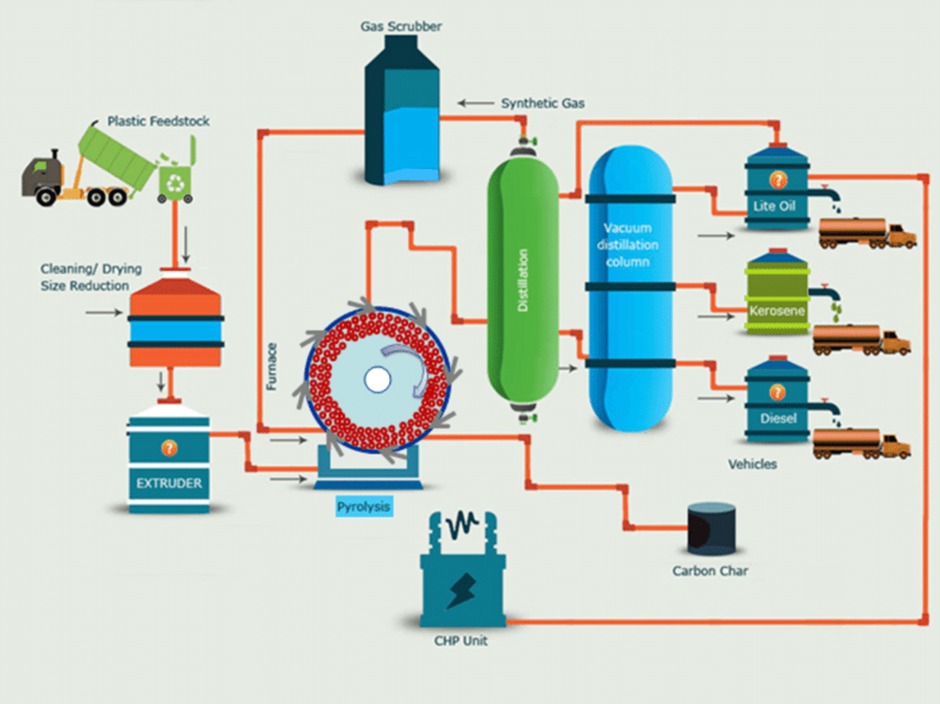
The scientific project focuses on methods for recycling carbon-containing waste, including used motor oils, worn automobile tires, and plastic materials. Improper disposal or burning of such waste poses serious environmental risks. For example, used motor oils may contain heavy metals and carcinogenic compounds, while plastics are highly resistant to biological degradation. Therefore, developing efficient recycling technologies is an important scientific and social challenge.
Special attention is given to improving catalytic pyrolysis technology. Catalyst supports are prepared using accessible materials such as natural aluminosilicates, zeolites, diatomites, and red mud, which is a by-product of aluminum production. These materials are modified with active metals to enhance chemical reaction efficiency.
During catalyst development, composite materials with multifunctional properties are synthesized. Such catalysts help reduce the energy consumption of the waste processing process and increase the yield of liquid fuel fractions. As a result, the research aims to obtain gasoline- and diesel-range fractions as well as other technically valuable products.
Modern physicochemical analysis methods are used in the research process. Infrared spectroscopy, X-ray phase analysis, electron microscopy, and mass spectrometry are applied to study structural and functional material properties. Additionally, the composition and quality of reaction products are determined using gas-liquid chromatography.
Experimental studies are conducted using specialized reactor systems. The process is performed at temperatures ranging from approximately 150°C to 450°C and pressures between 0.4 and 2.9 MPa. High-precision thermocouples are used to monitor internal reactor temperature. Catalyst preparation and activation processes are carried out according to scientifically justified regimes.
This research direction not only contributes to solving environmental problems but also improves the economic efficiency of production. Converting waste into energy products helps reduce costs associated with raw material extraction, transportation, and processing. The developed technologies may support job creation and attract highly qualified specialists.
The implementation of project results is aligned with the Green Economy concept of the Republic of Kazakhstan and the Sustainable Development Goals. Efficient waste recycling helps reduce harmful emissions into the atmosphere and improves environmental conditions in industrial regions.
Scientific ethics principles are strictly followed throughout the research. The results are planned to be published in internationally indexed scientific journals. To ensure result reliability, repeated experimental tests are performed. A comprehensive patent search is also conducted to prevent plagiarism.
This scientific work is carried out by researchers of Al-Farabi Kazakh National University, who are involved in the development of innovative catalytic materials and efficient waste processing technologies.
In conclusion, the development of catalytic technologies for carbon-containing waste processing is one of the important directions of modern science. This research promotes sustainable resource use, environmental protection, and the creation of new energy production technologies.
Other news