- Main
- The center of russian language and culture
- “The Role and Significance of the Russian Language in Central Asia”
“The Role and Significance of the Russian Language in Central Asia”
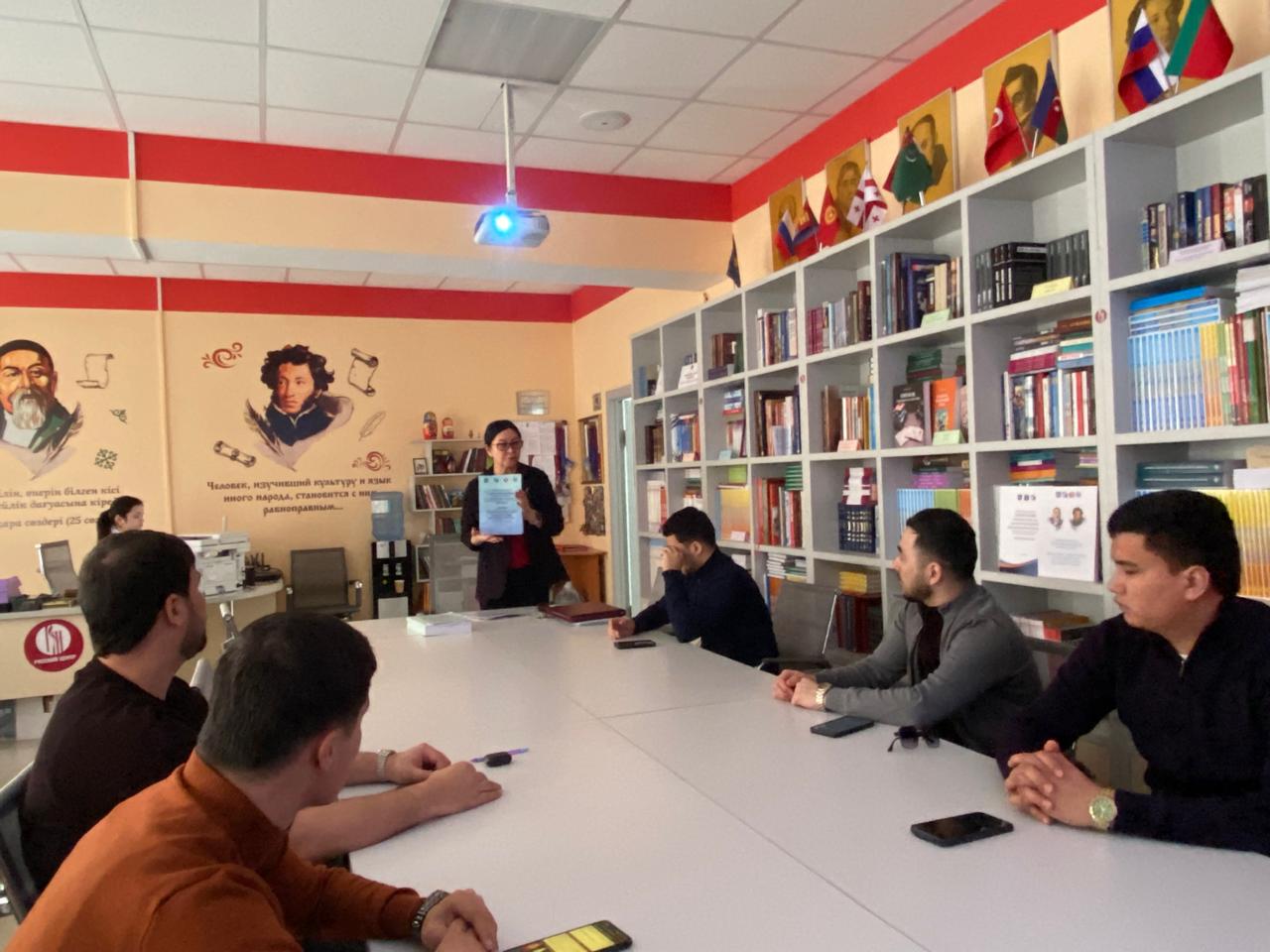
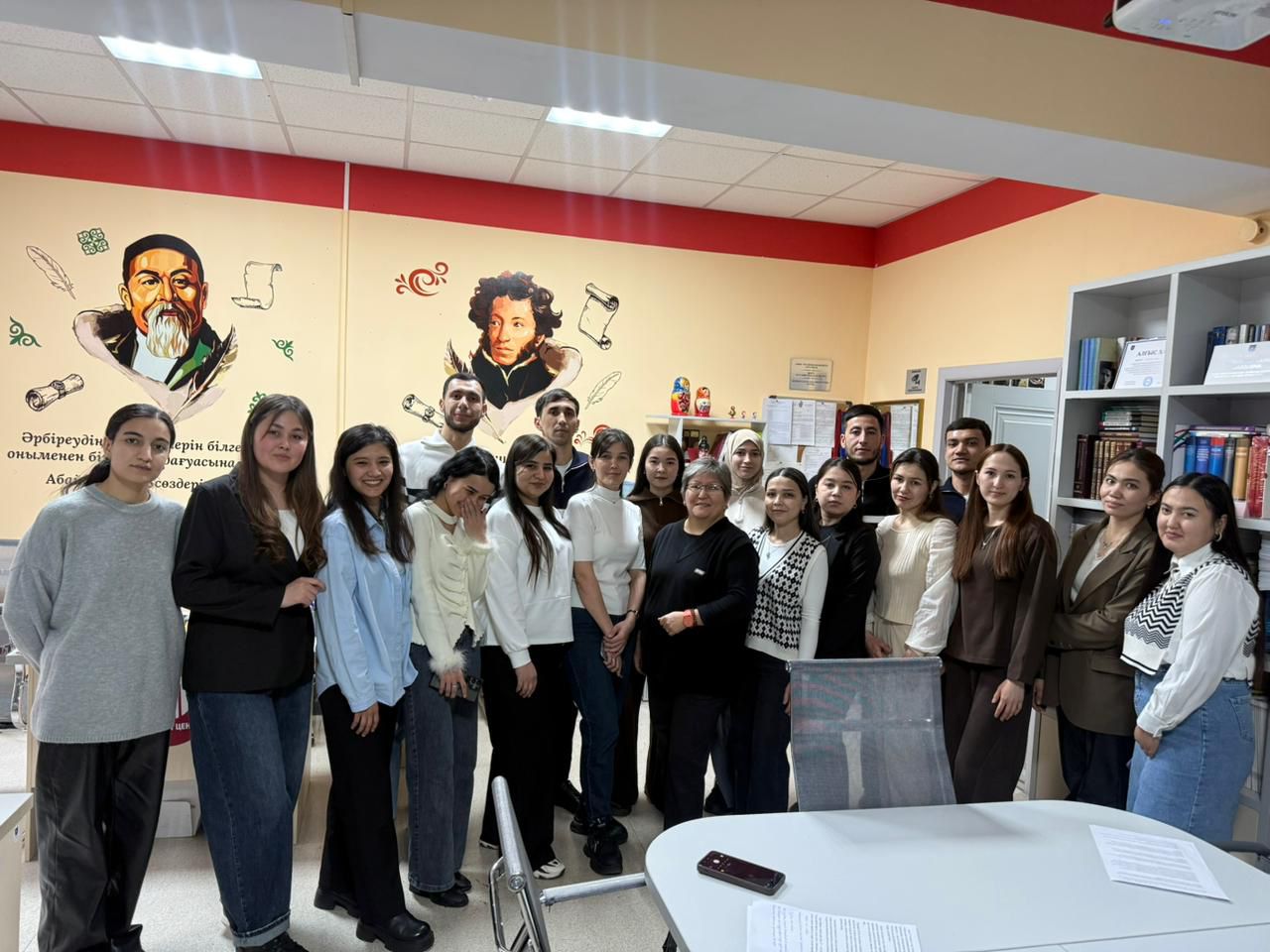
On February 23, 2026, at the Center for Intercultural Communication and World Languages of the Faculty of Philology of Al-Farabi Kazakh National University, an event titled “The Role and Significance of the Russian Language in Central Asia” was held as part of the International Day of Languages. The event brought together international students from countries of the Central Asian region.
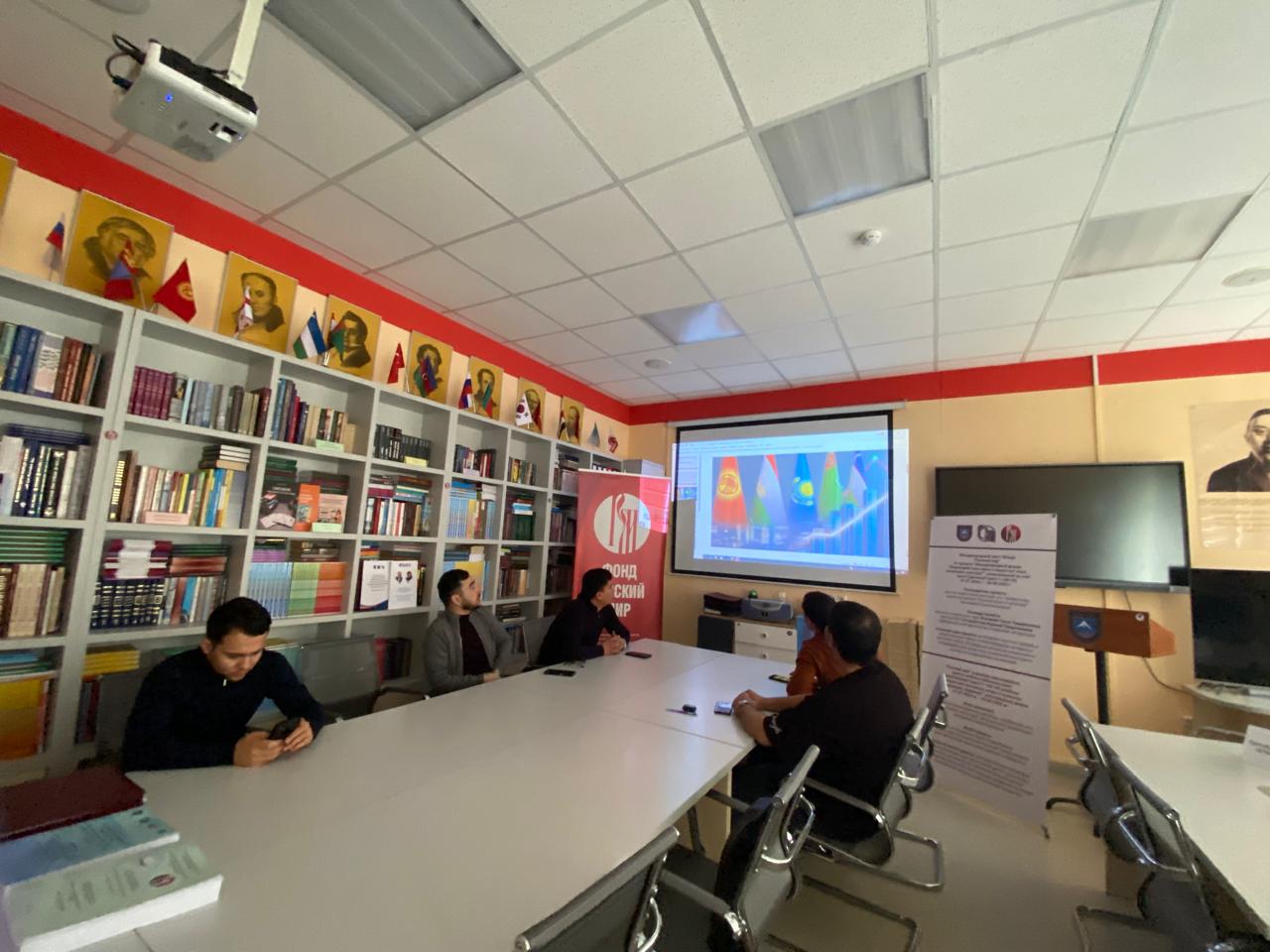
Students from Uzbekistan, Turkmenistan, Tajikistan, Kyrgyzstan, and Kazakhstan took part in the meeting. The event was conducted in an atmosphere of open dialogue and intercultural interaction.
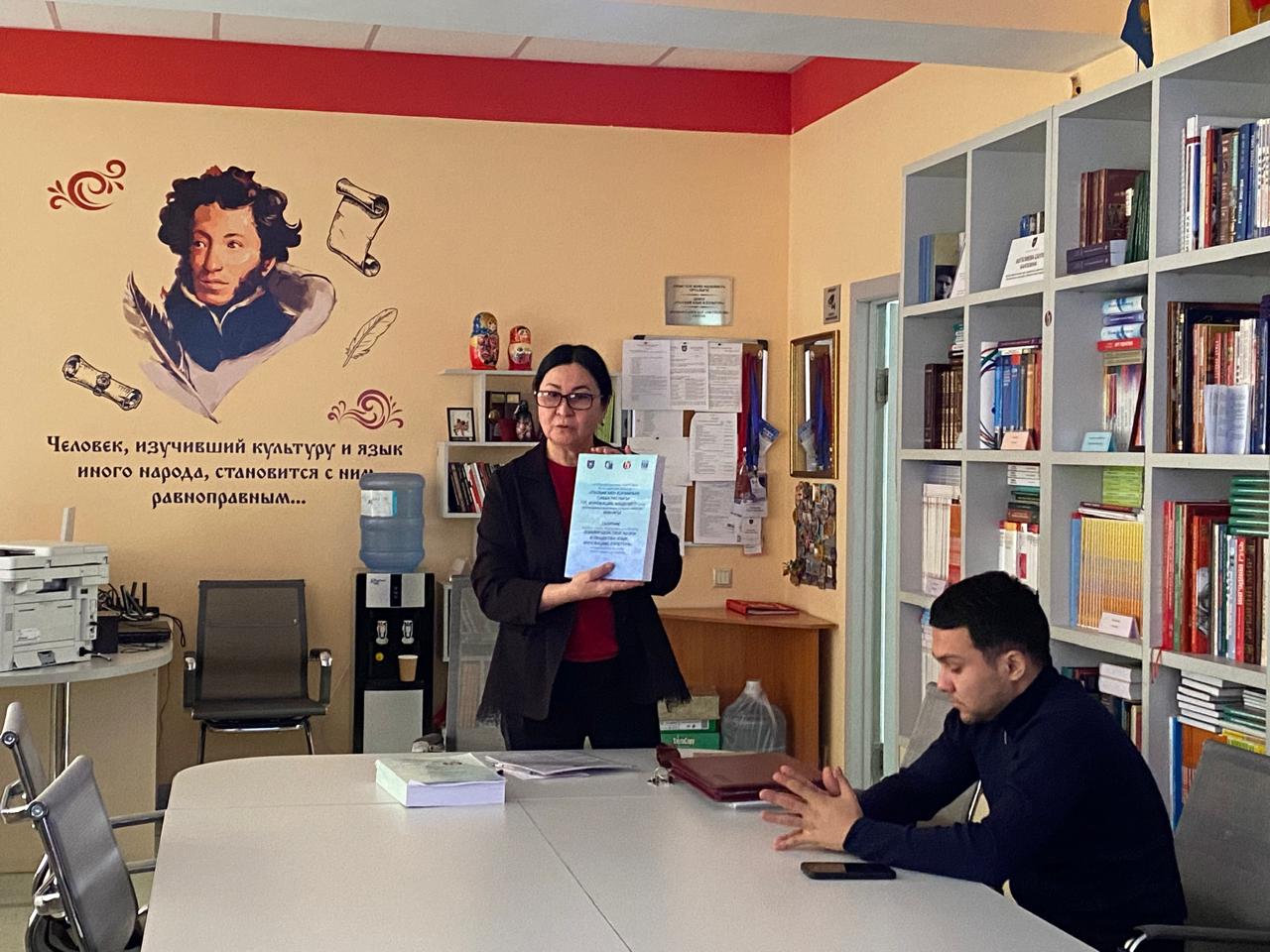
During the meeting, the following issues were discussed:
• historical prerequisites for the spread of the Russian language in the region;
• Russian as a means of interethnic communication;
• its role in the system of education, science, and professional communication;
• prospects for the functioning of the Russian language in the context of multilingualism and globalization.
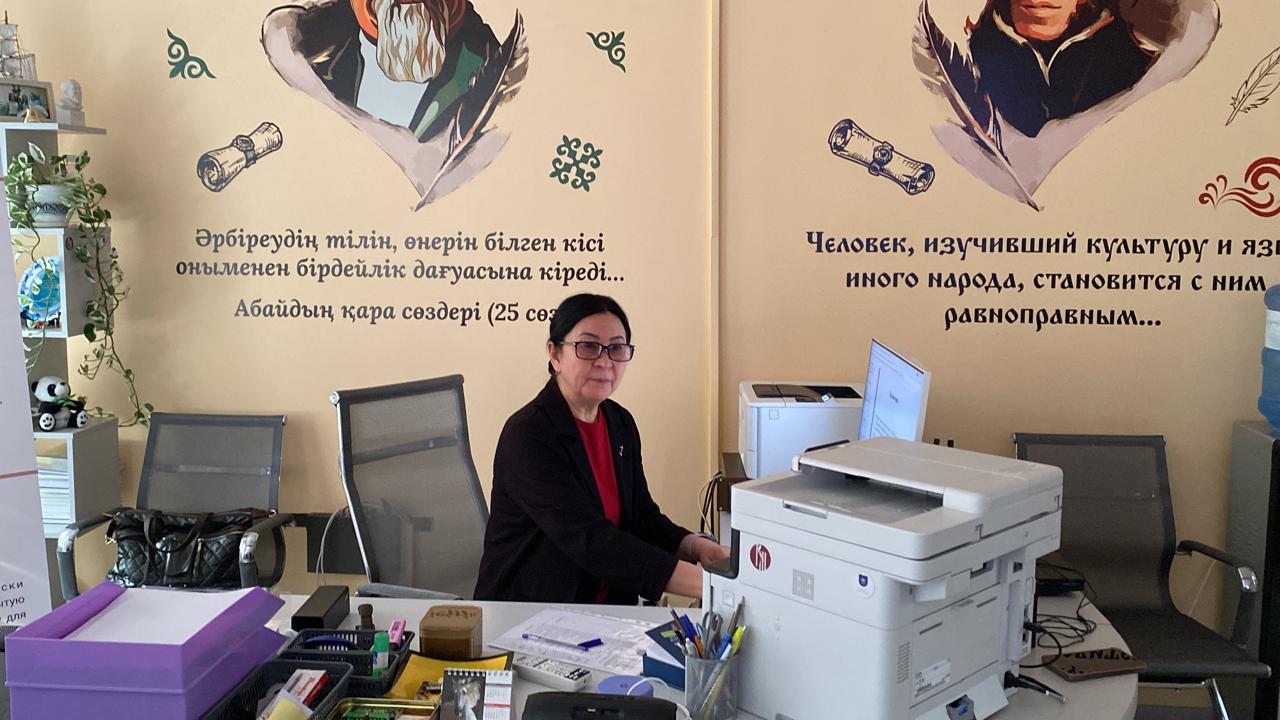
The students presented video presentations and reports on the status and functioning of the Russian language in their countries, emphasizing its importance as a language of education, science, culture, and business cooperation. Special attention was given to issues of bilingualism, language policy, and the preservation of cultural diversity amid active interlingual interaction.
The event contributed to the development of intercultural competence, the strengthening of academic ties, and the promotion of respect for linguistic and cultural diversity. The discussion demonstrated that the Russian language plays an important role in the educational and professional space of Central Asia, remaining a significant tool for dialogue and cooperation.
Holding such meetings within the framework of the International Day of Languages highlights the importance of linguistic diversity and promotes the strengthening of international educational cooperation.
Director of the Center — S. Begalieva.
Other news
.jpeg)