Strengthening Legal Awareness and Institutional Resilience: Preventing Student Misconduct
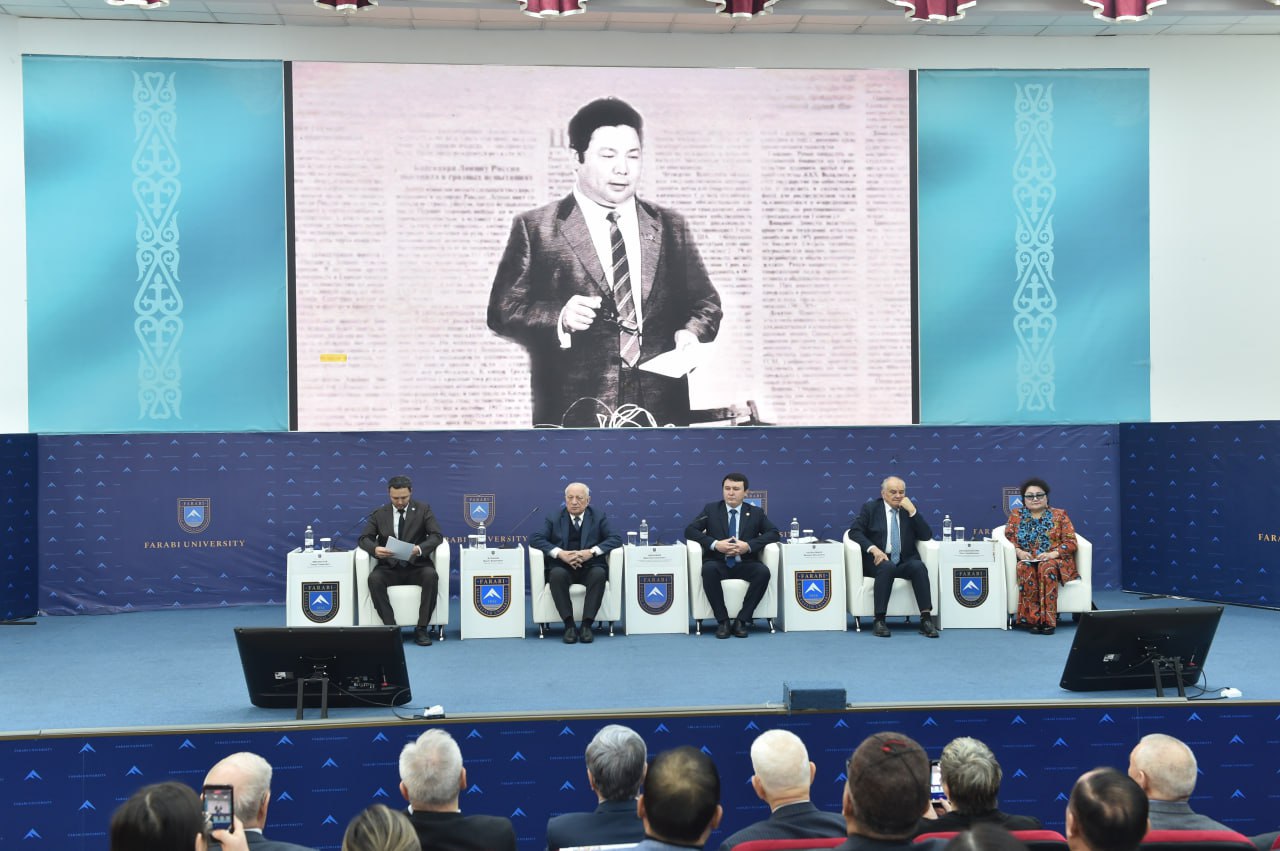
On February 27, 2026, the Faculty of History at Al-Farabi Kazakh National University (Room 402) hosted a significant event focused on the prevention of offenses and destructive political phenomena within the student community. This initiative is a vital component of the university’s comprehensive strategy to implement the United Nations Sustainable Development Goals (SDGs), specifically SDG 16: Peace, Justice, and Strong Institutions.
In an era of rapid global transformation, the university serves not only as a hub of academic excellence but also as a primary social institution responsible for shaping the civic identity and legal literacy of future leaders. The event, organized as an open curatorial hour and panel discussion, brought together students, faculty members, and legal experts.
Analyzing Destructive Phenomena and Legal Literacy The meeting focused on providing a deep understanding of destructive political movements and the mechanisms through which they influence the evolving legal consciousness of young people. Participants engaged in rigorous discussions regarding the risks of radicalization, the dissemination of extremist ideologies in digital spaces, and effective methods to counter manipulative technologies.
A significant emphasis was placed on the prevention of administrative and criminal offenses. Within the framework of the QS World University Rankings: Sustainability, which evaluates an institution’s impact on society, KazNU demonstrates strong performance in the "Social Impact" category. By organizing such proactive sessions, the university mitigates social risks and fosters a safe, inclusive environment for learning and personal growth.
Open Curatorial Hour: Innovative Educational Formats A cornerstone of the event was the open curatorial hour. Moving beyond traditional lecture formats, this session encouraged active dialogue and peer-to-peer engagement. Curators emphasized that legal consciousness begins with a profound understanding of individual responsibility toward society. The use of case studies allowed students to practically assess the legal consequences of various actions, bridging the gap between theory and civic duty.
For the QS Sustainability ranking, particularly the "Stewardship" lens (evaluating how institutions manage their community and resources), such events provide empirical evidence of the university’s commitment to monitoring and improving the campus social climate. We are not merely educating historians; we are cultivating resilient citizens capable of critical thinking and standing firm against external destructive challenges.
Conclusions and Strategic Outlook The event concluded with a set of recommendations aimed at further strengthening the synergy between the faculty administration and student self-governance bodies. The institutionalization of the rule of law and transparent governance at the faculty level directly correlates with achieving high scores in the QS Environmental and Social Impact indicators.
Al-Farabi Kazakh National University continues to solidify its status as a leading higher education institution in Central Asia by integrating global sustainability agendas into its daily educational and extracurricular practices. By investing in legal education and the moral resilience of our youth, we are building a safer and more sustainable future today.