- Main
- AL-FARABI NEWS LETTERS
- Scientists of Al-Farabi Kazakh National University are studying the role of the family in the social adaptation of deported peoples in the Turkestan region.
Scientists of Al-Farabi Kazakh National University are studying the role of the family in the social adaptation of deported peoples in the Turkestan region.
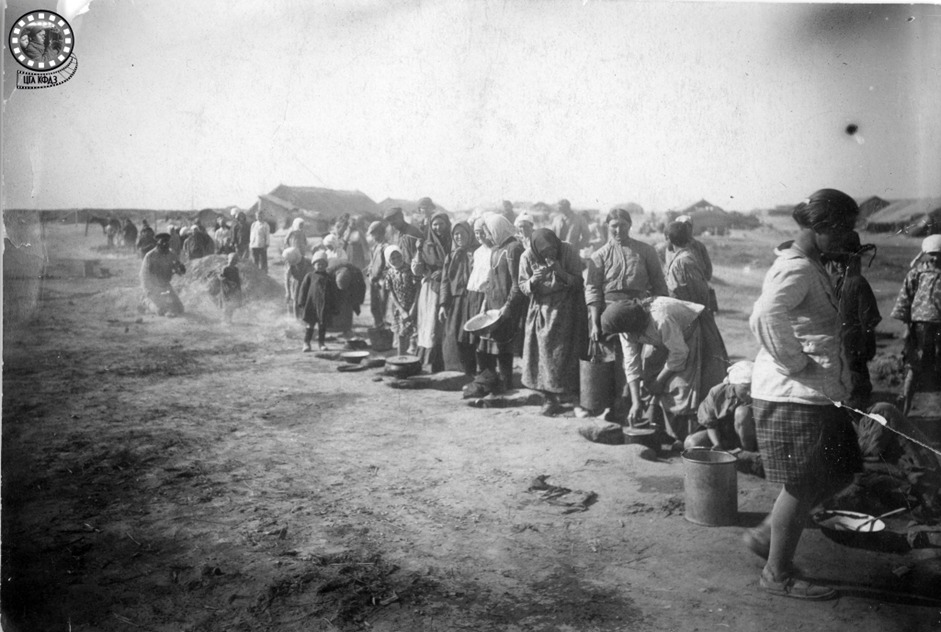
The history of Kazakhstan in the twentieth century is closely connected with the tragic period of political repression and mass deportations of various ethnic groups. These historical events significantly influenced the social, cultural, and demographic development of society. In the contemporary academic environment, special attention is given to studying the experience of deported populations and their social adaptation processes, particularly the role of family institutions in preserving cultural identity under difficult historical conditions.
This scientific research is devoted to the comprehensive study of the role of family structures in the social adaptation of deported peoples. The project is based on archival materials from the Turkestan region and focuses on the historical period of 1930–1950. The research is conducted by scholars associated with Kazakh National University named after al-Farabi, contributing to the development of historical and humanitarian knowledge in Kazakhstan.
Although many studies have examined Soviet deportation policies, the social adaptation of deported populations through the perspective of family history remains insufficiently explored. Daily life experiences, labor conditions, housing situations, and cultural preservation strategies of deported ethnic communities require deeper academic investigation.
The main objective of the project is to introduce new archival sources into scientific circulation related to the social adaptation of deported peoples in the Turkestan region during the 1930s–1950s and to conduct a comprehensive historical analysis of the collected materials.
The research methodology is interdisciplinary and combines historical, sociological, and comparative approaches. Archival documents, periodicals, audiovisual sources, memoirs of witnesses, and oral history interviews are used as primary research materials. The integration of multiple source types enables a more detailed reconstruction of the everyday life of deported populations.
Comparative historical analysis plays an important role in the study. The adaptation experiences of different ethnic groups are examined by identifying common patterns and distinctive characteristics. The research also considers the general laws of historical development and civilizational approaches to social transformation.
The theoretical foundation of the project is based on social history, family history, and everyday life history. Family is considered a multidimensional social institution functioning within legal, economic, political, and cultural environments.
The study applies structural-functional analysis, statistical methods, and historical-comparative techniques. Inductive and deductive reasoning are used to derive scientifically justified conclusions from empirical historical data.
A significant part of the research is devoted to archival material systematization. The project utilizes documents from state archives of the Turkestan region, including regional and city archives such as Saryagash, Zhetysay, Kentau, Lenger, and Arys. Many archival sources used in the research have not been previously introduced into academic circulation.
Scientific novelty lies in the investigation of previously unexplored archival documents related to the history of deported peoples in the Turkestan region. The project provides a new academic assessment of deportation policies implemented during the 1930s–1950s.
The research also examines the social consequences of Soviet political repression. Special attention is paid to labor utilization of deported populations in industrial and agricultural sectors, as well as the living conditions of women and adolescents under forced migration.
An important aspect of the study is the analysis of family survival strategies, psychological resilience mechanisms, and cultural identity preservation among deported communities. The role of mothers and family members in maintaining social stability is considered particularly significant.
The practical importance of the project is related to the development of ethnic cultural centers, improvement of the activities of the Assembly of People of Kazakhstan, and scientific support for gender policy development. The research findings can also be applied in museum education and public history initiatives.
The study takes into account both domestic and international historiographical traditions. Comparative analysis of Russian and foreign research works on deportation history is conducted.
One of the expected outcomes of the project is the preparation of a collective monograph dedicated to the history of deported peoples in the Turkestan region and their social adaptation processes.
High standards of scientific ethics are strictly observed during the research process. Data falsification, plagiarism, and improper authorship practices are prohibited. All scientific results are prepared in accordance with academic integrity principles.
The project is scheduled for implementation during 2025–2027. Research findings are planned to be published in peer-reviewed international scientific journals. All results will be protected under the intellectual property legislation of the Republic of Kazakhstan.
In conclusion, the study of the role of family in the social adaptation of deported populations represents an important scientific and social task. The project contributes to strengthening historical consciousness, promoting interethnic harmony, and applying historical experience for sustainable national development.
Other news