- Main
- News
- Open Advisory Hour: "Student Life: Effective Time Management" in line with UN SDG 4 "Quality Education"
Open Advisory Hour: "Student Life: Effective Time Management" in line with UN SDG 4 "Quality Education"
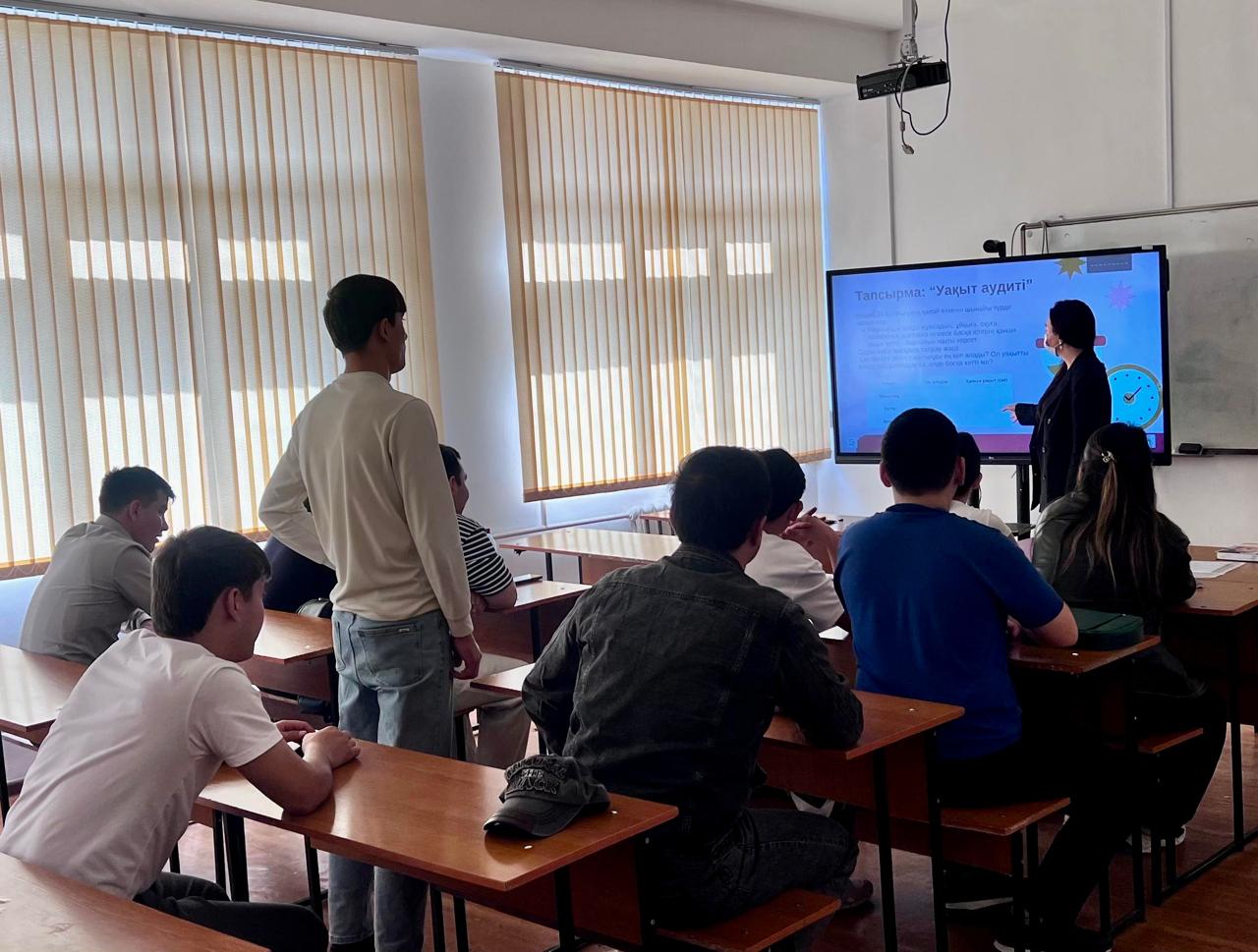
On March 31, 2026, as part of her teaching internship, Akbota Rakhishova, a first-year master's student in the educational program "7M05119-Reproductive Genetics," organized and conducted an open advisory session on "Student Life: Effective Time Management" for the second-year bachelor students, group 24-05, EP "6B05105-Genetics." This session was a timely response to the demands of the modern educational environment, in which the ability to rationally manage time and effectively organize one's activities is a key factor in academic and professional success.
The relevance of this topic is due to the high academic workload, the need to combine academic, research, and personal activities, and the fast pace of modern life. With the digitalization of education and the widespread use of information technology, students are faced with a large volume of information and numerous distractions, making time management skills especially in demand. For future geneticists working on research projects, laboratory research, and data analysis, effective time management is an essential component of professional competence.
The main goal of the lesson was to develop students' skills in effective planning and time management, increase their level of personal responsibility, and develop their ability to rationally distribute their study load and maintain a balance between their studies and personal life. The lesson covered key time management principles, including goal setting, prioritization, task planning, and the use of modern tools (to-do lists, time blocking, and the Pomodoro technique).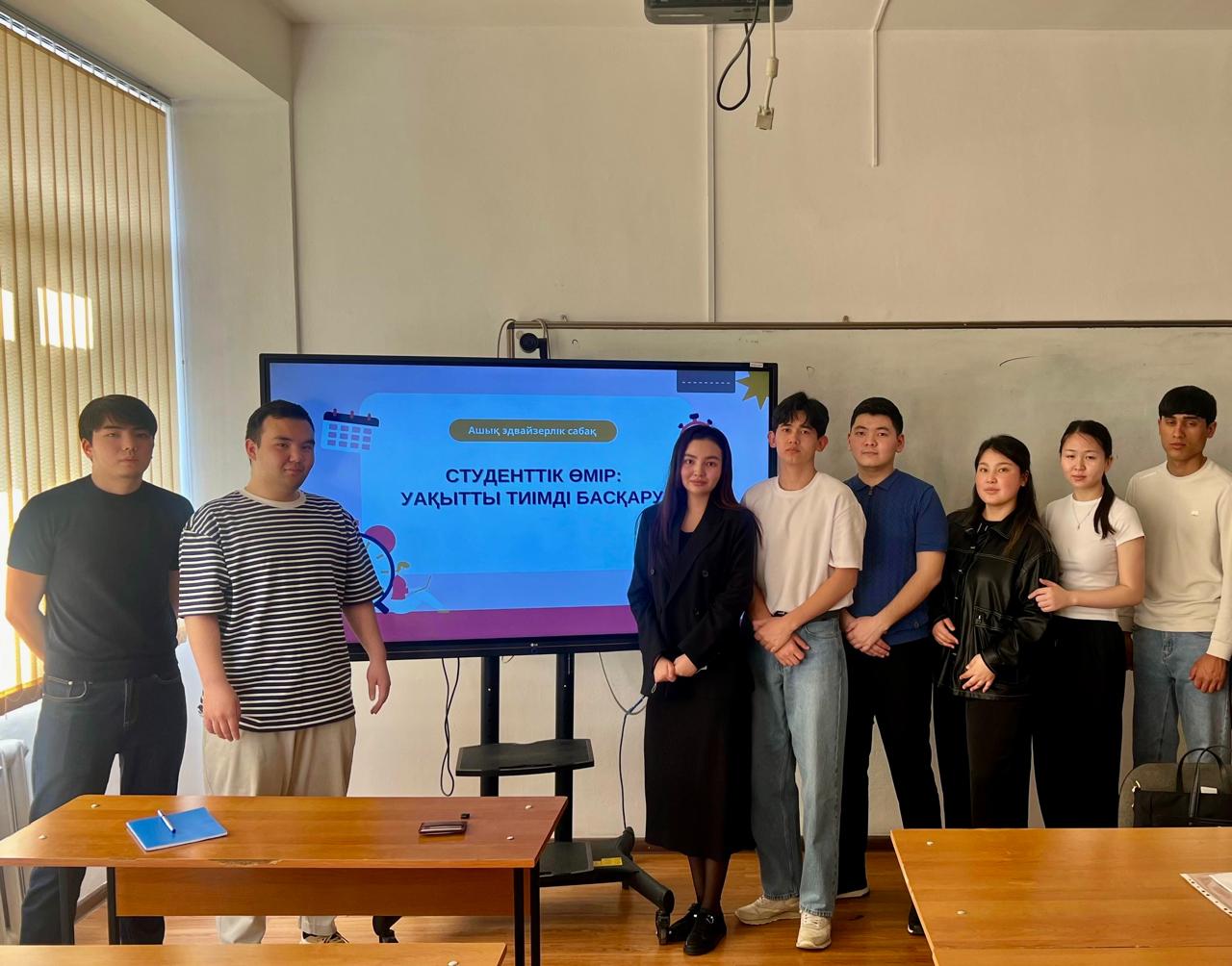
Particular attention was paid to factors that reduce productivity, such as procrastination, poor time management, and excessive social media use. Practical recommendations were offered for improving concentration, reducing stress, and optimizing the learning process. Through the interactive format of the lesson, students actively participated in the discussion, analyzed their own habits, created personal daily and weekly plans, and modeled effective time management strategies. The event's results demonstrate that the stated objectives were successfully achieved. The lesson contributed significantly to the students' development of self-management skills, fostering a responsible approach to time management, and enhancing their academic performance. The event aligns with UN SDG 4 "Quality Education," helping students develop key competencies necessary for successful academic and professional performance in today's society.
Department of Molecular Biology and Genetics
Supervisor of Pedagogical Internship:
c.b.s., Senior Lecturer Sh. M. Yrgynbaeva
Other news