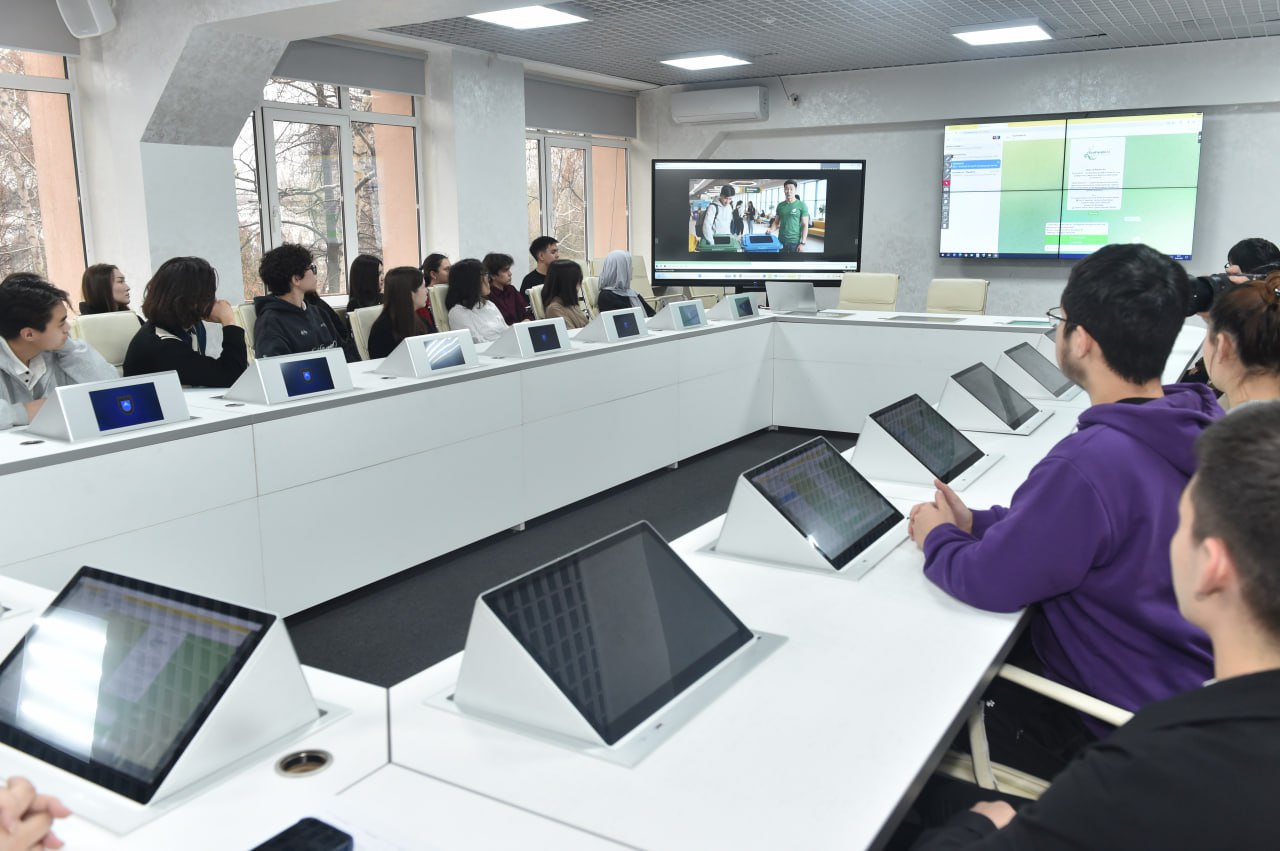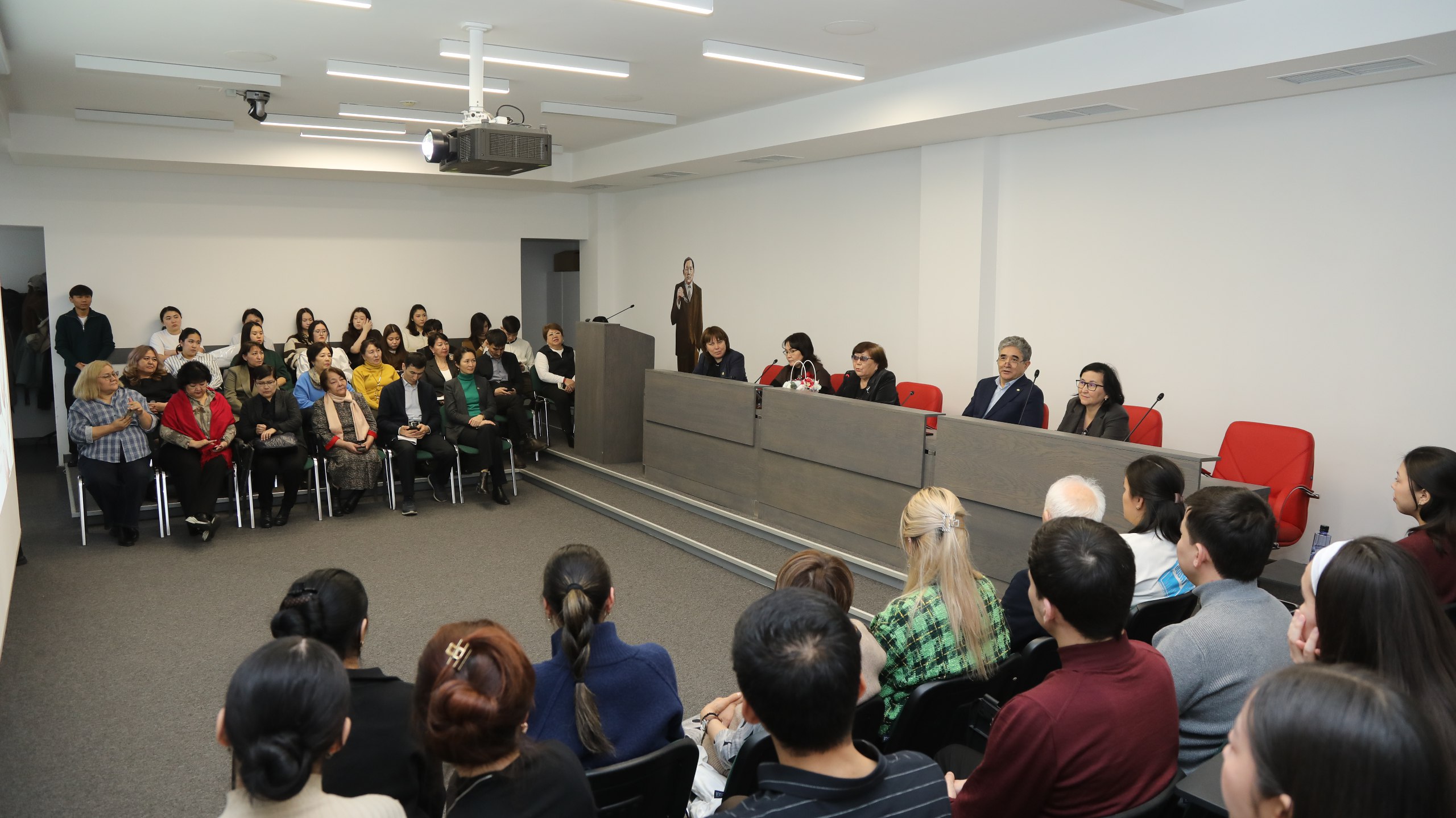
The VI International Scientific and Methodological Conference on Artificial Intelligence in Education: Challenges and Evolution was held within the framework of the United Nations SDG 17 – Partnership for Sustainable Development and 4 – Quality Education. The event was organized by the Department of Foreign Languages of the Faculty of Philology, under the leadership of the head of the Department of Foreign Languages D.Zh.Dosmagambetova
The main experts of the international event were: Theo Moitaba Ammari– PhD, Associate Professor of Mathematics and Data Science at Emirates Aviation University (Dubai, UAE); Angela Popovich, ESL specialist, representative of the University of California at San Diego (USA); Monica Olga Finelli, data analyst and Software Product Manager at Americor (USA); Nelly Asmatullayeva – Training Improvement Designer at the Nelson Marlborough Institute of Technology (New Zealand); Christopher Korten – Professor at Adam Mickiewicz University (Poznan, Poland); Bora Demir is an associate Professor, Doctor of Canakkale University Onsekiz Mart (Turkey); Paula Orzechowska is a professor at Adam Mickiewicz University (Poznan, Poland).
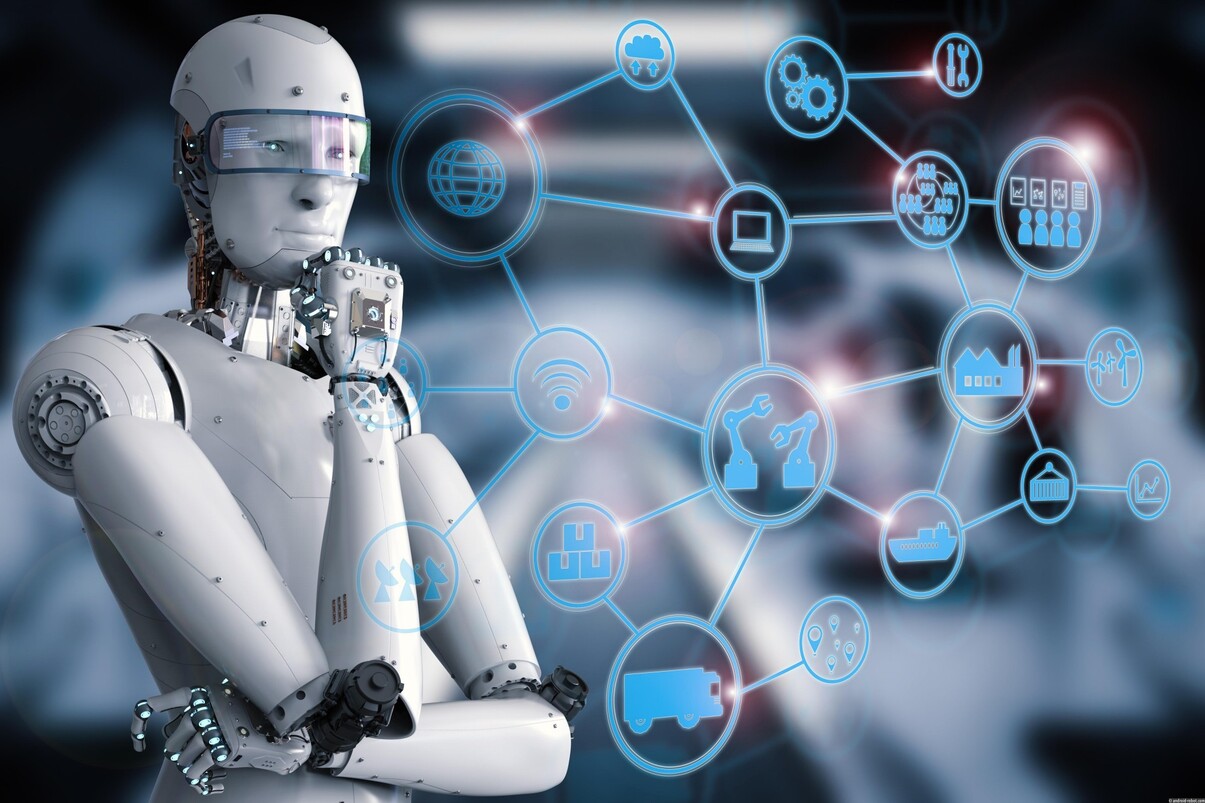
In recent decades, artificial intelligence has become an integral part of many areas of human activity, including education. The use of artificial intelligence in teaching opens up new opportunities for improving the educational process. Personalized programs, speech recognition and natural language processing systems, as well as automatic translation help students learn the language more effectively and develop communication skills.
President of the Republic of Kazakhstan Kassym-Jomart Tokayev, at the fourth meeting of the National Kurultai, held on March 14, 2025 in Borovoye, Akmola region, in his speech noted four directions, among them: digitalization and artificial intelligence, which are key factors paving the way for sustainable development of Kazakhstan in the new world.
In teaching foreign languages, AI allows you to personalize the educational process, taking into account the characteristics and needs of each student. In the future, with the development of AI technologies, we can expect even more innovative solutions that will help make learning accessible and effective for everyone. At the same time, all the speakers also noted that it is important to keep in mind the risks and challenges associated with the use of artificial intelligence in education, namely, the ethical aspects of ensuring fairness, durability and safety of learning.
In addition to experienced researchers, scientists, professors and teachers from Kazakhstan and abroad, the conference was attended by young scientists and undergraduates who received support and the opportunity to familiarize all participants with their works and presentations.
Arai UTEBEKOVA,
Aizhan MULDAGALIEVA
Department of Foreign Languages