How to solve the environmental legal problem
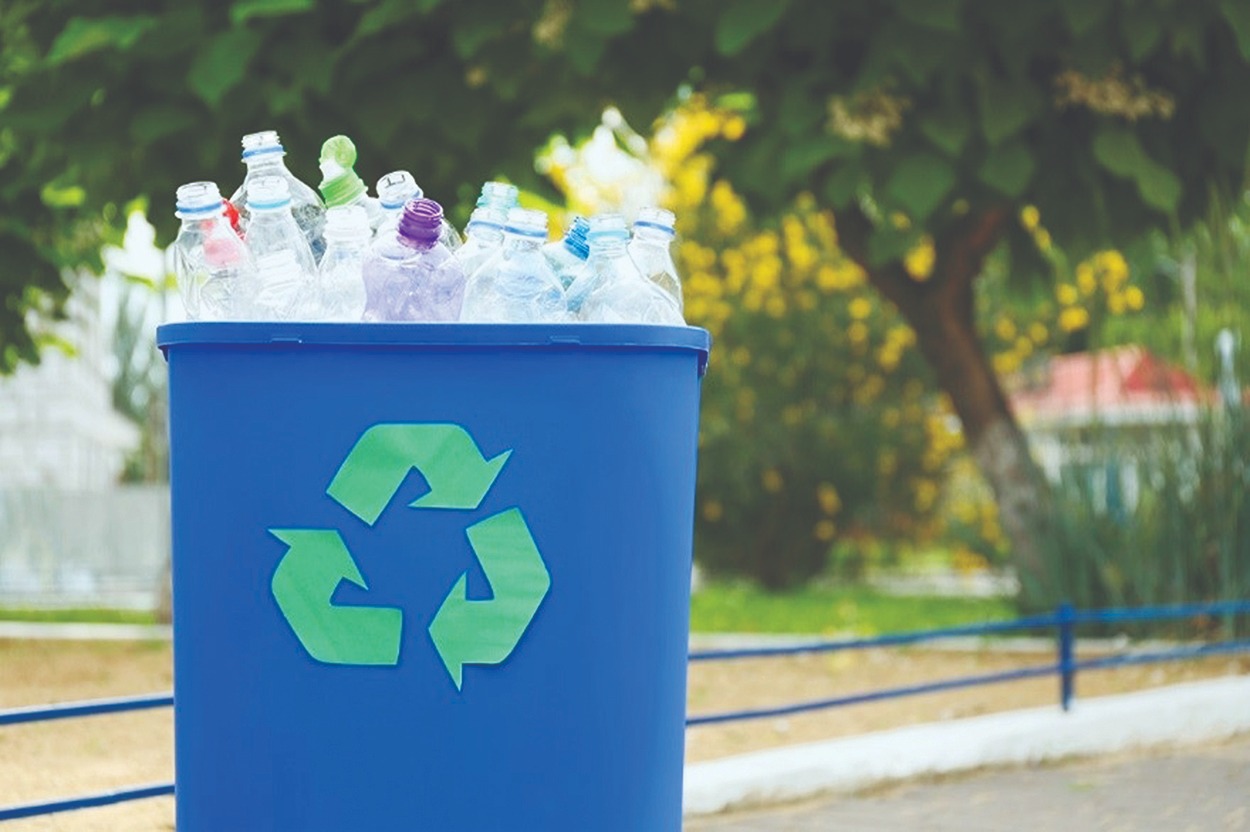
In the world, 1 million plastic bottles are purchased every minute. And every year, 5 trillion single-use polyethylene bags are used. The most common types of plastic waste we produce daily are disposable tableware, bags, packaging, plastic bottles, and various containers. Plastic causes significant harm to the environment: during its production, up to 400 million tons of carbon dioxide are emitted into the atmosphere annually.
What can we do to protect the environment? In my opinion, the answer is to start collecting plastic waste and sending it for further recycling. Here, let us consider the plastic recycling process in more detail; the process itself can be divided into several stages. The first – raw material collection. Plastic is a good raw material for producing many products. It is used to make bottles, cans, bags, containers, plastic pipes, credit cards, disposable tableware, etc. The second – sorting. This is the initial stage of plastic waste recycling. It is carried out according to the following criteria: the color, labeling, and content of various resins. The third – grinding. After the sorting stage, the grinding process occurs. Plastic waste is divided by type, and plastic bottles are divided into flakes. The fourth – cleaning. At this stage, plastic flakes are cleaned from contamination, adhered dirt, adhesive residues, or other foreign substances. In addition, impurities such as thermal labels, glue, food residues, and insects are removed. Cleaning is carried out in several stages of washing using special equipment. The fifth – pulverization. The main purpose of this process is to reduce the load for further processing and increase the amount of plastic secondary raw material. Grinding is carried out until the flakes are in flex form. Also, at this stage, the final cleaning of the flakes takes place. The process is carried out using analyzers and magnetic equipment that capture all types of impurities remaining after the cleaning stage. The sixth – quality sorting. At this stage, particles are sorted according to quality grade. To check density, the particles are immersed in water. High-density particles sink to the bottom, while the remaining ones stay on the surface. Then, sorting by size is carried out in the air duct: large pieces descend, and small ones rise. This stage helps determine the quality of the obtained flakes. The seventh – melting. The final stage of plastic waste recycling. Here, the dried flakes are melted. This process has several features: the flakes are immediately poured into a new shape or processed into pellets for later use. Later, the finished product can be made from these pellets. During melting, special equipment and a certain temperature are used to prevent particle destruction.
In general, nowadays, there are various solutions for improving ecology. For example, ECOSEN collection departments operate in cities of Kazakhstan. From my own experience, I recently visited this recycling department. In my family, we give waste, including bottles, paper, etc., for recycling. The ECOSEN system is very effective because we not only send waste for processing but, as a result, can receive bags and bottles made from eco-products. This gives great motivation to interact with this system. In general, we need not only to protect the environment but also to cherish it, and we should not only participate in such campaigns and events ourselves but also guide the younger generation to make the right decisions and contribute to the flourishing of nature. Implementing SDG 17 is a guarantee of our bright future. Similarly, I believe I contributed to the environment in terms of goal 13, namely “Take urgent action to combat climate change and its impacts.”
In conclusion, in the future, we must not harm ourselves or the environment. This small step is the basis for feeling responsibility and allows our generation to enjoy a green planet. On the other hand, you can install a container at your home, which helps recycle consumer products and teaches the whole family the right knowledge, changing the consciousness of people around you. Let us all cherish Mother Earth together.
Merey BEYSETBAY,
Senior Lecturer
Department of State and Law Theory and History, Constitutional and Administrative Law
Ernur ONDASHULY,
3rd-year student