India and Kazakhstan: history and prospects of relations
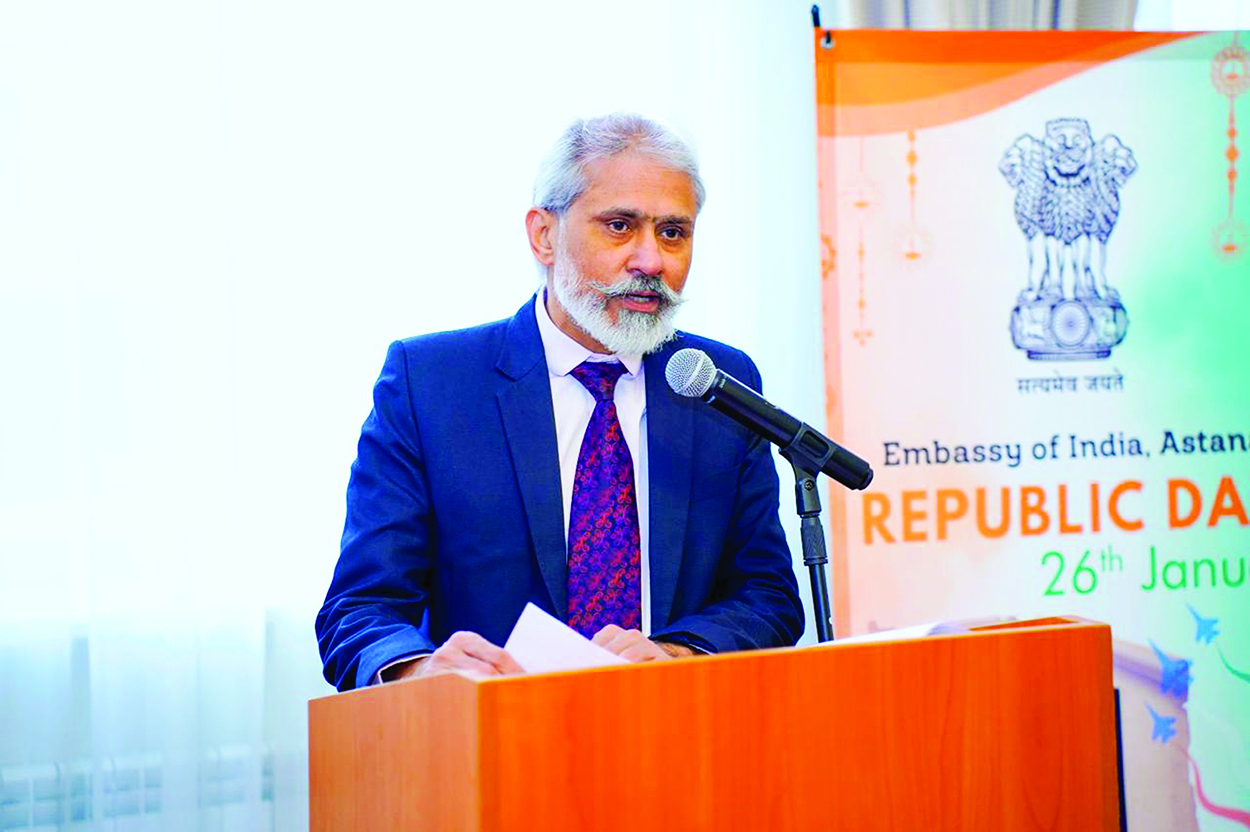
Brief about Sanjay Vedi
Sanjay Vedi has been working with the Indian Council for Cultural Relations (Ministry of External Affairs) since 1991 and has vast experience in the field of cultural diplomacy. He has been handling important assignment and international projects throughout his career with ICCR, including serving as Director, Swami Vivekananda Cultural Centre, Embassy of India, Astana, Kazakhstan during February 2022 to March 2025 and Deputy/Director, Jawaharlal Nehru Cultural Centre, Embassy of India, Moscow, Russia during March 2009 to January 2015. During his tenure in Astana, he took a few initiatives not only to enhance presence of Indian culture in Kazakhstan but also the presence of Kazakh culture in India.
– What languages do you speak? Do you study the language of the country where you work?
– India is a diverse country in terms of languages. Several languages are spoken by the people of India. Most of the Indian people speak Hindi and English in addition to their respective native language. I speak Punjabi as my native language. Additionally, I speak Hindi and English, which I studied during my School and University education. As a result of working in Russia and Kazakhstan, I also became somewhat acquainted with Russian and Kazakh.
– In which countries did you carry out diplomatic activities before Kazakhstan?
– While working in ICCR, I have been involved in activities around the world promoting India’s cultural relations, especially running of Indian cultural centers abroad, celebration of International Day of Yoga across the globe, scholarships to foreign students to study in India, exchange of performing art groups, establishment of Chairs of India Studies abroad in prominent universities, international conferences/seminars and so on. In addition to Kazakhstan, I had earlier worked in Russia as Deputy Director/Acting Director of the Jawaharlal Nehru Cultural Centre under the Embassy of India in Moscow.
– What do you see as your mission as the Director of the Swami Vivekananda Cultural Center (SVCC)?
– As Director of the Swami Vivekananda Cultural Centre, my main mission has been to develop people to people connect through various activities with the guidance of Ambassador of India. My mission as Director, SVCC includes developing cooperation among Indian and Kazakh academic institutions, cooperation among Kazakh and Indian cultural institutions, facilitating exchanges in the fields of culture and education, organizing academic seminars, organizing Indian concerts by Kazakh artistes in India and by the artistes from India in Kazakhstan, facilitating visits by Kazakh performing art groups to give presentations at the cultural festivals held in India, celebration of International Day of Yoga and other Yoga related activities throughout Kazakhstan, participation in Kazakh Festivals, celebration of Indian festivals and anniversaries, celebration of national days of India, holding classes of Indian dance and music, holding concerts and masterclasses not only in Astana, but across the country, scholarships to Kazakh students to study in India and so on. During my sojourn in Kazakhstan, I had the opportunity to travel to different cities for interaction with local authorities, academic institutions, cultural institutions, performing and visual artistes, Yoga practitioners, Indian students, media persons etc.
– What impression did you get of Kazakhstan, its people, its culture?
– Since the day of my arrival, I fell in love with Kazakhstan. The people of Kazakhstan are warm and hospitable. While keeping the values of rich traditions of their own culture intact, Kazakh people are very appreciative and receptive to cultures of other countries. They make foreigners feel welcome and comfortable in Kazakhstan. Kazakh people have great values for humanity and brotherhood. Family bond is very strong among Kazakh people. Kazakh culture is very rich and vibrant in terms of festivals, cuisine, dance, music, visual art and attire.
– Our countries are separated by thousands of kilometers and thousands of cultural differences: in traditions, clothes, food, etc. Have you noticed anything in common between Indian and Kazakh cultures?
– Both India and Kazakhstan have rich cultural traditions since centuries. There are a number of commonalities in both cultures such as strong belief in unity in diversity, friendliness, brotherhood, hospitality, family values, folk art traditions, common words in language, grand festivities, rich ceremonies for important occasions such as the birth of a child and weddings and so on.
– You often met with teachers and students studying Hindi at the Indian Studies Department of the Al-Farabi KazNU and held many joint events. What can you say about this aspect of your work?
– Academic interaction with Kazakh institutions has been one of the significant aspects of my role as Director, SVCC. Cooperation with Al-Farabi Kazakh National University has always been my priority as this is the only Kazakh institution that provides the opportunity to Kazakh students to study various aspects of Indian culture, history, philosophy, languages etc. Teachers of Indian Studies Department have vast experience of research and teaching. Teachers of Indian Studies Department interact regularly with their Indian counterparts in various Indian institutions and remain updated with subject related to Indian Studies and participate in academic activities. Students of Indian Studies Department are very talented and quick learners. Apart from academic activities, they are equally talented in cultural presentations, like poetry, dance, music, fashion etc. Students are keen to learn Hindi language and avail the opportunities to visit India to undergo special orientation courses to gain first-hand knowledge of Indian culture from the people of India. It was only with the support of the Al-Farabi Kazakh National University, that the first International Regional Hindi Conference could be organized jointly by the Al-Farabi and SVCC. This Conference proved to be a milestone in the India-Kazakh academic cooperation in as much as scholars from India, Kazakhstan and the CIS came together at one platform and deliberated upon the important issues related to linguistics and Hindi language. Tremendous efforts were made by the faculty members of Al-Farabi Kazakh National University especially Dr. Zaure Iskakova, Dr. Dariga Kokeyeva, Dr. Bota Bokuleva, Dr. Symbat Ismagulova, Dr. Meruyert Pernekulova, Dr.Kenzhebek Gabdullin, Dr. Almas Yeslyamgariyev and Dr. Shynar Kanafiyeva. Both Ambassador of India and the Rector of the Al-Farabi Kazakh National University addressed the delegates at the Plenary Session to set the agenda of the Conference. Students at the University also participated actively in the Conference.
– We know that you have a hectic schedule. Still, maybe you have some hobbies. What do you like to do in your free time? How do you prefer to spend time apart from work?
– Due to my hectic schedule in Kazakhstan, I hardly get time to pursue my hobbies on a regular basis. However, I have been able to practice Yoga during my stay in Kazakhstan. I also had the opportunity to enjoy bowling with my Kazakh friends. I was fortunate to enjoy horse-riding in Astana on some occasions. For my hobby to know about Kazakh culture, I was fortunate to attend a few Kazakh weddings and some other ceremonies and the festive spirit of Nauryz.
– Thank you very much for taking the time to speak with us, Mr. Vedi.
We wish you success in your diplomatic service and prosperity for the people of India.
Interviewed by
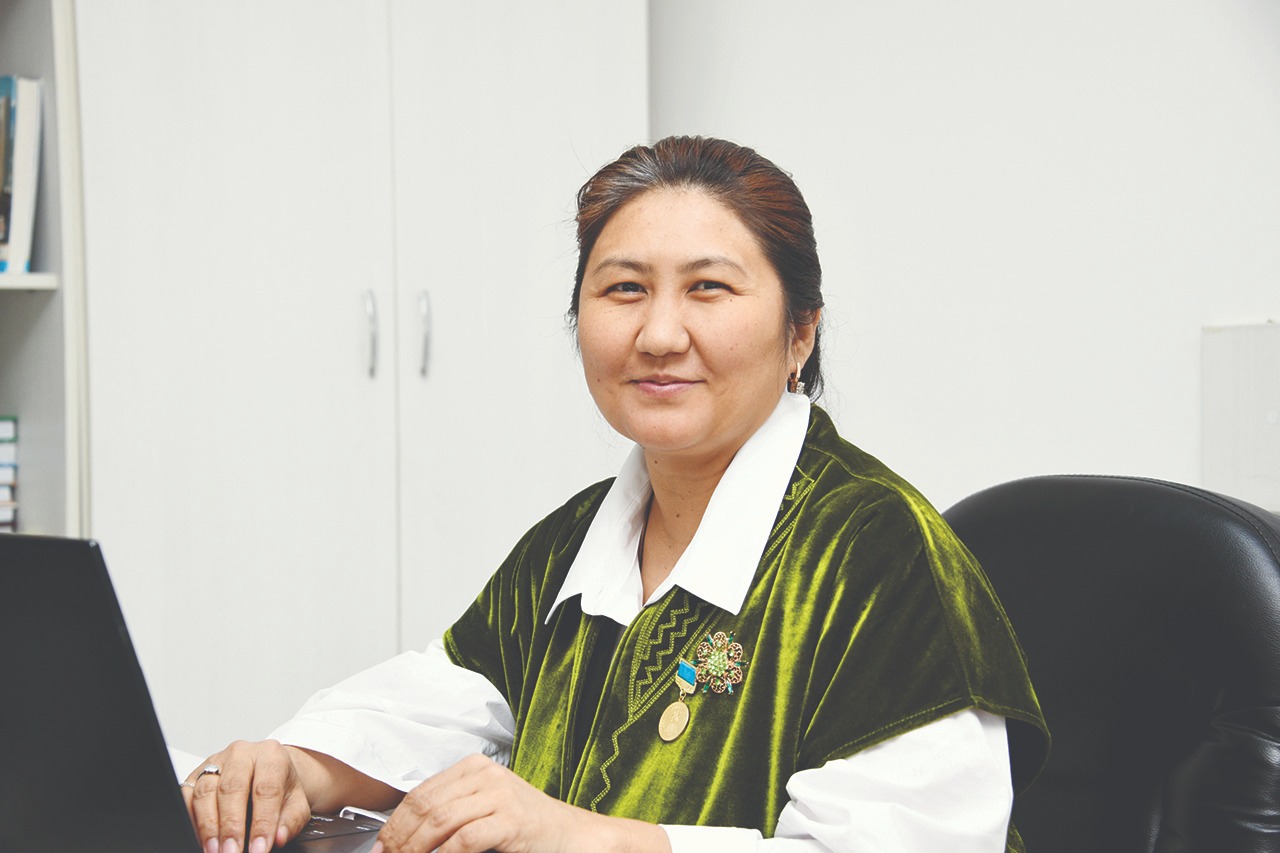
Dr.Dariga Kokeyeva,
Head of the Middle East and South Asia Department
Oriental Studies Faculty