- Main
- News
- PLENARY SESSION AND WORK OF THE CONFERENCE SECTIONS “ CHALLENGES AND PROSPECTS FOR BIODIVERSITY CONSERVATION IN CENTRAL ASIA” 06.11.2025
PLENARY SESSION AND WORK OF THE CONFERENCE SECTIONS “ CHALLENGES AND PROSPECTS FOR BIODIVERSITY CONSERVATION IN CENTRAL ASIA” 06.11.2025
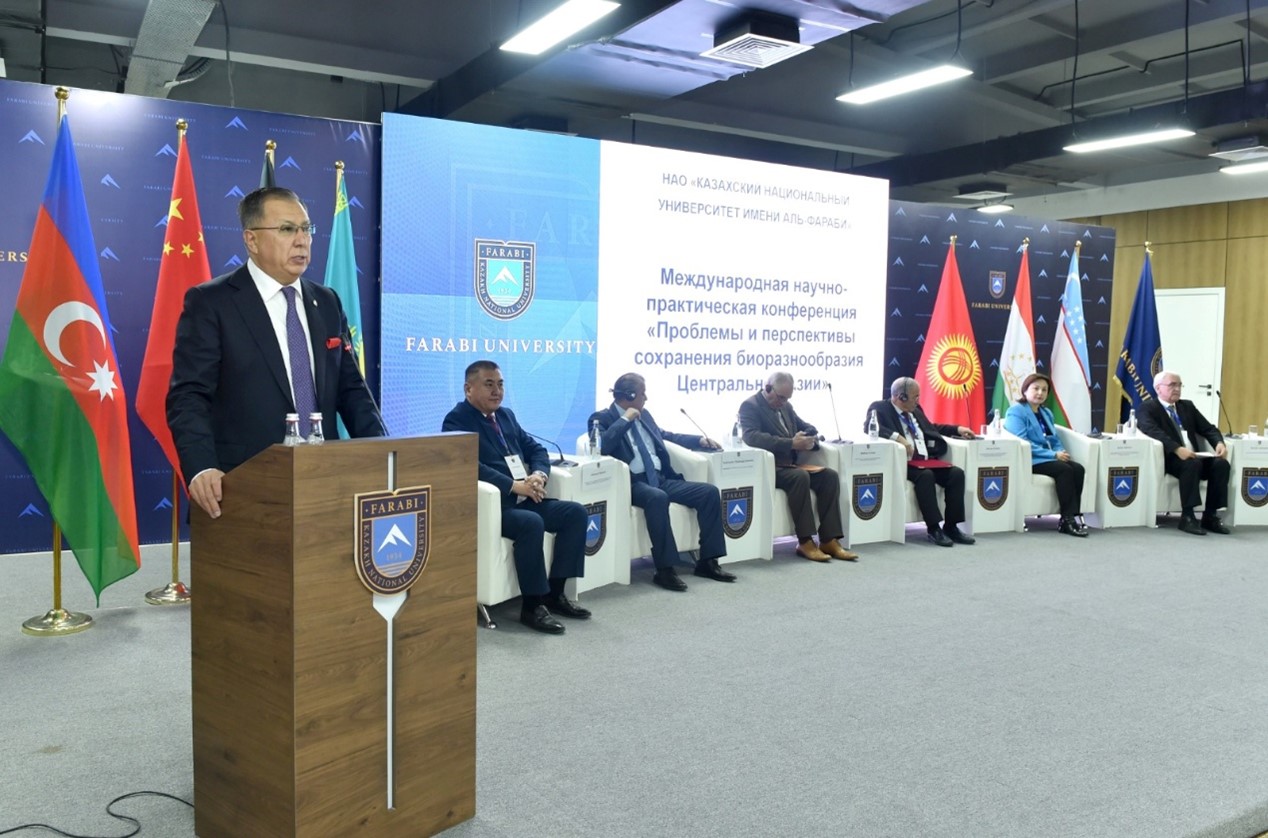
On November 6, 2025, the plenary session of the international scientific-practical conference "Problems and Prospects of Biodiversity Conservation in Central Asia" was held at Al-Farabi Kazakh National University. During the session, reports were presented by leading scientists from Kazakhstan and foreign countries. Roman Yashchenko, General Director of the Institute of Zoology, presented an analysis of current approaches to the conservation of rare and endangered animals in Kazakhstan. Doctor of Agricultural Sciences, Corresponding Member of the Azerbaijan National Academy of Sciences Alovsat Guliyev spoke about the hydrological heritage and landscape dynamics of Karabakh. Aizhan Skakova, Chairperson of the Kazakh Society for Nature Conservation, shared experience in interpreting natural heritage through tourist routes in Almaty. Within the framework of the conference, five thematic sections discussed modern approaches to biodiversity monitoring, the development of ecotourism, sustainable regional development, and environmental education.
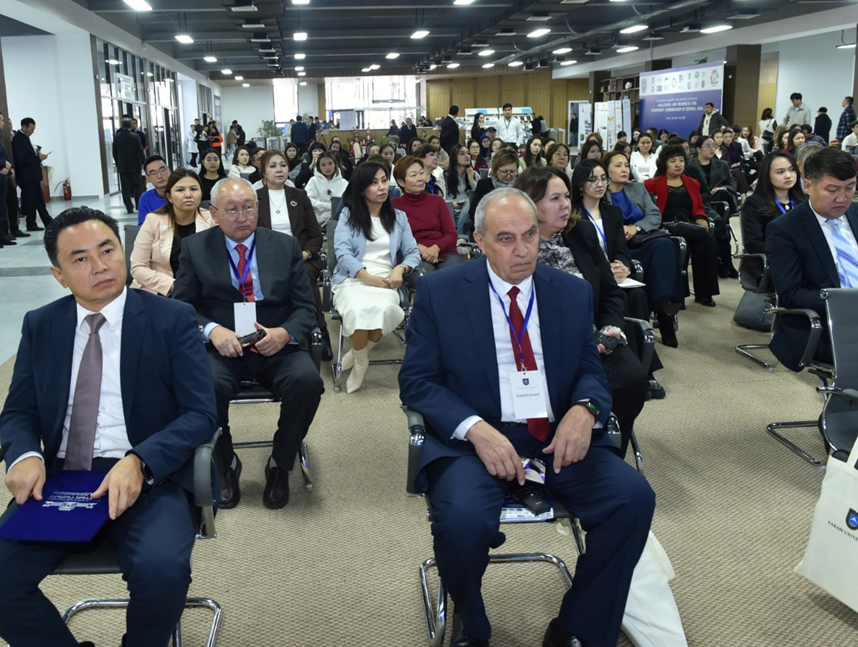
Section 1 – “Biodiversity Conservation and Sustainable Development of Central Asia” was moderated by Professor T.L. Tajibaeva from the UNESCO Department of Sustainable Development and Associate Professor M.M. Yusifova, Head of the Department of Geographical Ecology at Baku State University. Participants presented research results focused on assessing the impacts of climate change, urbanization, and anthropogenic factors on the region’s biodiversity. The presentations covered issues of protecting rare and endemic species, ecosystem restoration, and integrating international experience in natural territory management. The session was marked by broad geographical coverage and active exchange of scientific ideas aimed at strengthening cooperation among Central Asian countries in the field of sustainable development.
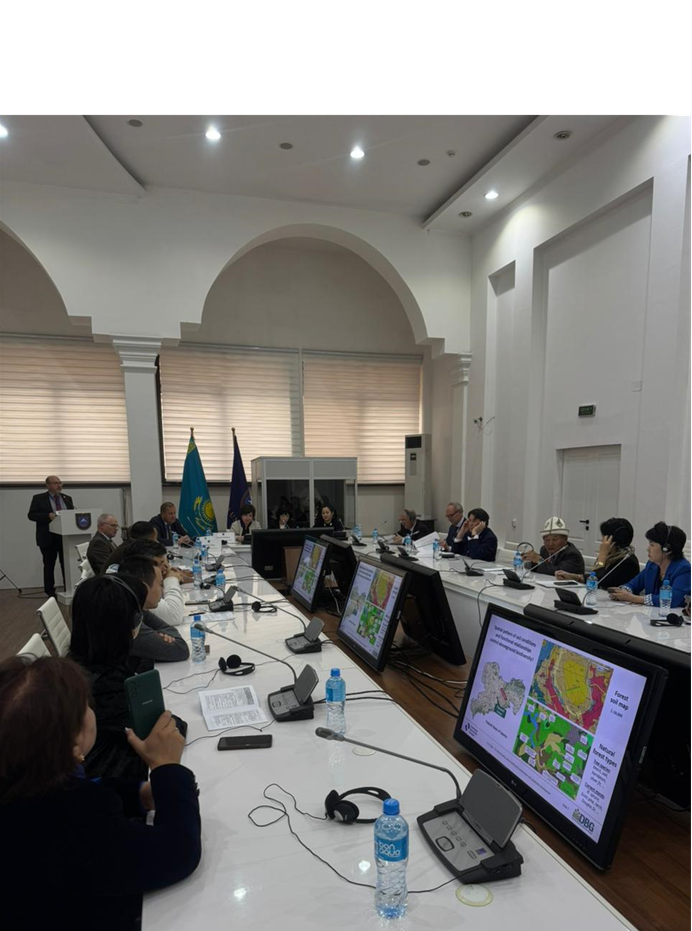
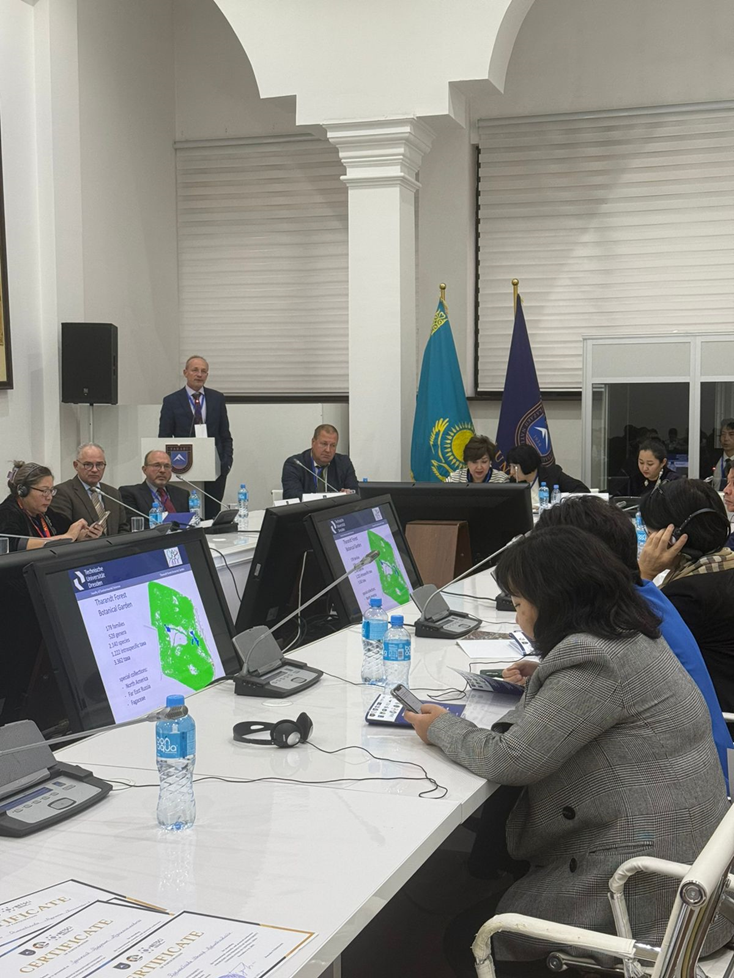
Section 2 – “The Role of Protected Natural Areas” was moderated by G.B. Tanabekova, Scientific Secretary of the Institute of Zoology, and G.A. Sadyrova, Associate Professor of the UNESCO Department of Sustainable Development. The section discussed issues of preserving floristic and faunistic diversity, management of natural parks and reserves, as well as modern approaches to ecosystem assessment and monitoring. Special attention was given to transboundary cooperation, environmental education, and the development of measures for ecosystem adaptation to climate change. The work of the section demonstrated the importance of protected natural areas as a key tool for conserving biodiversity and the natural heritage of the region.
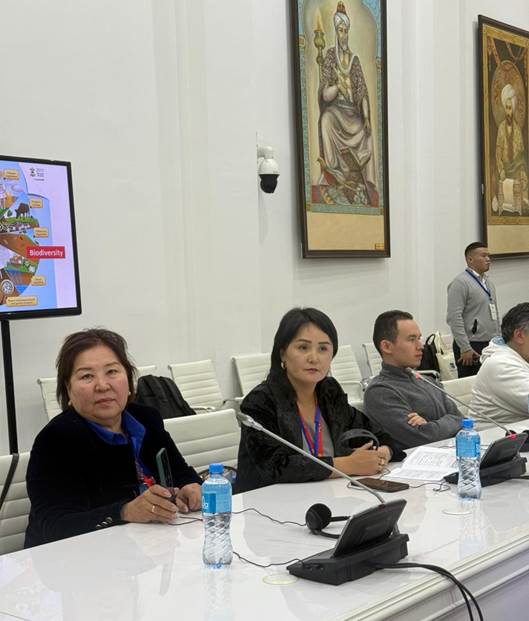
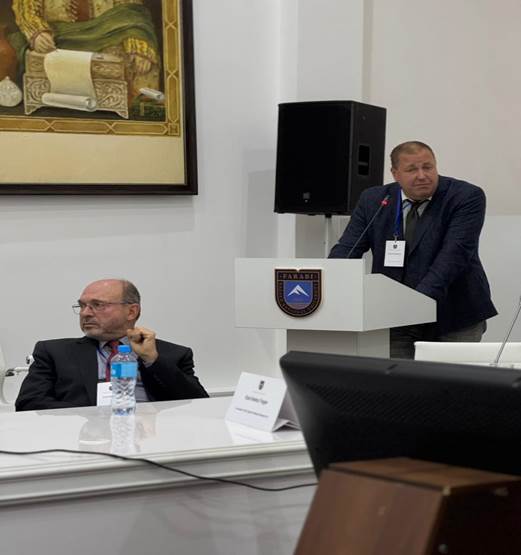
Section 3 – The session "Application of GIS and Digital Technologies in Biodiversity Monitoring and Ecotourism" was moderated by A.I. Bisengaliyev, Senior Lecturer of the UNESCO Department of Sustainable Development, and D.K. Shokparova, Director of the Intergovernmental Laboratory for Remote Sensing and Its Applications. The meeting discussed modern methods of geoinformation analysis, remote sensing, and digital mapping aimed at monitoring ecosystem conditions and developing sustainable ecotourism. Participants from Kazakhstan, Kyrgyzstan, Mongolia, and China presented research results demonstrating the potential of digital technologies in conserving natural heritage and managing natural resources. The section's work was characterized by a high level of scientific interaction and an interdisciplinary approach to addressing sustainable development challenges. The section emphasized that the application of digital technologies is a key mechanism for ensuring sustainable management of Central Asia's natural resources and should be included in the region’s strategic development programs.
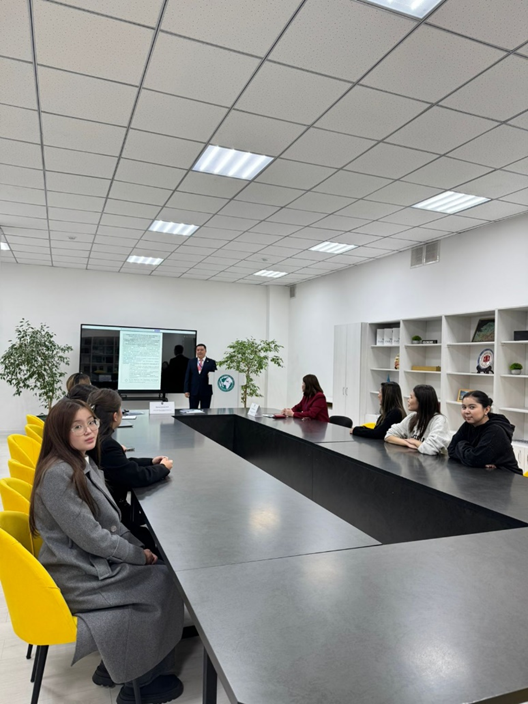
Section 4 - "Environmental Education and Awareness as a Tool for Biodiversity Conservation and Ecosystem Services" was moderated by M.G. Mustafaev, full member of the Russian Academy of Natural Sciences, honorary doctor of BGSHA, representative of the Institute of Soil Science and Agrochemistry of the Ministry of Science and Education of the Republic of Azerbaijan, and G.A. Mukhanova, acting professor of the UNESCO Department of Sustainable Development. The session was held in a warm and productive atmosphere that facilitated active exchange of scientific ideas and experiences. Scientists from Kazakhstan, Kyrgyzstan, Azerbaijan, and Germany participated, presenting reports on environmental education, sustainable ecosystem management, and innovative approaches to biodiversity conservation. Special attention was given to international cooperation and the integration of scientific research into environmental education practice, confirming the importance of environmental education as a key factor for sustainable development.
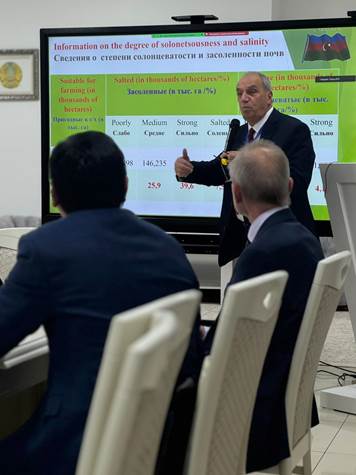
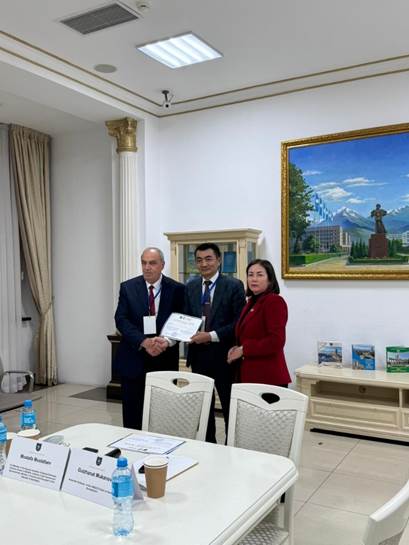
Section 5 - "Sustainable Development of Natural-Economic and Socio-Economic Systems of the West Kazakhstan Region in the Context of Green Growth" was moderated by Doctor of Geographical Sciences, Professor M.A. Askarova and the Dean of the Faculty of Geography and Nature Management A.S. Aktymbaeva.
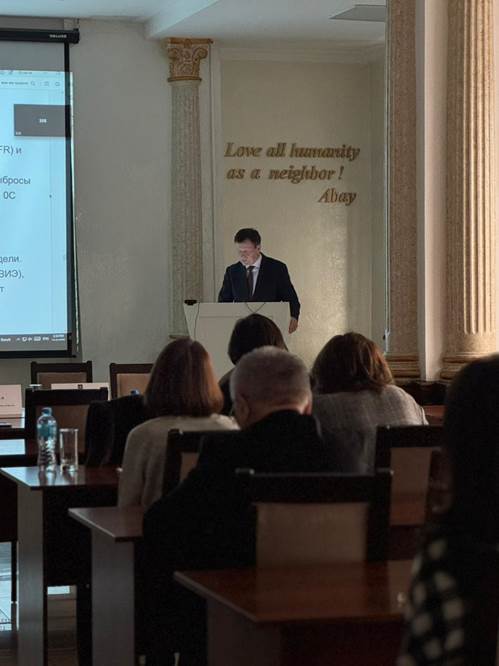
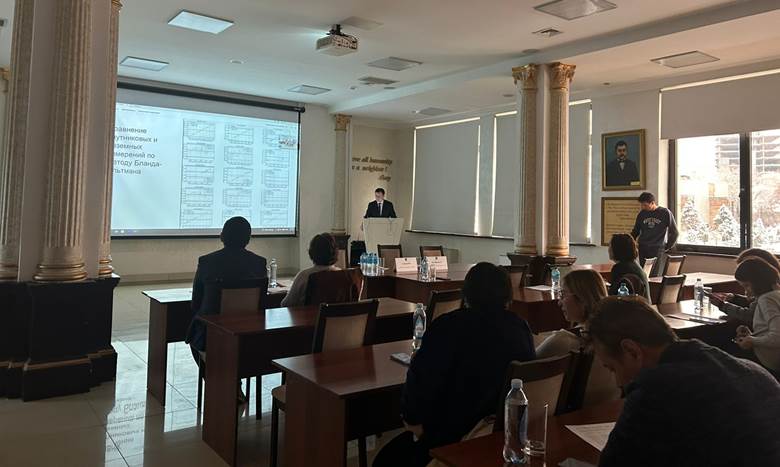
During the session, current issues related to the assessment of natural resources, climate change, and the condition of land, water, and soil ecosystems in the region were discussed. Special attention was given to problems of industrial impact, socio-economic aspects of sustainable development, and the potential for "green growth" in the West Kazakhstan region. The session reviewed and discussed research results supported by the Ministry of Science and Higher Education of the Republic of Kazakhstan under the program-targeted financing within the IRN BR21882122 "Sustainable Development of Natural-Economic and Socio-Economic Systems of the West Kazakhstan Region in the Context of Green Development: Comprehensive Analysis, Concept, Predictive Assessment, and Scenarios." The meeting was characterized by high scientific activity and constructive exchange of opinions aimed at developing practical recommendations for ensuring sustainable development of the region.