- Main
- News
- A sociological study was conducted in the West Kazakhstan region, focused on the population’s subjective assessment of quality of life.
A sociological study was conducted in the West Kazakhstan region, focused on the population’s subjective assessment of quality of life.
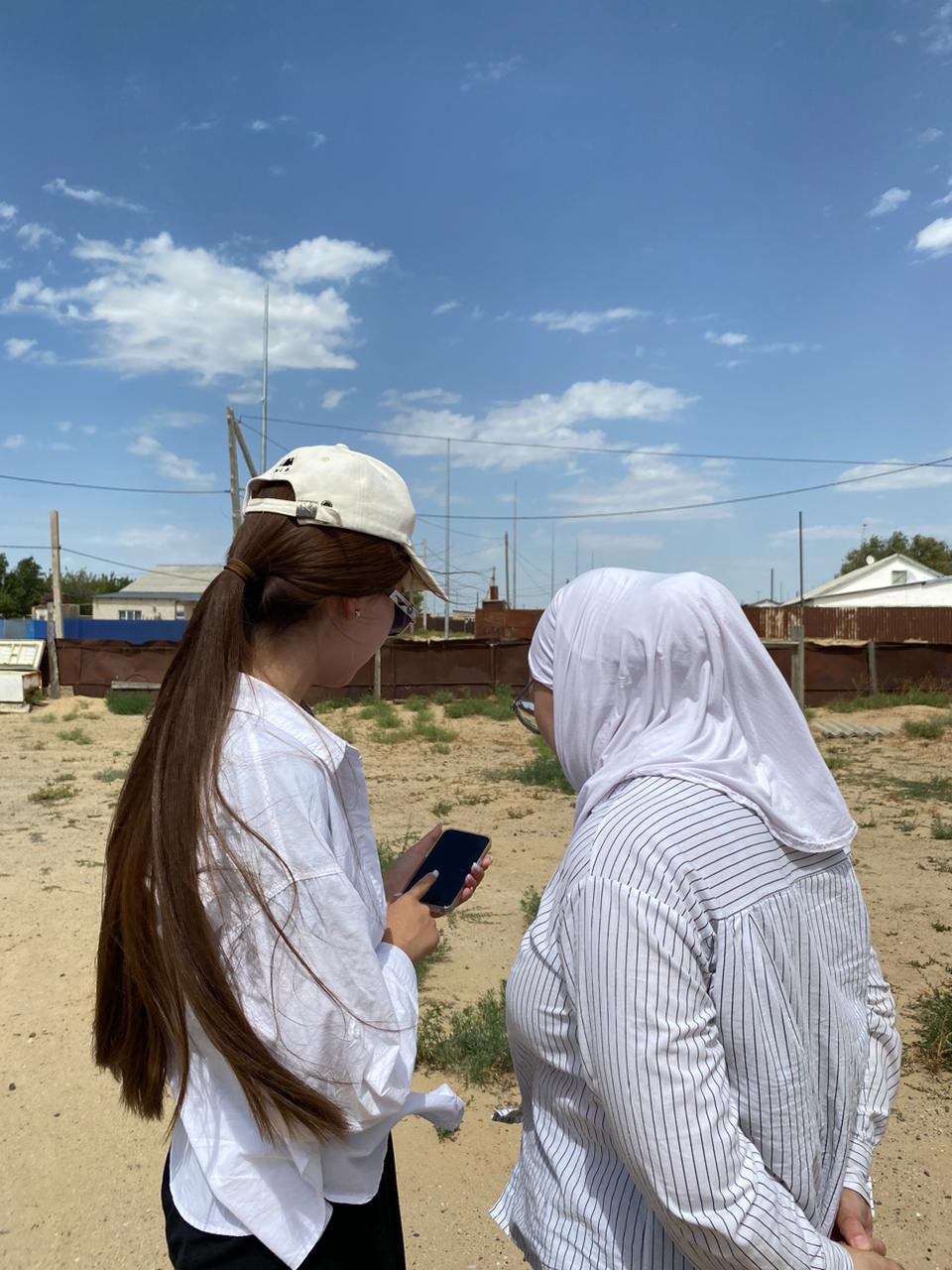
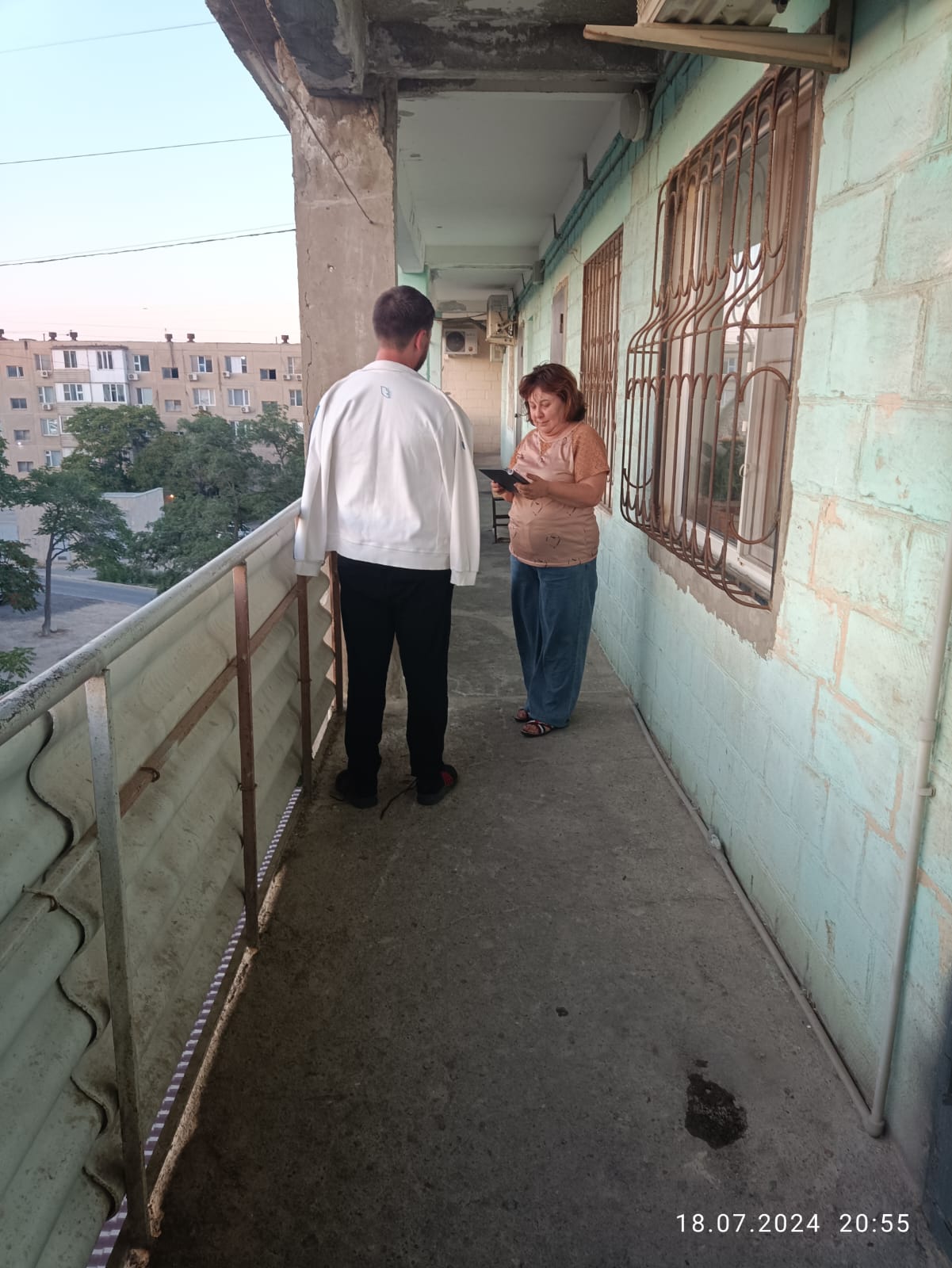
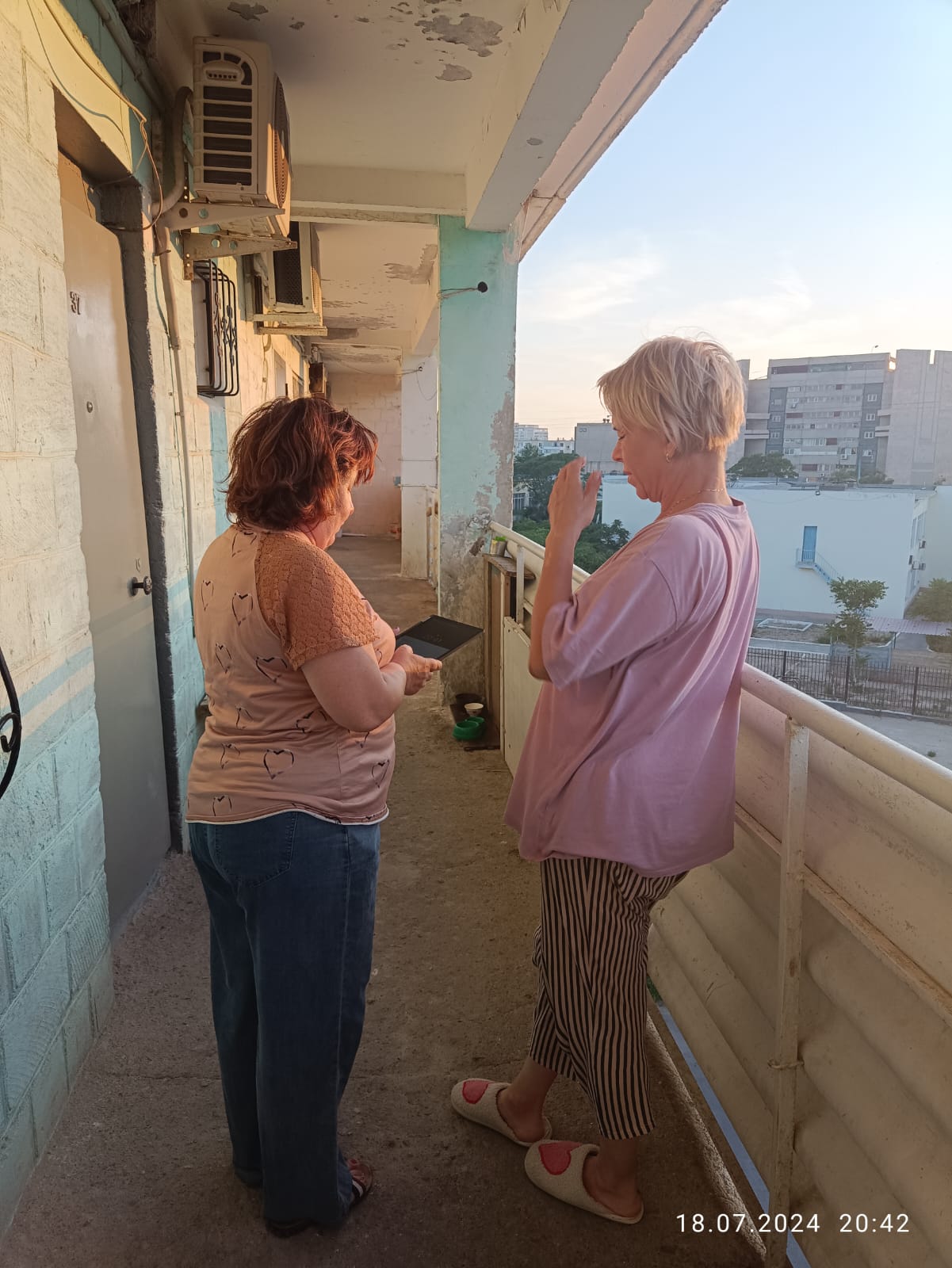
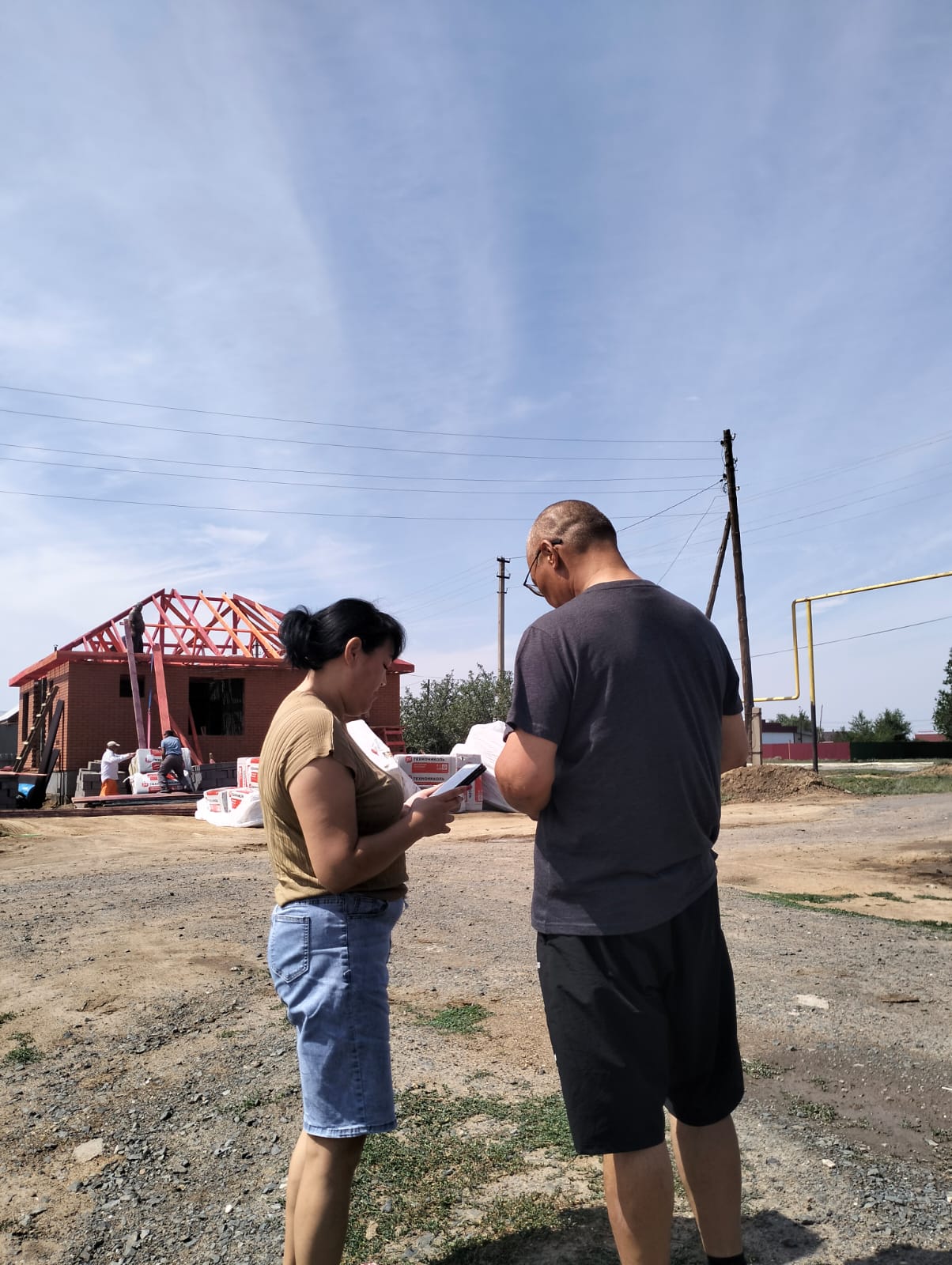
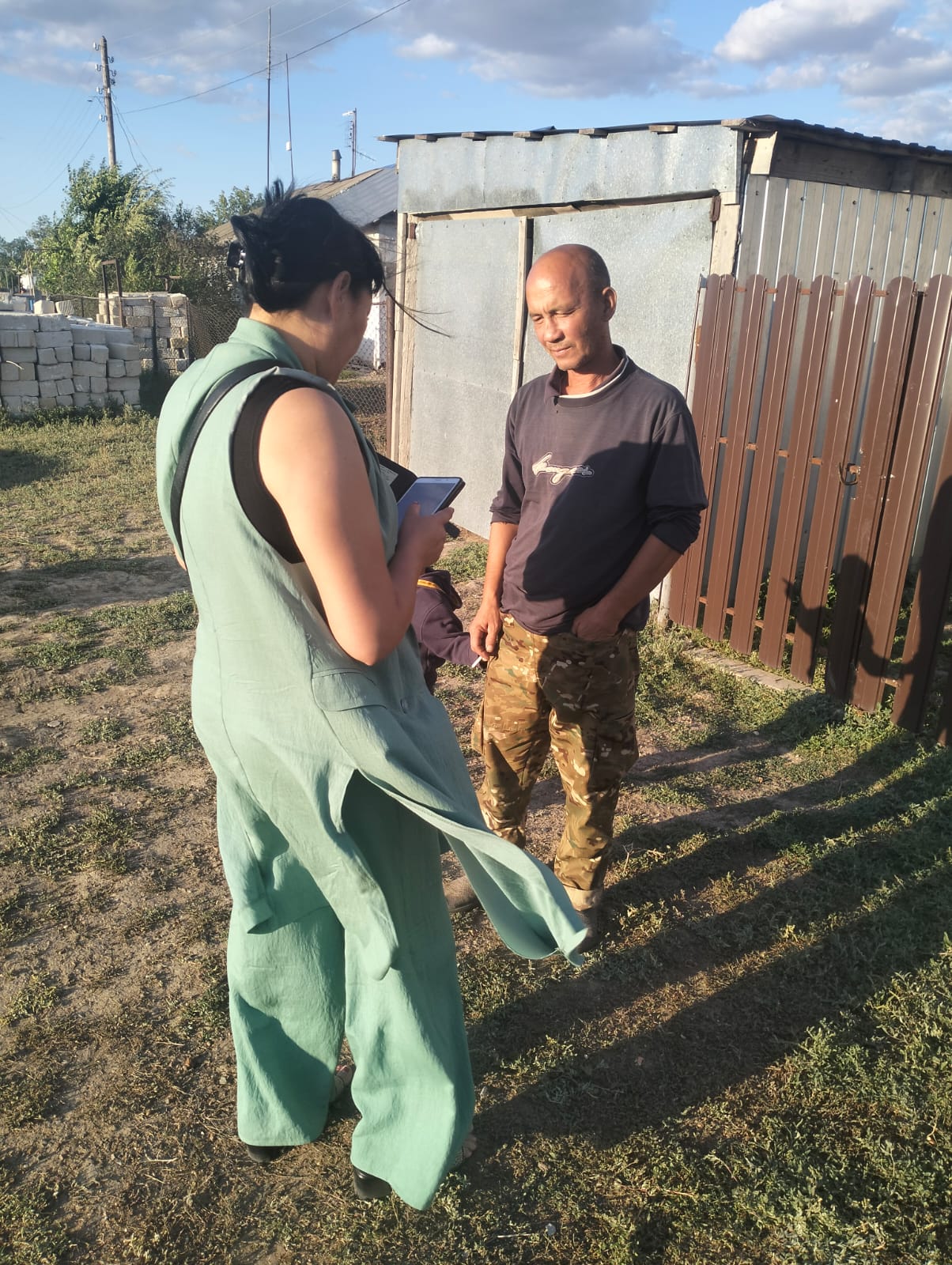
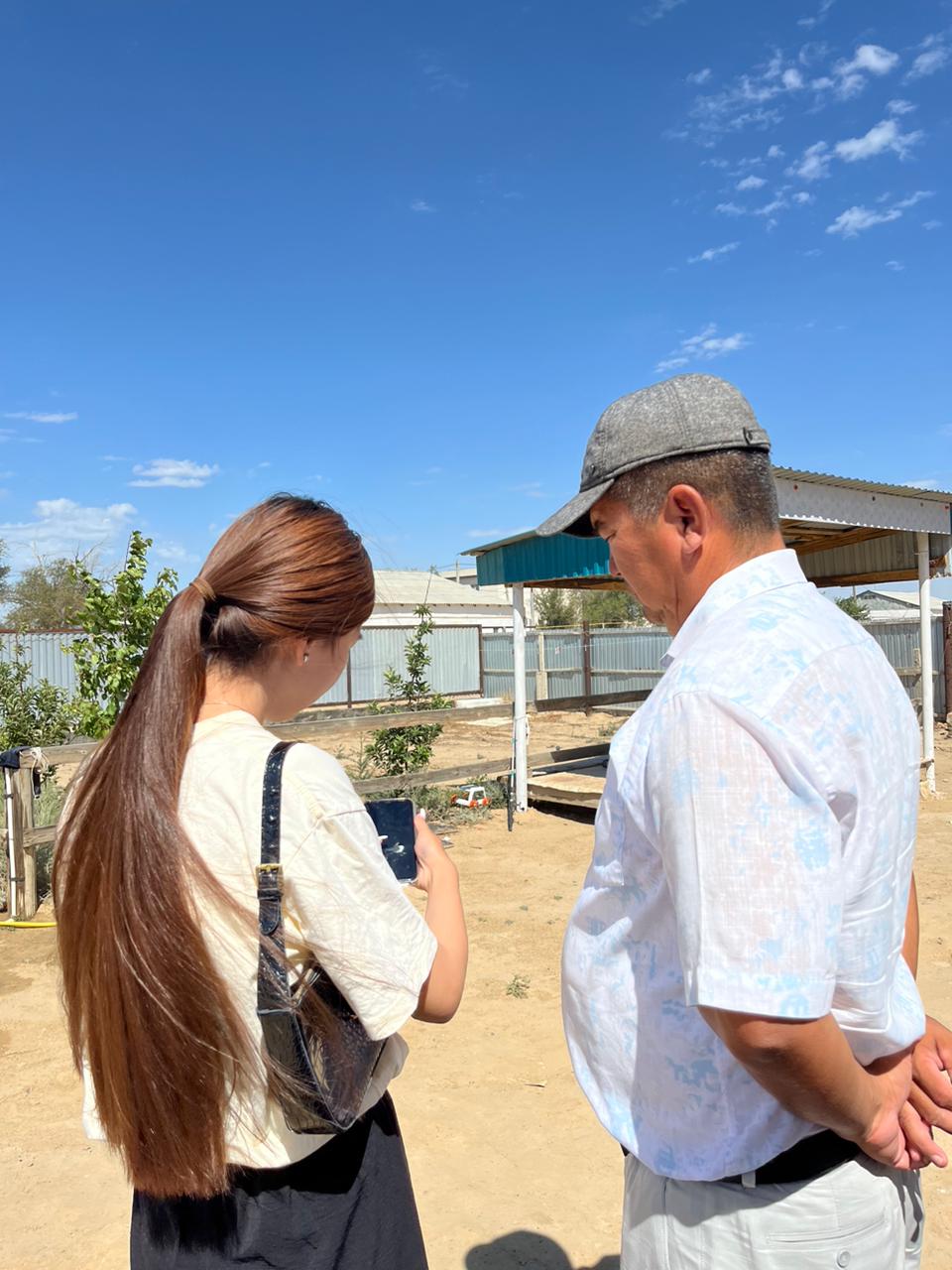
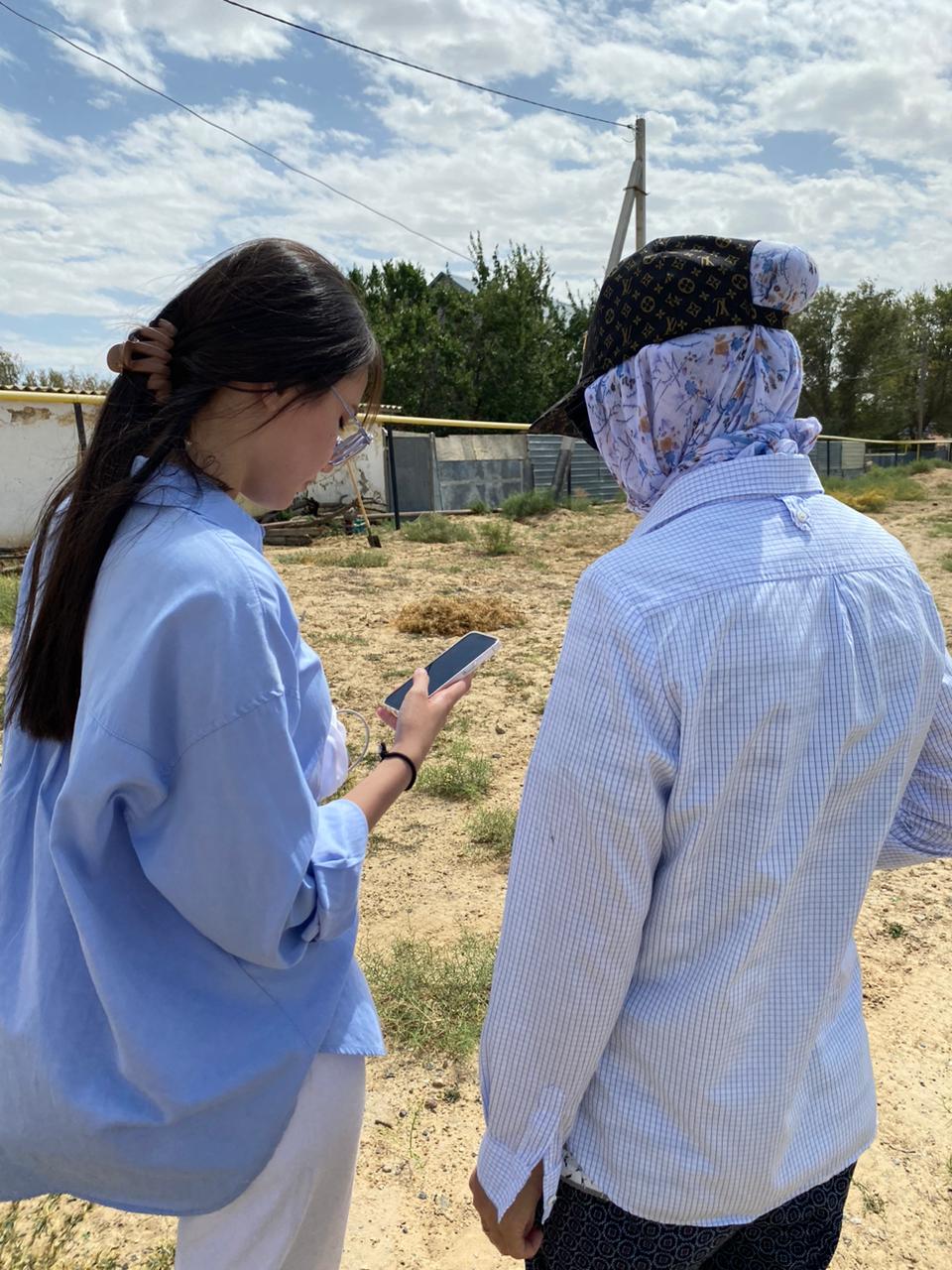
The study was conducted from July to August 2024 by researchers of the Laboratory of Geodemographic and Socio-Economic Studies at the Faculty of Geography and Environmental Management of Al-Farabi Kazakh National University, within the framework of the IRN project BR21882122 “Sustainable Development of Natural-Resource and Socio-Economic Systems of the West Kazakhstan Region in the Context of Green Growth: Comprehensive Analysis, Concept, Forecast Assessments and Scenarios.”
A total of 400 respondents participated in the survey, with 100 residents from each of the four regions. The sampling error does not exceed ±5%, ensuring high representativeness of the collected data. The survey participants included men and women aged 18 to 70, with an average age of 41.35 years and a median age of 40.5 years. The gender distribution was as follows: 43.5% men and 56.5% women. The ethnic composition also reflects the specificity of the region: 86% of respondents identified as Kazakh, 8% as Russian, and 6% as representatives of other ethnicities.
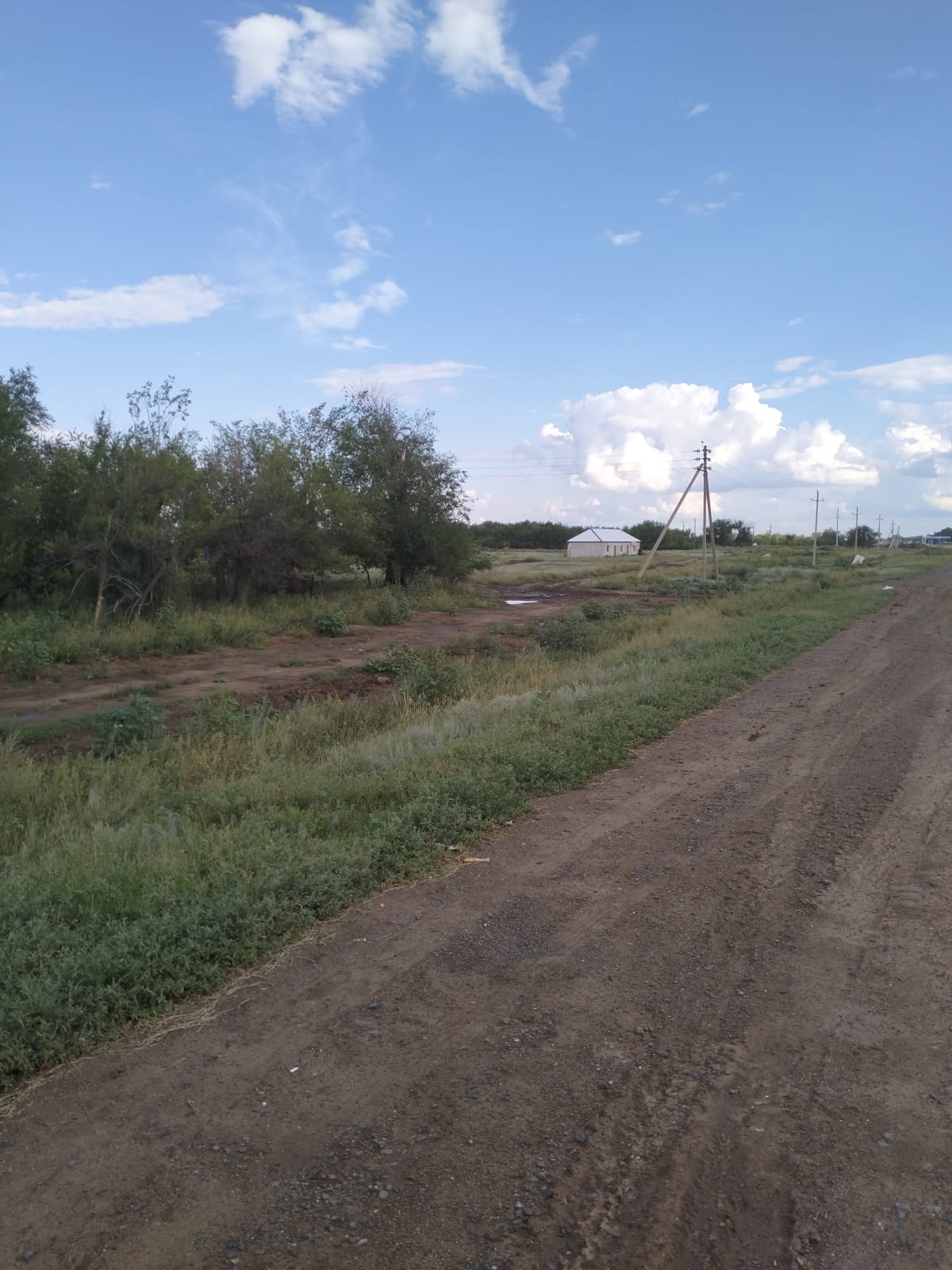
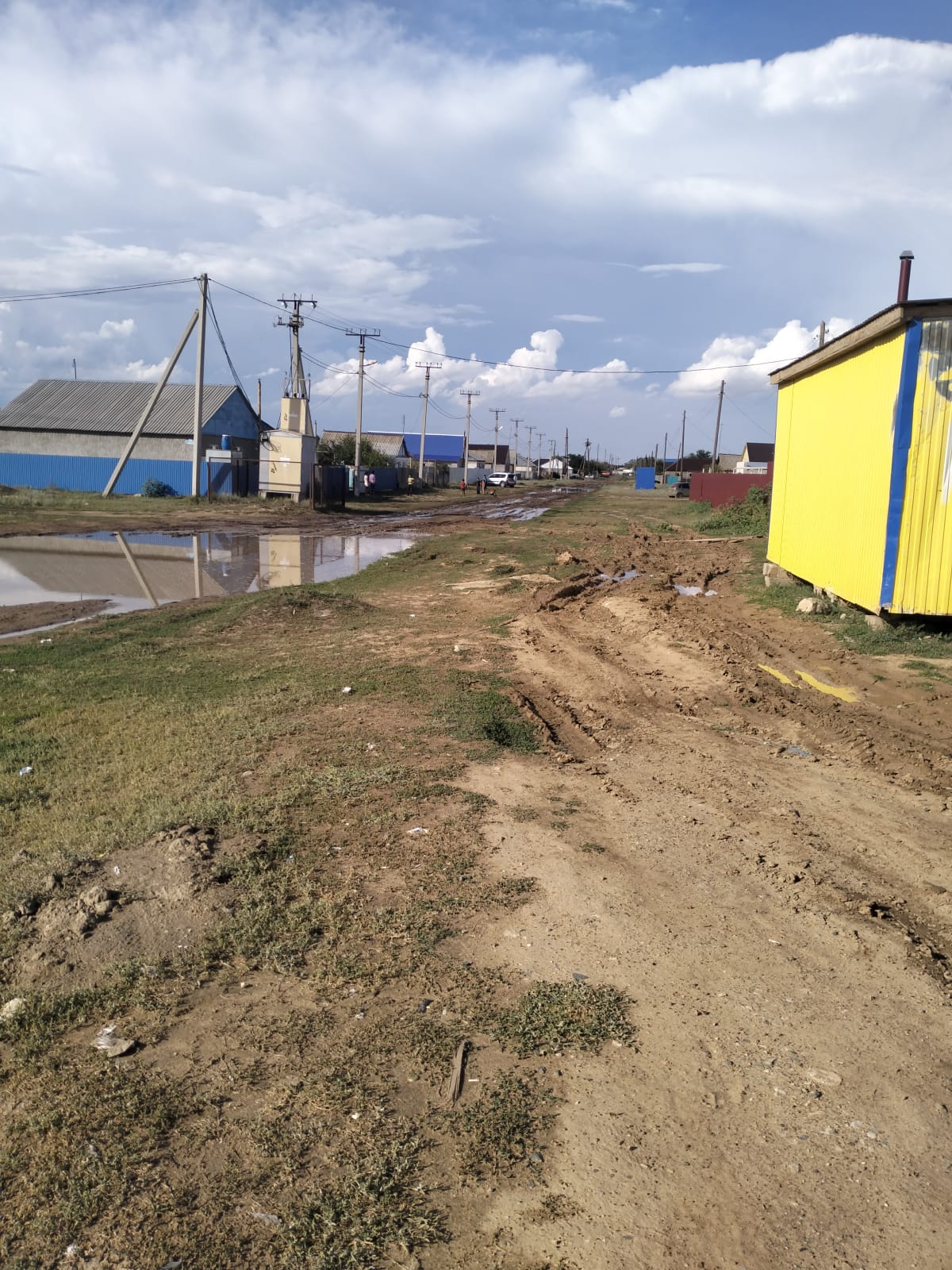
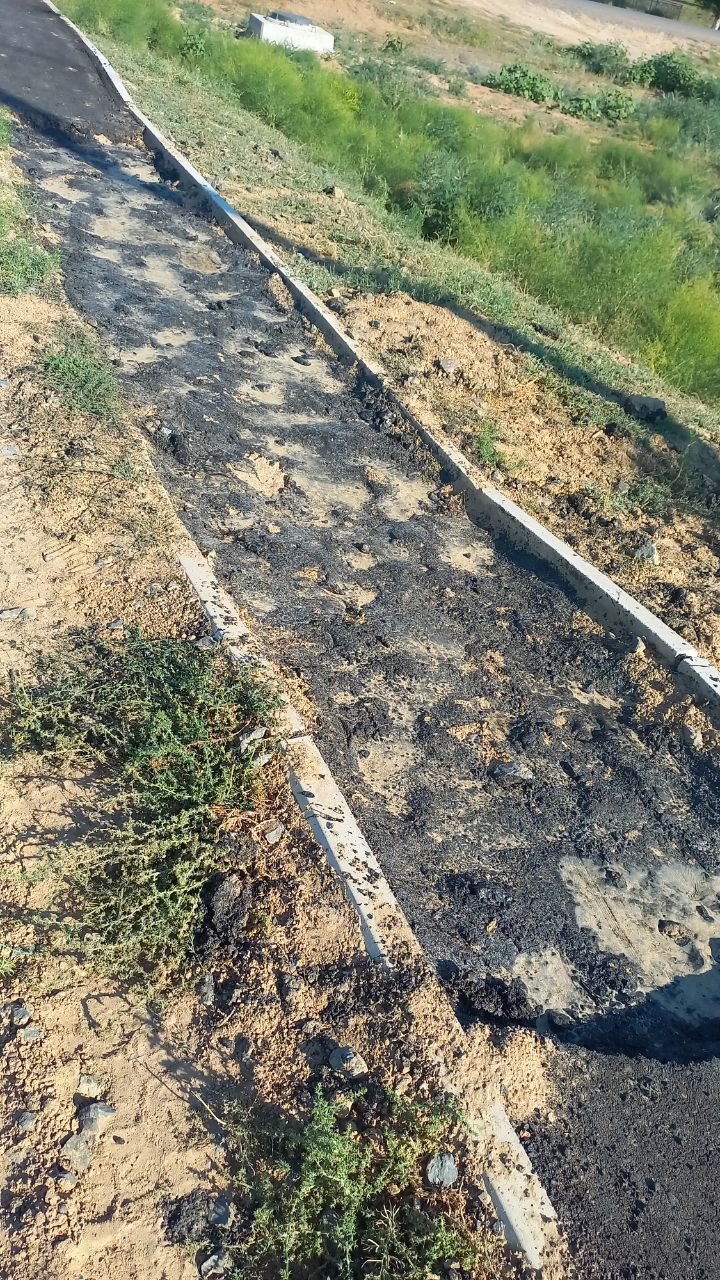
The results indicate that the quality of life in West Kazakhstan is closely linked to the condition of basic infrastructure and the environmental situation. Across the region as a whole, respondents most frequently highlighted three key issues: poor road quality, shortage of drinking water and disruptions in water supply, and environmental degradation. According to residents, these factors directly affect their daily comfort, health, and overall sense of well-being.
However, each region has its own focal points. In the Aktobe region, in addition to poor roads and environmental pressures, residents noted shortages of drinking water and unemployment. In the Atyrau region, alongside the common concerns about roads, water shortages, and ecology, people pointed to high food prices. In the West Kazakhstan region, respondents emphasized not only the low quality and insufficient availability of drinking water but also seasonal issues such as a high number of insects in summer and litter pollution. For the Mangystau region, the most characteristic problems were shortages of drinking water, water supply disruptions, lack of greenery, poor environmental conditions, and low road quality.
Researchers pay particular attention to the fact that the same problematic “triangle” emerges in all four regions: roads, water, and ecology. Poor transport infrastructure complicates movement within and between settlements, affects access to services, and hinders territorial development. The shortage of quality drinking water and environmental pollution pose direct health risks and may contribute to rising morbidity.
.jpg)
.jpg)
.jpeg)