An American scientist shared his experience in researching the nature of cancer
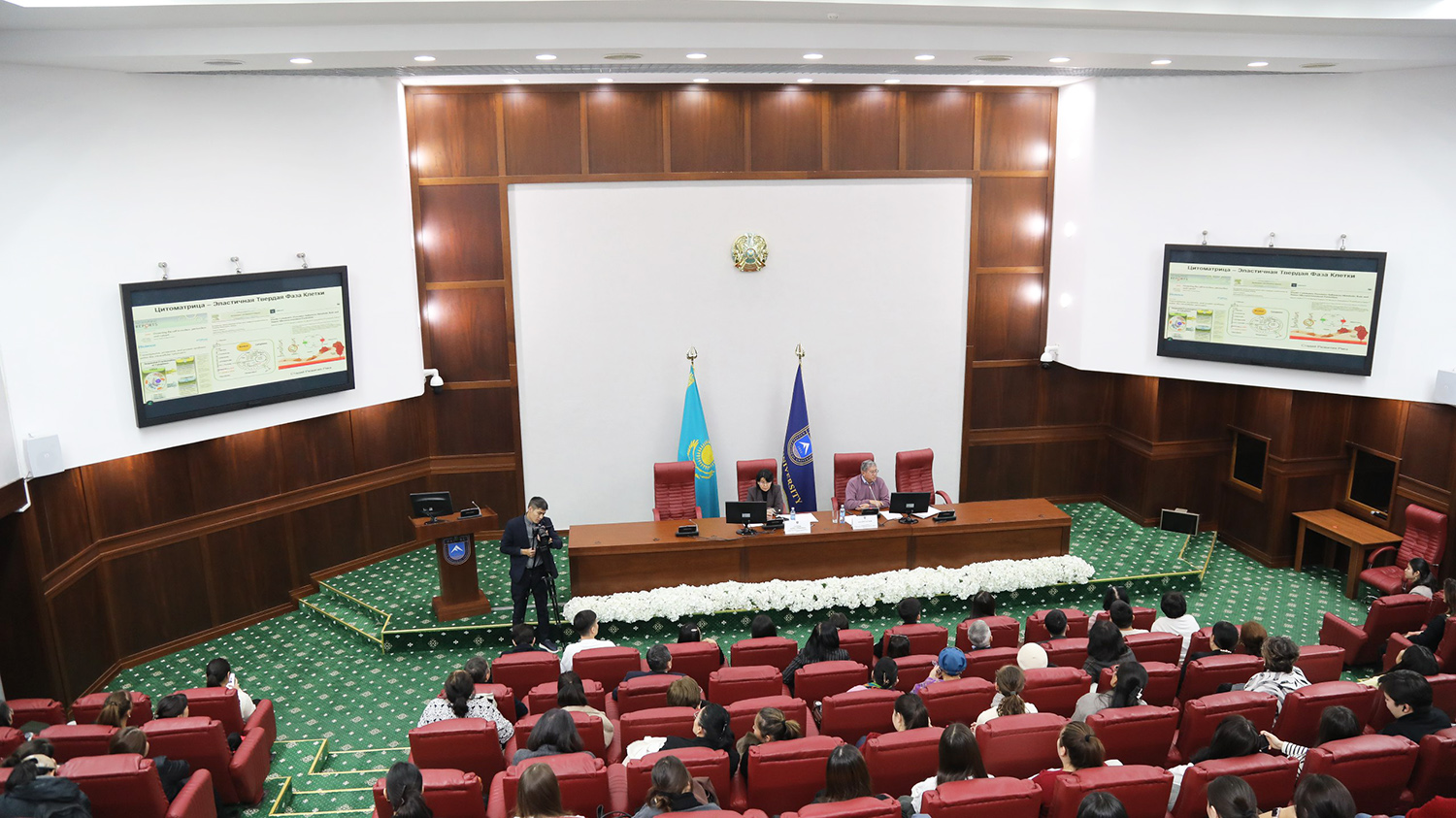
Shaikena Tattima, General Director of Peri-Nuc Labs LLP, Research Professor at Baylor College of Medicine, presented a leadership lecture on the topic "The nature of cancer and ways to combat cancer" at al-Farabi Kazakh National University.
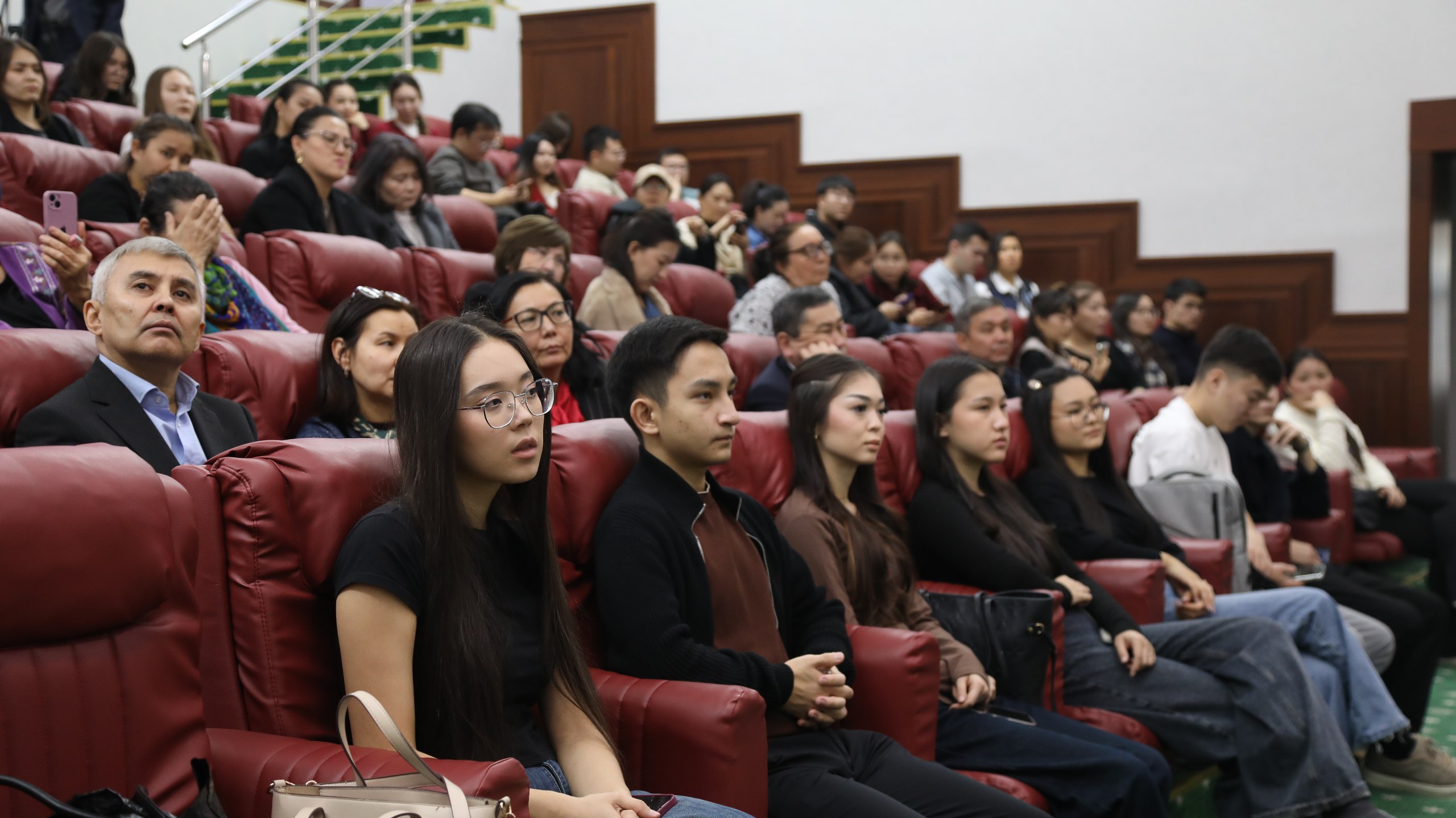
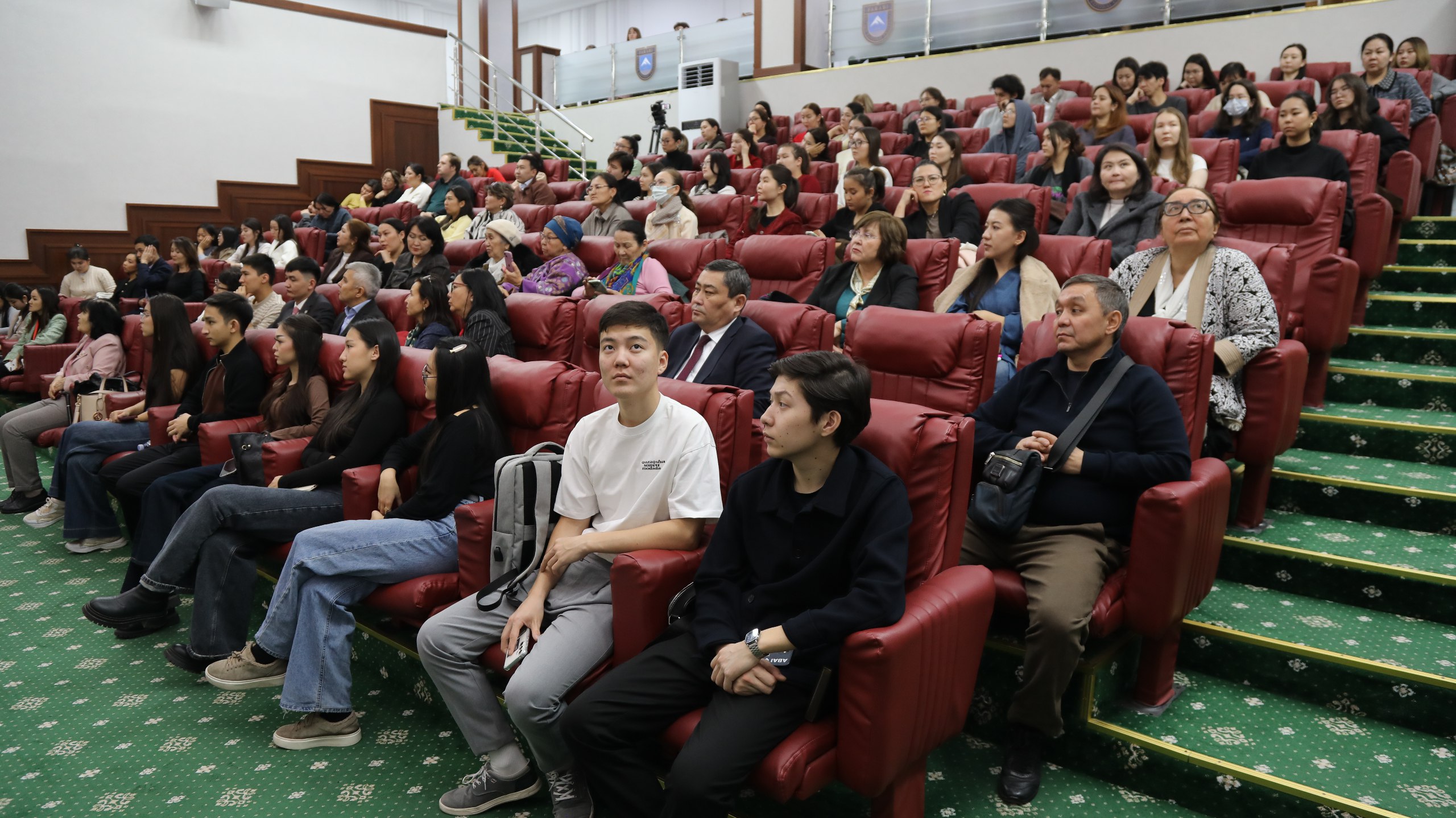
The event was supported by the Faculty of Biology and Biotechnology and brought together faculty, undergraduates and doctoral students from a number of departments, as well as guests from the scientific community.
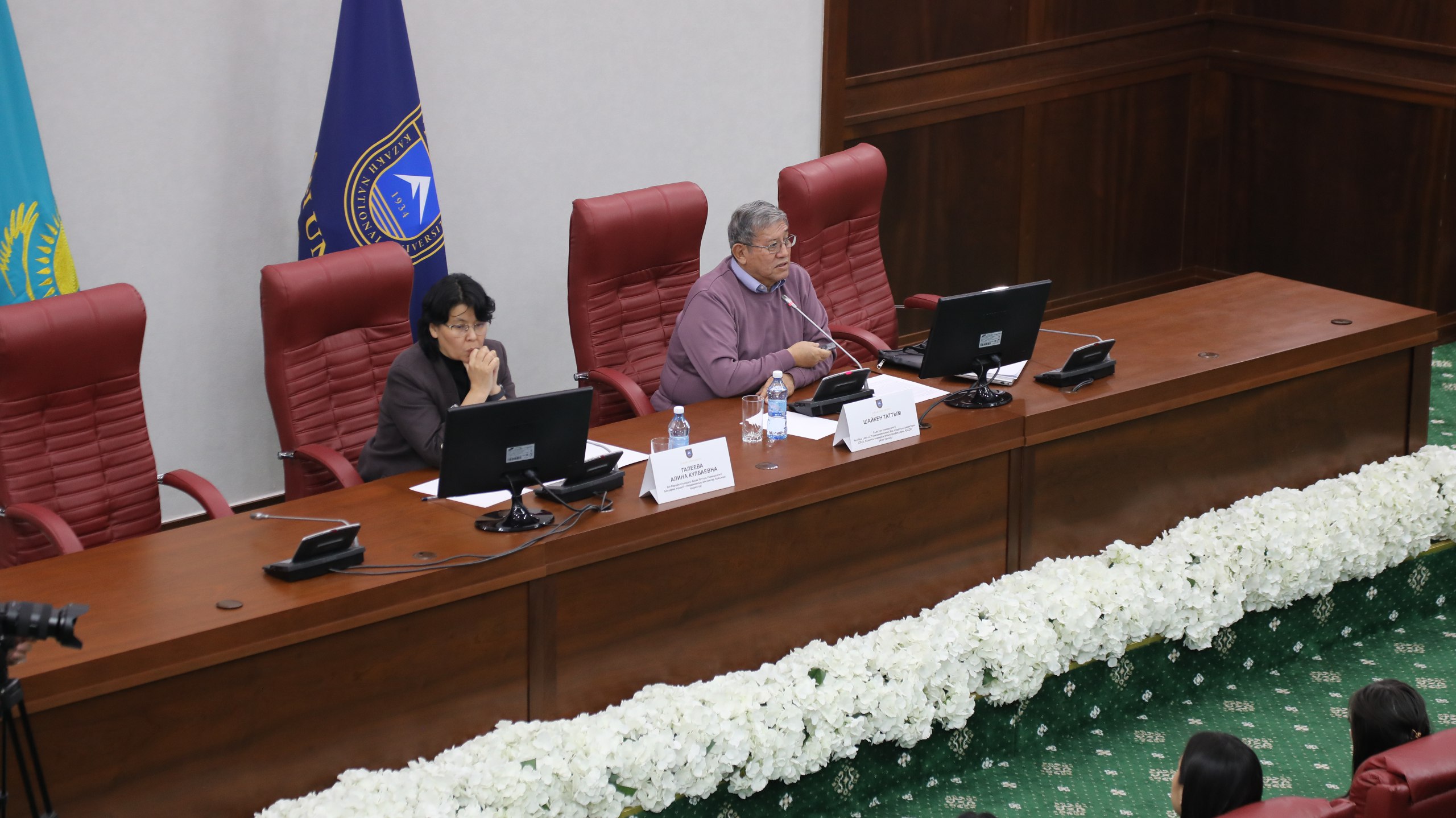
Alina Galeeva, a member of the Board and Vice–Rector for Academic Affairs, introduced the renowned scientist in the field of cell biology and cancer research to the audience, highlighting the main achievements of Professor Shaiken Tattim, a former graduate of the Faculty of Biology and Biotechnology of KazNU. The scientist is the founder and CEO of Peri-Nuc Labs LLP, an official resident company of the University of Houston Innovation Park, as well as a research professor at Baylor College of Medicine. "The professor took part in the opening of the Cytomatrix Center at KazNU, which combined the efforts of Kazakhstani and American scientists in the field of cell biology and oncology",- said the vice–rector. "Thanks to the lecture of our distinguished guest, we will be able to get closer to understanding the nature of the terrible disease of the 21st century – one of the most pressing problems of our time".
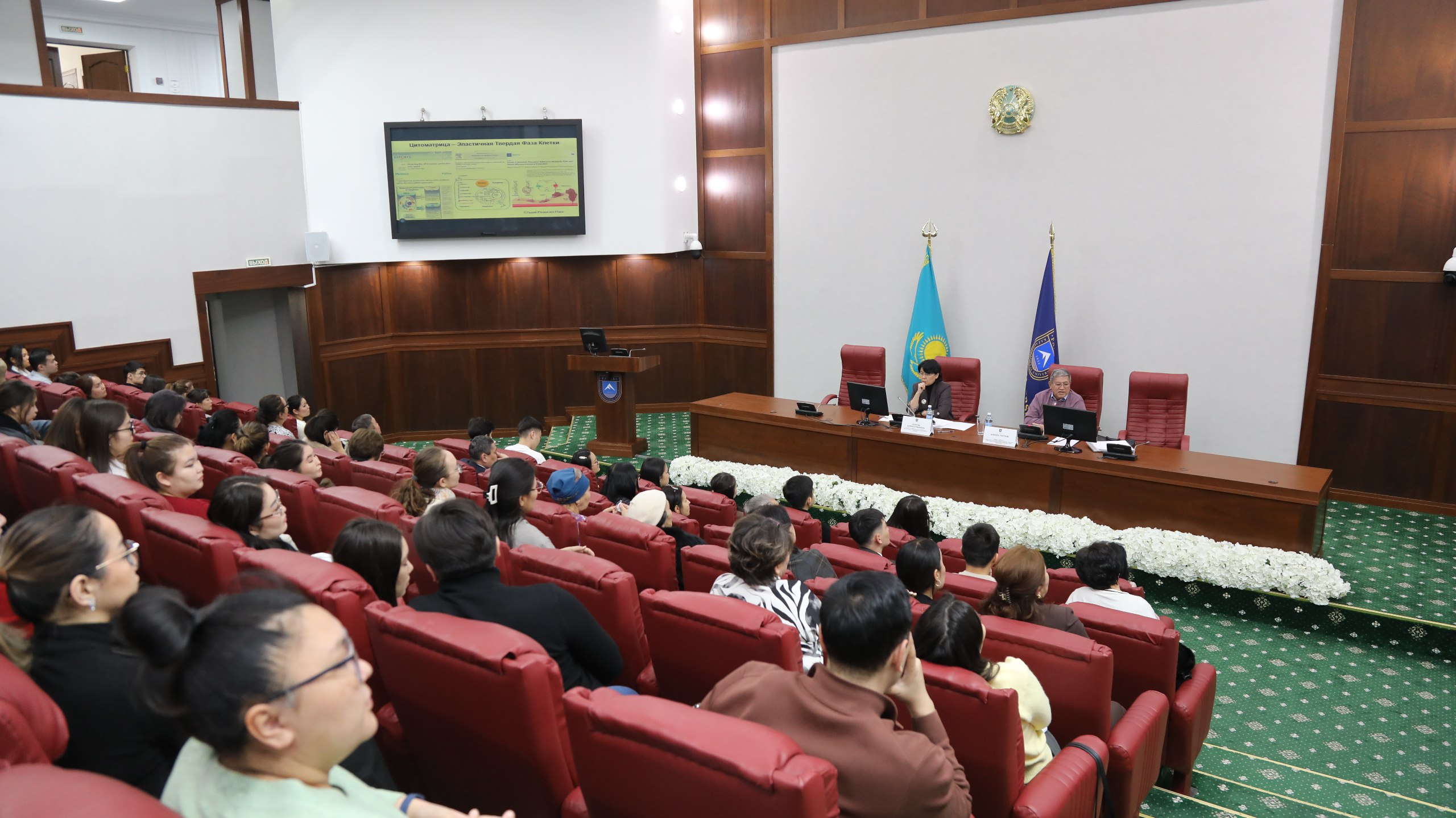
Professor Shaiken Tattim's lecture was devoted to the nature of cancer and modern approaches to its treatment. He began by acknowledging the difficulty of understanding the nature of cancer. "Since we have not fully understood the nature of cancer, the treatment of this disease is not really a science, but rather an art.
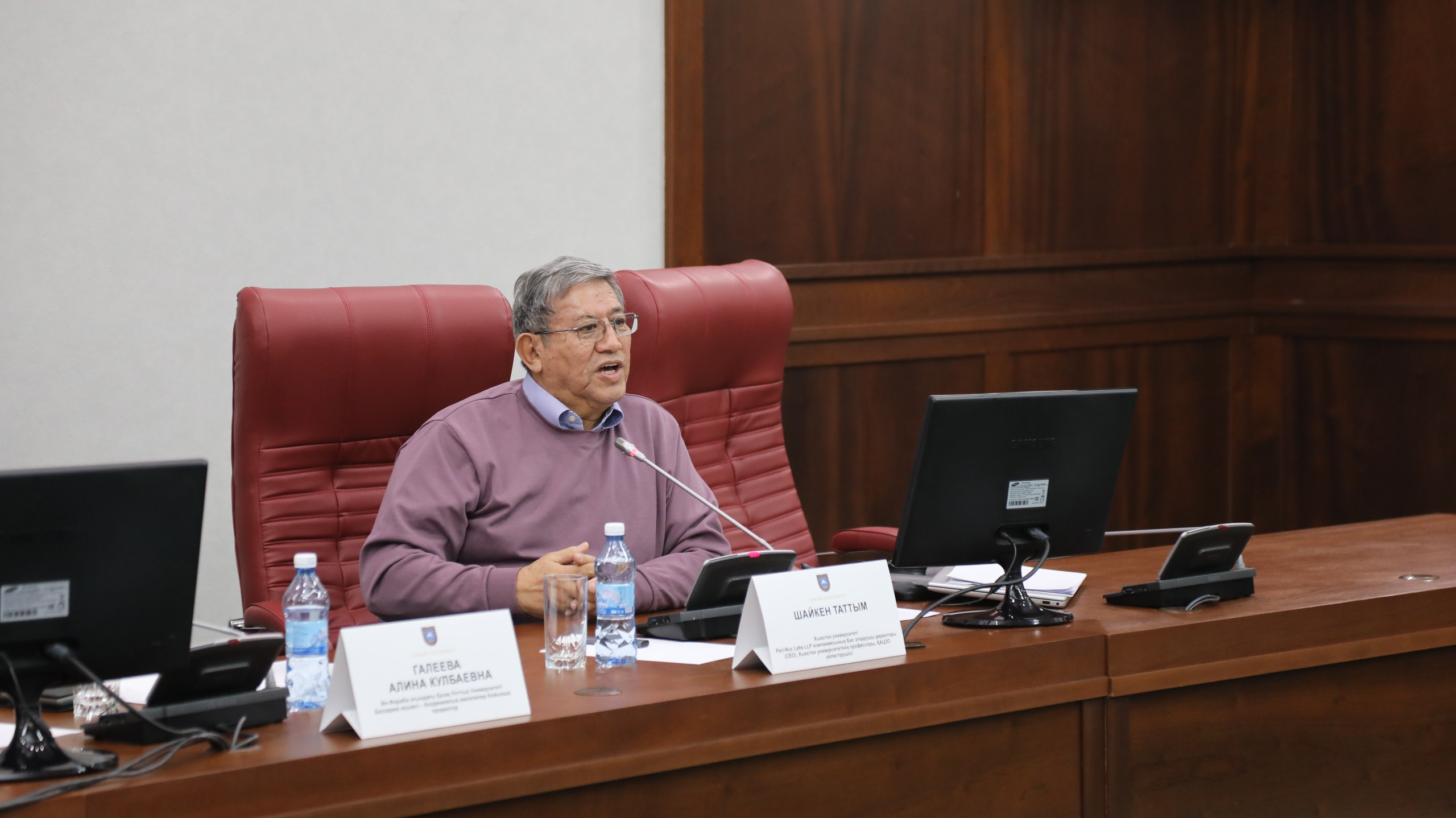
Science, powerful technologies, and artificial intelligence cannot cope with this problem, although there are many theories and techniques, such as the theory of somatic mutations, retroviruses, oncogenes, and others." Further, the lecturer highlighted modern diagnostic and therapeutic techniques based on the study of cancer cell survival mechanisms and the features of protein synthesis in tumors. Over the past ten years, the scientist has developed cell fractionation methods and ideas about the cytomatrix, which separates the cytoplasm and cytosol, explaining the mechanisms of cancer and the energy requirements of cellular mechanics. He proposed technologies for isolating malignant cells from frozen biopsies and high-throughput screening of anti-cancer drugs related to cytomatrix.
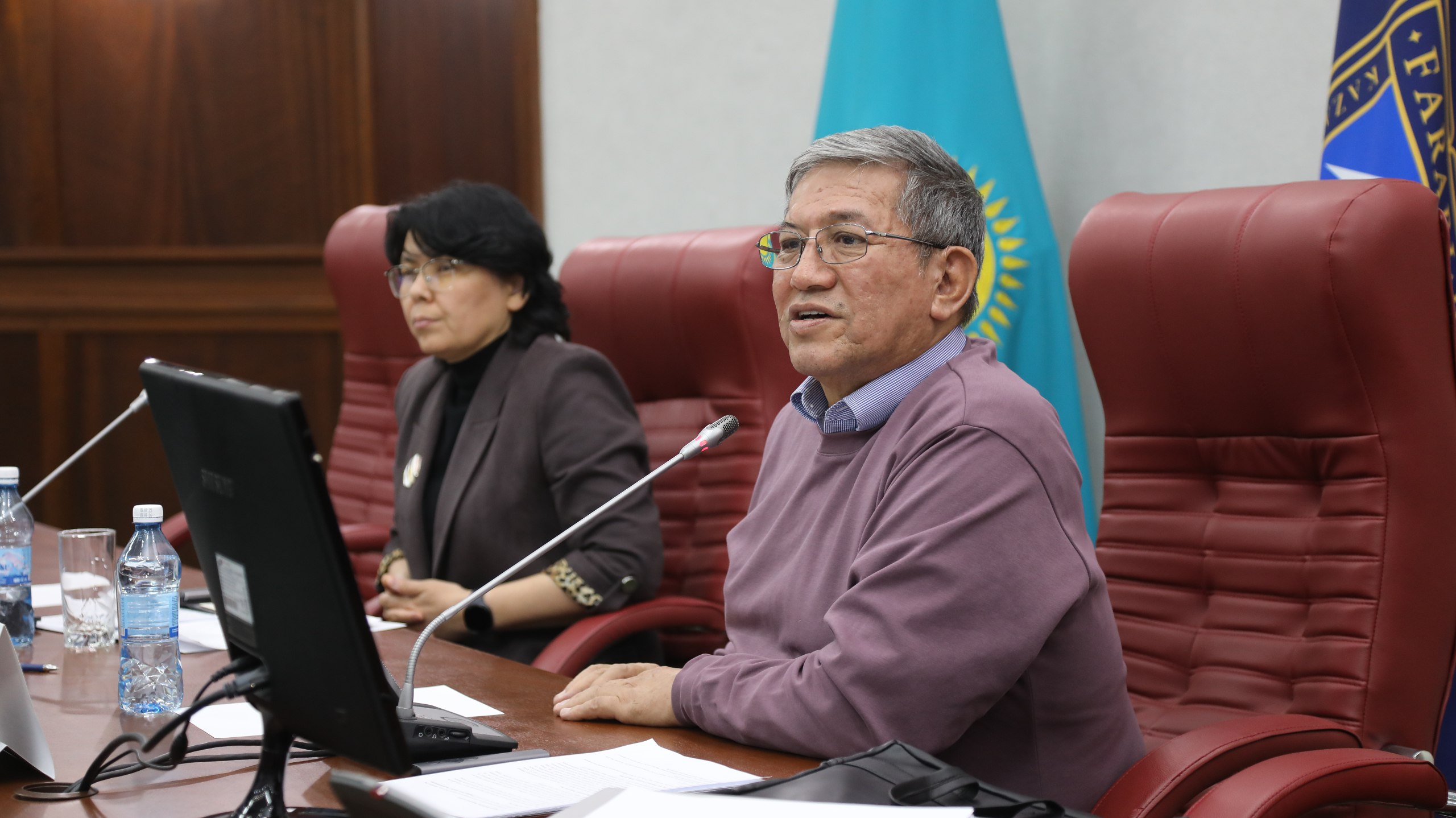
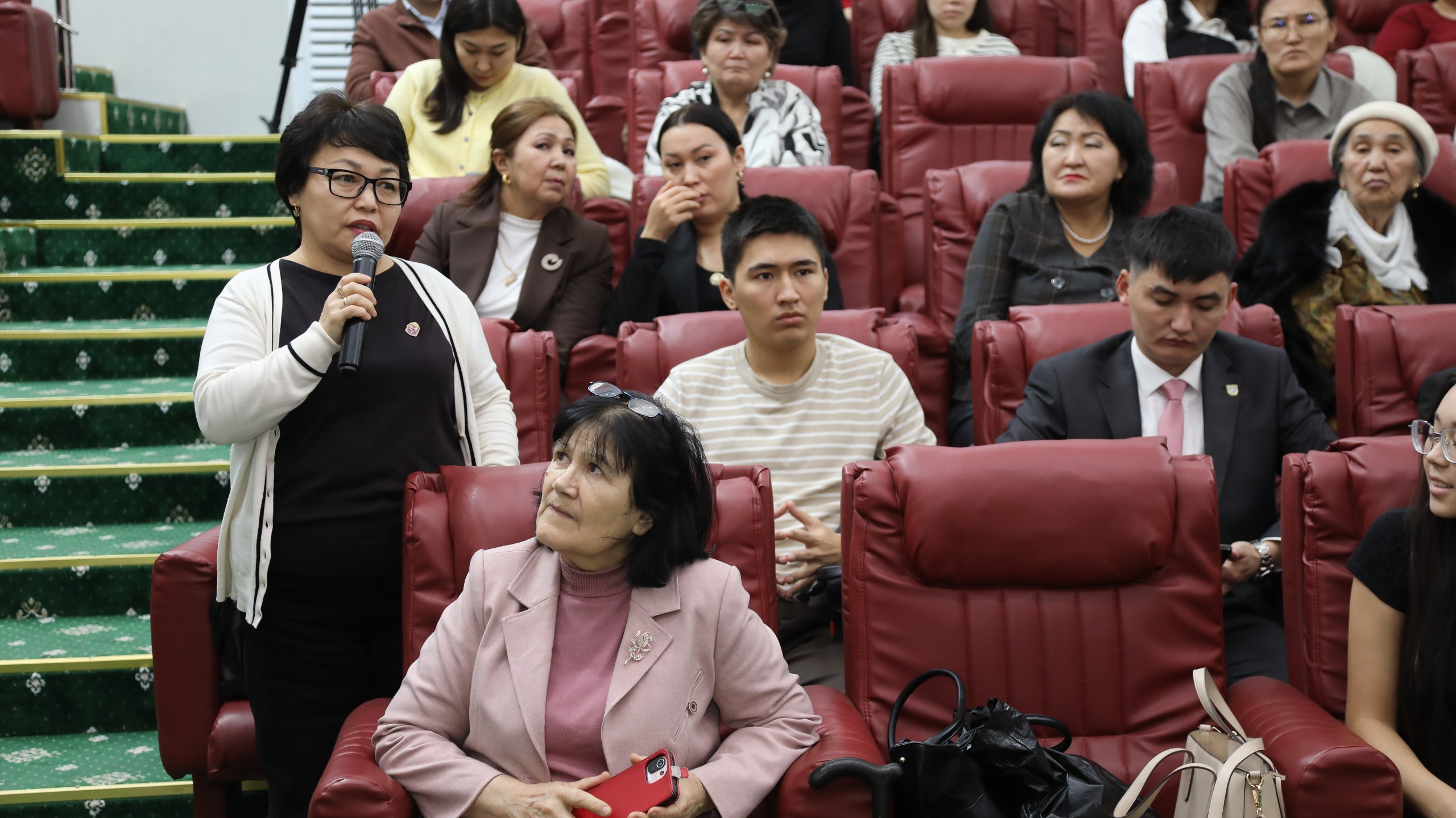
After the lecture, a discussion took place, during which the audience asked questions, receiving detailed and meaningful answers from the scientist. The participants of the event highly appreciated the participation of Professor Shaiken Tattim in the leadership lecture as an important scientific and educational event.
Press-service of Al-Farabi Kazakh National University