New directions for Erasmus+ LESLIE have been identified
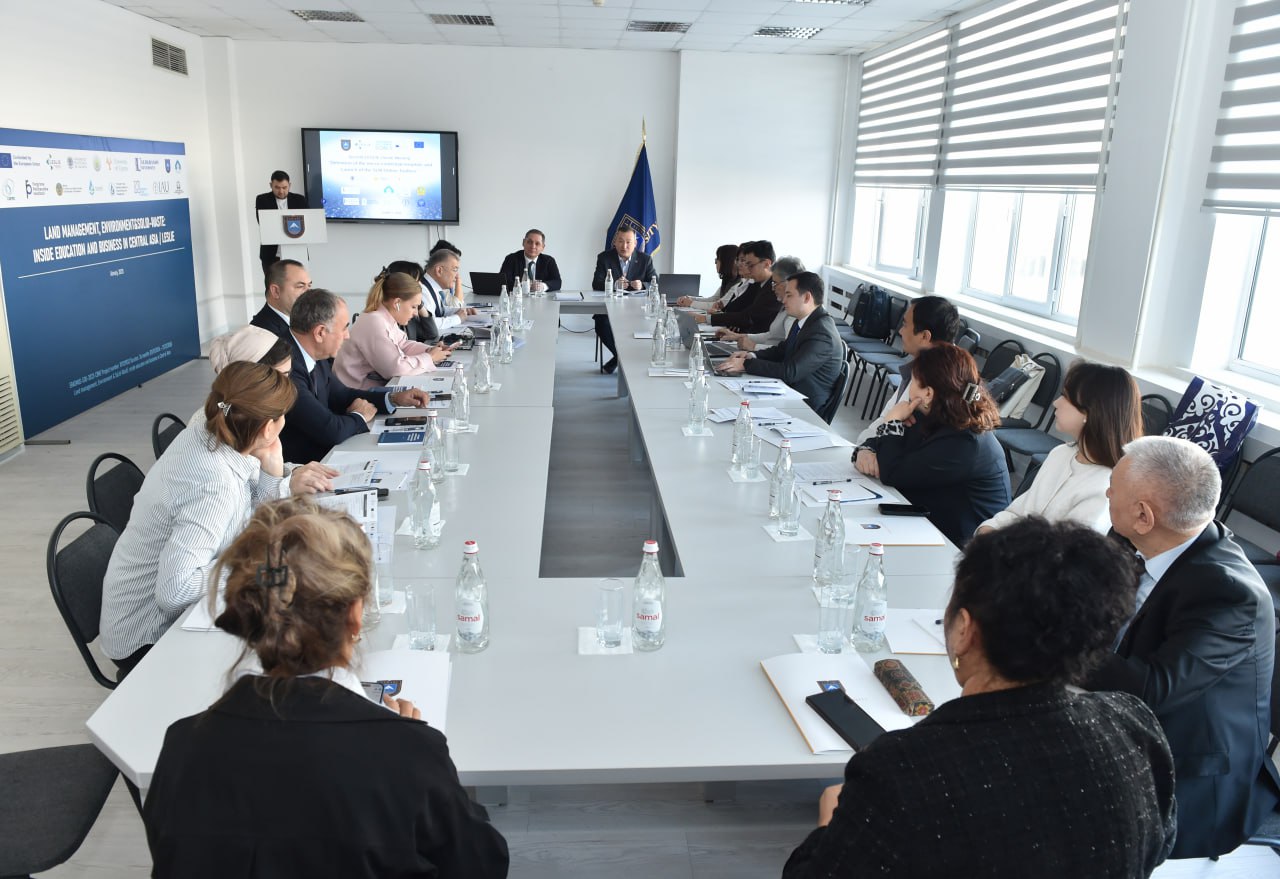
A meeting of the international Erasmus+ LESLIE project "Land Management, Environment & Solid-Waste: inside education and business in Central Asia" was held at al–Farabi Kazakh National University.
The event was attended by leading universities in Europe and Central Asia, scientific organizations and government agencies. The project is being implemented by a consortium of 14 partners from Spain, Italy, Cyprus, Kazakhstan and Uzbekistan with the support of the relevant ministries of the two countries.
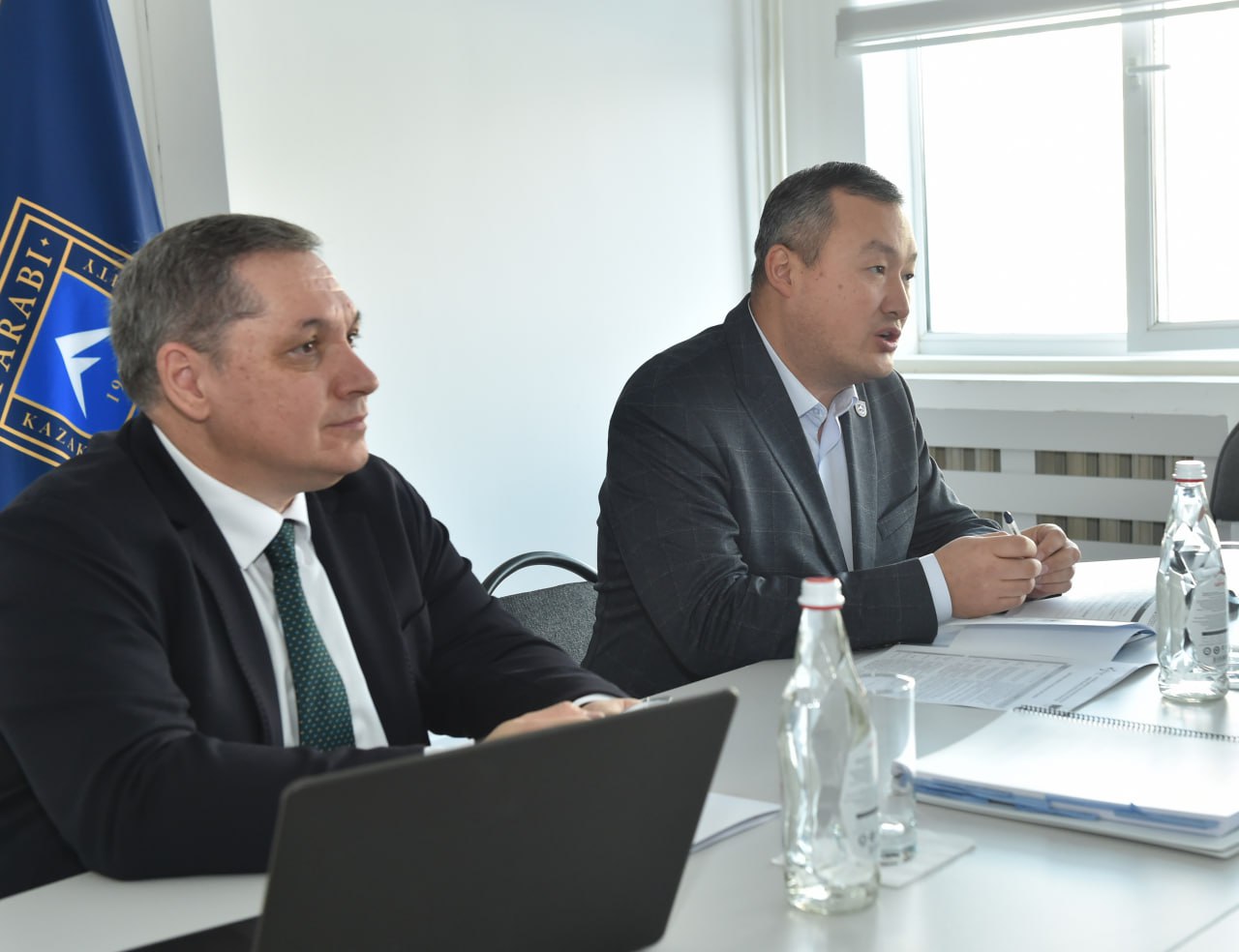
The meeting was opened by the Director of the Department of International Cooperation, Esbol Omirzhanov, who noted that the university considers the LESLIE project as an important international platform for integrating the best practices and creating a modern educational environment in the fields of ecology, land management and waste management. According to him, the participation of leading universities and expert organizations in the region will make it possible to train a new generation of specialists capable of solving complex environmental problems. The LESLIE project supports the implementation of the Sustainable Development Goals: quality education (SDG 4), affordable and clean energy (SDG 7), sustainable cities and human settlements (SDG 11), responsible consumption and production (SDG 12), combating climate change (SDG 13) and preserving terrestrial ecosystems (SDG 15).
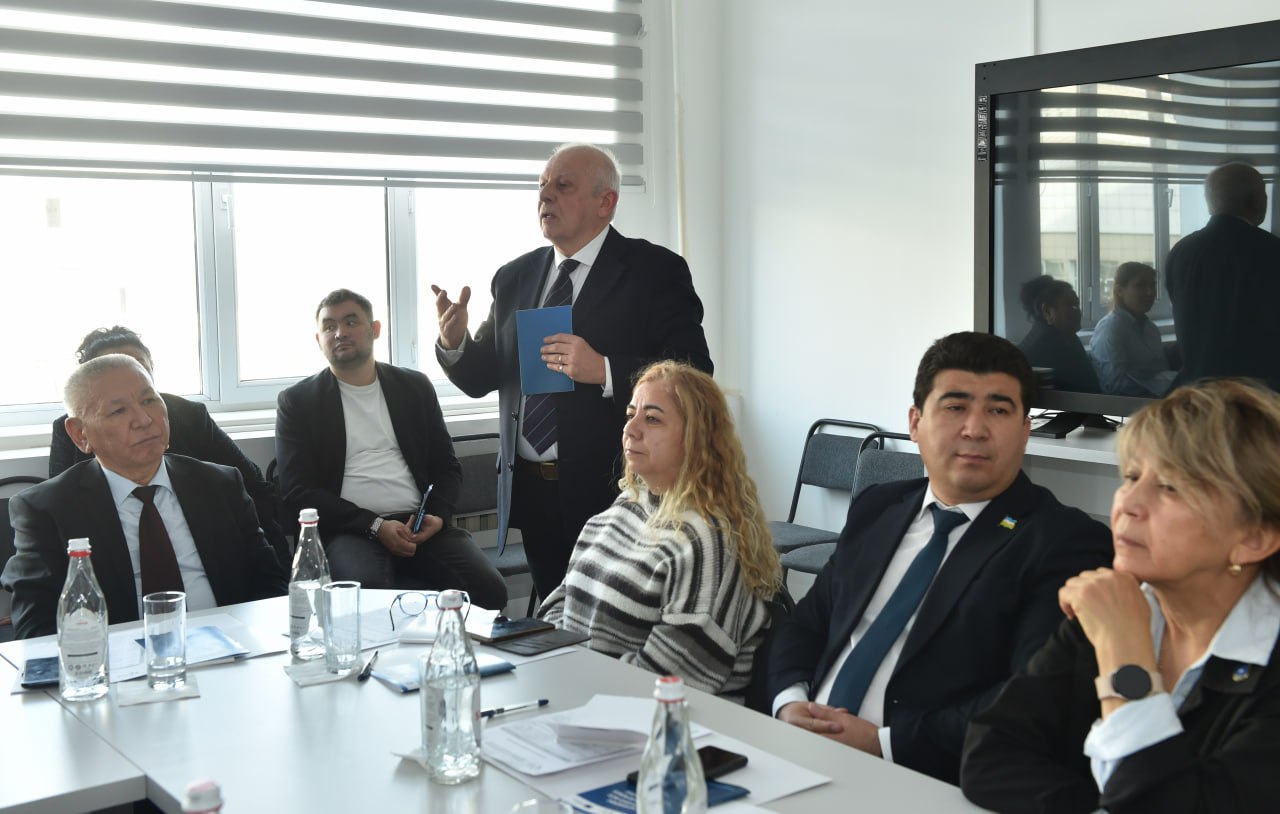
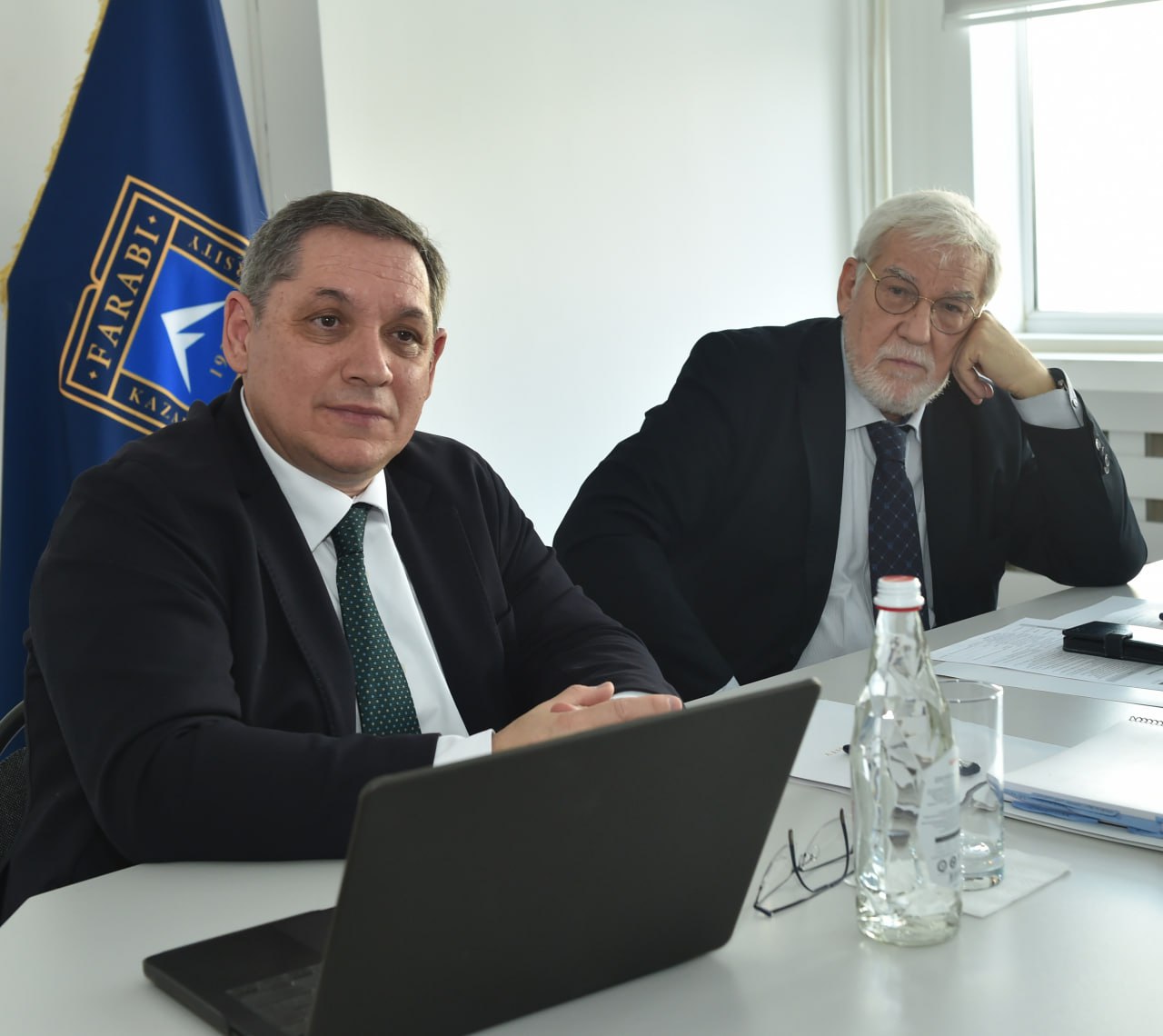
Laura Paluanova, Coordinator of the National Office of Erasmus+ in Kazakhstan, spoke at the plenary session. She stressed that the project is one of the most successful initiatives to strengthen cooperation between the European Union and Central Asian countries. According to her, LESLIE creates conditions for the introduction of microqualifications, digital tools and innovative educational approaches. Javier Rodrigo-Ilarri, Project Coordinator, noted the importance of systematic collaboration between partners and synchronization of key processes to achieve sustainable results.
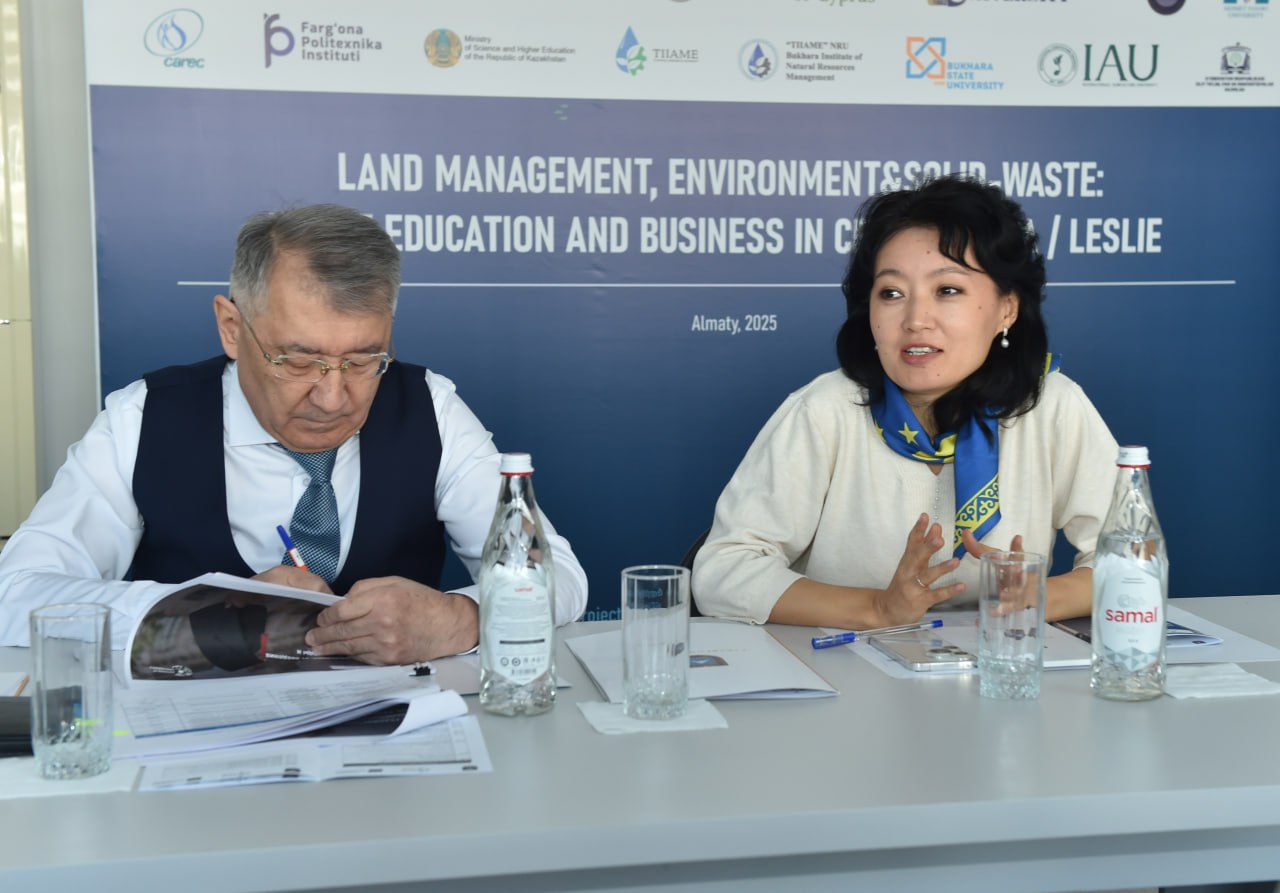
During the working sessions, the participants discussed the concept and practice of introducing microqualifications in Kazakhstan, presented by the first vice-rector of Astana IT University, Serik Omirbayev. The key work packages of the project, such as management, quality assurance, development of educational modules, creation of online tools and mechanisms for the dissemination of results, were considered. Each section was accompanied by open discussions, during which actual tasks were identified and further steps were agreed upon.
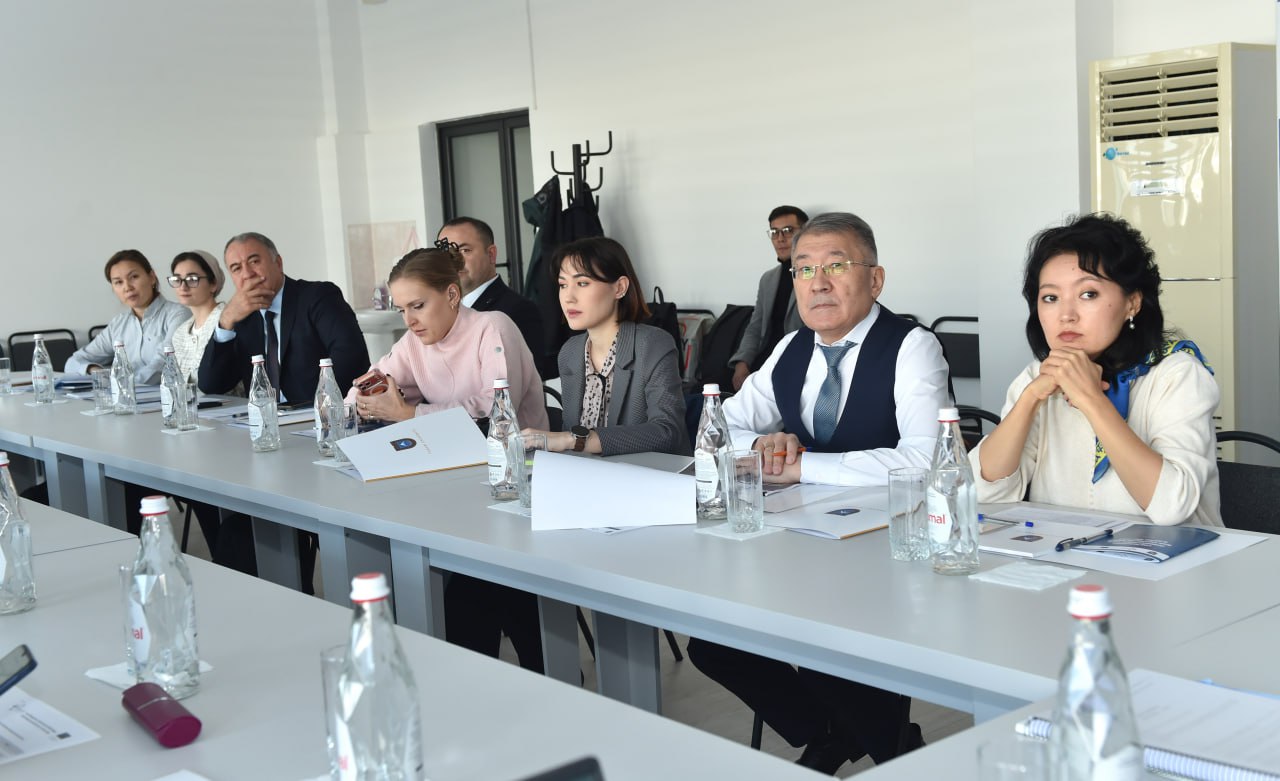
A separate section of the program was devoted to teamwork, where university representatives worked out the criteria for developing microqualifications, as well as the structure of the LESLIE catalog. As a result of the discussions, the results of the interim work were summarized and the areas of activity for 2026 were determined.
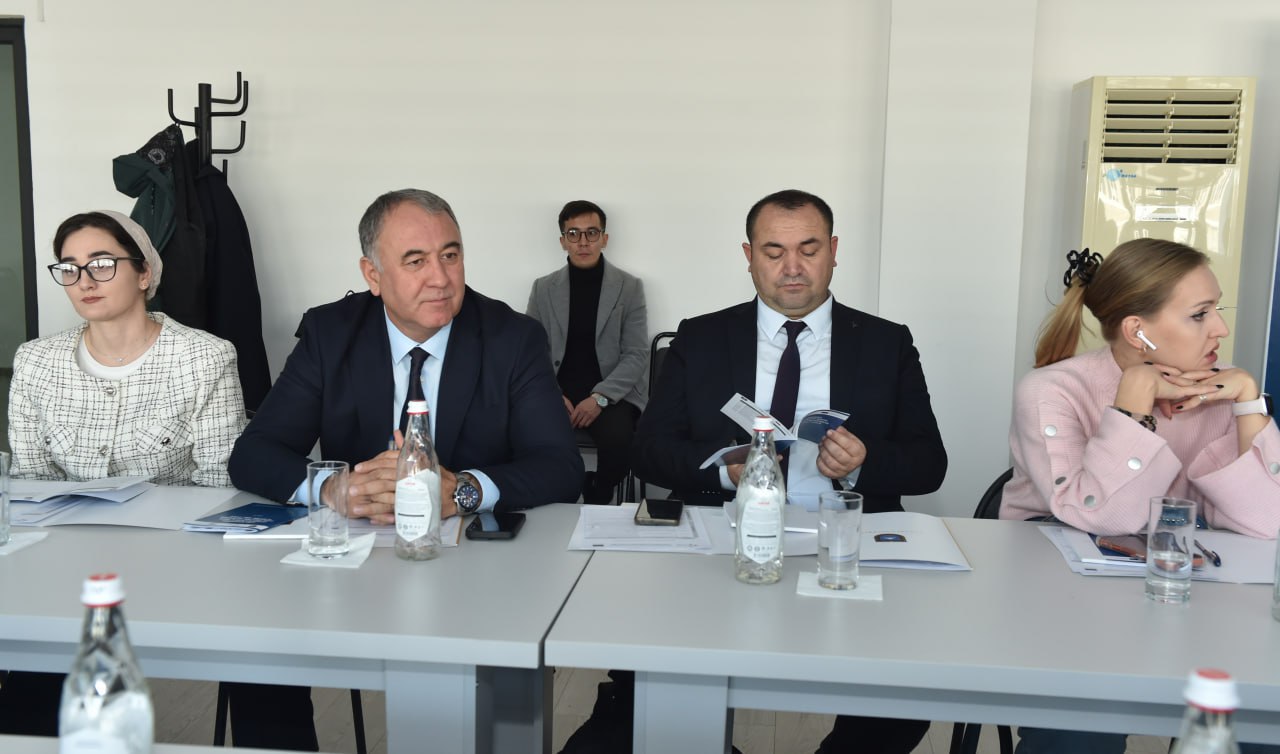
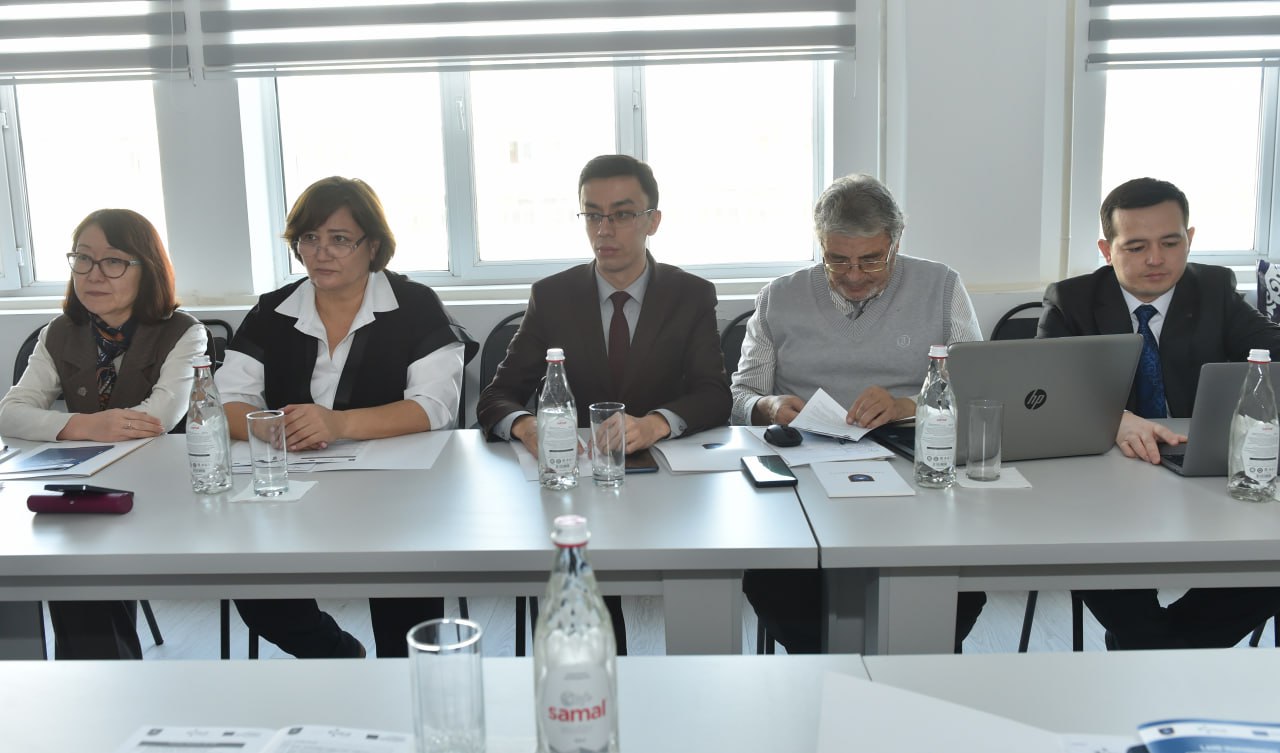
The meeting participants confirmed their willingness to continue cooperation and develop educational practices aimed at training specialists in the field of sustainable management of natural resources and environmental protection. The program of meetings is designed for two days, during which the partners will also get acquainted with the history and research base of the university.
Press-service of Al-Farabi Kazakh National University