Professional and Scientific Observations from the Sakura Science Study Program in Japan
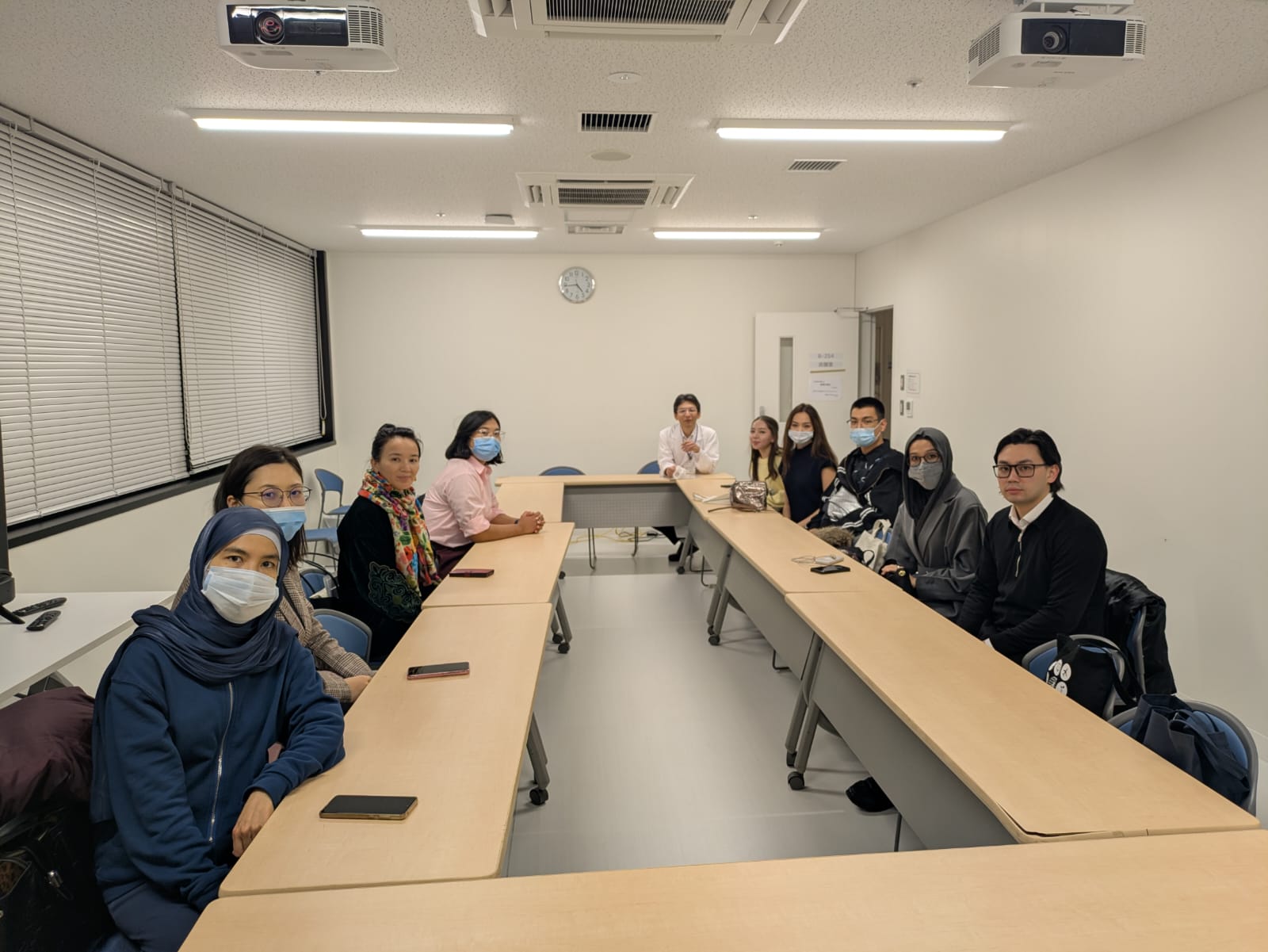
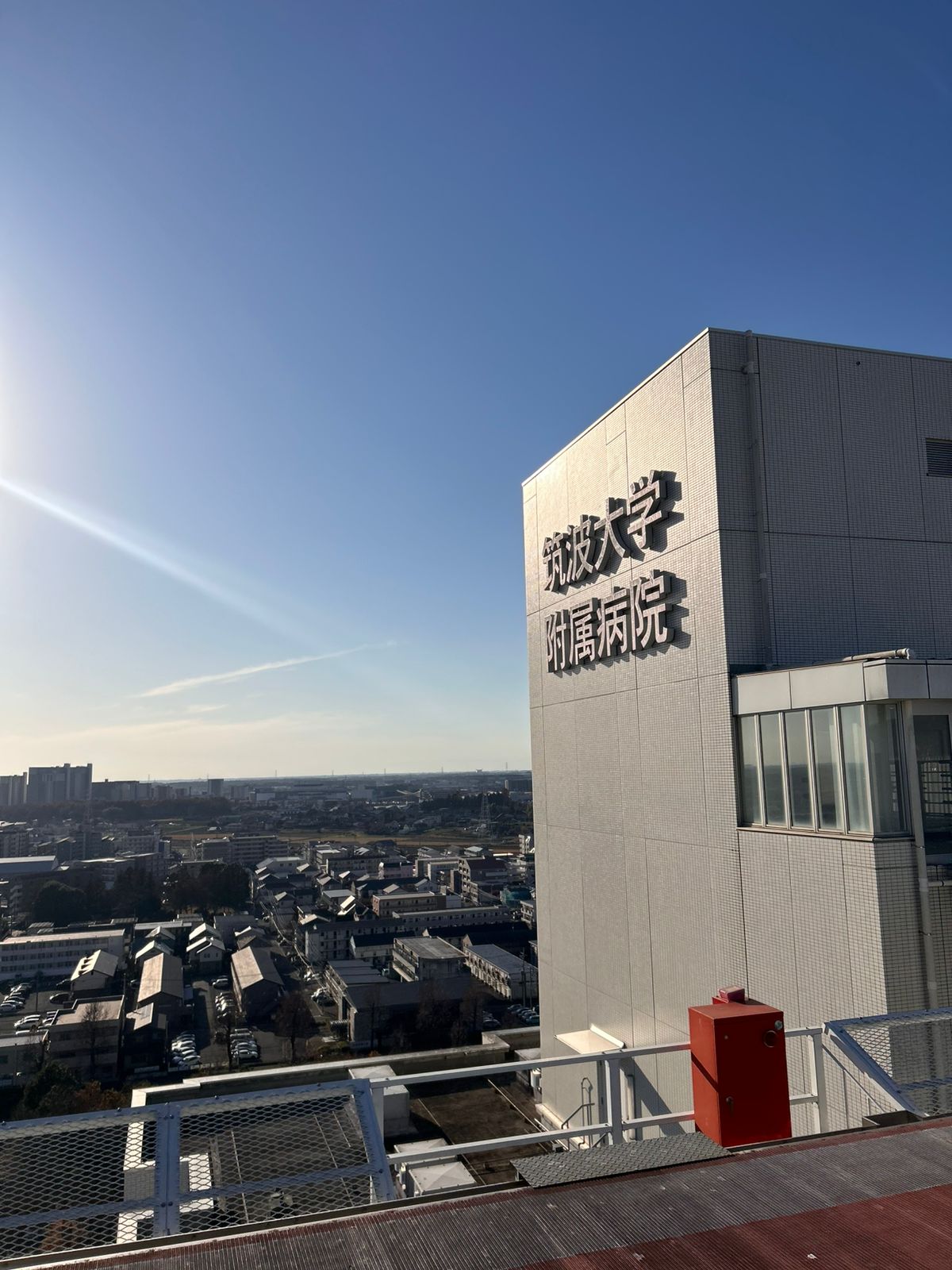
The trip to Japan under the Sakura Science Program was designed to provide a scientific examination of the Japanese healthcare system and represented a significant stage in my academic development. The program’s theme—Studying Japanese health from a scientific perspective—enabled the integration of my accumulated knowledge of Japan, gained through several years of studying the language and culture, with direct exposure to the country’s contemporary medical practices and technological innovations. Due to prior academic preparation and sustained interest in Japanese studies, the experience fully met my expectations and proved to be even more comprehensive and insightful than anticipated. The academic component of the program included lectures, laboratory visits, discussions, and practical sessions addressing a broad range of topics within medical science. The visit to the Department of Infectious Diseases, the introduction to public health principles, and the observation of ongoing research projects collectively provided an understanding of how scientific activities are incorporated into the national healthcare infrastructure. A particularly noteworthy aspect of the program was the visit to Cyberdyne Studio, where robotic prostheses and rehabilitation technologies were presented. Observing these technologies in practical application demonstrated Japan’s advanced level of technological development and its commitment to promoting patient-centered and innovation-driven medical care. Engagement with the University of Tsukuba campus constituted another important element of the trip. From the outset, the environment reflected strict research discipline, a high degree of technological sophistication, and elevated academic standards. This setting fostered both intellectual motivation and a strengthened determination to further advance my proficiency in the Japanese language, as linguistic competence is essential for a deeper understanding of scientific processes and interdisciplinary methodologies. The cultural dimension of the program was also of considerable significance. Visiting Asakusa and viewing a Buddhist temple provided an opportunity to engage directly with Japan’s historical and cultural heritage, previously studied only in theory. The experience emphasized the strong societal regard for tradition and cultural continuity, observable in both architectural forms and patterns of social behavior. Additionally, the overall cleanliness, orderliness, and collective discipline characteristic of Japanese daily life were notable observations. The experience gained through the Sakura Science Program had a substantial impact on my academic and professional orientation. Observing the work of Japanese researchers and visiting advanced laboratories reinforced my intention to further pursue Japanese studies and refine my linguistic and research competencies. Upon completion of the program, I felt deep appreciation for the opportunity to observe Japan’s scientific environment firsthand, alongside a strong motivation to return, continue my academic progression, and expand my research interests. The trip served as an important catalyst for personal development, broadened my professional perspective, and provided clarity regarding the future direction of my scholarly work.
Amina Nurgali, a 4th-year student of the Department of Far Eastern Studies
.jpeg)