It should be noted that in 2024, KazNU and NWPU signed an agreement on conducting joint scientific research on microsatellites. This agreement was reached during the official visit of the President of Kazakhstan, Kassym-Jomart Tokayev, and the President of the People’s Republic of China, Xi Jinping.
KazNU and NWPU joint nanosatellite launched into orbit
15 december, 2025

On December 13, 2025, at 09:08 Beijing time, the China–Kazakhstan nanosatellite successfully entered orbit at an altitude of 530 km. This spacecraft for scientific research was developed jointly by Northwestern Polytechnic University (NWPU) and Al-Farabi Kazakh National University.
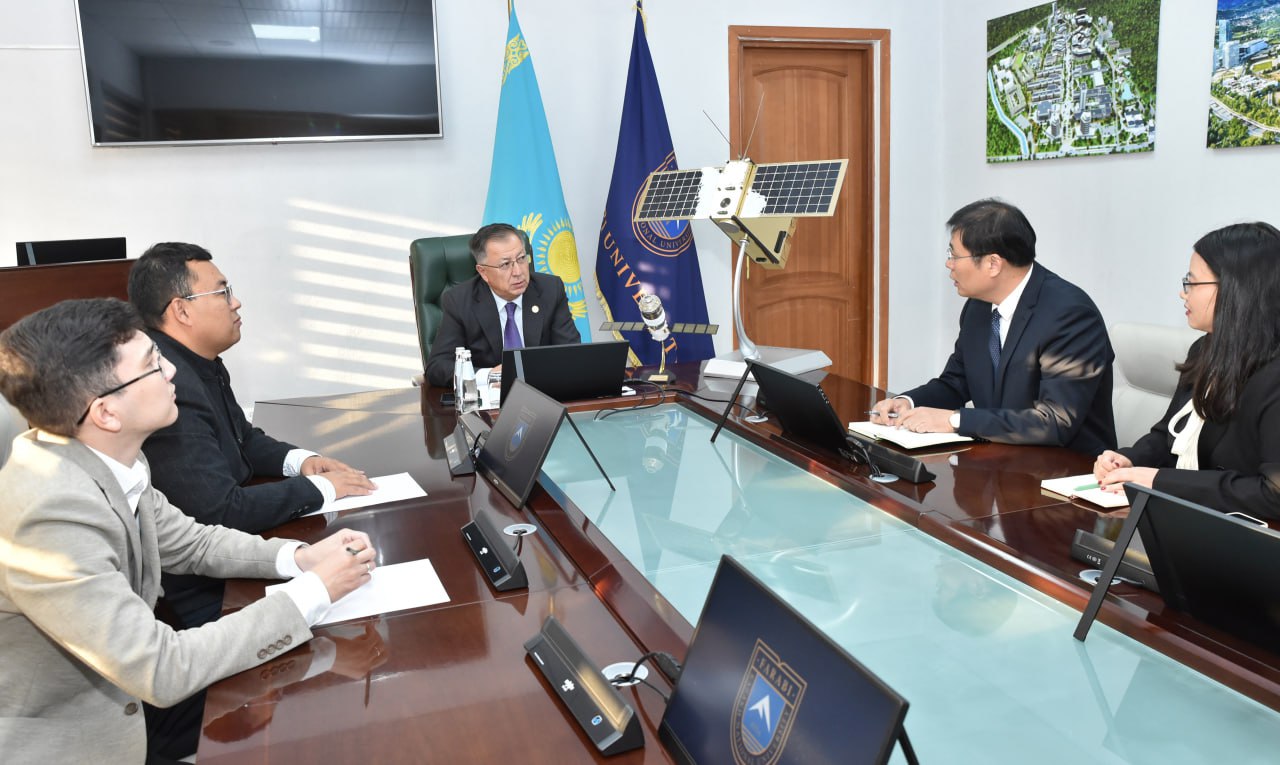
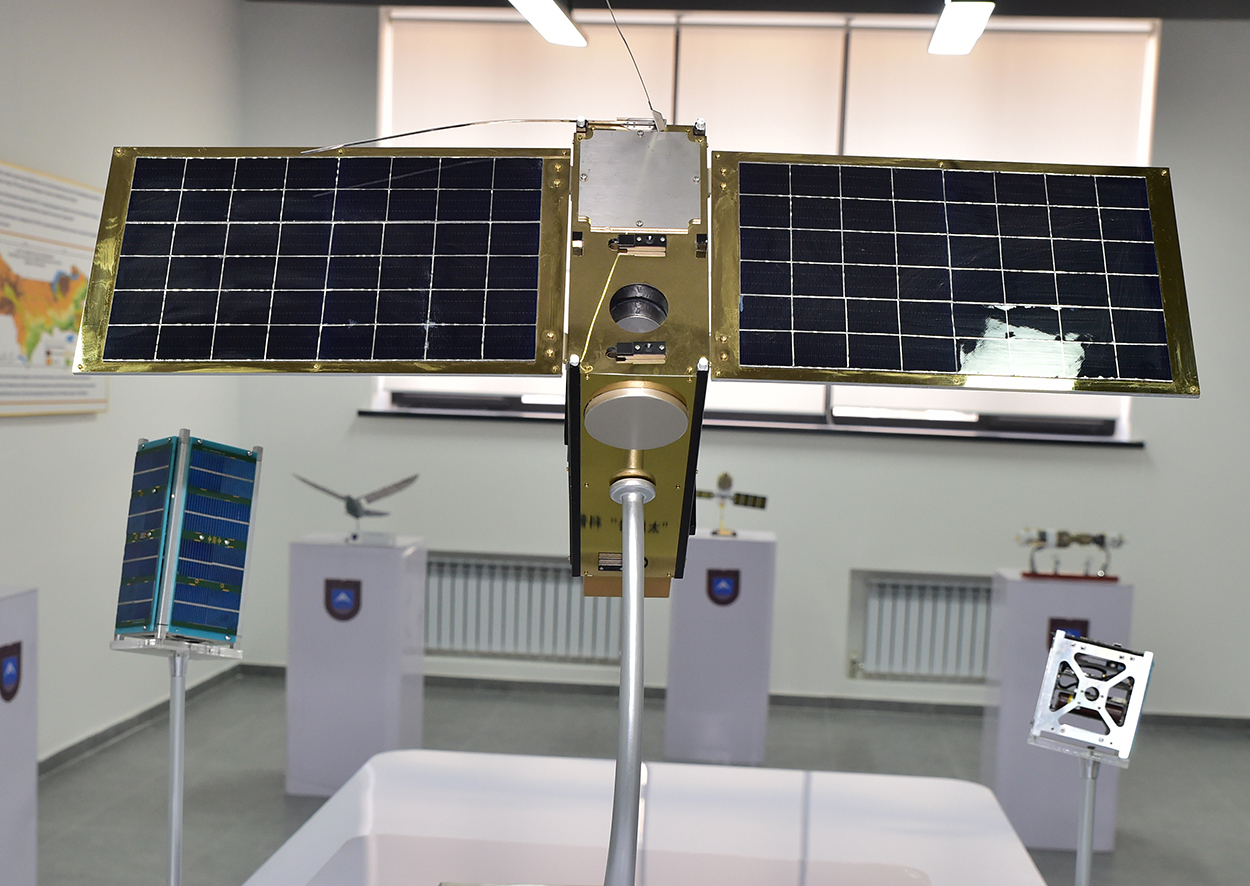
The nanosatellite performs several key tasks: highly stable maneuverable tracking of targets, dynamic perception and orientation compensation of the platform based on flexible sensors, as well as autonomous image recognition of remote sensing based on the open-source OpenHarmony operating system.
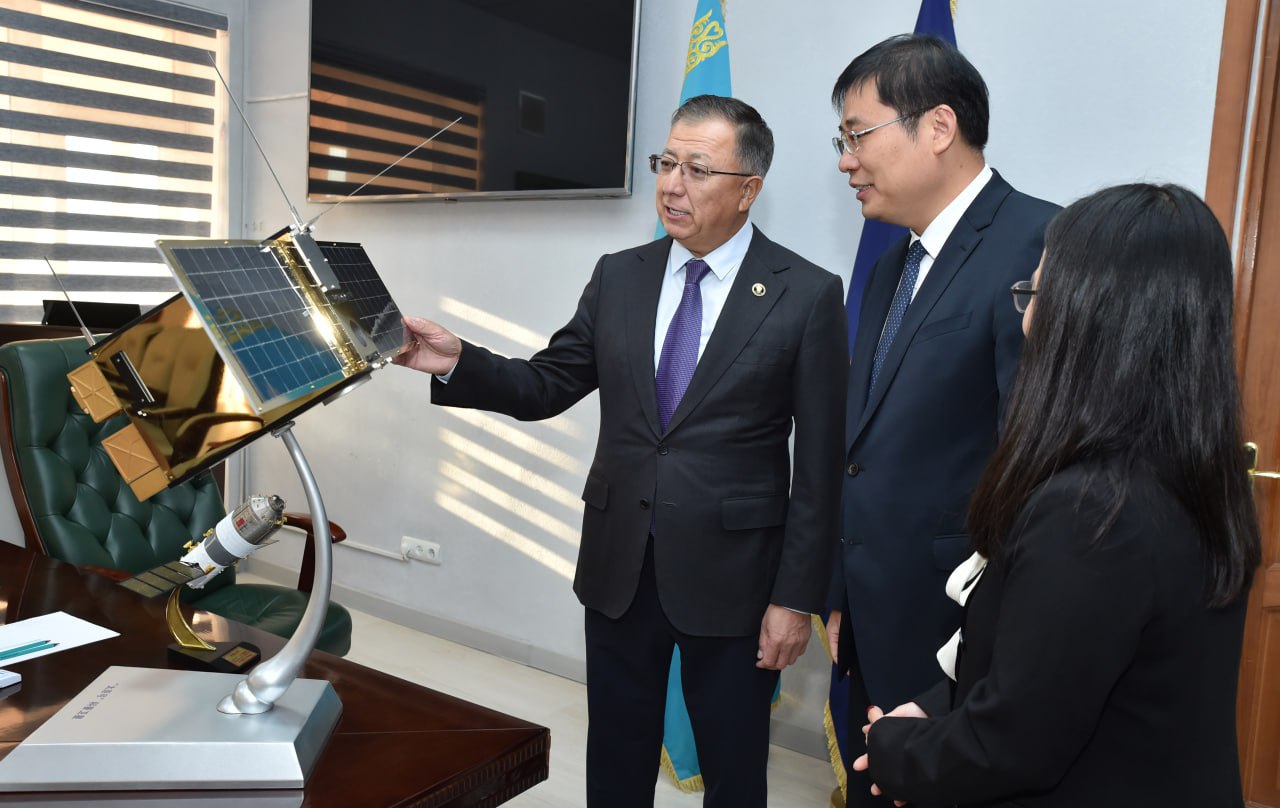
The development has four main advantages: high economic efficiency due to the use of commercial components and innovative design; high stability and accuracy of guidance; high computing power for adaptive compensation of orientation errors; high responsiveness for fast data transmission to the Ground.
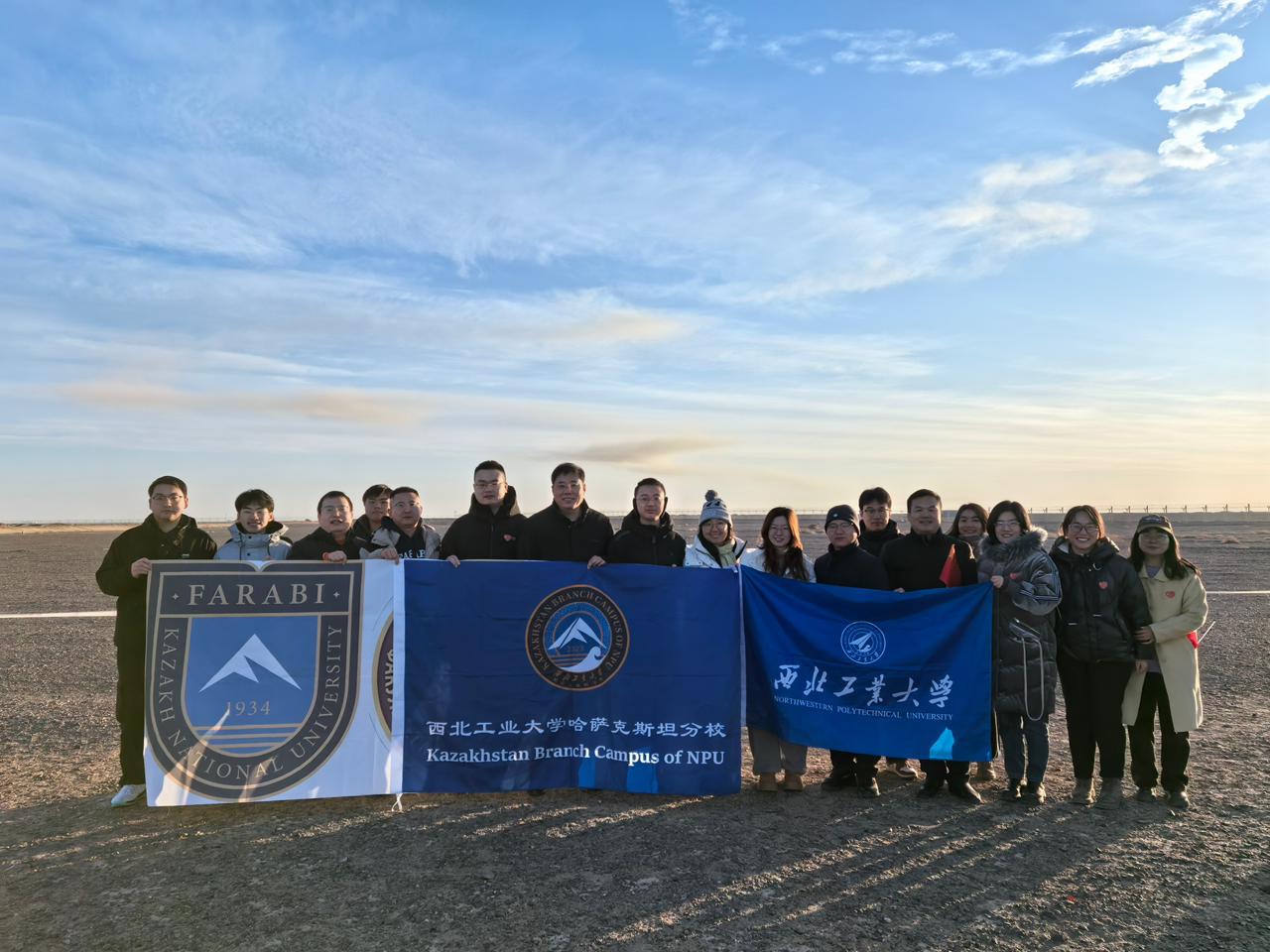
The project was implemented with the support of the NWPU branch based at KazNU, the National Laboratory for Joint Research within the framework of the "Belt and Road" initiative, the Aerospace Institute and the National Key Laboratory of Flexible Electronics.
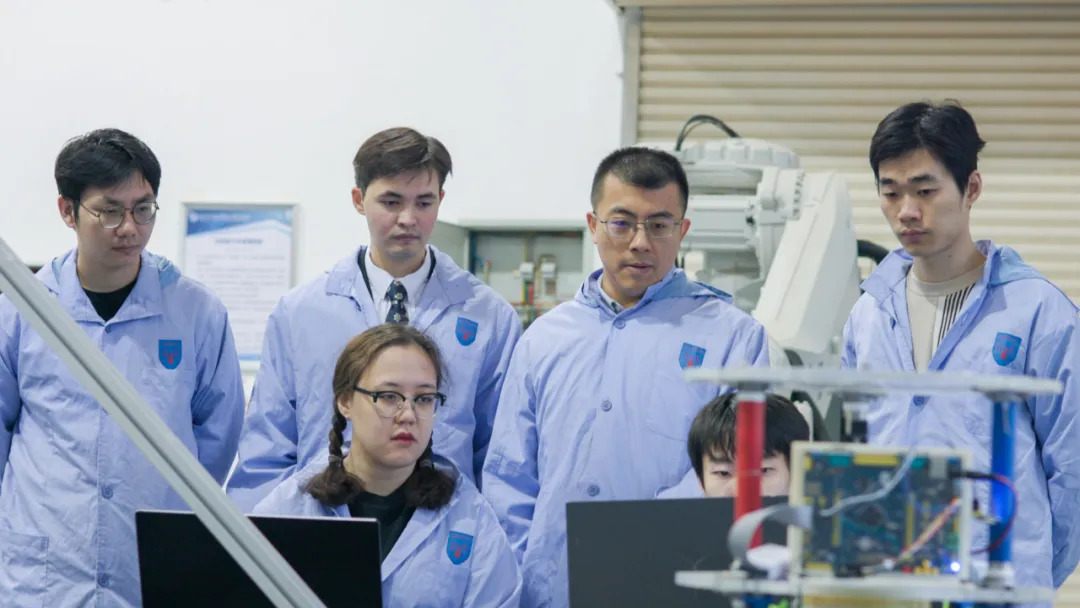
The project consultant was Academician Huang Wei, the general supervisor was Professor Yue Xiaokui, and the deputy supervisor was Professor Zaure Rakisheva of KazNU. More than 20 specialists and young researchers from China and Kazakhstan participated in the joint research group.
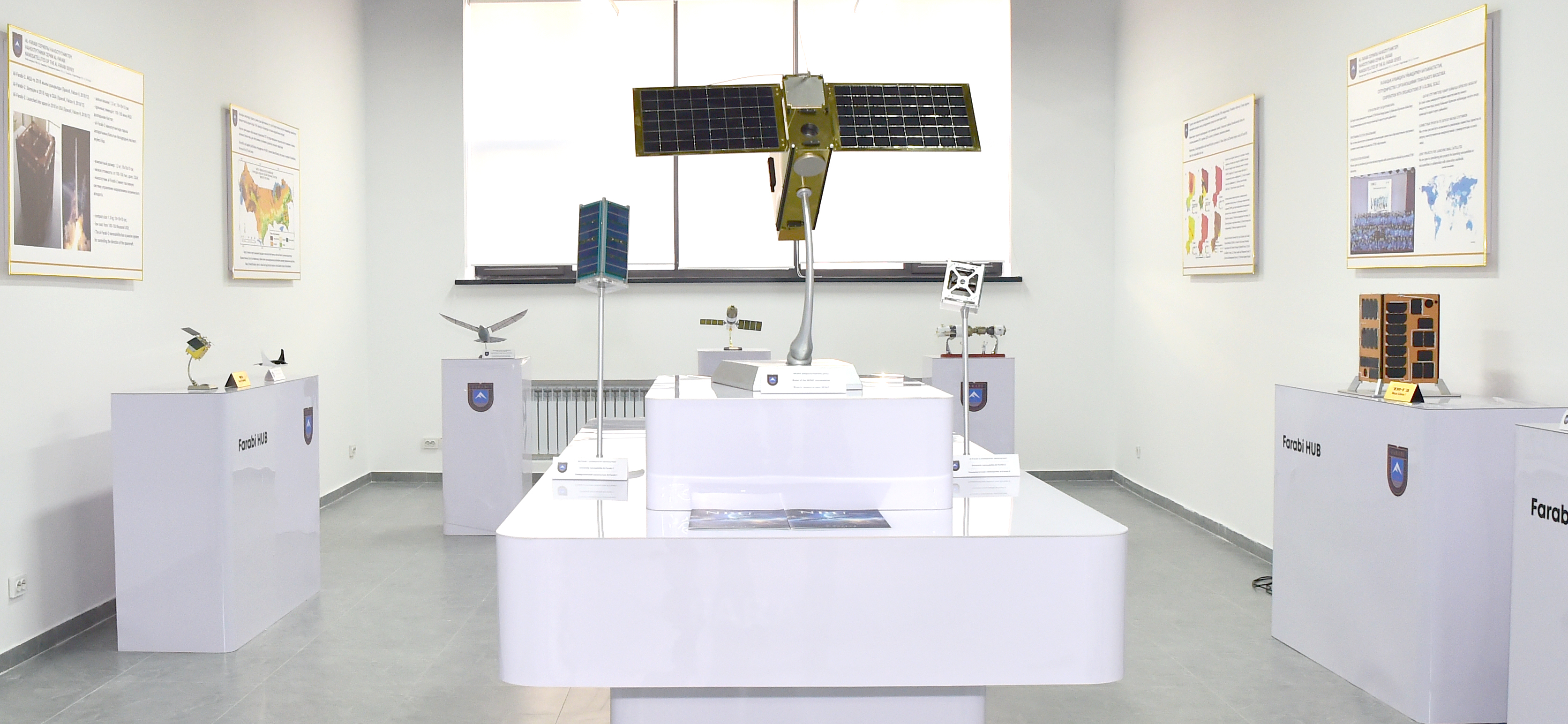
Working together opens up new opportunities for space exploration, training qualified specialists, and developing joint satellites. In addition, the project provides the possibility of remote exploration of the Earth using a microsatellite.
Additional information is available on Chinese websites: https://mp.weixin.qq.com/s/ws2Sri6_wNtTrZGkTEInWA.
Press-service of Al-Farabi Kazakh National University