- Main
- News
- Independence Day of the Republic of Kazakhstan: Legal Foundations, Historical Memory, and National Values
Independence Day of the Republic of Kazakhstan: Legal Foundations, Historical Memory, and National Values
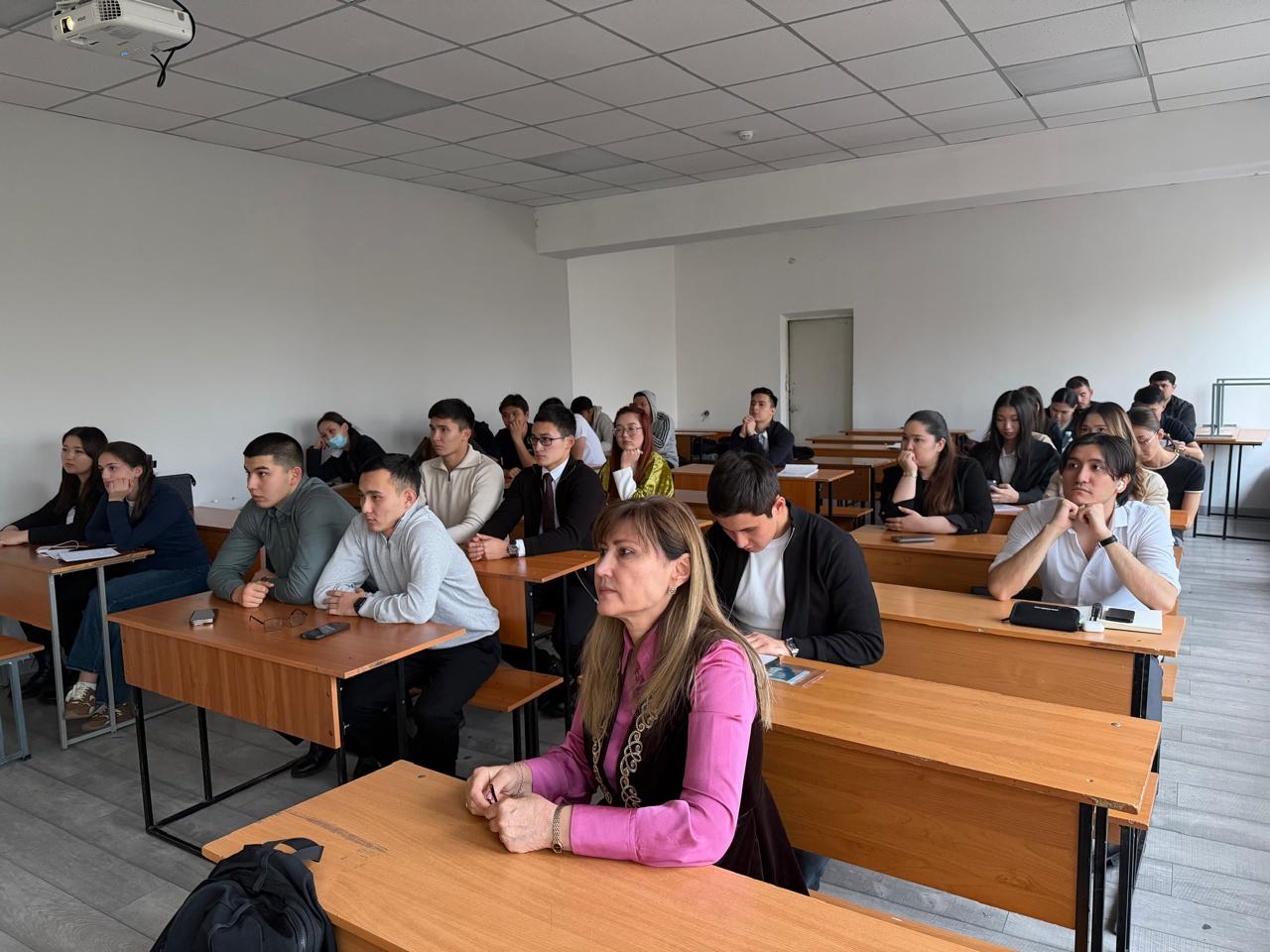
Within the framework of implementing Sustainable Development Goals 4 and 16, as planned by the leading Department of Theory and History of State and Law, Constitutional and Administrative Law of the Faculty of Law of Al-Farabi Kazakh National University, and on the eve of the Independence Day of the Republic of Kazakhstan, educational seminars were held on December 11–12, 2025. The events were organized under the guidance of the leading lecturer, Doctor of Law N. Kh. Kalisheva, with the participation of active members of the “Fair Law” academic community. The seminars were conducted by fourth-year students majoring in “Law Enforcement Activities,” Bogdan Zhakytov and Sabina Arezimova, for various cohorts of graduating bachelor’s students. December 16 is a day of remembrance of the national heroes of Kazakhstan. In recent years, the Addresses of the President of the Republic of Kazakhstan have consistently emphasized the importance of independence as the foundation of the country’s sovereignty and sustainable development. This year, marking the 34th anniversary of the Law on State Independence of the Republic of Kazakhstan, we look back to reflect on the significance of these years for strengthening the national economy, developing culture, and enhancing Kazakhstan’s international standing.
Over the years of independence, Kazakhstan has achieved substantial progress - from dynamic economic growth to the strengthening of civil society and improvements in the quality of life of its citizens. This path has become possible due to the country’s firm position on the international stage, the implementation of reforms, and a consistent commitment to national prosperity.
It is important to note the enduring relevance of the ideas expressed by President Kassym-Jomart Kemelevich Tokayev in his article “Independence Above All,” where he emphasizes that “the main goals of the fourth decade are a strong state and a competitive nation.” Particular attention should also be paid to the President’s speech at the National Kurultai, in which he stated that Republic Day should become a symbol of the country’s bold step toward statehood. While remaining the main national holiday, this day, according to the Head of State, should also be observed as a day of remembrance for national heroes who made a significant contribution to achieving independence.
The Constitutional Law on State Independence, while affirming the right of the Kazakh nation to self-determination, recognized the “united people of Kazakhstan” as the sole source of state power in the Republic. Alongside the Kazakh nation, this people consists of citizens of all nationalities united by a shared historical destiny. The complex tasks of systemic transformation of society aimed at its sustainable development can only be addressed in the presence of an effective governance system at all levels of state authority.
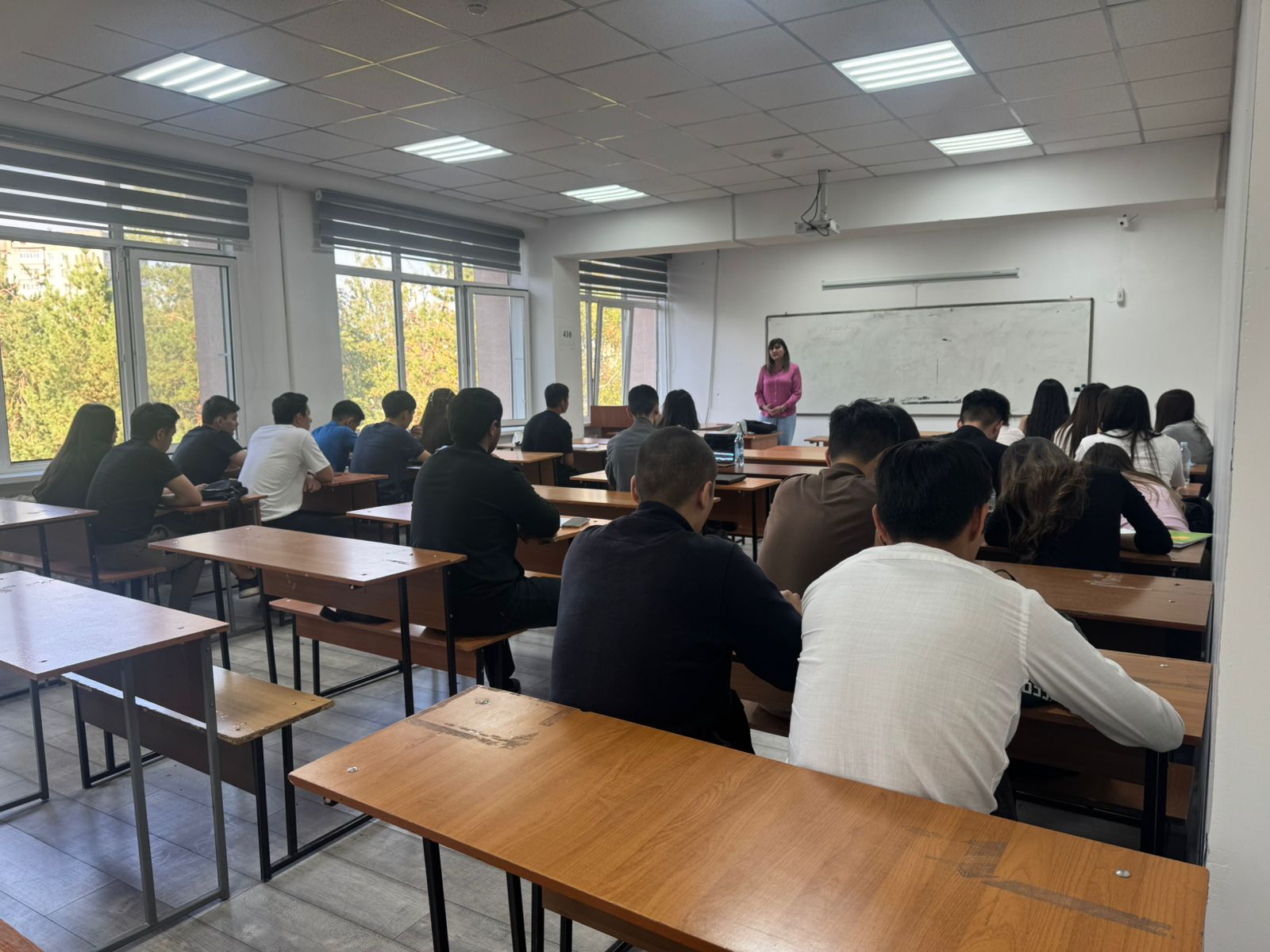
It should be emphasized that independence is a multidimensional and complex process. It represents a state of society that is formed gradually, with the participation of many interrelated components. For example, the independence of a state is inconceivable without its territorial integrity, indivisibility, and inviolability. State independence is an integral part of the concept of sovereignty, understood as the right to independently make decisions in political, economic, and social spheres. Historically, for Kazakhstan, independence has meant liberation from external influence and the affirmation of national identity.
The realities of modern life demonstrate that the exercise of rights and opportunities associated with economic sovereignty largely depends not only on the system of existing and dynamically evolving legislation, but also on political will and concrete political decisions. This underscores the significance of political mechanisms for the implementation of sovereignty within the country. In this context, the content of the concept of independence and the practical realization of the principle of sovereignty play a decisive role. Sovereignty is a key category that characterizes the extension of power to a particular sphere - from the authority of an individual within the family and over personal property to the structures and branches of state power - and reflects the degree of autonomy of the authority vested in a subject by law or tradition. It serves as both an expression and a measure of the independence of power within the limits of its jurisdiction.
The concept of independence and the mechanisms for its practical implementation belong to the political mechanisms through which sovereignty is materialized. These mechanisms are ensured legislatively across all areas, including economic, political, military-strategic, and other spheres, through laws and regulatory acts that implement the fundamental principles enshrined in the Constitution of the state. The history of a country’s independence must be studied comprehensively and systematically. In this regard, at Al-Farabi Kazakh National University, significant attention is devoted at the Faculty of Law to issues of constitutional and legal development. The Department of Theory of State and Law, Constitutional and Administrative Law serves as the flagship of education in this field.
Department of "Theory of State and Law, Constitutional and Administrative Law"