- Main
- News
- KazNU consolidates the efforts of American and Kazakh science and civil society to achieve the Sustainable Development Goals. The Kazakh-American Cytomatrix Research Center marks a new milestone in the fight against cancer.
KazNU consolidates the efforts of American and Kazakh science and civil society to achieve the Sustainable Development Goals. The Kazakh-American Cytomatrix Research Center marks a new milestone in the fight against cancer.
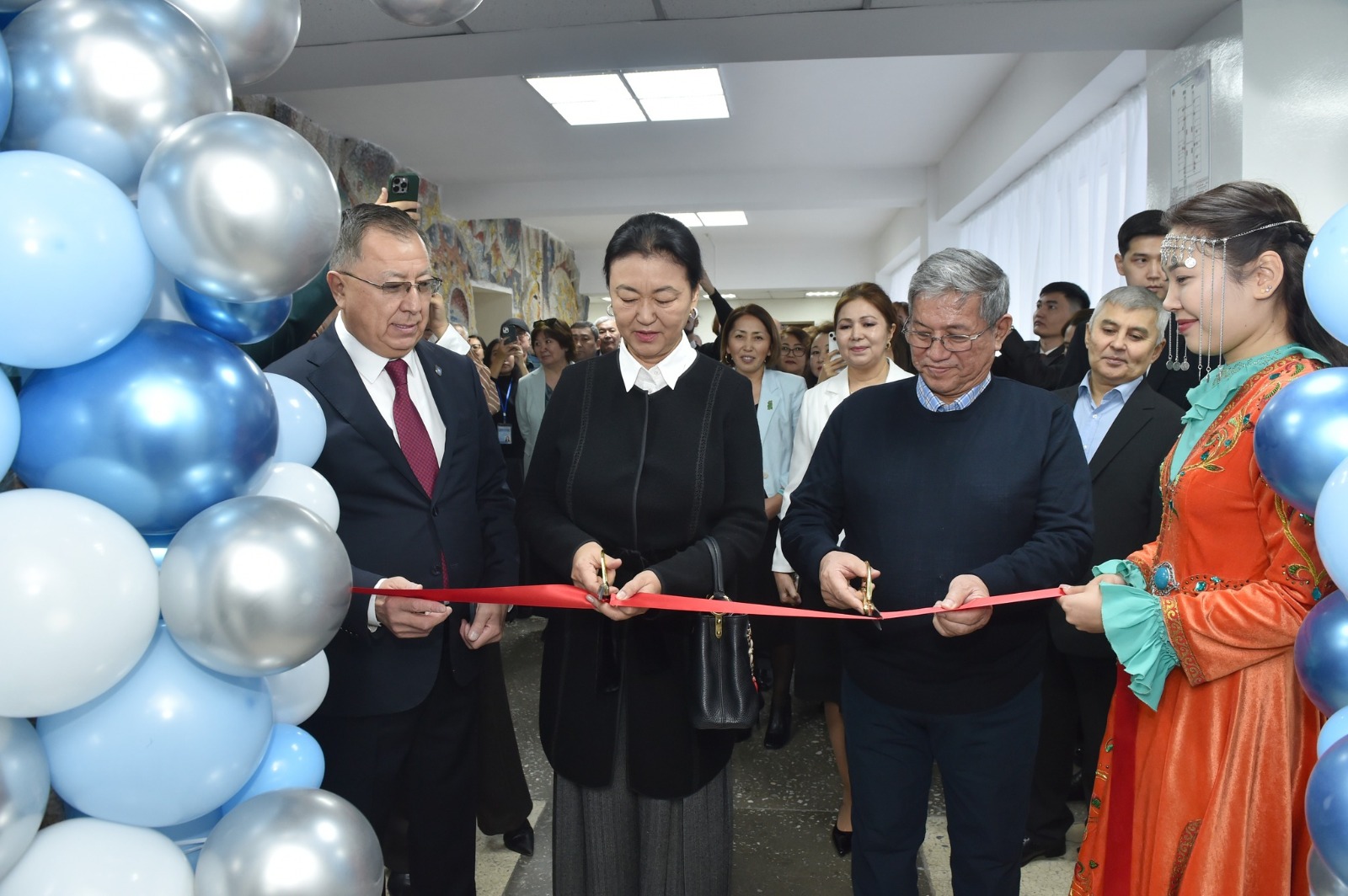
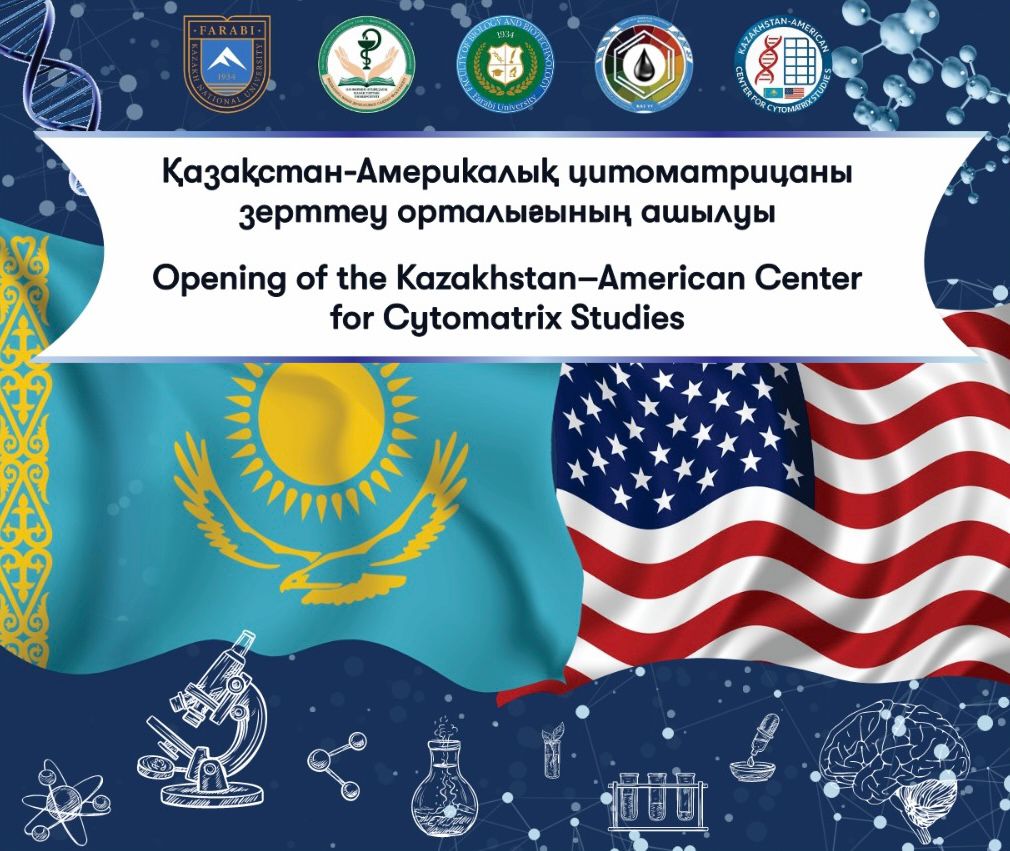
On November 27, 2025, the Kazakh-American Center for Cytomatrix Research was officially opened at al-Farabi Kazakh National University. This innovative research platform unites the efforts of Kazakh and American scientists, domestic research institutes, leading medical clinics, and civil society to address one of the most pressing global health challenges: the fight against cancer.
The opening of the center is the result of many years of international cooperation. An agreement on its creation was signed on July 6, 2024, between Al- Farabi KazNU and the American company Peri - Nuc Labs LLP , headed by University of Houston professor Tattym Shaiken is a world-renowned expert in the field of cell biology and oncology.
A large-scale partnership for science and health
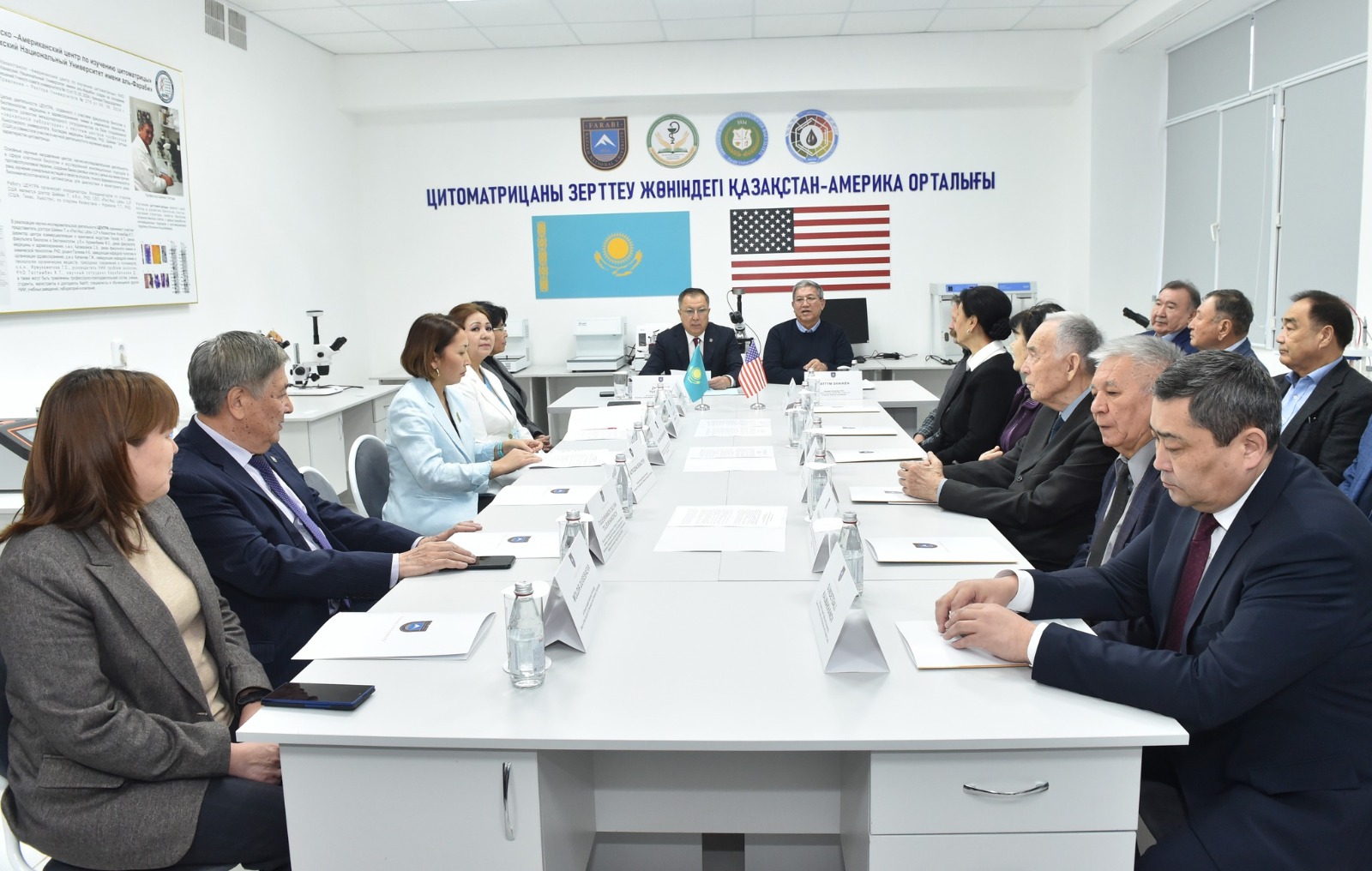
Key representatives of Kazakhstan's scientific and medical community took part in the center's opening ceremony:
Zhanseit Tuimebaev , Chairman of the Board and Rector of Al- Farabi Kazakh National University , emphasized the strategic importance of the center for the development of domestic science and the fulfillment of the presidential order to improve science and implement artificial intelligence.
Tattym Shaiken - CEO of Peri - Nuc Labs LLP , Professor at the University of Houston (USA), presented a scientific presentation on the revolutionary properties of cytomatrix and promising areas of joint research in studying the behavior of cancer cells.
Saltanat Baykoshkarova , scientific director of the ECOMED clinic, a doctor of biological sciences and professor, noted the project's significance for the recognition of Kazakhstani science at the international level and the opening of new opportunities for young researchers.
Gulmira Zhurabekova , Deputy Chair of the Board of the Kazakh Research Institute of Oncology and Radiology, expressed confidence that the center will strengthen the scientific potential of Kazakhstan's oncology industry.
The event was also attended by representatives of Russian research institutes, leading city clinics, renowned scientists, experts, students, master's students, and doctoral students from the university—more than 150 people united by the common goal of fighting cancer.
Scientific Breakthrough: From Cytoplasm to Victory over Cancer
Scientists at the new center will focus on in-depth research into the structure of the cytomatrix —a complex network of protein fibers that permeate the cell's cytoplasm and play a critical role in cellular processes, including division, migration, and intercellular communication. Understanding how the cytomatrix changes in tumor cells opens up fundamentally new approaches to cancer diagnosis and treatment.
Tattym noted Shaiken said in his presentation: "Currently, scientists around the world are conducting various studies on the removal and treatment of cancer. Our main goal is precisely this. We will work to prevent cancer development in cells by studying the cytoplasm."
Center will become platform For :
· Fundamental research into the structure and functions of the cytomatrix
· Studying the biology of cellular changes in tumor cells
· Development of innovative methods for early cancer diagnosis
· Development of new therapeutic approaches to the treatment of cancer
· Training of highly qualified scientific personnel of the new generation
· Creation of a large research and innovation cluster
Open Science for the Public Good
The event's open nature gave it particular significance. Following the opening ceremony and Professor Shaiken's scientific presentation , a public lecture was held, during which the leading American scientist presented an accessible presentation to a wide audience on the nature of cancer, modern approaches to its study and treatment, and answered numerous questions from the audience.
Guests were given a special tour of the university's research centers and laboratories, demonstrating the capabilities of modern biomedical science and the equipment that will be used in the center's work. KazNU students will have the unique opportunity to complete an internship, working on the center's cutting-edge equipment under the guidance of leading specialists from Kazakhstan and the United States.
This format of the event ensured the involvement of civil society in understanding the importance of scientific research and its direct impact on the health and well-being of each person.
The Center's contribution to achieving the UN Sustainable Development Goals
The establishment of the Kazakh-American Center for Cytomatric Research is a clear example of how Al- Farabi Kazakh National University is consolidating the efforts of international science, domestic research institutes, medical institutions, and civil society to achieve the UN Sustainable Development Goals.
SDG 1 (No Poverty)
Cancer is a leading cause of financial devastation for families worldwide. The high cost of cancer treatment often pushes families into poverty. The development of innovative, more effective, and accessible methods for early cancer diagnosis and treatment directly reduces the economic burden of the disease. Access to high-quality scientific education and medical knowledge for all segments of the population contributes to improved living standards and creates opportunities for economic growth through the development of the biotechnology industry.
SDG 3 (Good health and well-being)
The center works directly to improve public health, focusing on one of the leading causes of death worldwide—cancer. Cytomatrix research can lead to breakthroughs in understanding the mechanisms of cancer development, early diagnosis, and the development of new treatments. Professor Shaiken's public lecture and the dissemination of knowledge about the nature of cancer directly impact public health by increasing health literacy and promoting disease prevention.
SDG 4 (Quality Education)
The center creates unique educational opportunities for KazNU undergraduate, graduate, and doctoral students , who will gain access to cutting-edge equipment and methodologies and the opportunity to work alongside leading international experts. Open lectures and tours for the general public contribute to improving scientific literacy and promoting biomedical sciences. Training highly qualified specialists in cell biology and oncology strengthens Kazakhstan's human capital.
SDG 8 (Decent Work and Economic Growth)
Developing the university's research potential and creating a world-class center contributes to the development of Kazakhstan's innovative economy. The center creates highly skilled jobs for scientists, laboratory technicians, bioinformaticians , and other specialists. Training biotechnology professionals paves the way for the development of the biopharmaceutical and biotechnology industries, facilitating economic diversification and sustainable growth.
SDG 9 (Industry, Innovation and Infrastructure)
The center is an integral part of Kazakhstan's modern scientific and innovative infrastructure. The introduction of advanced cell structure research technologies, the use of high-tech equipment, and molecular biology methods strengthens the country's technological potential. As Rector Zhanseit noted, Tuimebaev , plans are underway to create a large research and innovation cluster at the center, which will facilitate the industrialization of the biomedical sector.
SDG 10 (Reduced Inequalities)
The event's open format and accessibility of scientific knowledge to all city residents contribute to reducing inequality in access to education and information. Participants—from students to medical professionals from various institutions, from professional scientists to interested citizens—were given equal access to the world expert's presentation and the opportunity to ask questions. The center will facilitate the training of specialists from various regions of Kazakhstan, reducing geographic inequalities in access to high-quality scientific education.
SDG 17 (Partnership for Sustainable Development)
The center is a shining example of effective international partnership. The collaboration between Al- Farabi KazNU (Kazakhstan), the University of Houston , and Peri - Nuc Labs LLP (USA), the Kazakh Research Institute of Oncology and Radiology, the ECOMED Clinic, and other scientific and medical institutions demonstrate how the combined efforts of academic institutions, commercial laboratories, medical clinics, and civil society create synergies to address global health challenges. The project opens channels for the exchange of knowledge, technologies, and best practices between countries.
Science as a factory of the future
In his speech, Rector Zhanseit Tuimebayev quoted Kazakh President Kassym-Jomart Tokayeva : "The primary mission of science is to serve the human good. Strong universities are the true factories of the future, where ideas are born, barriers are overcome, and the contours of a more just and harmonious world are shaped."
Cytomatric Research Center at Al- Farabi Kazakh National University is the embodiment of this philosophy in action. By consolidating the efforts of American and Kazakh science, domestic research institutes, and medical institutions, and by engaging civil society through open lectures and educational events, the university is creating a model of modern science—open, collaborative , focused on solving real problems facing humanity and serving the achievement of the Sustainable Development Goals.
The lively discussion following Professor Shaiken's lecture demonstrated Kazakhstani society's keen interest in cutting-edge scientific research. Participants received detailed answers to their questions about the nature of cancer, its treatment methods, and the prospects for new research, appreciating the opportunity to directly interact with a leading world-class specialist.
Such initiatives not only increase scientific literacy among the population but also strengthen ties between the university and society, bringing science closer to people and demonstrating its practical significance for improving the quality of life of every person.
#SDG # SustainableDevelopment # THEImpact # KazNU # SDG_KazNU # SustainableKazNU #SDG1 # NoPoverty #SDG3 # GoodHealthAndWellBeing #SDG4 # QualityEducation #SDG8 # DecentWorkAndEconomicGrowth #SDG9 # IndustryInnovationAndInfrastructure #SDG10 # ReducedInequalities #SDG17 # PartnershipsForTheGoals # CancerResearch # CellBiology # CytoMatrix # KazakhstanUSAPartnership # BiomedicalScience