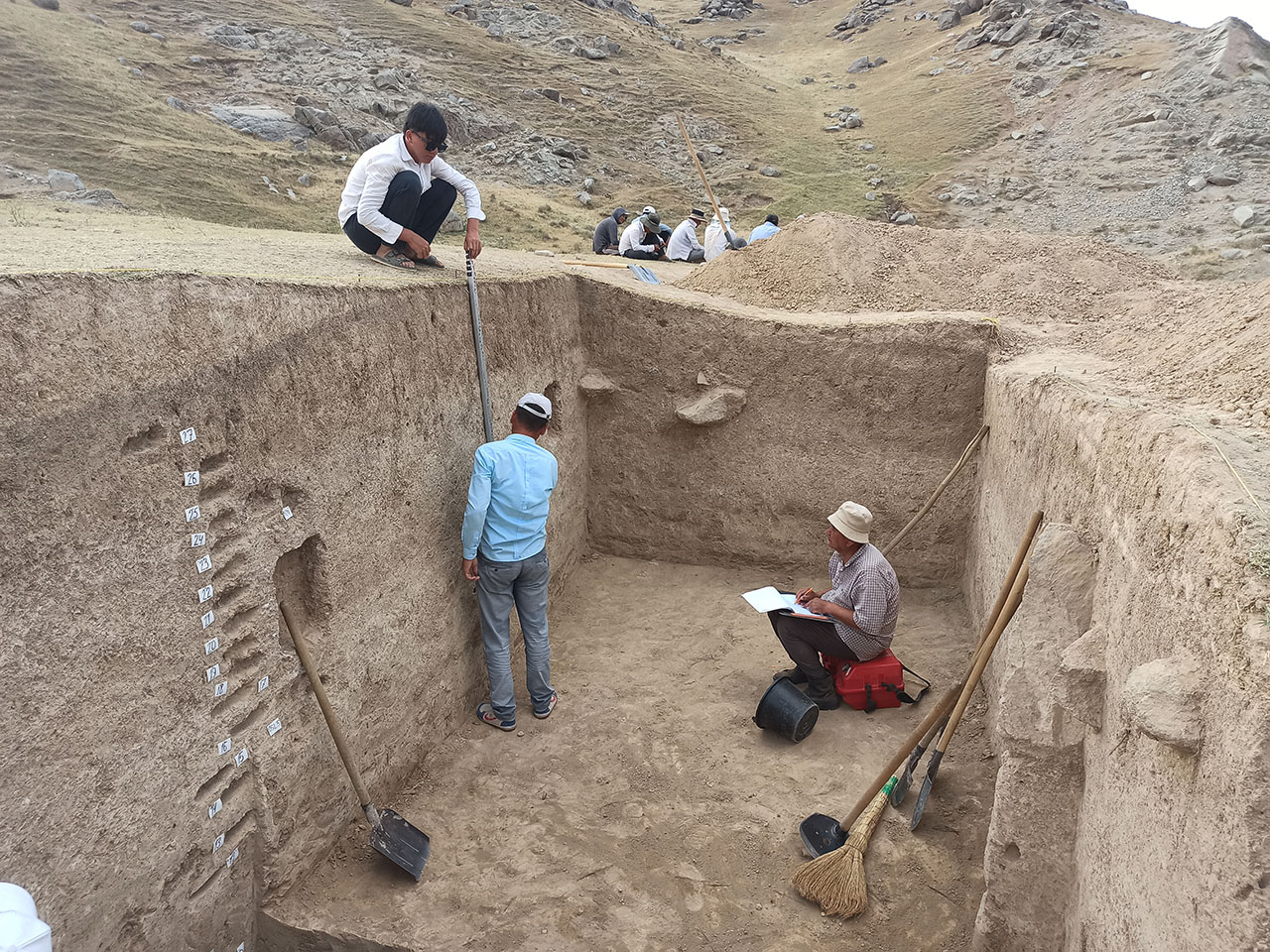
William Rendue, Director of the Kazakh-French ZooStan International Scientific Center at Al-Farabi Kazakh National University, became the winner of the grant competition of the International Institute of Central Asian Studies (MICAI).
The project "The Emergence of the Neolithic in Central Asia: the Sazagan culture and its archaeological context" received grant support. The main purpose of the study is a comprehensive interdisciplinary study of the Early Neolithic cultures of the Zeravshan region, which remains one of the least studied regions of Eurasia in the context of neolithization processes.
The archaeological sites of the Sazagan culture have been studied over the past decades under the guidance of a professor at Samarkand State University named after Sh. Rashidova, Doctor of Historical Sciences Nurmakhammad Kholmatov. The new project is being implemented in close collaboration with him and continues this important scientific tradition.
The study will reconstruct the life support strategies of the ancient population, as well as technologies for the production of ceramics and stone tools. In addition, a wide range of modern analytical methods is expected to be used, including bioarchaeology, archaeobotany, and absolute dating methods.
The project will be implemented in collaboration with scientists from Kazakhstan, Uzbekistan, France and Poland, which underlines its international character and high scientific importance. Such interaction promotes the exchange of experience, the development of academic mobility and the integration of Kazakh science into the global research space.
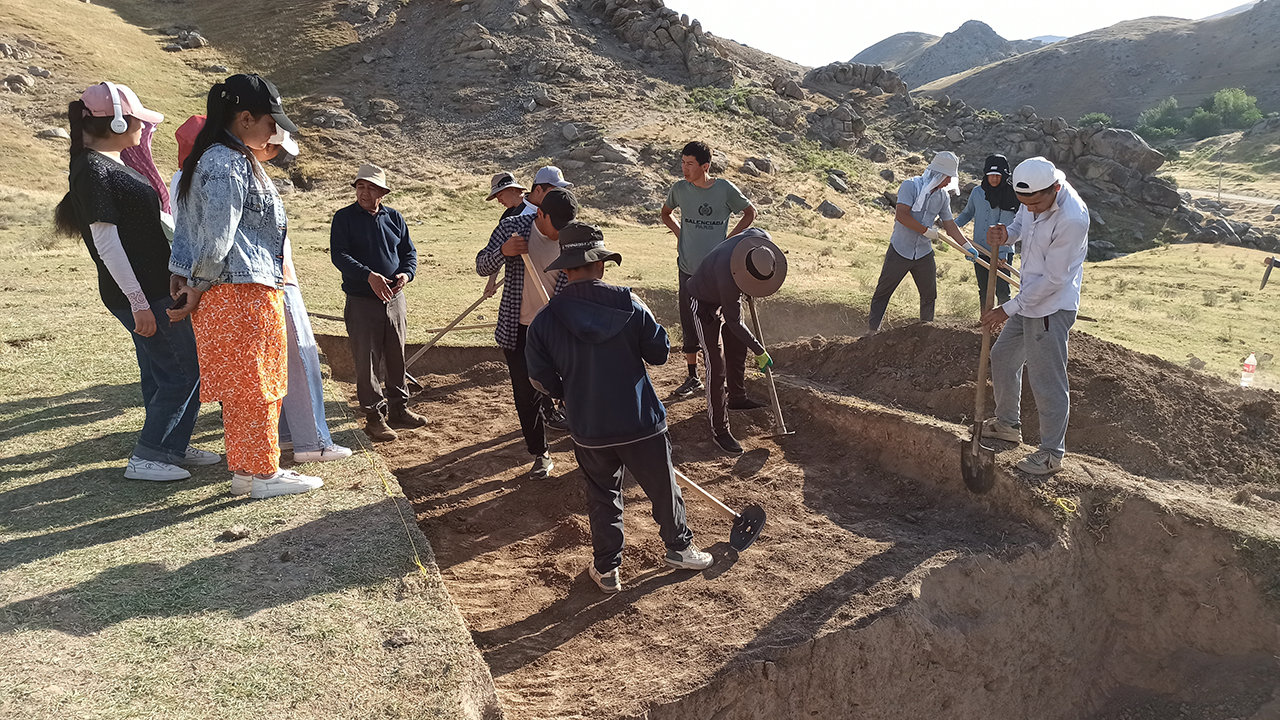
According to the scientists, the implementation of this project will make a significant contribution to the study of the ancient history of Central Asia and will allow a new understanding of the formation of the first agricultural societies in the region.
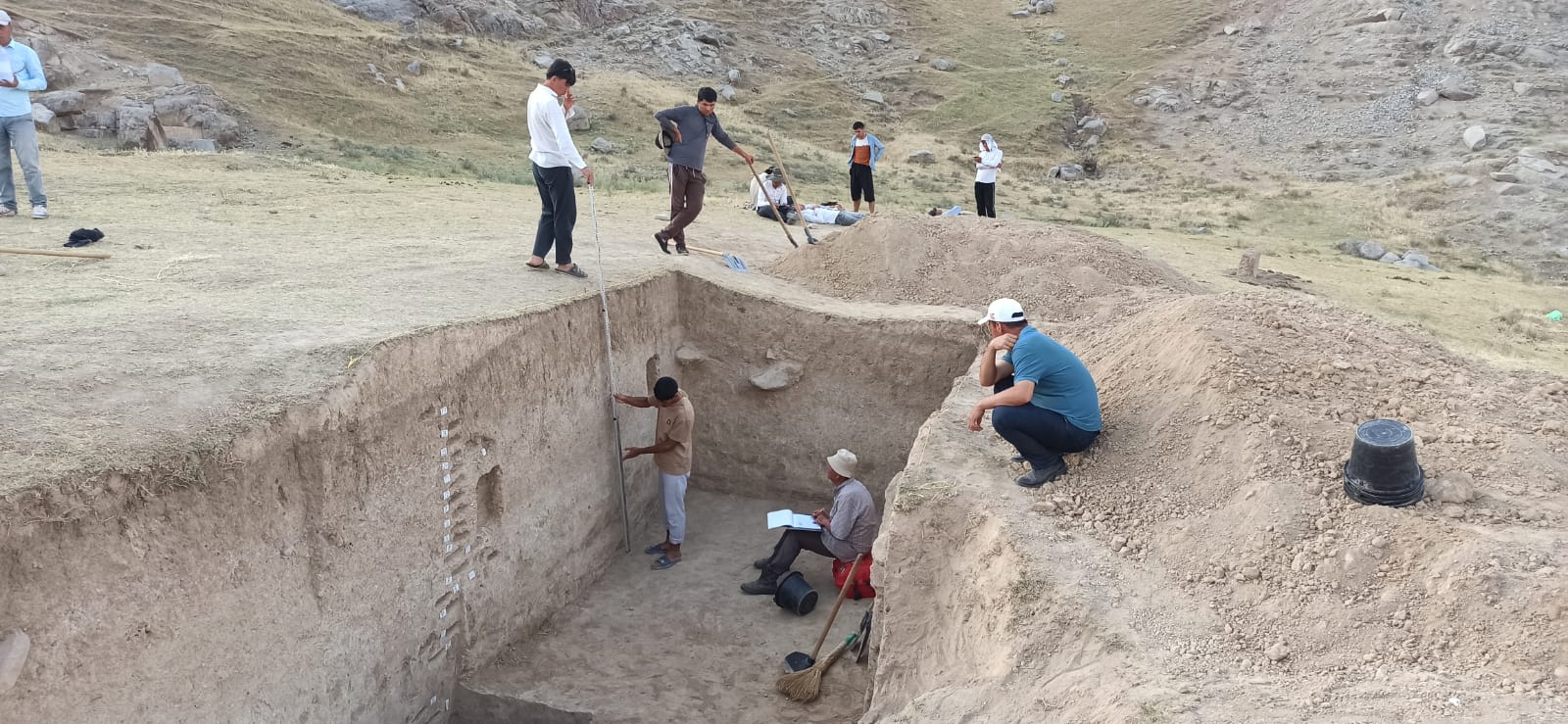
Press-service of Al-Farabi Kazakh National University