- Main
- News
- A round table on «Examining poverty through the lens of equality and inequality» held at KazNU
A round table on «Examining poverty through the lens of equality and inequality» held at KazNU
.jpeg)
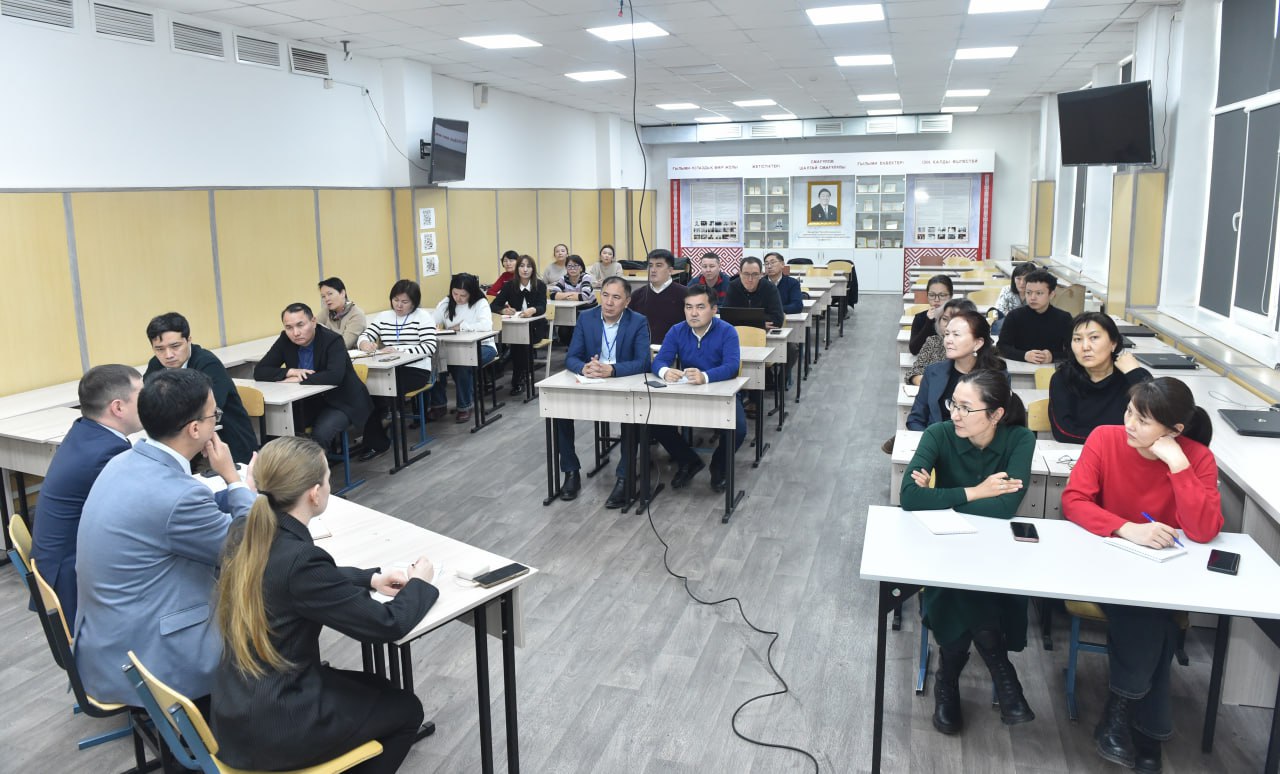
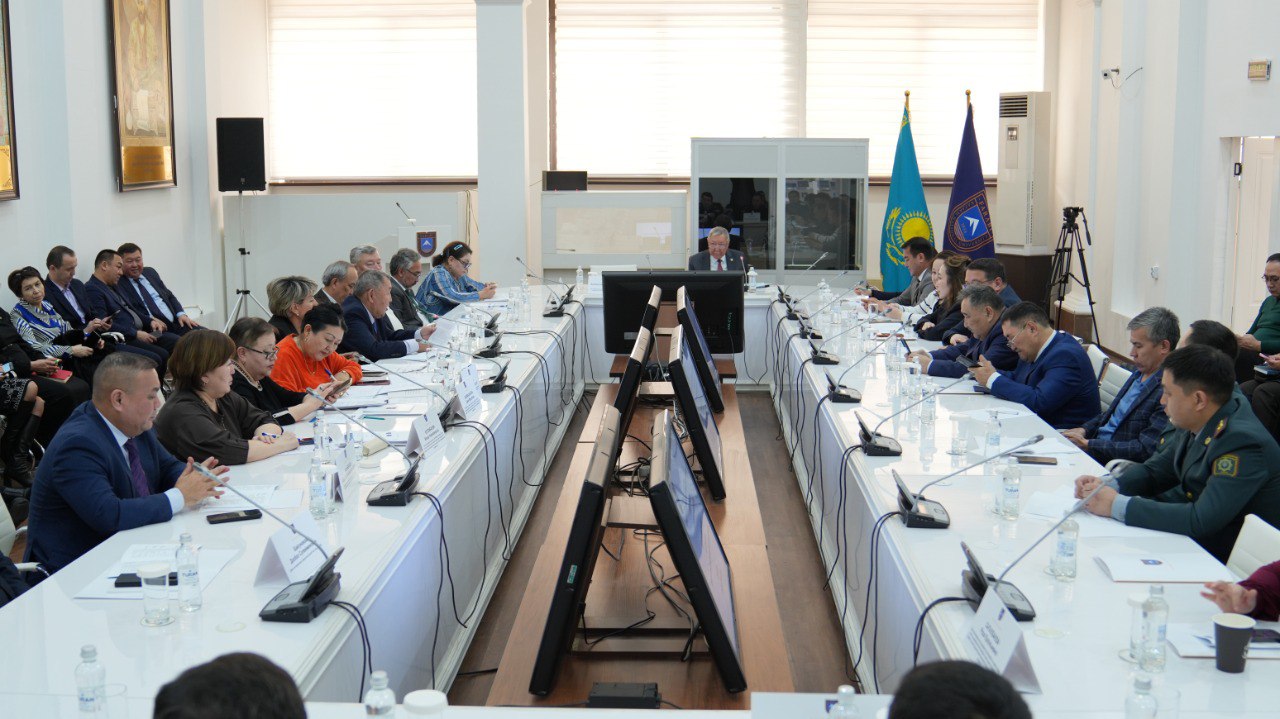
On 26 November 2025, a round table entitled «Examining poverty through the lens of equality and inequality» was held at the Department of sociology and social work of the Faculty of philosophy and political science, Al-Farabi Kazakh national university, as part of the national scientific and practical conference «The role of education and science in reducing poverty».
The event was organized by the Department of sociology and social work of the Faculty of philosophy and political science, the Center for sociological research and social engineering, and the KazNU–PolyU Sustainable Development Center. The round table was conducted in the context of implementing the United Nations Sustainable Development Goals - No Poverty (SDG 1) and Reduced Inequalities (SDG 10).
The aim of the event was to discuss poverty as a multidimensional social phenomenon linked to access to resources, opportunities, and manifestations of social inequality, as well as to develop evidence-based academic and practical approaches and recommendations.
The round table was moderated by doctor of sociological sciences, professor Sadyrova M.S. Faculty members and students of the department of sociology and social work took part in the event.
The round table was held in the format of sequential presentations followed by discussion. Participants listened to reports and exchanged views on key agenda items. During the discussion, it was emphasized that poverty should be considered not only in economic terms, but also in relation to educational trajectories, access to social services, urban resources, cultural and linguistic capital, and social status.
The following thematic areas were addressed:
- the impact of language and communication on access to resources;
- migration and social adaptation;
- the distribution of opportunities and inequalities in urban environments;
- barriers in the educational trajectories of graduates from rural areas;
- the role of social work in poverty prevention and effective intervention technologies;
- the impact of dependent behavior within families on children’s socialization;
- indicators of inequality of opportunity in Kazakhstan;
- comparative analysis of poverty at regional and cross-national levels.
In the concluding session, key findings and proposals were summarized. Participants highlighted the need for a comprehensive assessment of the causes and consequences of poverty, data-driven social policy planning, strengthening prevention and early intervention mechanisms in social work, and expanding equal access to education and resources. The round table contributed to strengthening collaboration between academia and practice and helped to establish shared reference points for further discussion and the development of policy-relevant solutions.
Sadyrova M.S., Aryn D.A.