- Main
- News
- “Environmental Bioengineering in the Era of Artificial Intelligence: International Scientific Dialogue and Intergenerational Continuity”
“Environmental Bioengineering in the Era of Artificial Intelligence: International Scientific Dialogue and Intergenerational Continuity”
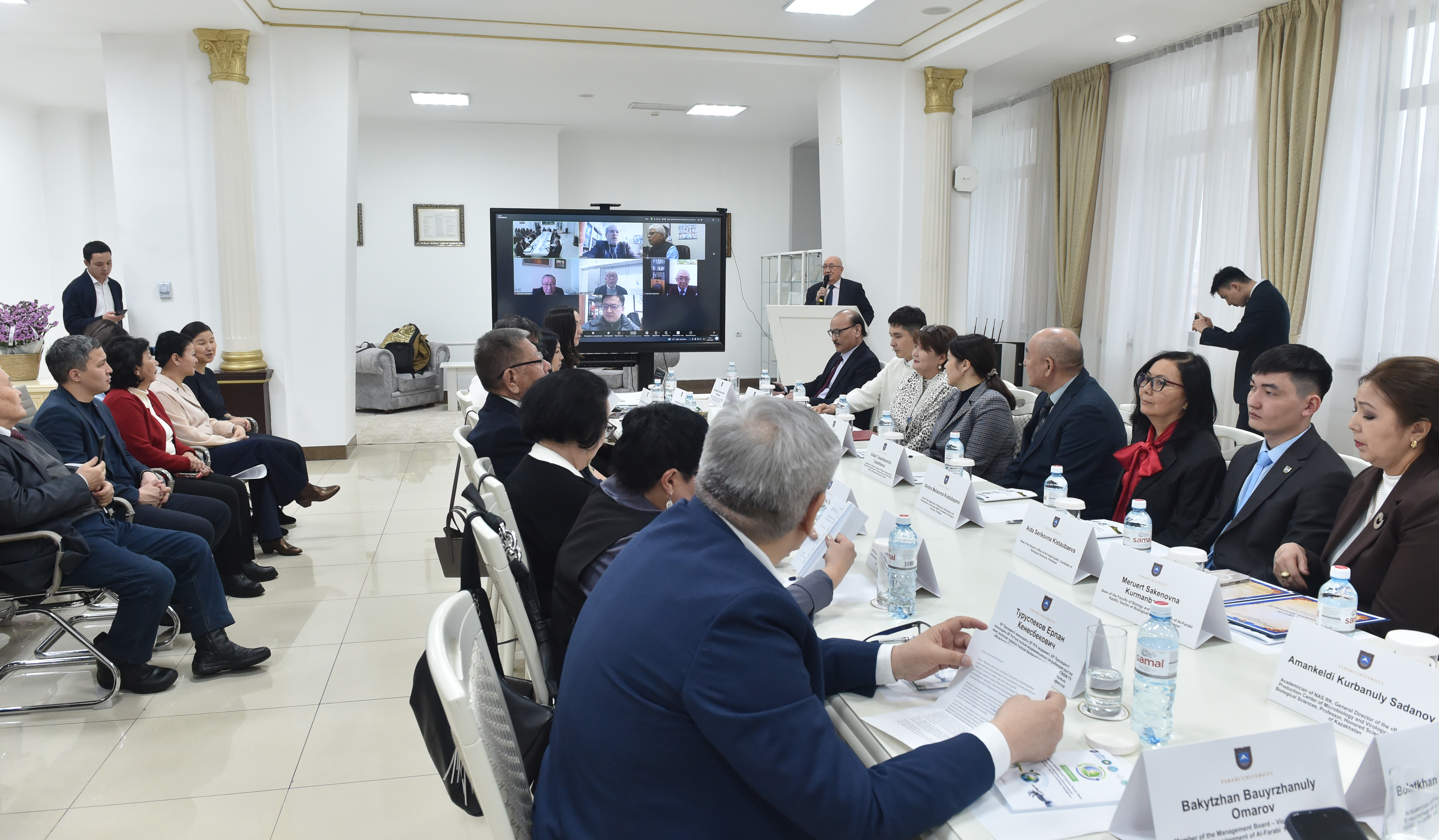
On February 12, 2026, an international scientific and practical round table entitled
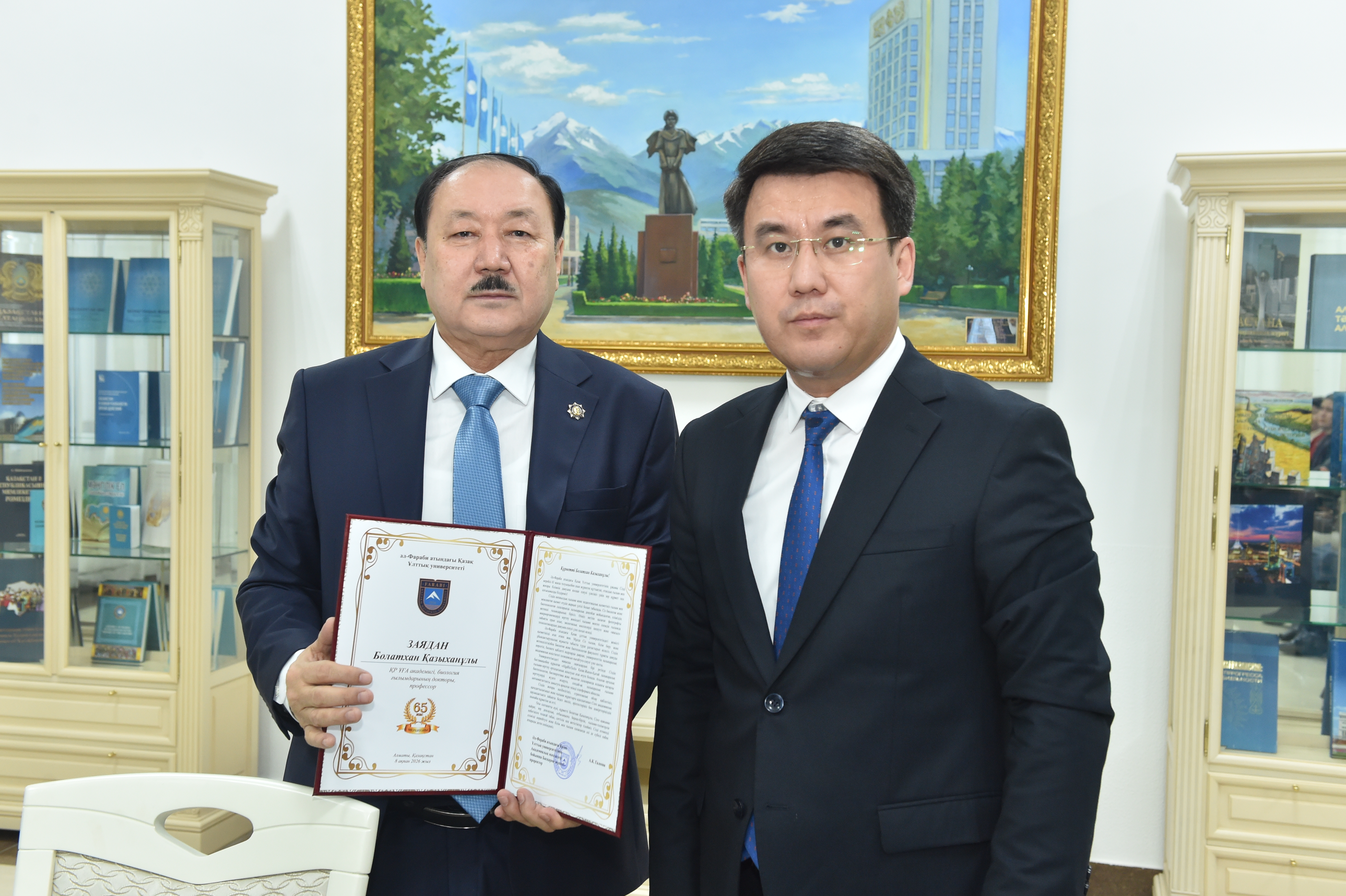
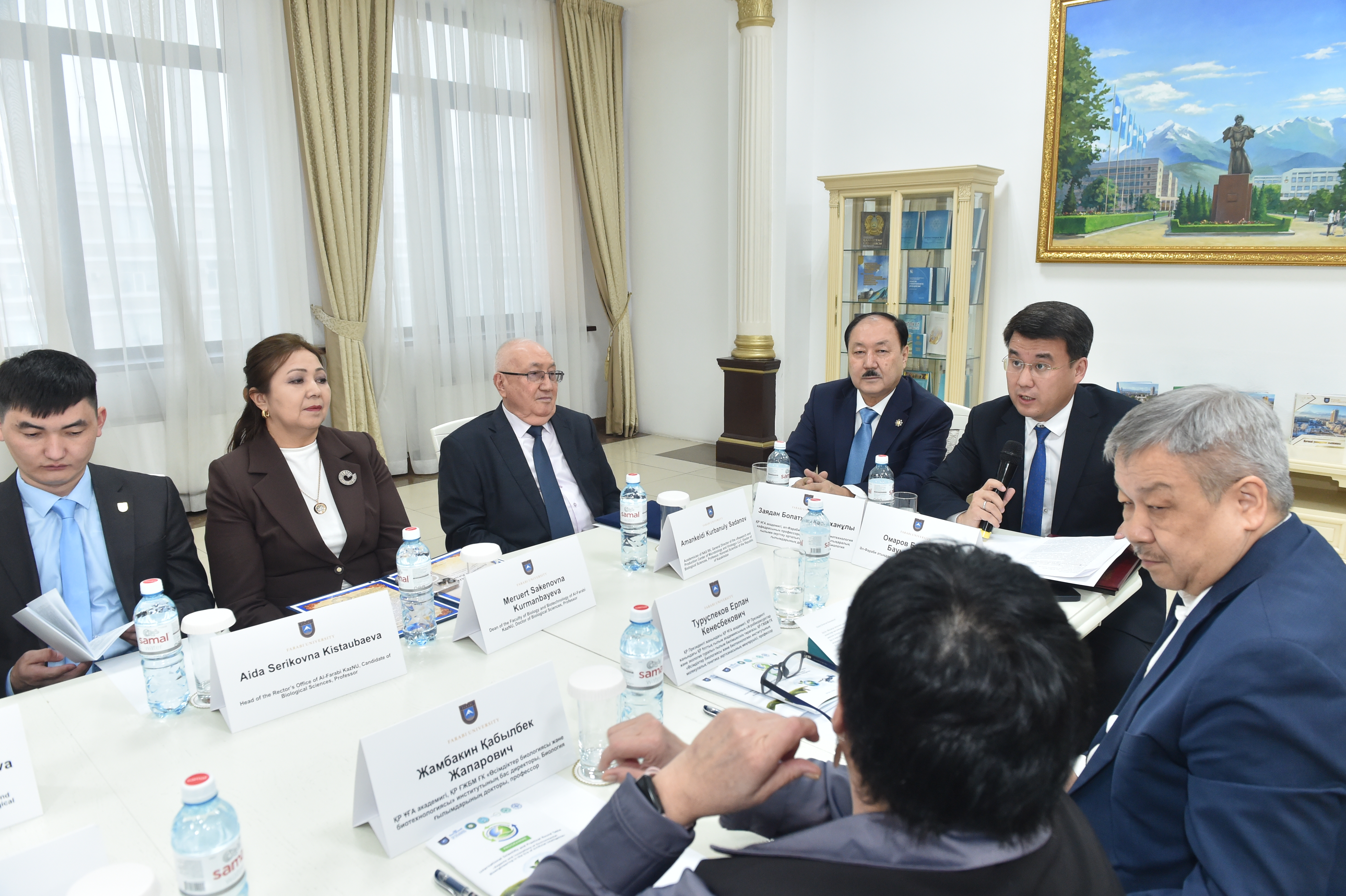
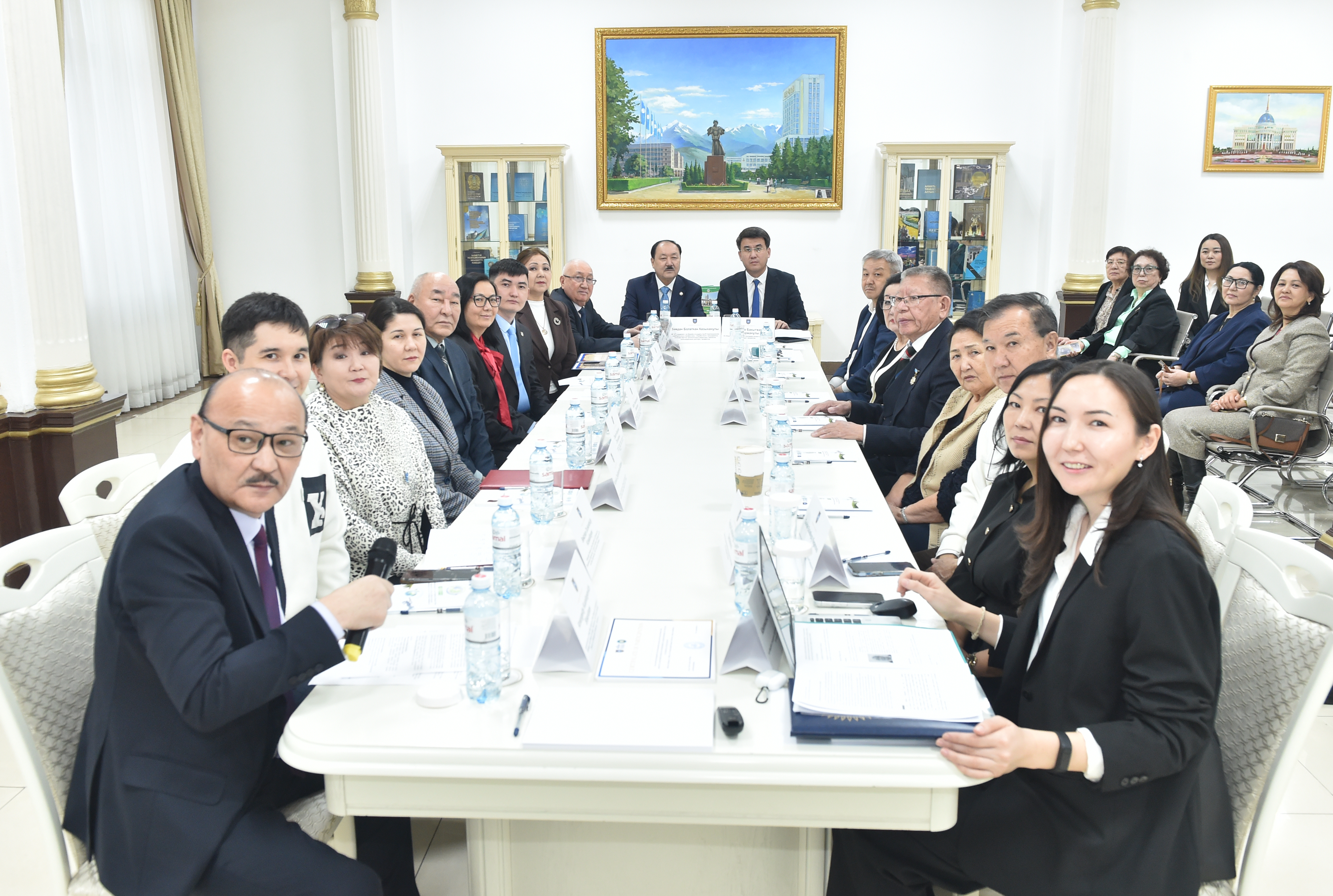
“Aspects and Innovations of Environmental Bioengineering in the Era of Artificial Intelligence” was successfully held at Al-Farabi Kazakh National University. The event was dedicated to the 65th anniversary of Doctor of Biological Sciences, Academician of the National Academy of Sciences of the Republic of Kazakhstan, Professor Bolatkhan Kazyhanuly Zayadan.
The round table served as an important scientific platform for discussing contemporary challenges and future prospects in the development of environmental bioengineering. Key topics included the application of phototrophic microorganisms, bioremediation, sustainable development, as well as the integration of artificial intelligence technologies into environmental and biotechnological research.
Opening remarks were delivered by representatives of the university administration and the scientific community, who emphasized the strategic importance of interdisciplinary interaction between science, technology, and ecology. Special attention was given to the scientific school founded by Professor B.K. Zayadan and its significant contribution to the development of microalgae and cyanobacteria biotechnology in Kazakhstan and beyond.
In their presentations, researchers from Kazakhstan, Japan, China, and the Czech Republic shared the results of studies in the fields of environmental safety, green technologies, biomonitoring, and digital solutions in science. The discussions were dynamic and constructive, highlighting the relevance of the selected topics and the high level of international interest.
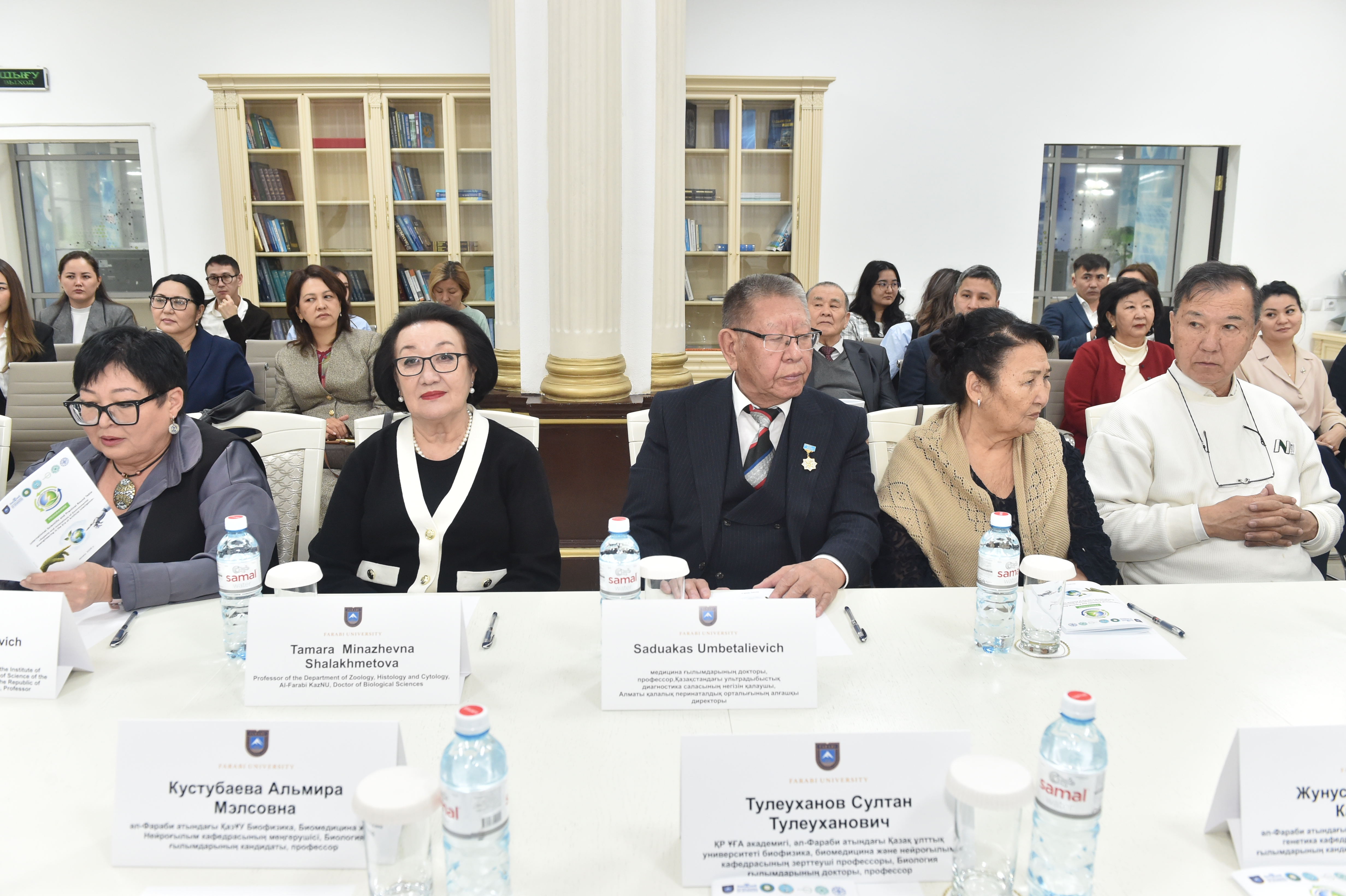
A notable outcome of the round table was the integration of scientific generations: leading scientists, early-career researchers, and students engaged in open dialogue on the prospects for joint projects, academic mobility, and the further development of scientific cooperation.
The event was held in a hybrid format, which made it possible to broaden the geographical scope of participants and strengthen international scientific ties.
The round table was not only a jubilee event but also an effective platform for shaping new scientific initiatives. It clearly demonstrated that environmental bioengineering in the era of artificial intelligence is not merely a research field, but a strategic vector for the development of modern science.
Science unites.
And on that day, we witnessed how ideas, experience, and inspiration shape the future.