International Round Table “Agentic AI: From Large Language Models to Autonomous Systems”
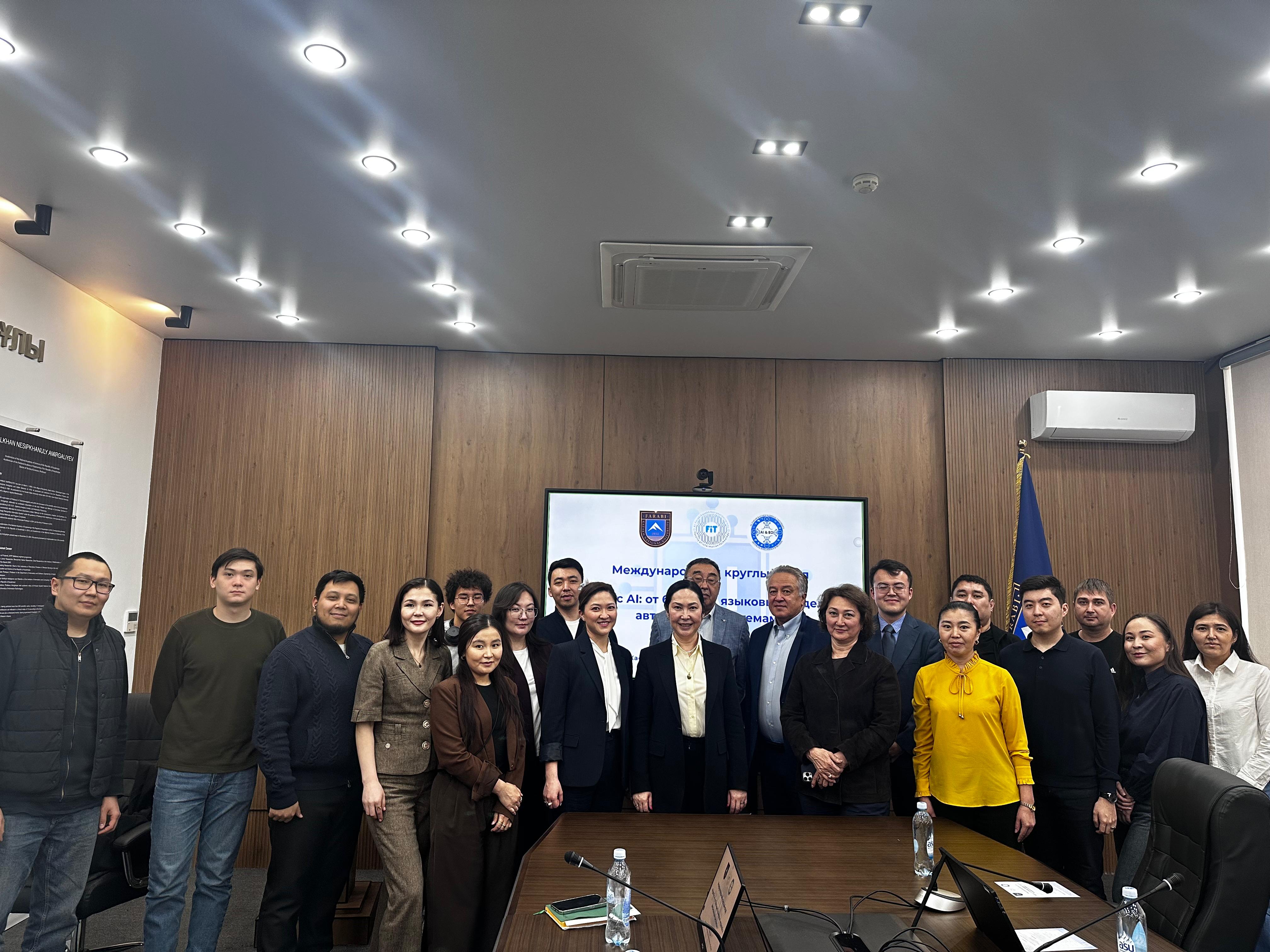
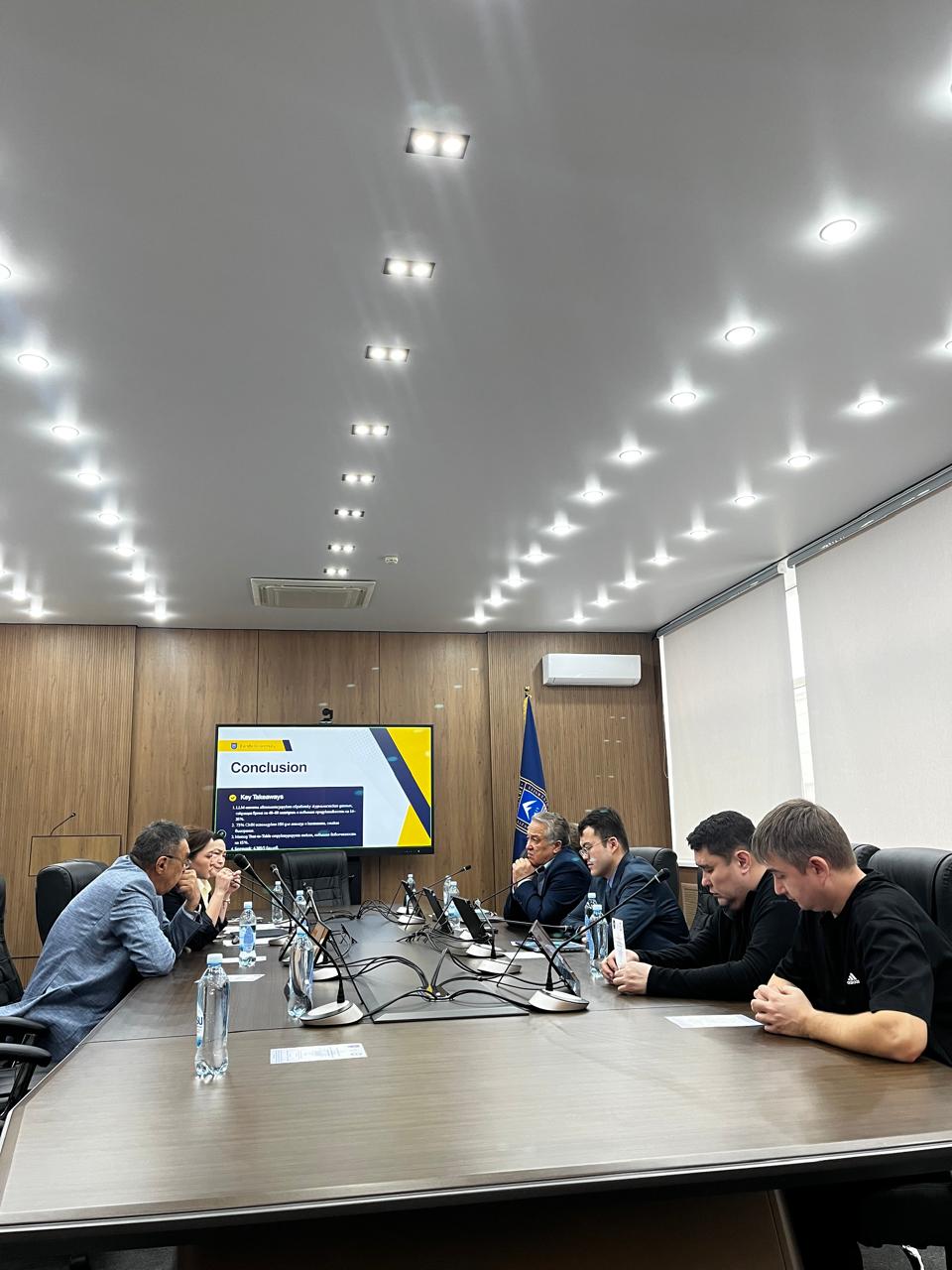
On February 20, 2026, the Faculty of Information Technology and Artificial Intelligence at Al-Farabi Kazakh National University hosted an International Round Table titled “Agentic AI: From Large Language Models to Autonomous Systems.” The event took place in Room 303 at 71/23 Al-Farabi Avenue and brought together researchers, AI developers, industry engineers, and practitioners interested in designing and implementing autonomous agent-based systems.
The round table was organized by the Department of Artificial Intelligence and Big Data. The event served as a professional platform to discuss the transition from intelligent assistants to fully autonomous agents capable of independent decision-making and performing complex real-world tasks.
The keynote speaker was Peng Wang, PhD, Professor at Northwestern Polytechnical University (Xi’an, China). He presented modern scientific approaches to developing agentic AI systems, integrating large language models with external tools (APIs, databases, specialized modules), and building scalable autonomous architectures. Particular emphasis was placed on multi-agent coordination and decision-making in dynamic and complex environments.
Additional presentations were delivered by Professor Madina Mansurova, Head of the Department of Artificial Intelligence and Big Data; Senior Lecturer A.G. Ospan; PhD candidate M. Kumisbek; and Lecturer A. Musa. The speakers shared research findings, experimental developments, and practical case studies on implementing agent-based solutions in education, industry, and corporate environments.
Discussions focused on reliability, interpretability, and controllability of autonomous systems, safety mechanisms for autonomous decision-making, and standardization of evaluation methods for agentic AI. Ethical considerations and regulatory frameworks for integrating autonomous solutions into digital infrastructures were also addressed.
The event aligns with the United Nations Sustainable Development Goals, particularly SDG 4 “Quality Education” and SDG 9 “Industry, Innovation and Infrastructure.” The international format fostered academic dialogue, strengthened inter-university collaboration, and outlined promising directions for joint research initiatives in advanced artificial intelligence systems.