- Main
- News
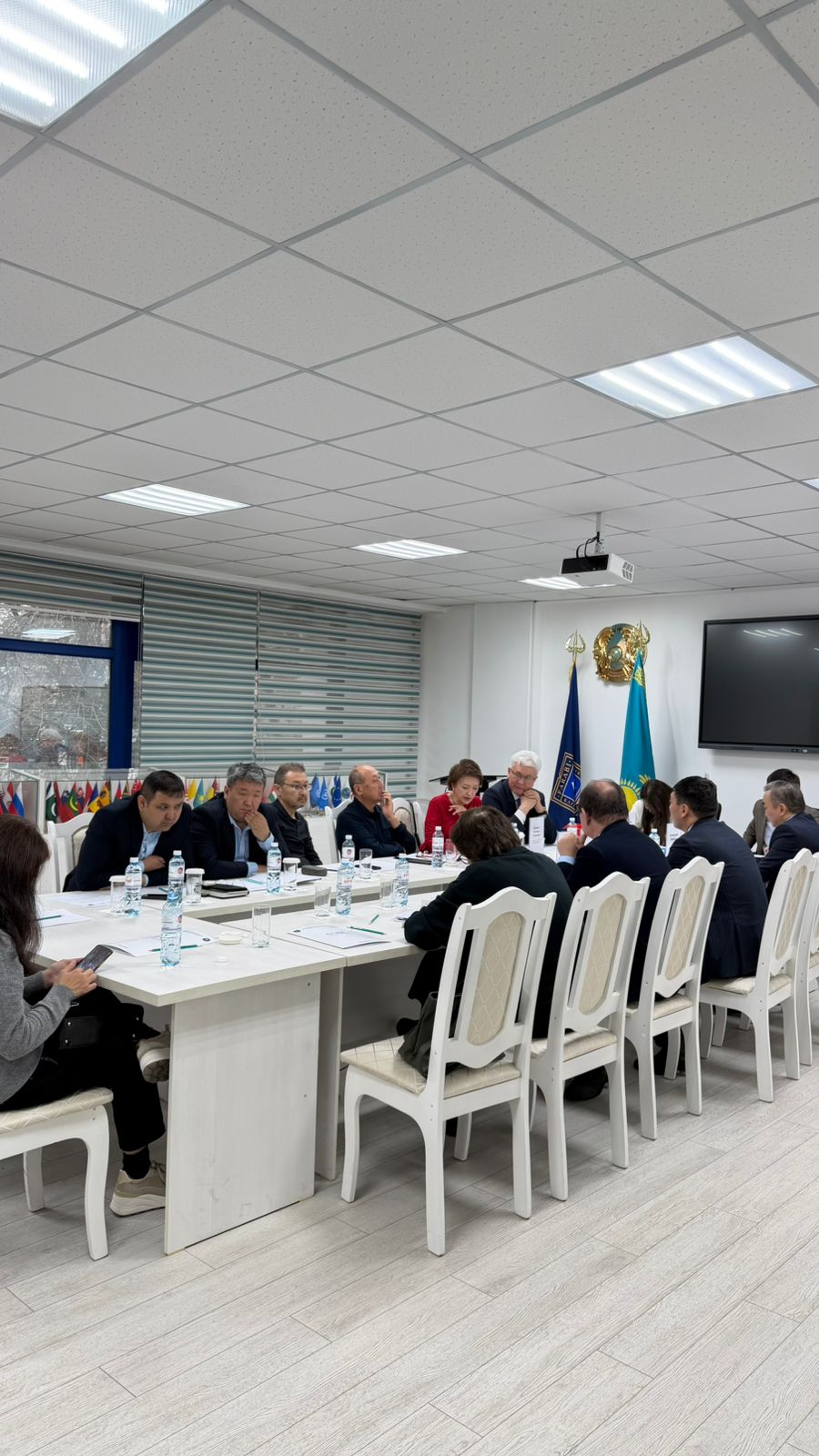
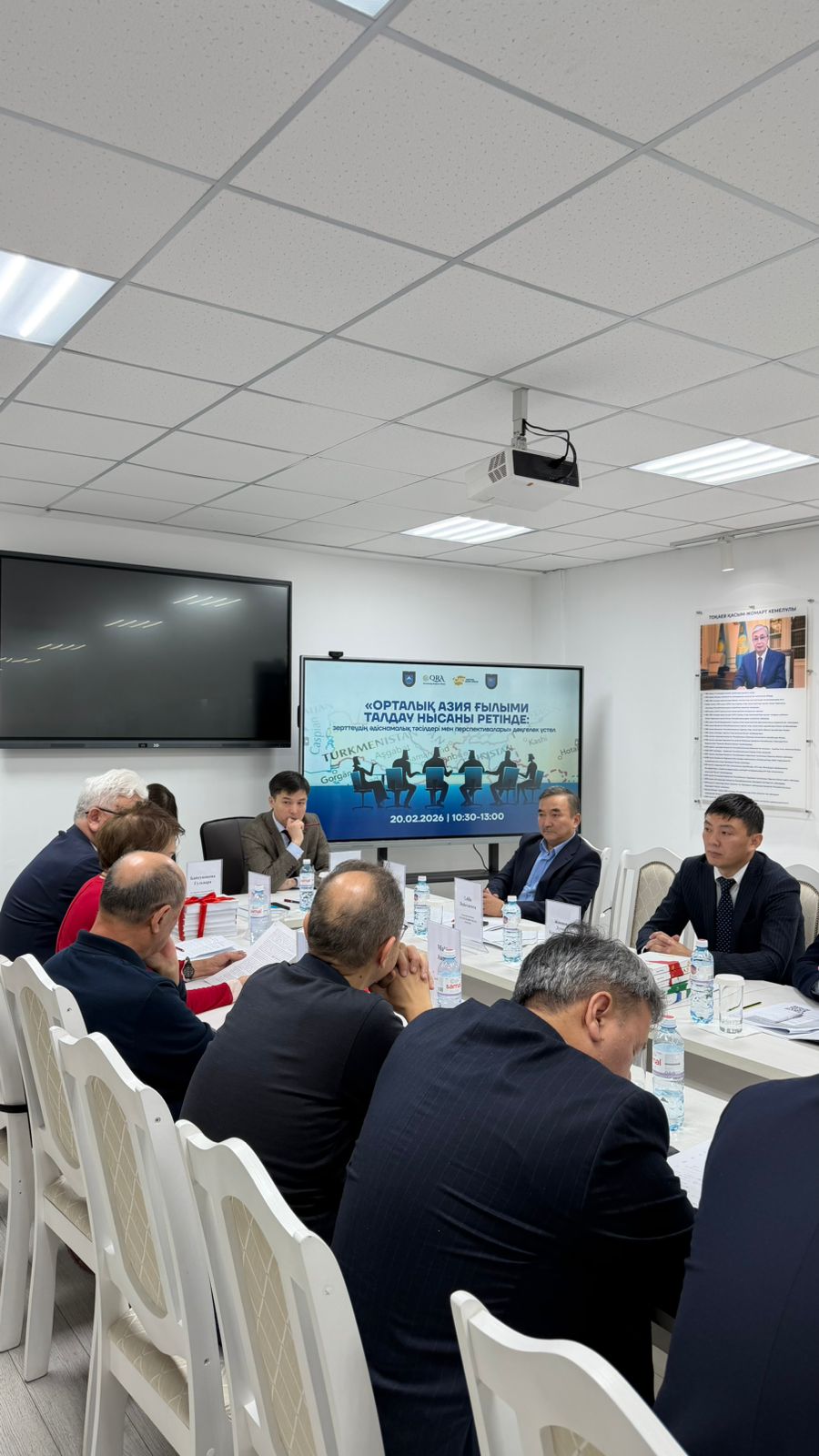
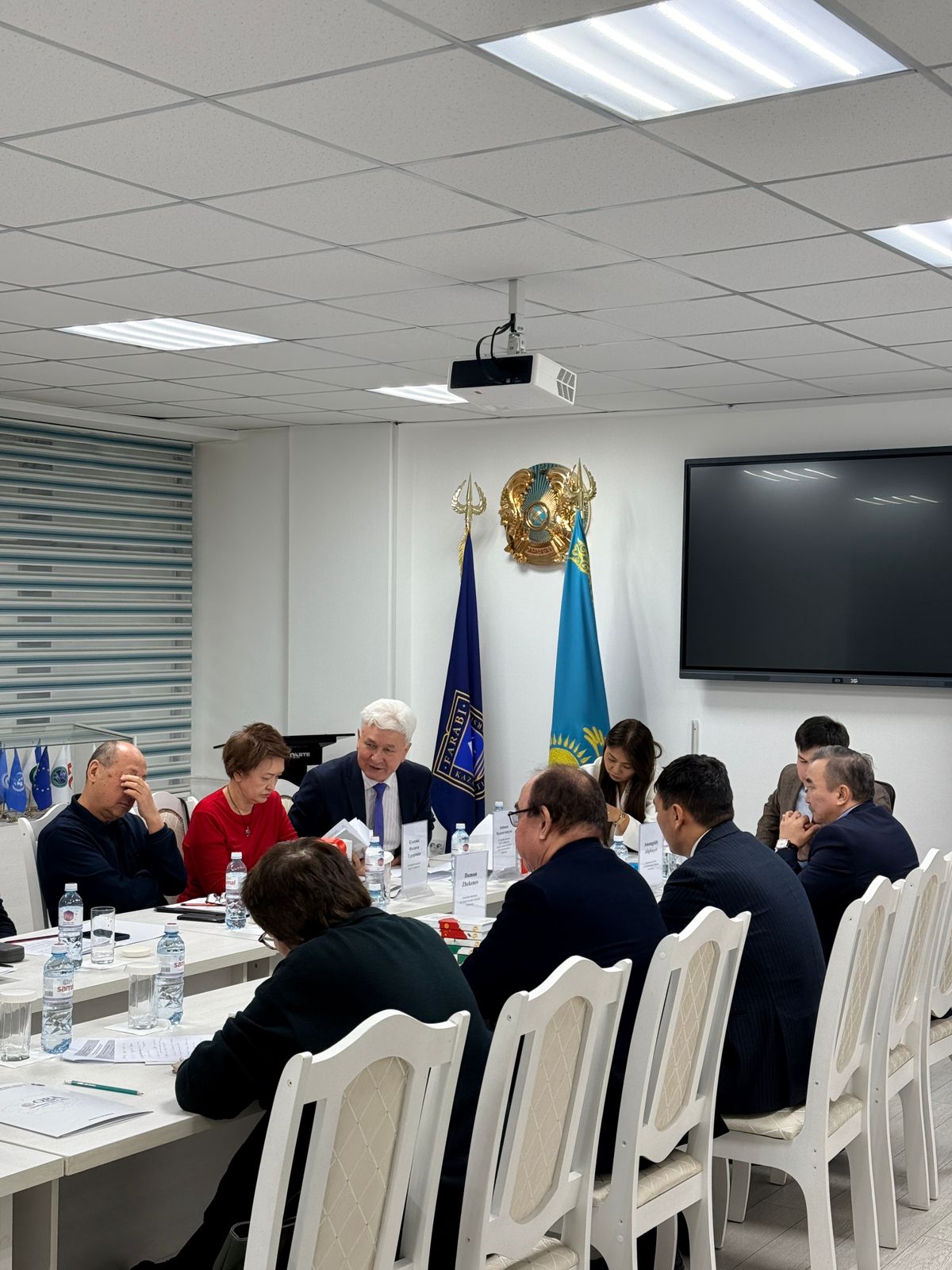
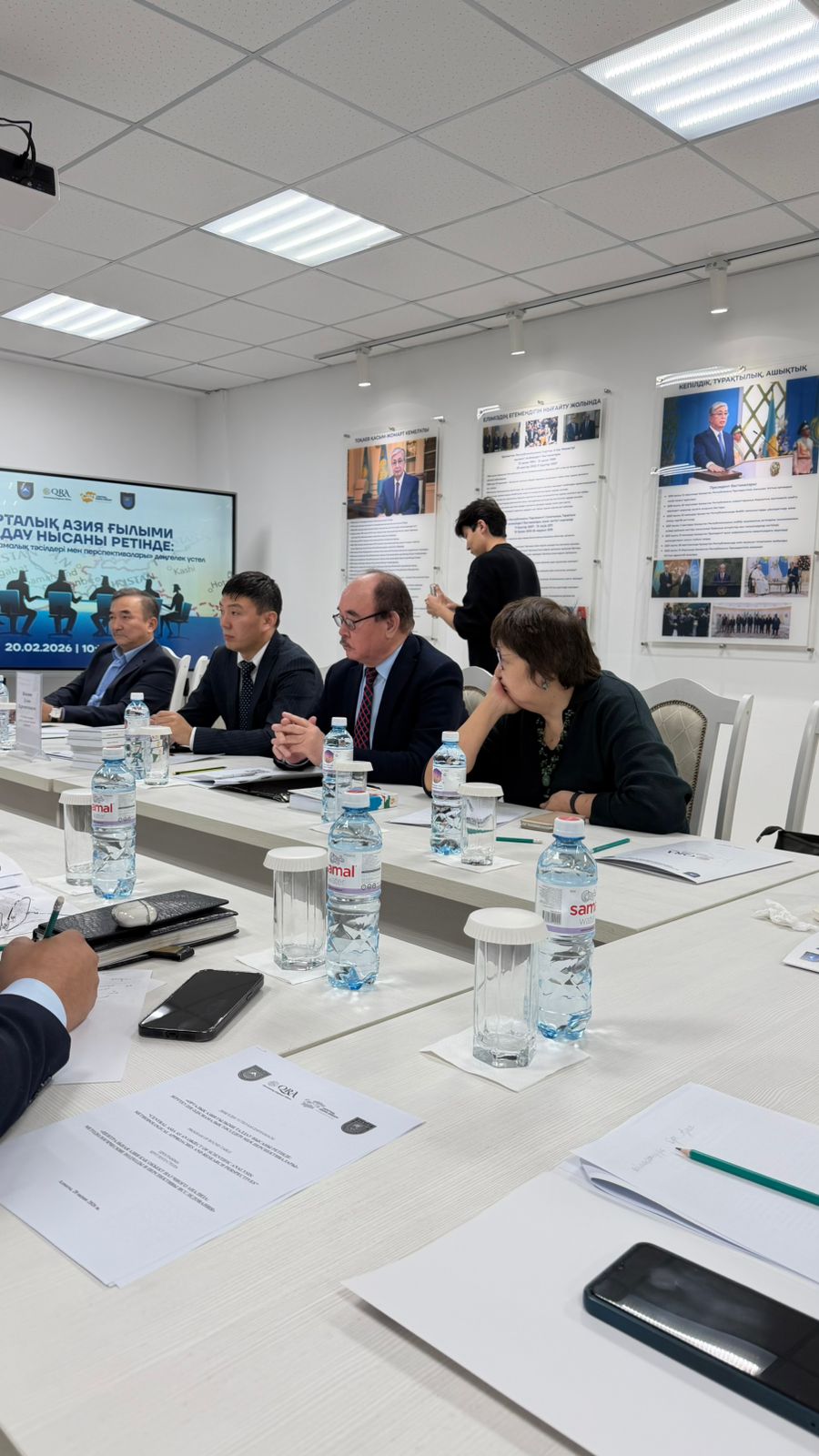
- A round table "Central Asia as an object of scientific analysis: methodological approaches and prospects of research" was held at the Faculty of international relations of Al-Farabi Kazakh National University. Almaty, Kazakhstan-February 20, 2026
A round table "Central Asia as an object of scientific analysis: methodological approaches and prospects of research" was held at the Faculty of international relations of Al-Farabi Kazakh National University. Almaty, Kazakhstan-February 20, 2026
.jpeg)
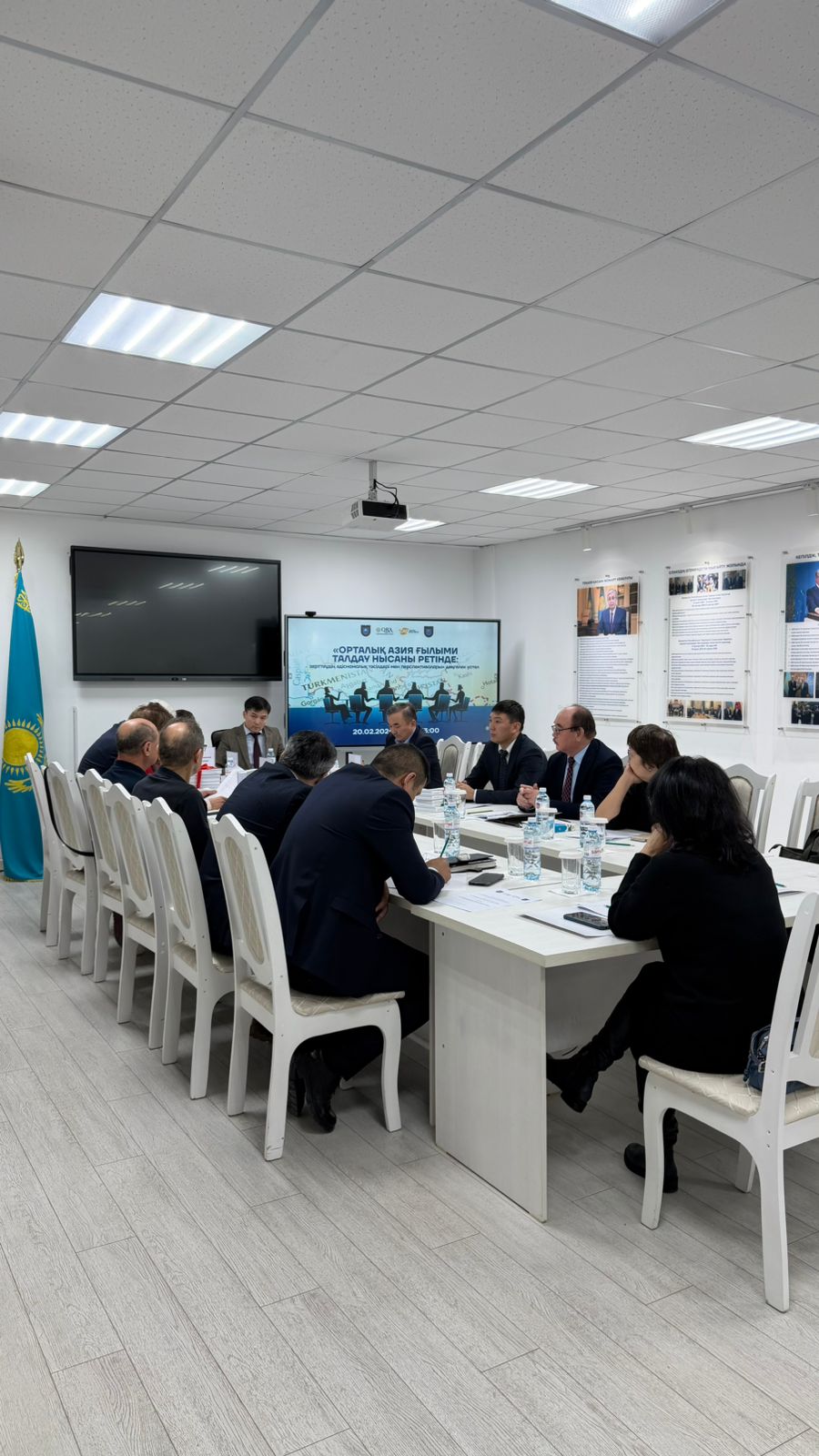
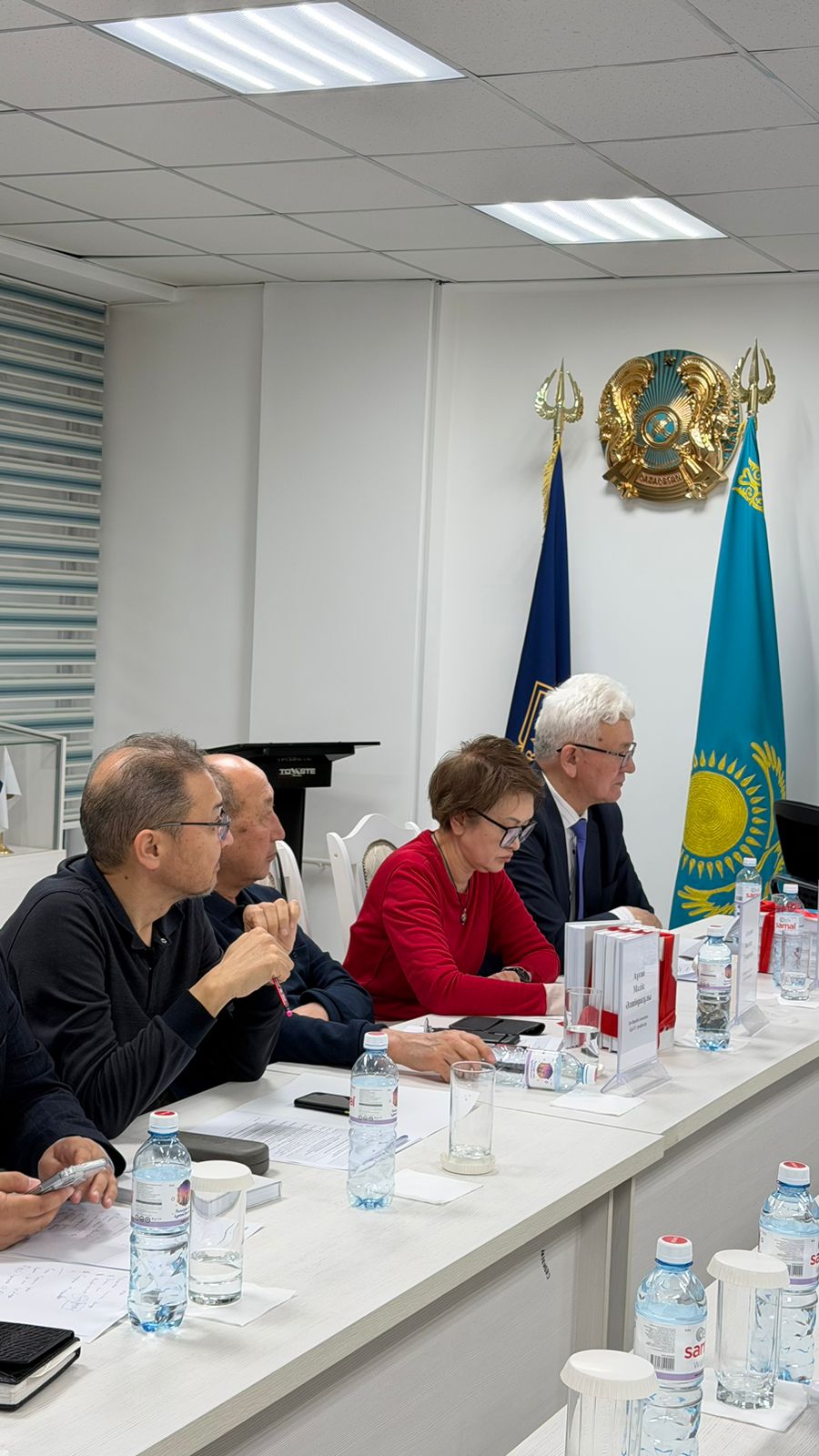
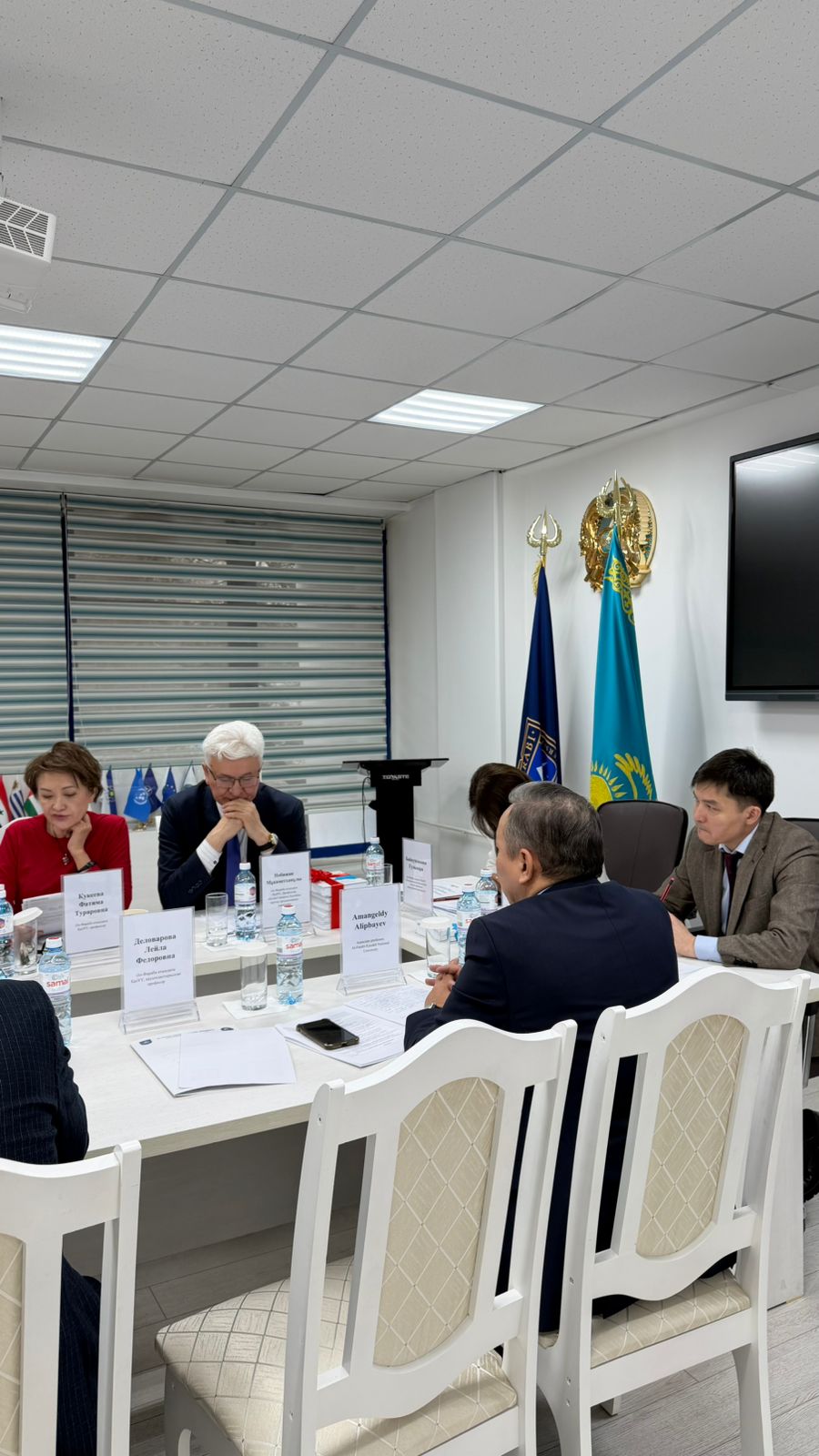
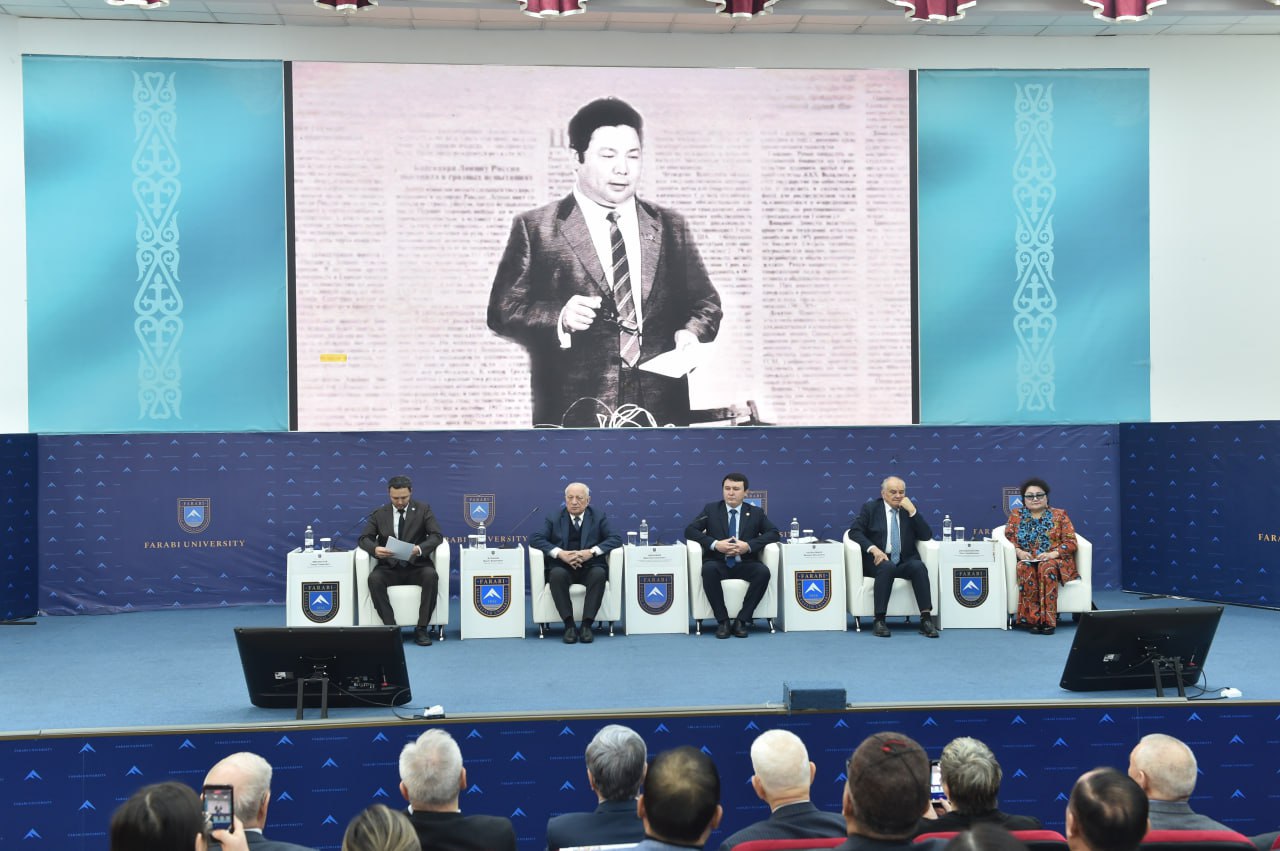
On February 20, 2026, the roundtable discussion entitled «Central Asia as an Object of Academic Analysis: Methodological Approaches and Research Perspectives» was held at the Faculty of International Relations of Al-Farabi Kazakh National University. The event was organized by the Research Center «Questioning Regional Affairs».
The roundtable brought together faculty members from the Faculty of International Relations and the Faculty of Oriental Studies, scholars, doctoral candidates, and experts specializing in Central Asian studies. The discussion focused on the need to update the theoretical and methodological toolkit for studying the region amid its growing role in global politics and the international economy.
Participants emphasized that the transformation of Central Asia from an object of external influence into an independent and proactive actor in international relations necessitates a reassessment of established analytical models. Particular attention was paid to moving beyond simplified interpretative frameworks and developing interdisciplinary approaches that take into account the historical experience, cultural codes, and internal dynamics of the region’s states.
Within the framework of the “Central Asian Dream” program, the monograph «Орталық Азия мұраты» and the collection «Annual Review-2025» is dedicated to the contemporary development of the region’s states, were presented. The publications generated considerable interest among participants and served as a basis for further discussion of conceptual approaches to Central Asian studies.
The working languages of the roundtable were Kazakh, Russian, and English, ensuring inclusivity and facilitating broader academic dialogue. At the conclusion of the event, participants expressed their readiness to continue cooperation and consolidate the expert community in order to advance a modern research agenda on Central Asia.
The roundtable reaffirmed the high level of scholarly interest in the region and underscored the urgency of developing new methodological frameworks capable of addressing contemporary challenges and aligning with the strategic interests of Central Asian states.