- Main
- News
- Studying rare birds of prey as an element of environmental education and ecosystem protection
Studying rare birds of prey as an element of environmental education and ecosystem protection
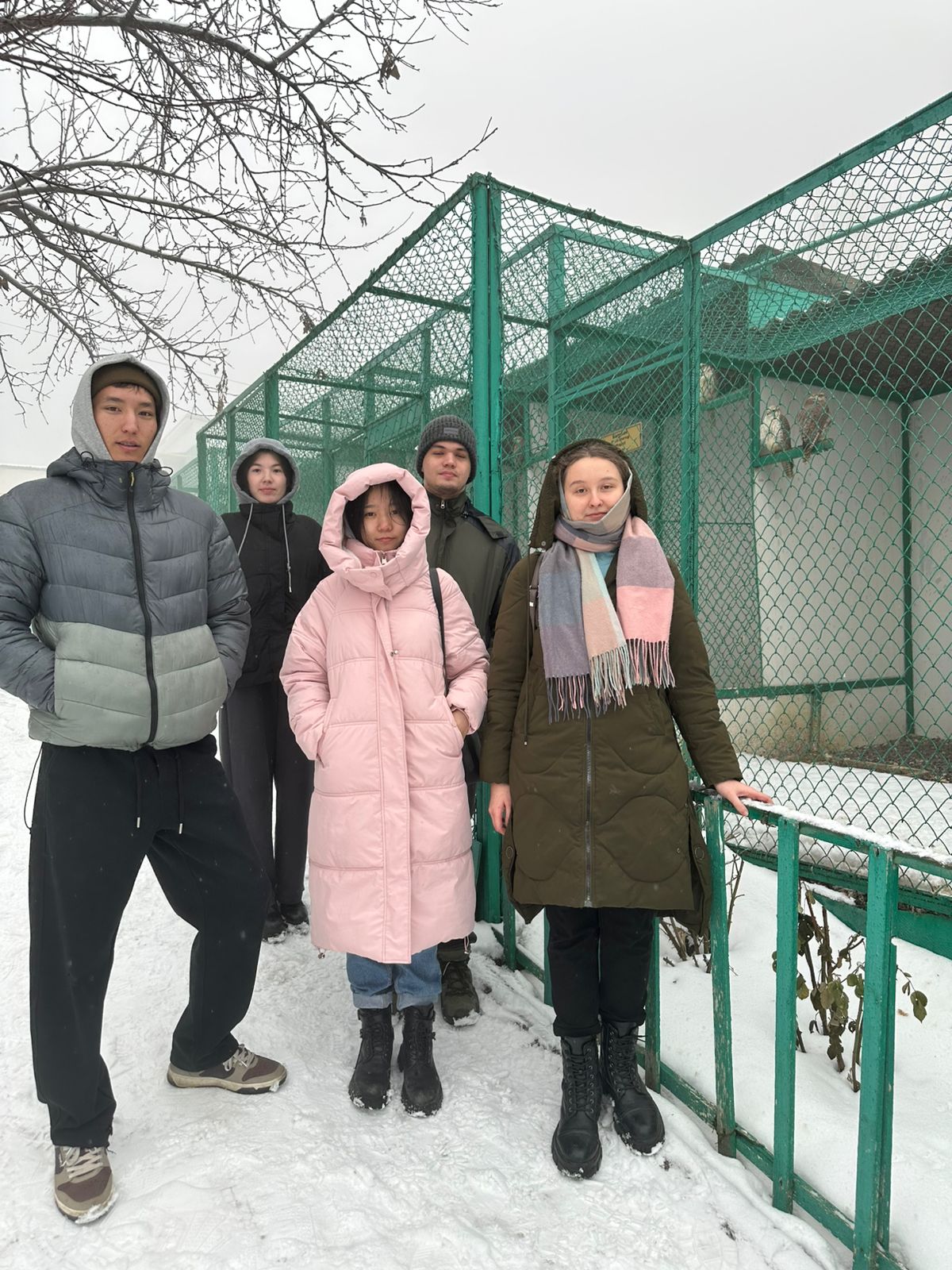
On February 12, 2026, as part of the “Ornithology” course, a field-based off-campus class was held for third-year students of the educational program “6B05110 – Zoology” at the “Sunkar” Raptor Nursery (Almaty). The event was conducted in the context of implementing SDG No. 4 “Quality Education” and SDG No. 15 “Life on Land.”
The event was organized by Akentyeva Yekaterina Valeryevna, Senior Lecturer of the Department of Zoology, Histology and Cytology and Junior Researcher at the Laboratory of Ornithology and Herpetology, Institute of Zoology of the Republic of Kazakhstan.
During the visit, students became acquainted with rare and endangered raptor species of Kazakhstan kept at the nursery, including:
· Saker Falcon (Falco cherrug)
· Steppe Eagle (Aquila nipalensis)
· Golden Eagle (Aquila chrysaetos)
· Eastern Imperial Eagle (Aquila heliaca)
· Cinereous Vulture (Aegypius monachus)
· Bearded Vulture (Gypaetus barbatus)
· Himalayan Vulture (Gyps himalayensis)
· Eurasian Eagle-Owl (Bubo bubo)
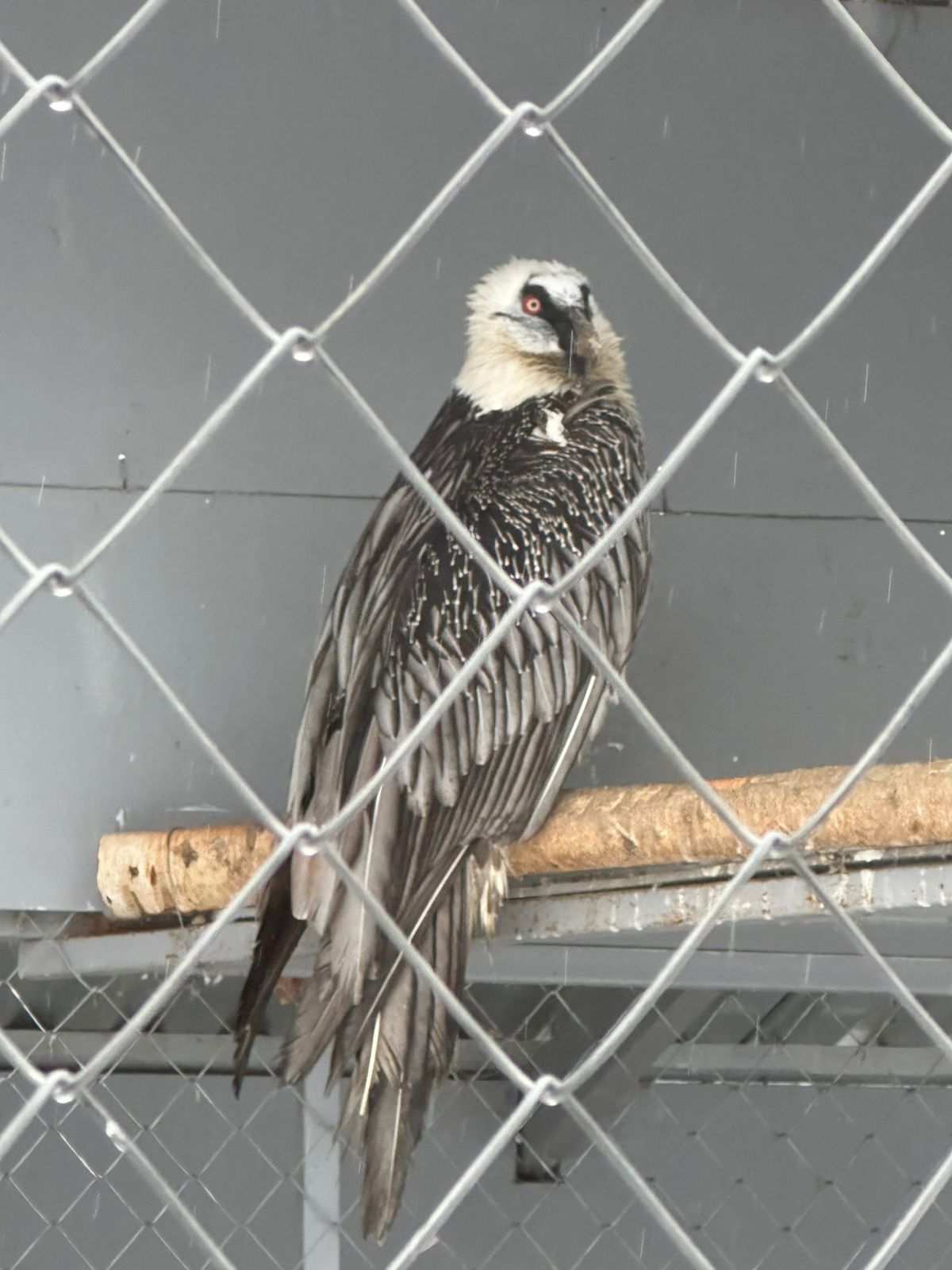
The excursion addressed the current conservation status of raptor populations in Kazakhstan, major limiting factors (anthropogenic habitat transformation, poaching, electrocution on power lines, secondary poisoning), and the ecological and functional role of birds of prey in natural ecosystems.
Special attention was given to the concept of reintroduction as one of the key tools for conserving rare species. Students learned about the nursery’s objectives: breeding rare Falconiformes species under controlled conditions, maintaining genetic diversity, preparing individuals for release into the wild, and participating in international conservation programs.
The field class enabled students to integrate theoretical knowledge from the “Ornithology” course with practical biodiversity conservation activities, expand their professional competencies, and develop an applied understanding of mechanisms for protecting rare bird species.
The event demonstrated the importance of cooperation between higher education institutions and research organizations in addressing current biodiversity conservation challenges in Kazakhstan.
Senior Lecturer, Department of Zoology, Histology, and Cytology
Yekaterina Valeryevna Akentyeva
#SDG #SustainableDevelopment #KazNU #SDG_KazNU #SustainableKazNU