Practice-oriented training in zootoxinology with the participation of a specialist
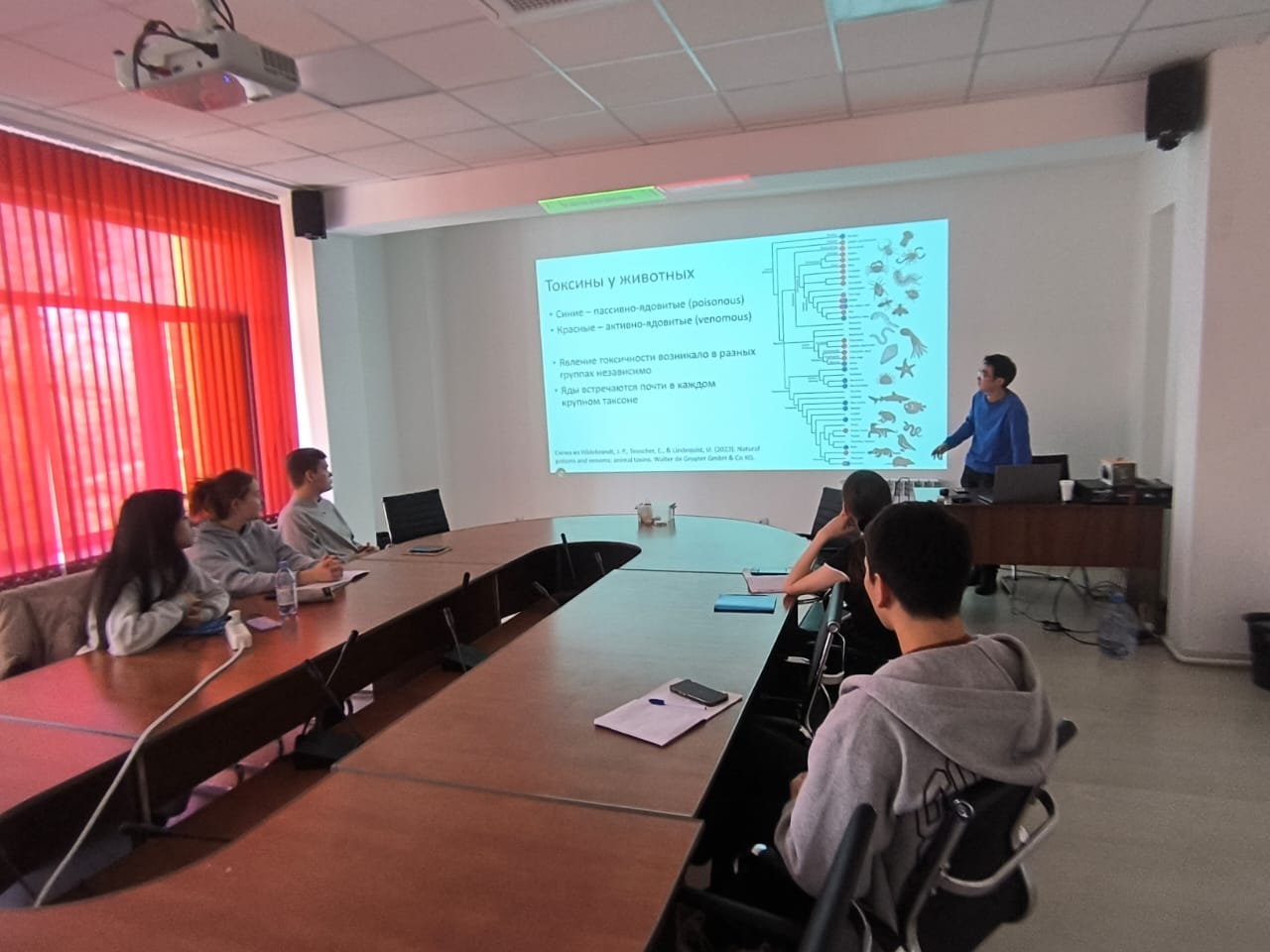
On February 19, 2026, a lecture entitled “Venomous and Poisonous Invertebrates” was delivered at the Institute of Zoology for third-year students of the educational program “6B05110 – Zoology” of the Department of Zoology, Histology, and Cytology. The event was dedicated to implementing SDG No. 4, “Quality Education.”
The lecture was part of the course “Zootoxinology” and aimed to deepen students’ understanding of the biological nature of toxins, their mechanisms of action, and their practical significance. The event was organized by Akentyeva Yekaterina Valeryevna, Senior Lecturer of the Department of Zoology, Histology and Cytology, and Junior Researcher at the Laboratory of Ornithology and Herpetology, Institute of Zoology.
To ensure a high scientific level and to broaden students’ professional competencies, an expert in arachnology and invertebrate toxicology was invited to deliver the lecture — Leonid Kim, Junior Researcher at the Institute of Zoology, Chairman of the Council of Young Scientists, arachnologist. His participation made it possible to present the material using up-to-date scientific literature and data from his own research.
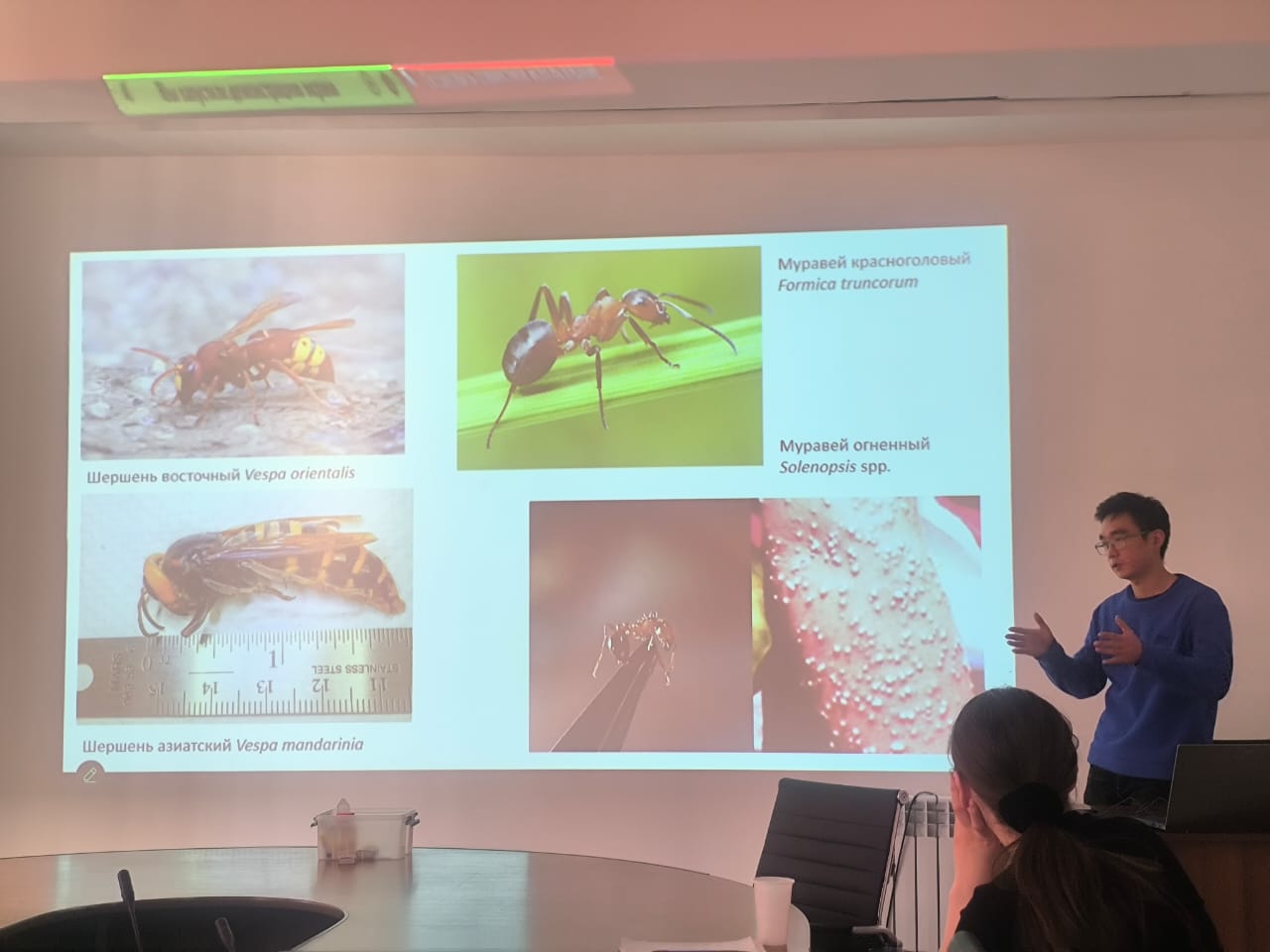
The lecture introduced the modern concept of biological toxicity, including:
· the distinction between poisonous and venomous organisms;
· the independent evolutionary origins of toxicity in different lineages;
· the widespread occurrence of toxins across major invertebrate taxa.
Examples from global fauna included:
1. Chironex fleckeri (box jellyfish, “sea wasp”) — one of the most dangerous representatives of the class Cubozoa; its venom exhibits pronounced cardio-, neuro-, and cytotoxic effects.
2. Conus geographus (geography cone snail) — a predatory marine gastropod causing severe neuroparalytic effects due to conotoxin complexes.
3. Corals of the genus Palythoa — producers of palytoxin, one of the most potent known non-protein toxins.
Examples from the fauna of Kazakhstan included:
1. Widow spiders — Latrodectus tredecimguttatus, L. pallidus, L. dahli;
2. Scorpions (eight species recorded in Kazakhstan; none are considered lethal to humans);
3. Rove beetles (Paederus fuscipes) and blister beetles (cantharidin-induced dermatitis);
4. Hymenopterans, including Apis mellifera (apitoxin).
The lecture also covered:
· clinical manifestations of envenomation and poisoning (neurotoxic, cytotoxic, and hemolytic effects);
· first-aid algorithms (immobilization, removal of fragments, washing, symptomatic treatment);
· legal aspects concerning the private keeping of potentially dangerous arthropods.
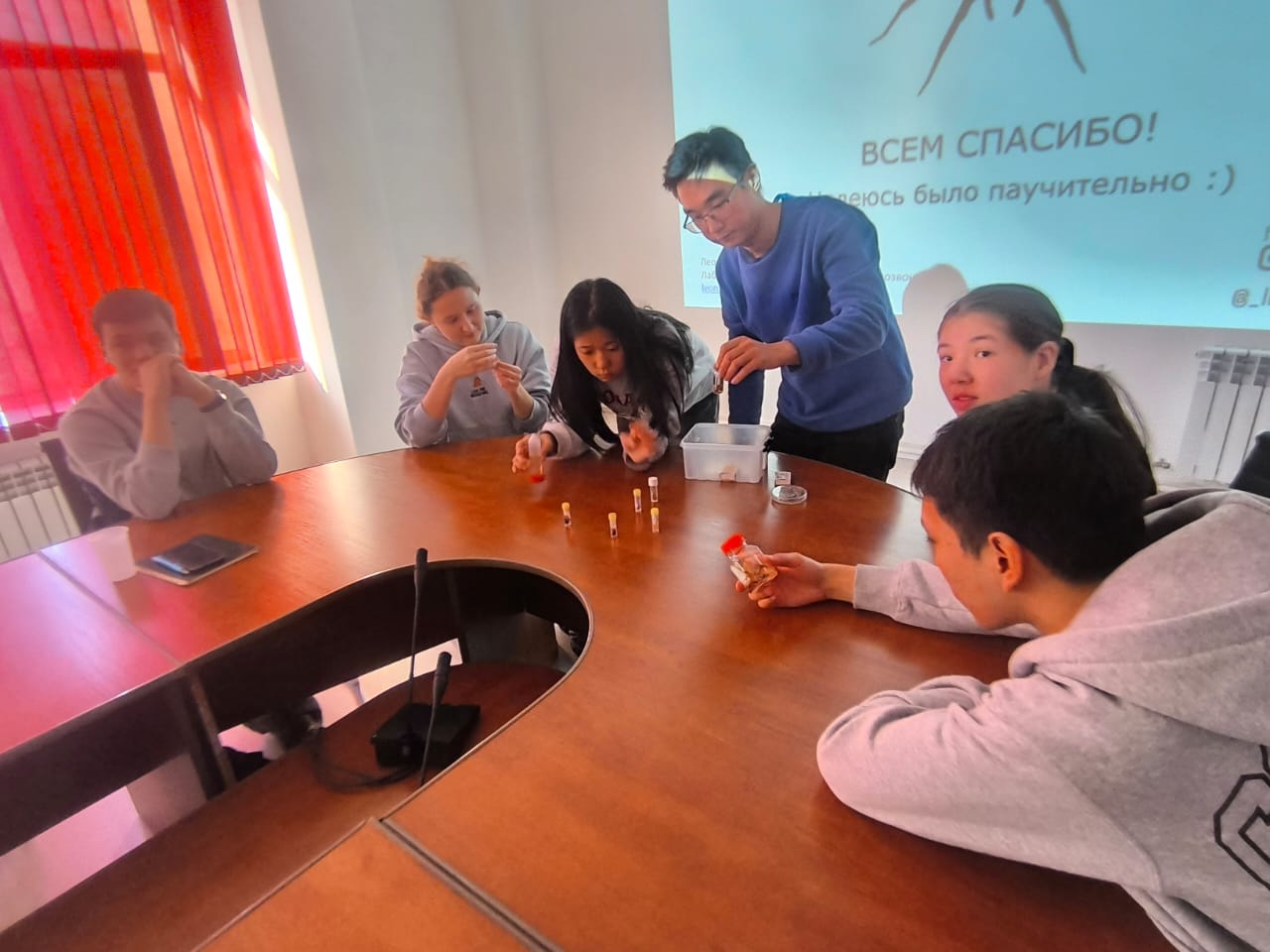
The involvement of an expert strengthened the interdisciplinary training of students, ensured integration of fundamental zoology, zootoxinology, and biomedicine, and enhanced the overall quality of professional training for future zoologists.
Senior Lecturer, Department of Zoology, Histology, and Cytology
Yekaterina Valeryevna Akentyeva
#SDG #SustainableDevelopment #KazNU #SDG_KazNU #SustainableKazNU