The Scientific Legacy of the Scholar as a Model for Future Generations
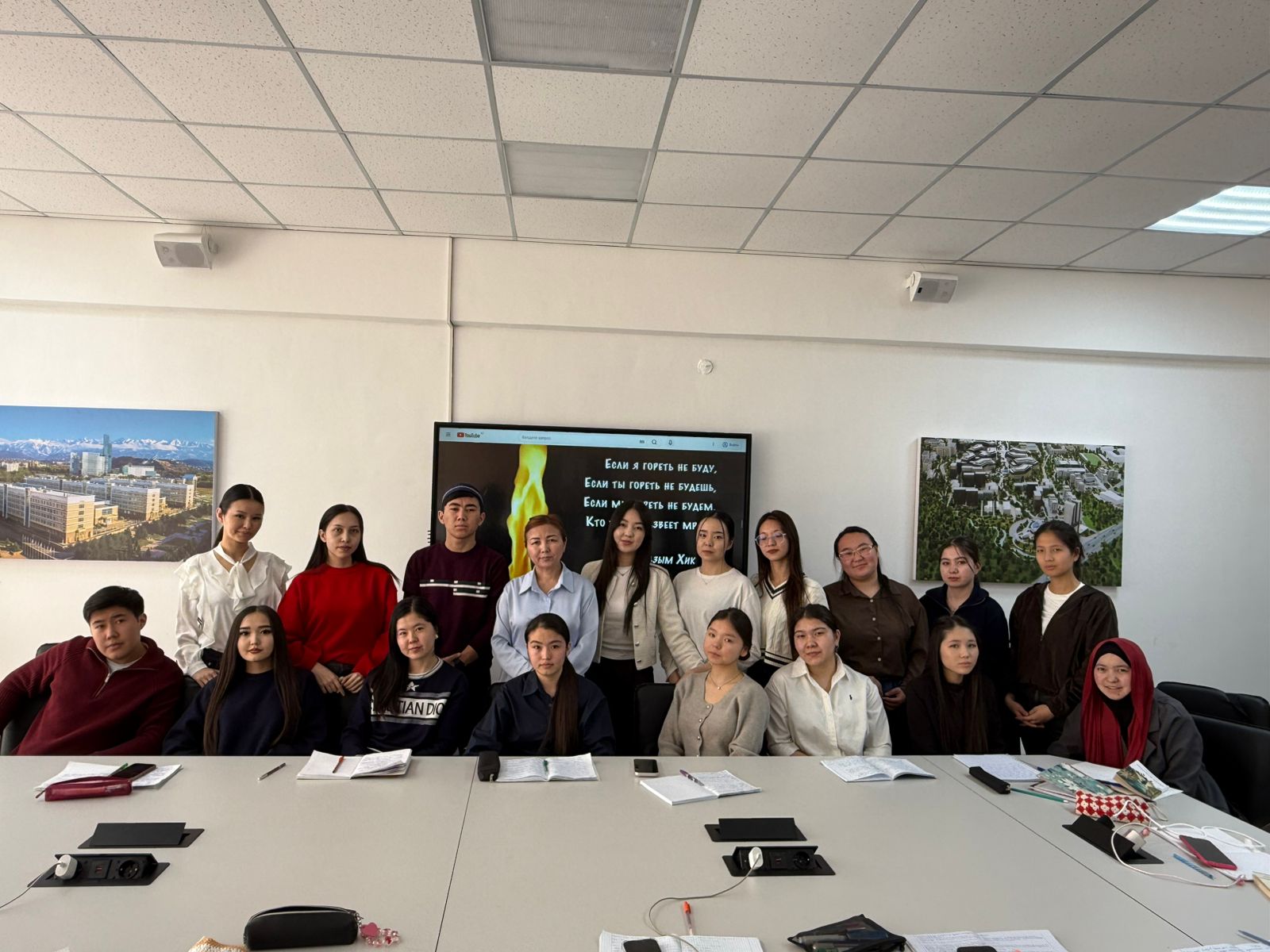
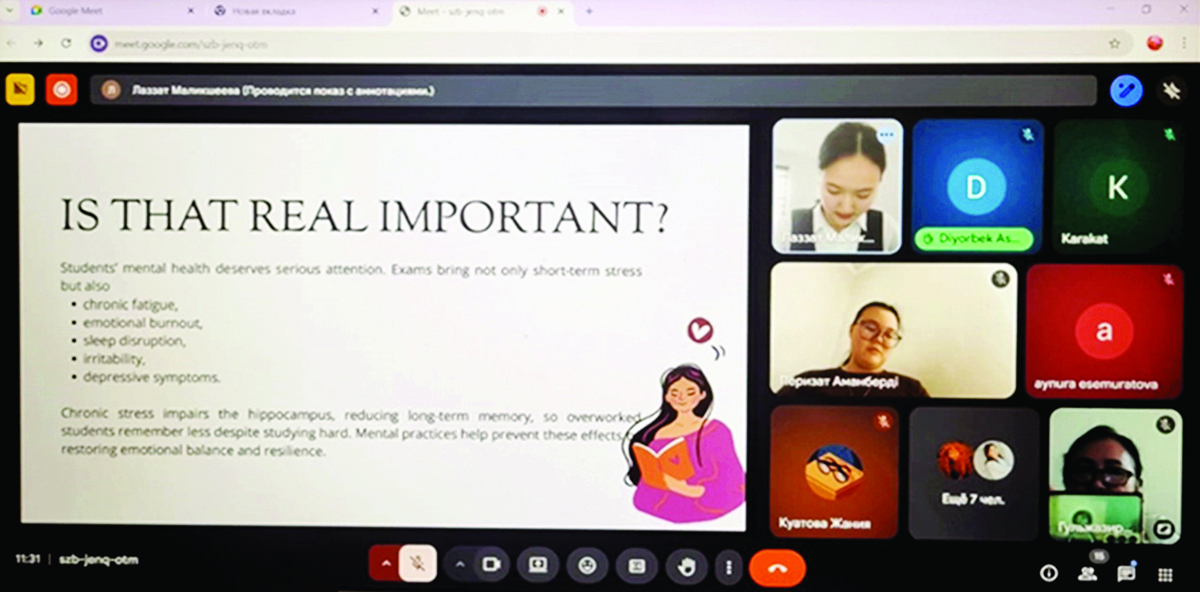
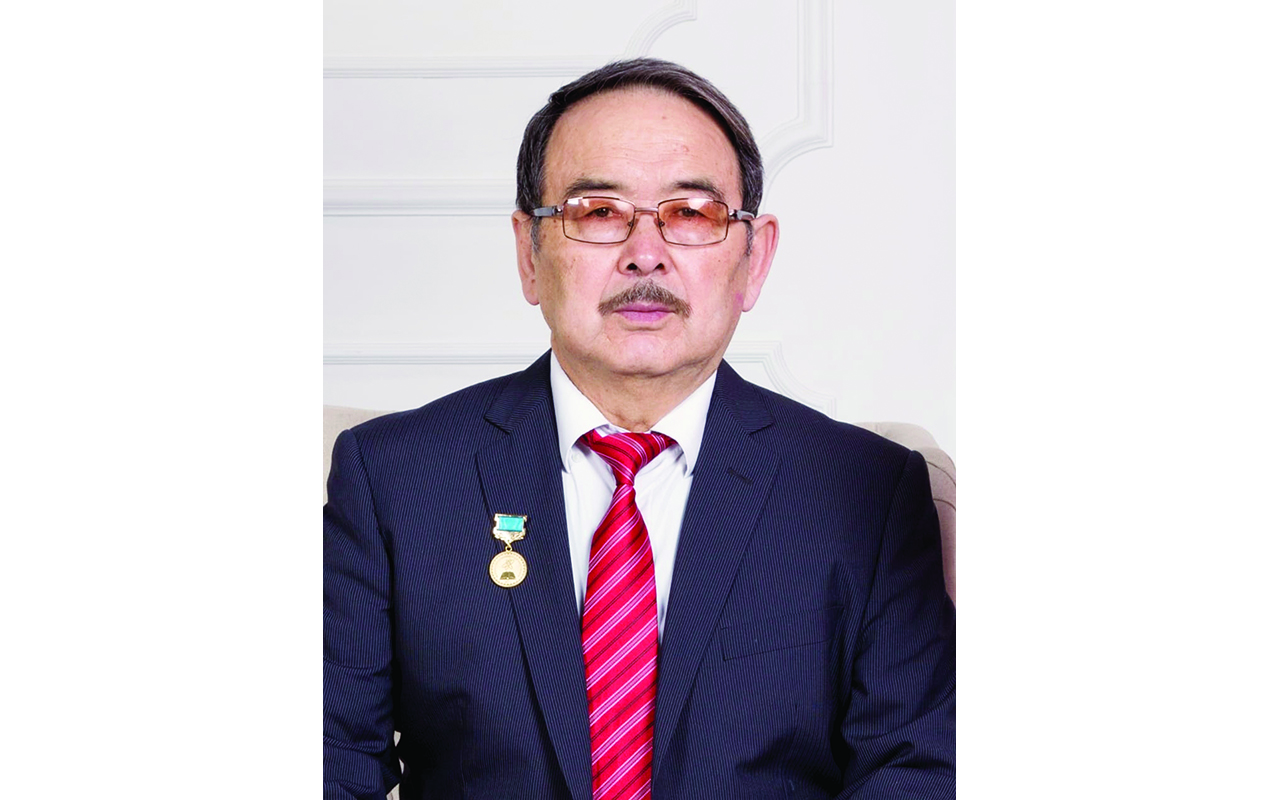
Within the framework of the Sustainable Development Goal No. 4 “Quality Education,” an educational event dedicated to the life and scientific-pedagogical activity of the outstanding scholar, educator, and public figure Omirbek Aryslauly Zholdasbekov was held on February 26, 2026. The event was organized among undergraduate and graduate students of the Faculty of Philology at Al-Farabi Kazakh National University on the initiative of Candidate of Philological Sciences, curator-advisor E.M. Soltanaeva.
The main purpose of the event was to familiarize students with the scholar’s historical role in the development of education and science, to promote his pedagogical legacy, to inspire students’ interest in knowledge and research through his personal example, and to emphasize the importance of quality education for the development of society.
During the meeting, participants received comprehensive information about the scholar’s life, his contribution to the development of higher education, and his role in strengthening the university’s scientific potential. In addition, students and graduate students watched the documentary film “At the Turning Point of the Epoch” (“Na izlome epokh”), which highlighted Omirbek Aryslauly’s multifaceted work as a scholar, educator, and organizer, as well as his significant contribution to supporting students and young researchers.
Following the screening, participants shared their impressions and emphasized the importance of his personality and legacy for the younger generation. The open discussion focused on dedication to science, the responsibility of educators, and the crucial role of quality education in shaping the future of society.
At the end of the event, the organizers noted the active participation of students and emphasized that such educational meetings play an important role in developing students’ scientific outlook and increasing their interest in the history of national science.
The event was attended by faculty members, graduate students, undergraduate students, and other interested participants.
E. M. Soltanaeva
Other news