- Main
- News
- Estonian delegation visits al-Farabi Kazakh National University as part of an International Educational Internship
Estonian delegation visits al-Farabi Kazakh National University as part of an International Educational Internship
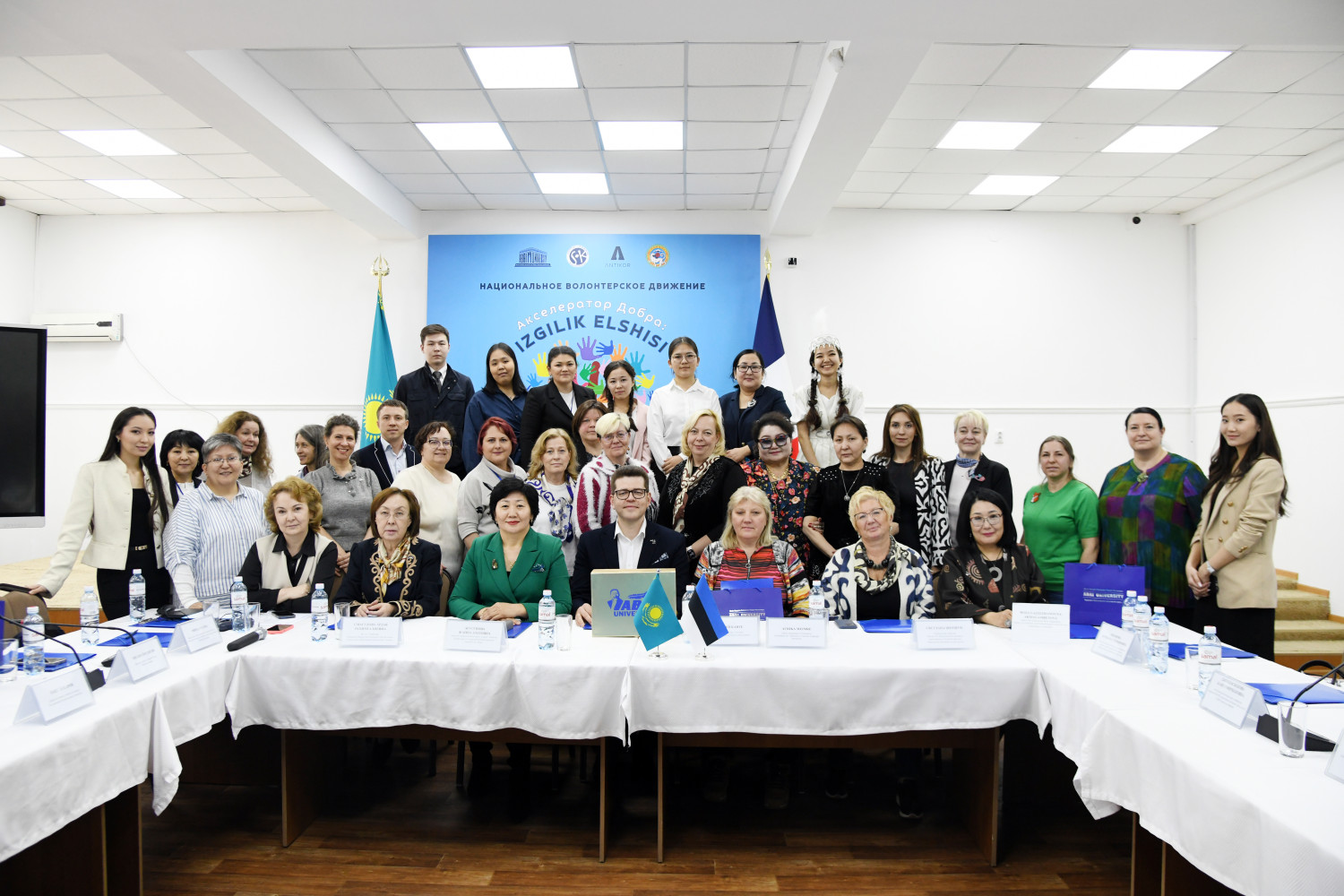
On March 17-18, 2026, a series of events were held in Almaty as part of the international educational internship “Innovative Model of Teaching. Educational Systems of Kazakhstan and Estonia.” The event was organized by the City Scientific and Methodological Center for New Technologies in Education of the Almaty Department of Education (Roza Akmagambetova) and the Faculty of Philology of Al-Farabi Kazakh National University (Bayan Joldasbekova).
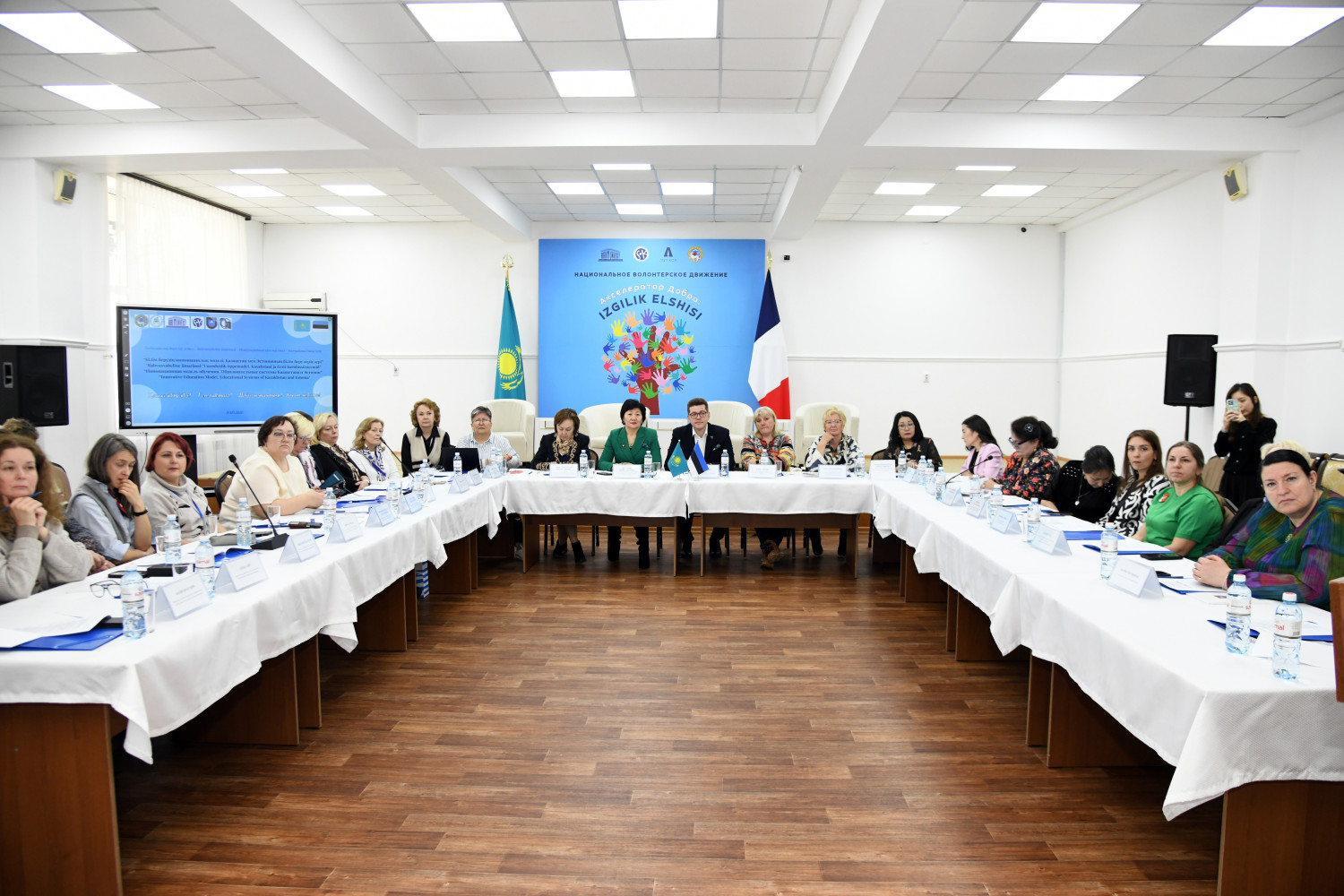
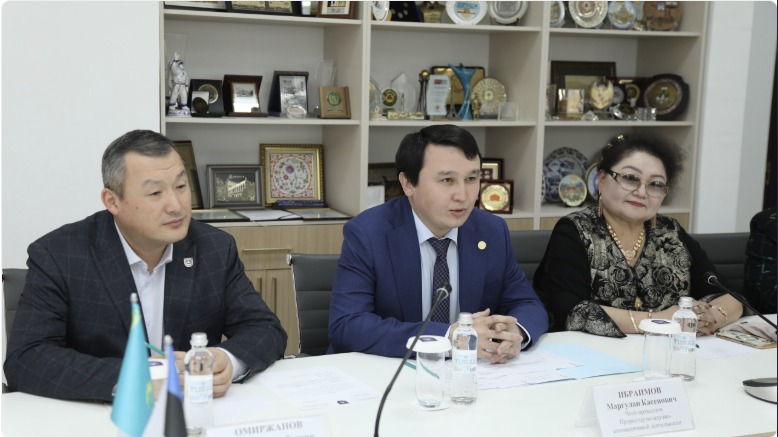
During the visit, Vice Mayor of Tallinn Andrei Kante and a representative of the Tallinn Department of Education Aurika Meimre visited al-Farabi Kazakh National University. At a meeting with the Vice-Rector for Research and Innovation Margulan Ibraimov, the participants discussed перспективные направления сотрудничества in the framework of SDG 4 “Quality Education,” including academic mobility and the implementation of joint research and educational projects. As a result of the meeting, the parties agreed to prepare and sign a memorandum of cooperation.
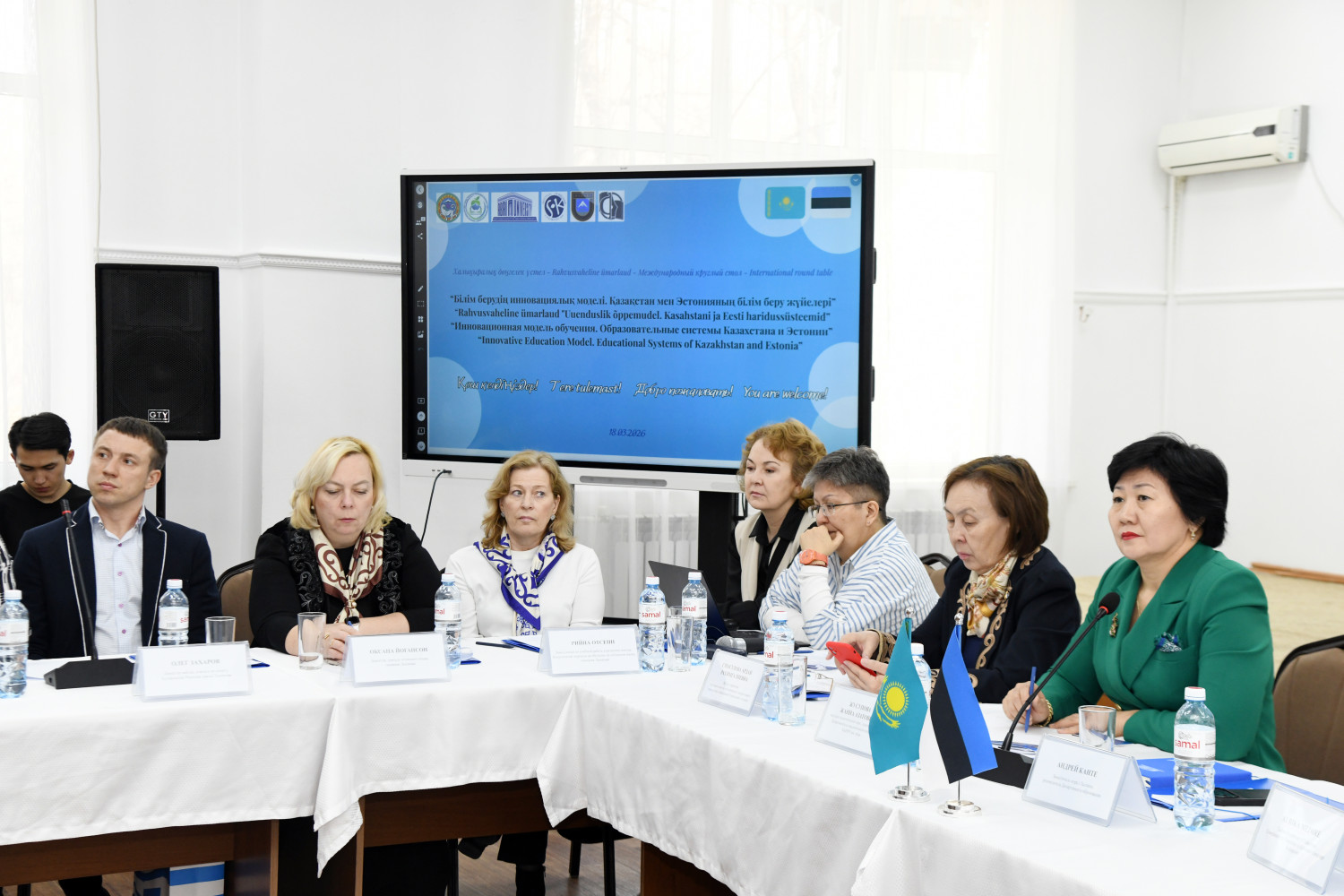
As part of the visit program, Estonian colleagues also participated in an international round table held at the Sorbonne-Kazakhstan Institute. The event was attended by the Dean of the Faculty of Philology Bayan Joldasbekova, Vice-Dean Zhadyra Bayanbayeva, and Head of the Department of Russian Philology and World Literature Alyona Demchenko. The round table was moderated by Senior Lecturer of the Department of Russian Philology and World Literature Saule Issaliyeva.
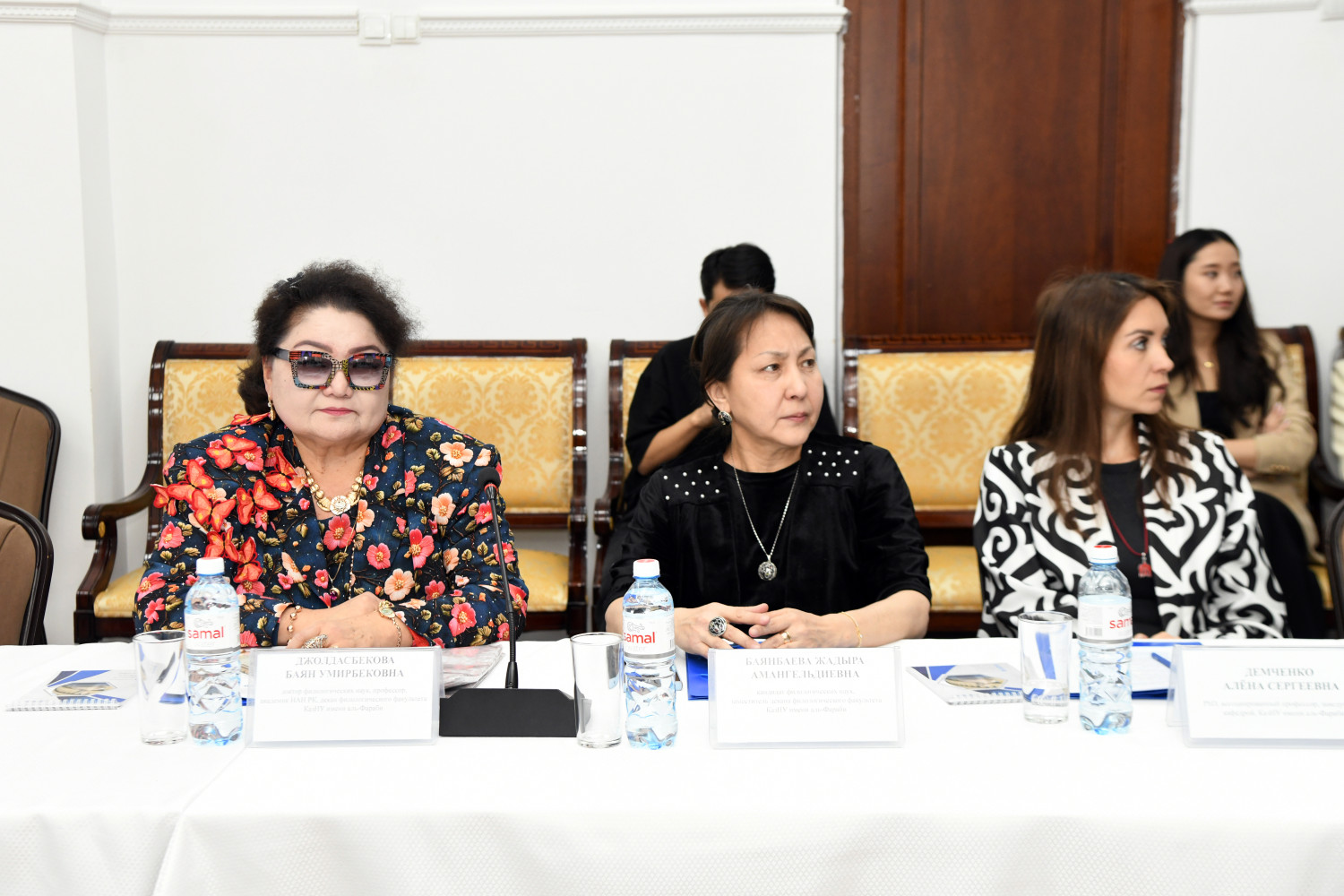
During the round table, participants exchanged experience and discussed modern trends in the development of the educational systems of Kazakhstan and Estonia, the introduction of innovative pedagogical models, digital technologies, and the development of international cooperation in education. Presentations were delivered on the development of pedagogical education, digital transformation of the educational environment, the integration of artificial intelligence into educational processes, and the training of a new generation of teachers.
During the interactive session, guests were introduced to artificial intelligence tools for digital learning, including test assignments, a website for organizing group learning, book-story, and other digital solutions.
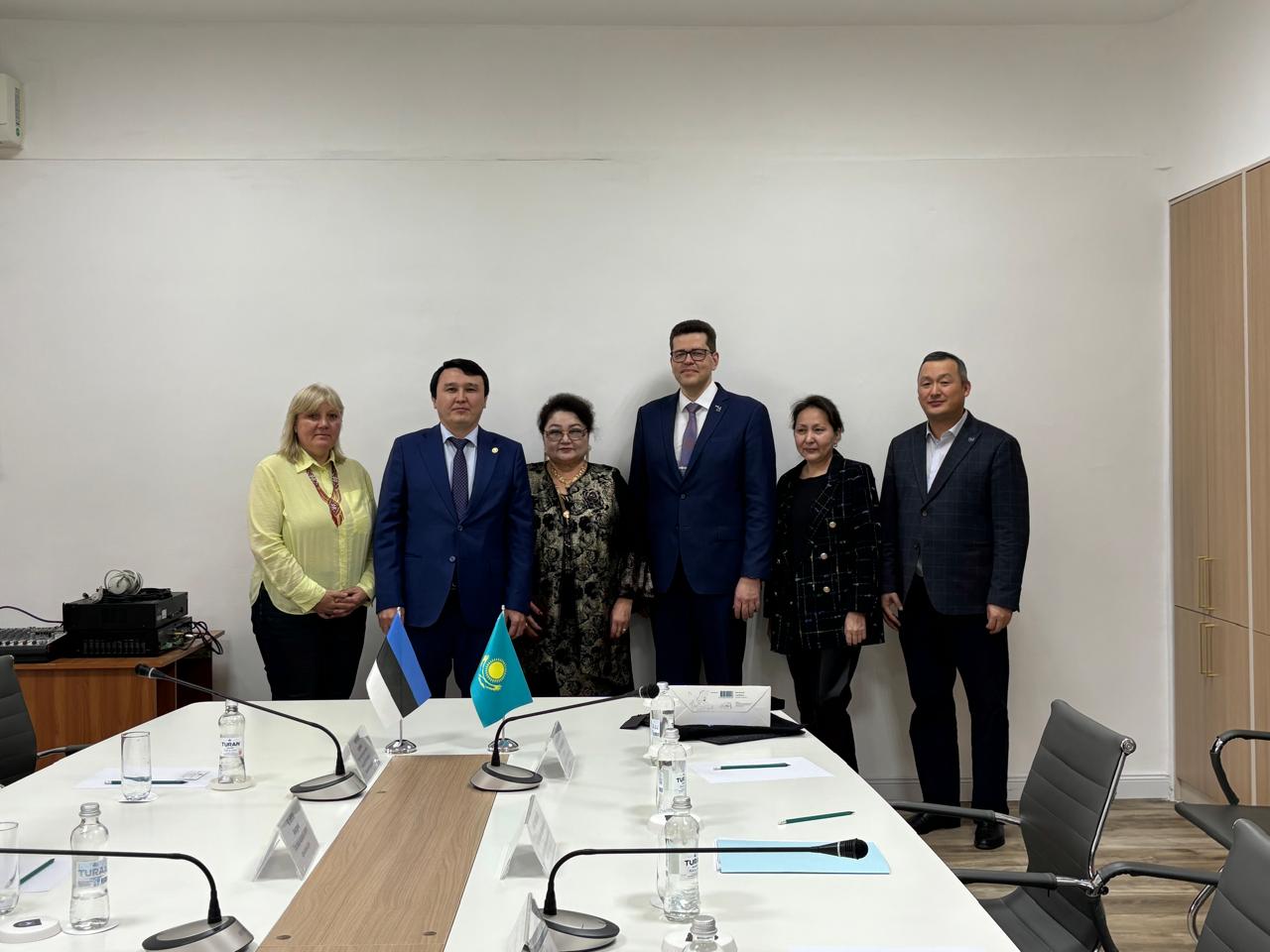
According to Roza Akmagambetova, Head of the Department of the City Scientific and Methodological Center for New Technologies in Education of the Almaty Department of Education, such meetings provide an important platform for professional dialogue, exchange of experience, and the development of international educational partnerships.
Participants of the round table emphasized the importance of further expanding cooperation between educational institutions of Kazakhstan and Estonia, implementing joint projects, and developing academic exchanges and research collaboration.
Other news