- Main
- News
- SDG 5 - GENDER EQUALITY. Debate on "LGBT and bioethical aspects of this 21st century phenomenon"
SDG 5 - GENDER EQUALITY. Debate on "LGBT and bioethical aspects of this 21st century phenomenon"
.jpeg)
SDG 5 aims to achieve gender equality and eliminate all forms of discrimination and violence by 2030. The debate, which took place 05.03.2026 under the guidance of Professor of the Department of Botany and Agroecology S.T. Nazarbekova in the framework of the interdisciplinary field of knowledge - bioethics. The debate revealed many issues of concern, including student youth. 3 year biology students participated in the debate.
Students split into 2 teams of LGBT supporters and opponents. The debate was overseen by the Ethics Committee. The Ethics Committee is called upon to listen to both parties and make an objective decision on the totality of the arguments "FOR" and "AGAINST." Students in their speeches relied on the basic principles of bioethics.
Bioethics studies the moral principles underlying a person's quality of life, health, and dignity. Bioethically, the LGBT discussion touches on several key principles. First of all, the principle of individual autonomy, which implies respect for a person's right to independently determine his identity, lifestyle and personal relationships. This principle is associated with the recognition of human dignity and freedom of choice.
The second important aspect is the principle of justice and non-discrimination. Bioethics emphasizes the need for all people to have equal access to health care, social resources regardless of sexual preference or gender identity.
The students also discussed the principle of beneficence and non-harm. Medical and social practices should be, according to students, aimed at supporting human well-being and preventing physical or psychological pressure. In the LGBT context, this includes issues of mental health, social stigma and the ethics of health interventions.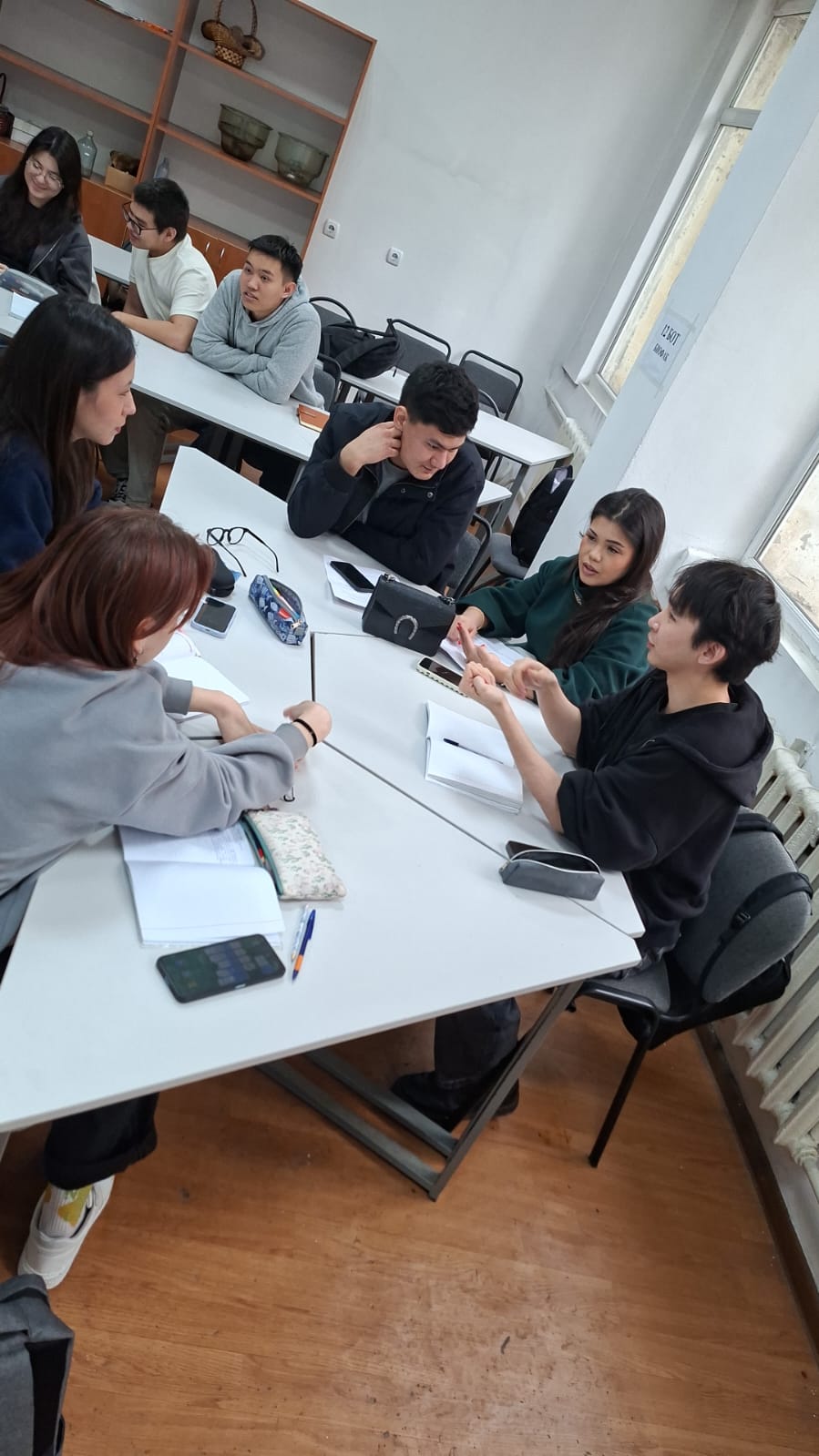
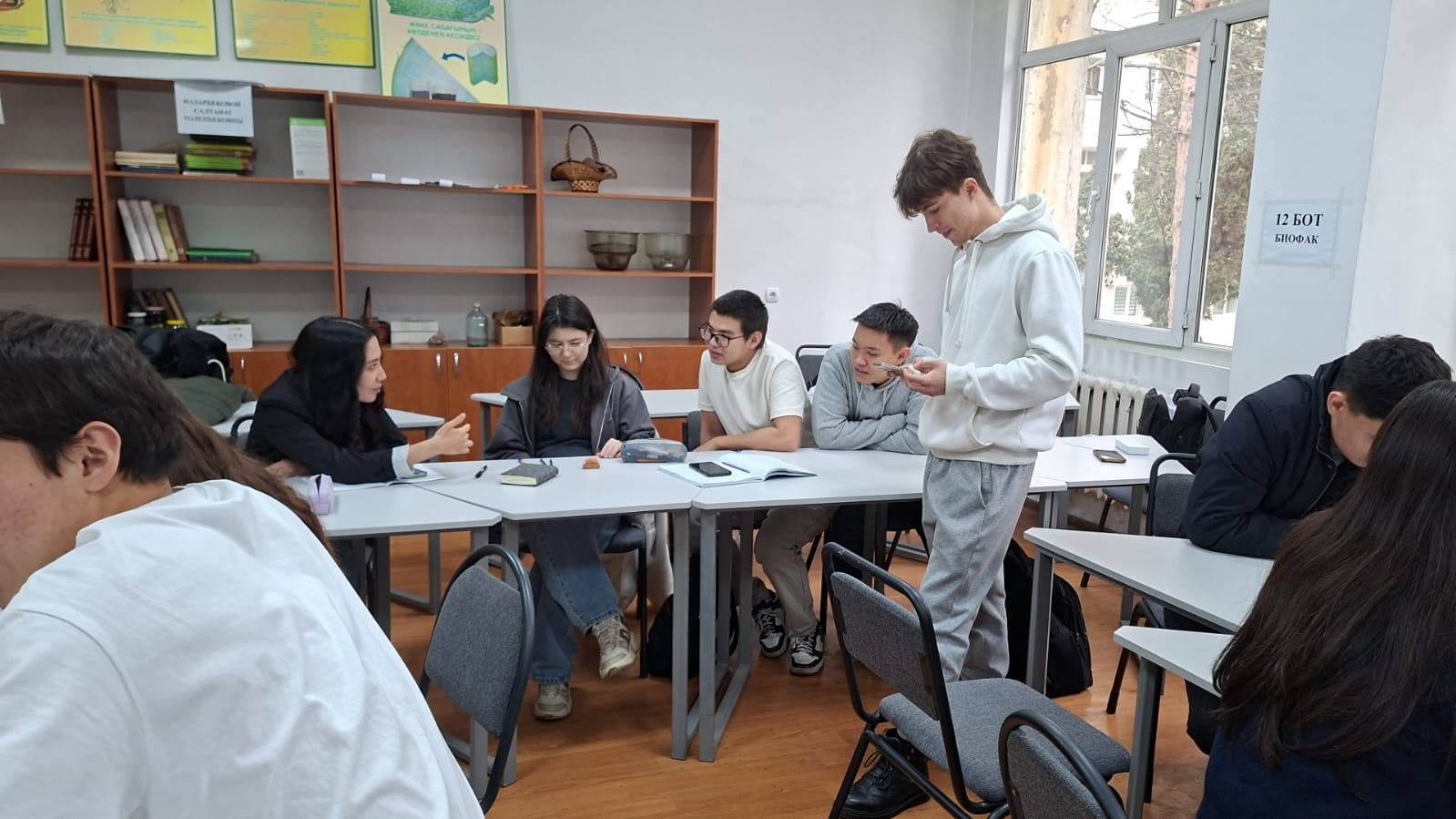
In addition, students have sharpened their focus on bioethics such as reproductive technology, parenthood, gender medicine and human rights. These issues require a balanced approach based on scientific knowledge, respect for the individual and dialogue between society, the medical community and cultural traditions. Expressed emotionally from various points of view (religion, legislation, culture. At the end, students expressed their opinion about the need to respect gender equality between women and men in modern society, on the one hand, and sexual minorities, on the other, as equal members of this society. This is possible if everyone enjoys equal rights and is not discriminated against and abused. Our society is secular, and therefore there should be no glorification of one part of society over another, neither gender nor nationality.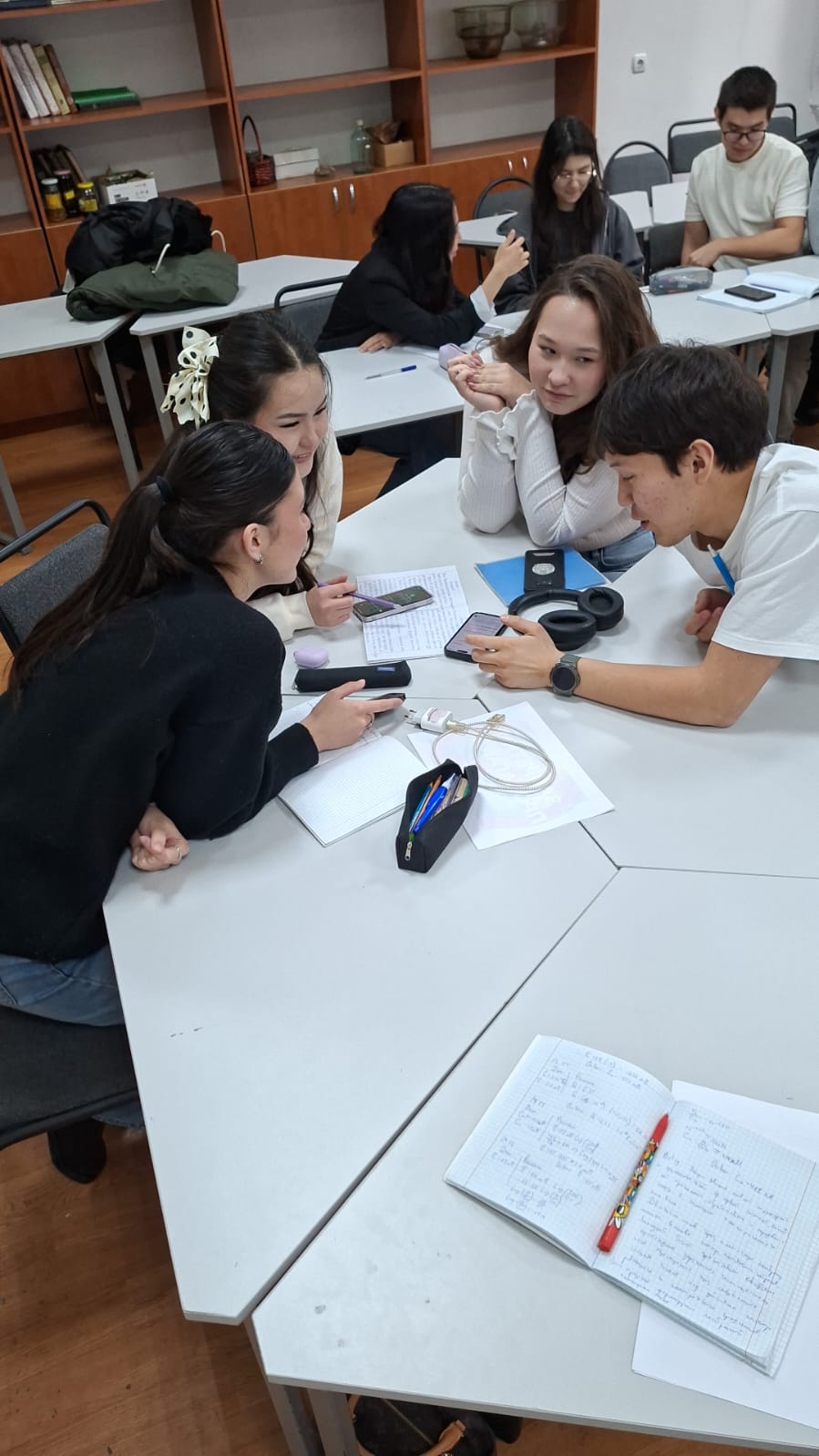
Thus, the topic under discussion helped students to consider this phenomenon not only through the prism of social disputes, but also through fundamental values - respect for human dignity, justice and the responsibility of society for the well-being of each person. Tolerance is our choice!
Department of Botany and Agroecology