It is important to prevent natural dangers
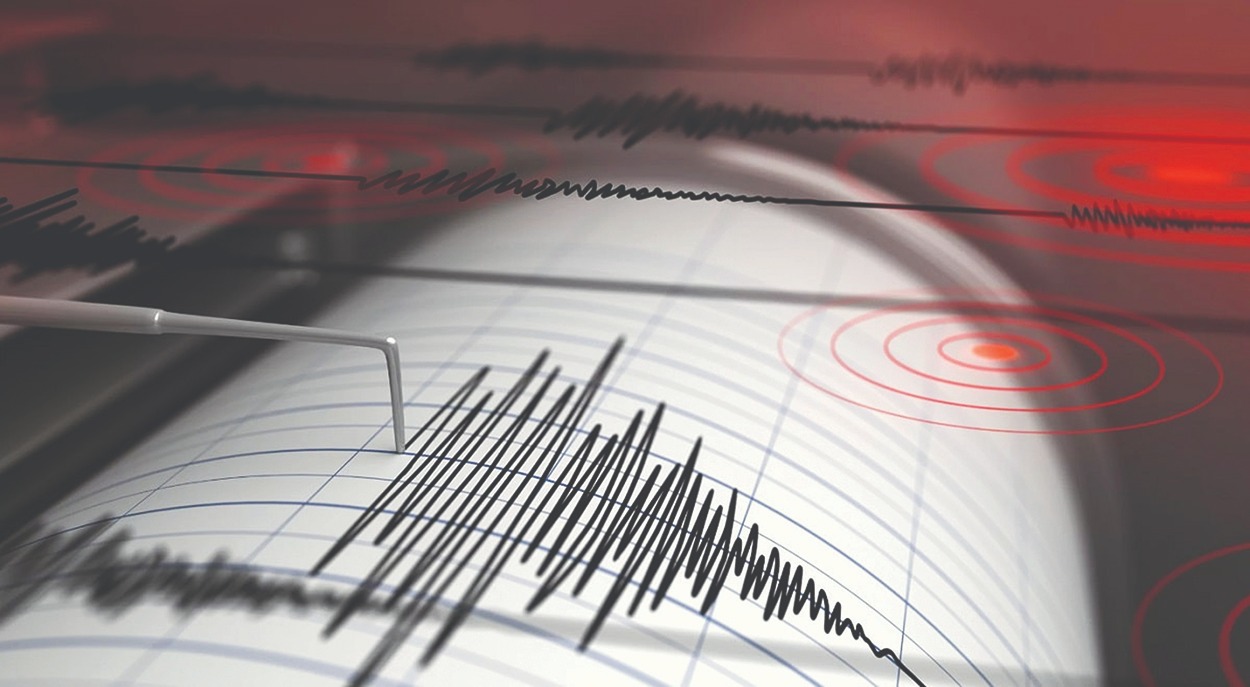
In Kazakh, there is a saying: “Fire and water are silent enemies.” It refers to natural disasters that are difficult to predict. Recently, strong earthquakes have been included in this category of disasters.
Almaty, located near the Tien Shan mountain range, is situated at the intersection of several tectonic plates, resulting in frequent seismic activity. Seismic observations indicate that within an 80 km radius of the city, around 200 minor earthquakes occur each year. Within the city limits, there are approximately 30 tectonic faults, over 60% of which are located in mountainous areas. Following the strong earthquake on January 23, seismologists recorded more than 5,000 aftershocks. Nevertheless, seismologists assure residents that “a catastrophic earthquake is not expected in the near future”.
Considering the high seismic activity in the region, it is essential to implement precautionary measures to minimize potential hazards and the impacts of earthquakes in Almaty. Key strategies include:
-
Strict building codes and regulations: Enforcing robust construction standards ensures the structural integrity of buildings. This includes retrofitting older structures to withstand earthquakes and following strict guidelines for new constructions.
-
Public awareness and training: Disseminating information on earthquake preparedness among the population is crucial. This includes emergency protocols, evacuation routes, and guidance on securing heavy objects at home and work.
-
Early warning systems: Developing and implementing effective early-warning systems allows residents to take shelter or begin evacuation procedures before an earthquake strikes.
-
Emergency response and preparedness: Regular drills and simulations enhance the city’s capacity to respond effectively during earthquakes. Establishing reliable communication networks and pre-planned evacuation routes ensures coordinated action.
-
Continuous monitoring and research: Investing in earthquake monitoring systems and conducting ongoing research improves understanding of seismic activity in the region. These data can inform earthquake prediction, risk assessment, and policy decisions.
The Faculty of Geography and Environmental Management, which trains specialists to operate during natural and emergency situations, includes the departments of “Natural and Technogenic Hazards” and “Environmental Protection and Life Safety.” Students in these programs study courses such as Seismology Basics, Fundamentals of Rescue Operations and Disaster Medicine, Life Safety, and Hazardous Natural Processes. They learn about the causes and patterns of earthquakes, the propagation of seismic (elastic) waves through the earth’s interior, and assess social risks by classifying dangerous natural processes. This combination of theoretical knowledge and practical training prepares students to become competent professionals in their field.
Experts from the Ministry of Emergency Situations of Kazakhstan, including the Seismology Institute LLC’s technogenic seismic laboratory and the KazSelDenKorgau Emergency Preparedness and Protective Structures Directorate, also present preparatory videos to students and invite them to gain practical experience at their institutions. Currently, specialists who work on preventing, forecasting, and assessing post-disaster environmental impacts are in high demand.
According to experts, Almaty is located in a zone where a 10-point earthquake can occur. Recent studies indicate that 45% of Kazakhstan falls within a seismically hazardous area. Therefore, additional requirements should be included in the design regulations of the new construction code.
Globally, approximately 150 destructive earthquakes, 7,000 strong, 19,000 medium, 150,000 minor, and several million very minor earthquakes occur each year. Following the earthquakes in Turkey, Syria, and Almaty earlier this year, faculty members of Al-Farabi Kazakh National University, including A. Koshim, G. Zhangulova, and E. Oringozhin, gave interviews to the media, sharing their professional assessments.
It is worth noting that until 1998, Soviet-era standards prohibited high-rise construction in mountainous areas prone to 10-point earthquakes. In 2021, a new edition of the construction code was adopted in line with European standards, permitting high-rise buildings in such zones, but with strict anti-seismic requirements, according to expert E. Shokbarov.
Considering Almaty’s seismic risk, residents should remain calm and familiarize themselves with emergency safety measures. Ten simple steps during an earthquake include:
-
Stay calm during tremors.
-
Do not use elevators or stairs during the quake.
-
Keep away from furniture and windows.
-
Find a safe spot, ideally near structural corners on upper floors.
-
Exit the building if you are on lower floors; for high-rises, wait until shaking stops.
-
Turn off water, gas, and electricity before leaving.
-
Take a pre-prepared emergency kit.
-
Keep clear of power lines, buildings, and trees.
-
Be ready for aftershocks.
-
Assist elderly, children, and people with disabilities.
It is important to note that predicting earthquakes and their destructive power is still impossible. Therefore, people should not panic or rely on unverified warnings.
Aktoty BEKZHANOVA,
Lecturer, Department of Cartography and Geoinformatics