Prevention of occupational diseases
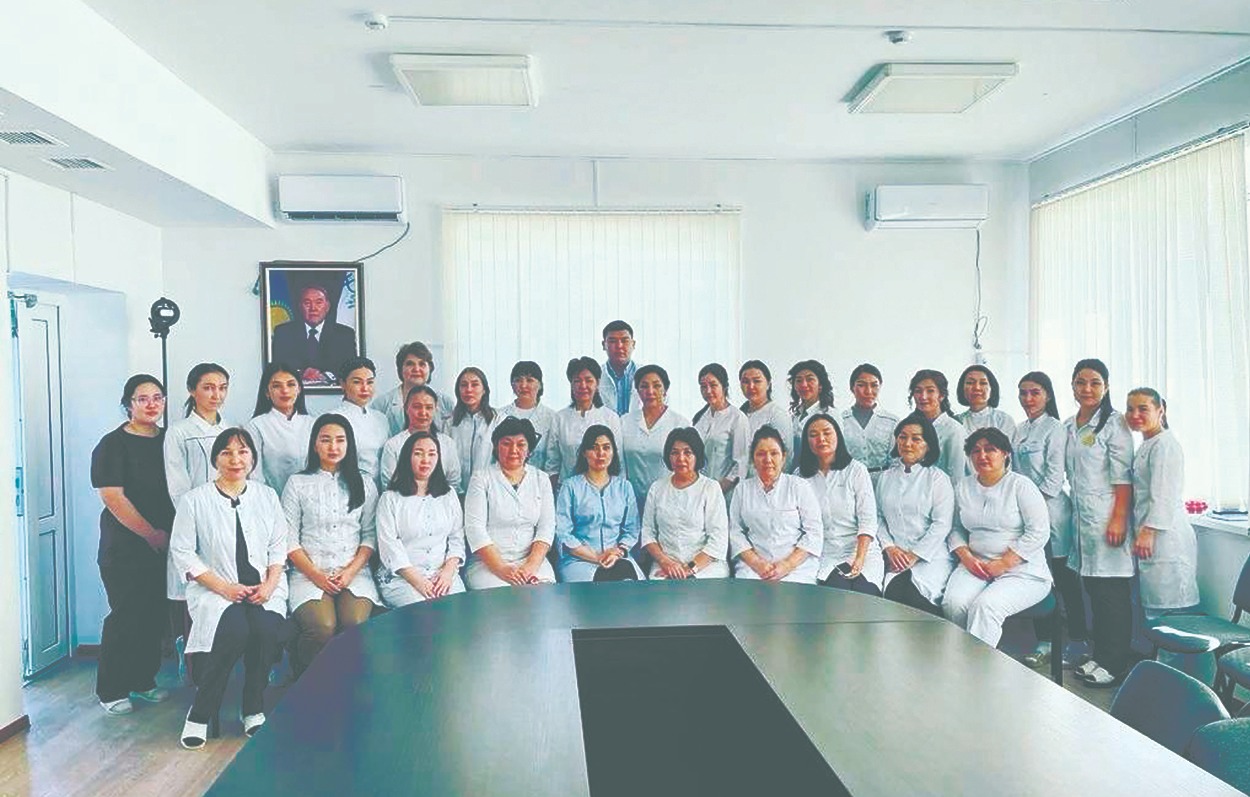
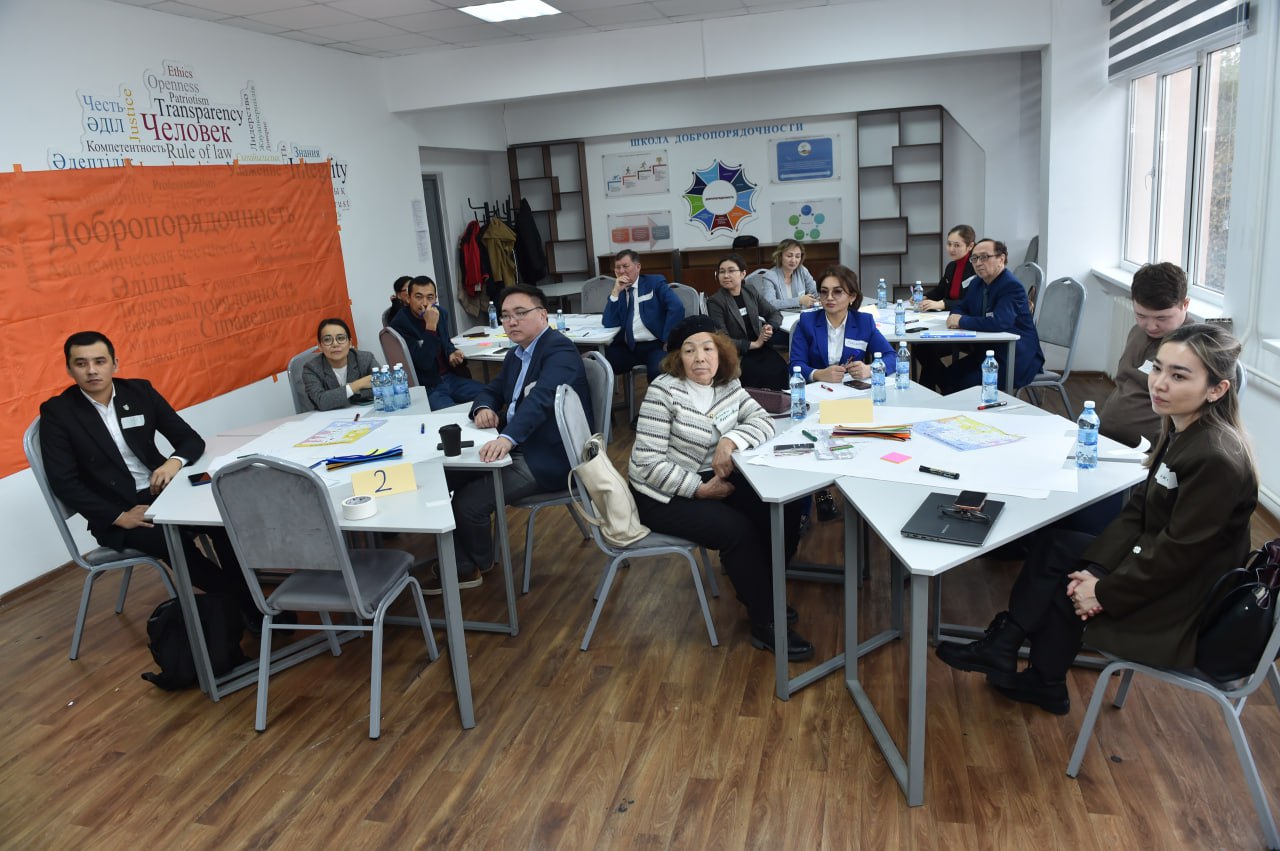
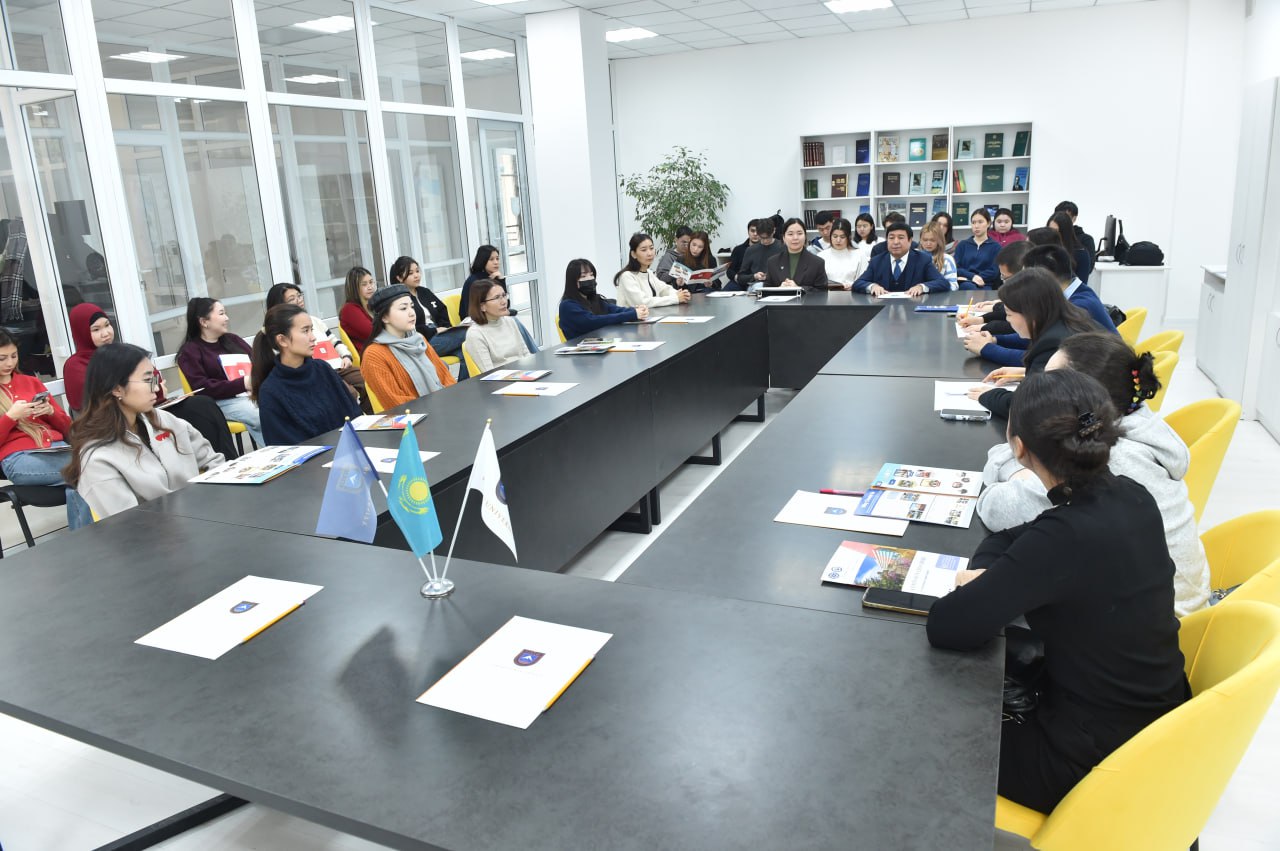
As part of preventive measures, a curator session was held with second-year students of the “Nursing” program at the Department of Health Policy and Organization, Faculty of Medicine and Healthcare, on the topic: “Prevention of Occupational Diseases”.
The work of healthcare professionals is among the most complex and responsible types of human activity. Occupational diseases arise due to the impact of harmful and hazardous production factors on the worker’s body during labor activities. The labor of medical workers is socially significant, highly responsible, and associated with substantial mental and emotional stress.
The main causes of occupational diseases resulting from exposure to production factors include:
-
Imperfections in technological processes and equipment;
-
Inadequate working conditions;
-
Non-use, absence, or imperfection of personal protective equipment;
-
Violations of safety and industrial hygiene regulations;
-
Deviations from technological regulations;
-
Emergency situations.
The most common types of occupational diseases are:
-
Diseases (poisonings) caused by chemical factors, predominantly affecting:
-
Respiratory system (toxic bronchitis)
-
Nervous system (toxic encephalopathy)
-
Liver (hepatitis)
-
Kidneys and urinary tract
-
Skin (dermatitis)
-
-
Diseases caused by industrial aerosols (pneumoconiosis);
-
Diseases caused by vibration (polyneuropathy, vibration disease) or noise (bilateral sensorineural hearing loss of varying severity);
-
Diseases from exposure to ionizing radiation (burns, radiation sickness);
-
Diseases associated with physical overload and overstrain of organs and systems (neuropathy, myotonic syndrome, radiculopathy);
-
Diseases caused by biological factors (brucellosis, allergic contact dermatitis, eczema, allergic bronchial asthma).
Key preventive measures for occupational diseases include:
-
Ensuring safe working conditions and preventing emergency situations;
-
Implementing technological measures for mechanization and automation, remote management;
-
Conducting Special Assessment of Working Conditions (SAWC) for employees;
-
Organizing and performing industrial monitoring of production factors;
-
Organizational, technical, sanitary-hygienic, and administrative measures to reduce harmful factor exposure (observing work-rest regimes, applying the principle of protection by distance and time, monitoring personal protective equipment usage, etc.);
-
Conducting preliminary and periodic medical examinations to detect diseases early;
-
Providing sanatorium-resort rehabilitation for high-risk groups;
-
Implementing general health and strengthening activities to increase body resilience;
-
Providing healthcare workers with preventive nutrition.
Akerke KUSAIYN
Lecturer, Faculty of Medicine and Healthcare
Other news