- Main
- News
- Berik Aryn, Director General of the Islamic Organization for Food Security:Service to the Motherland is the most noble thing
Berik Aryn, Director General of the Islamic Organization for Food Security:Service to the Motherland is the most noble thing
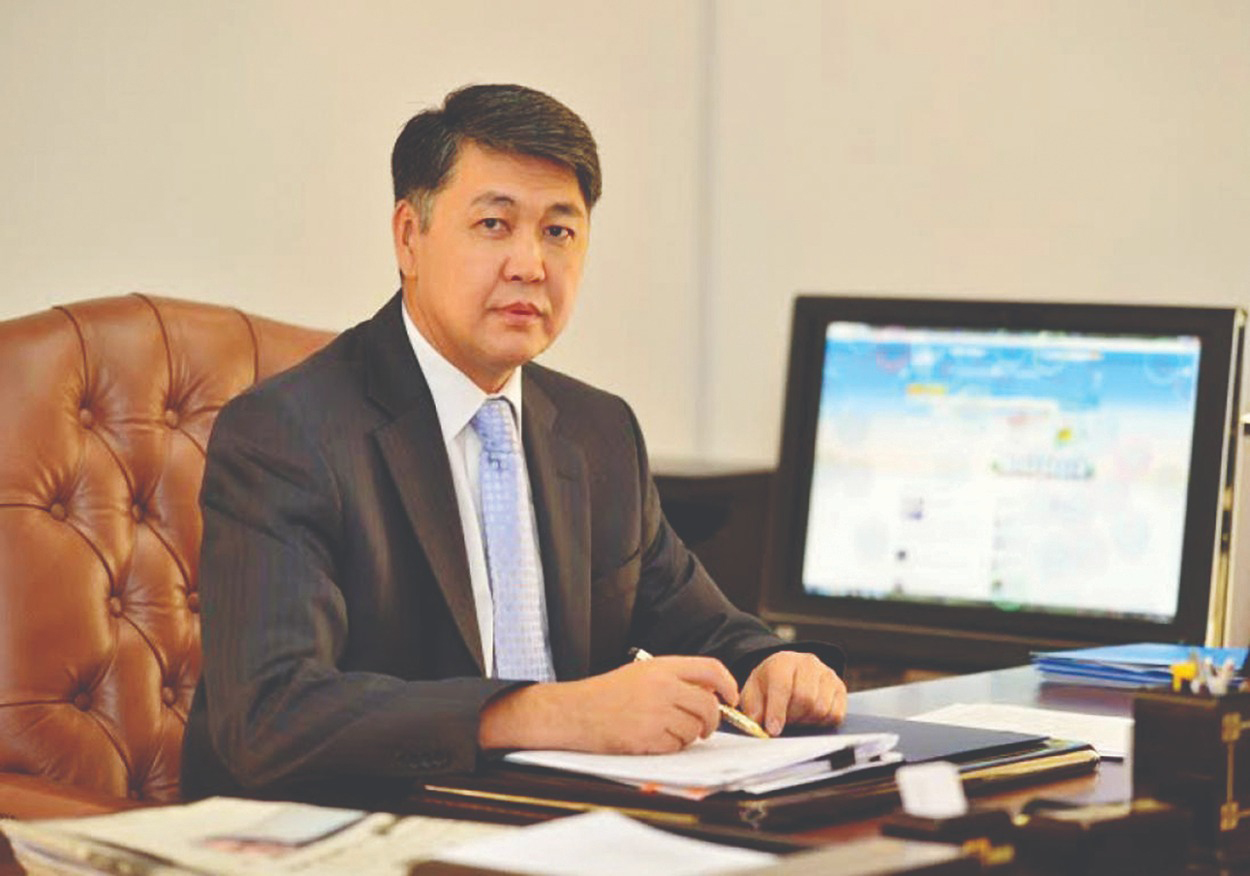
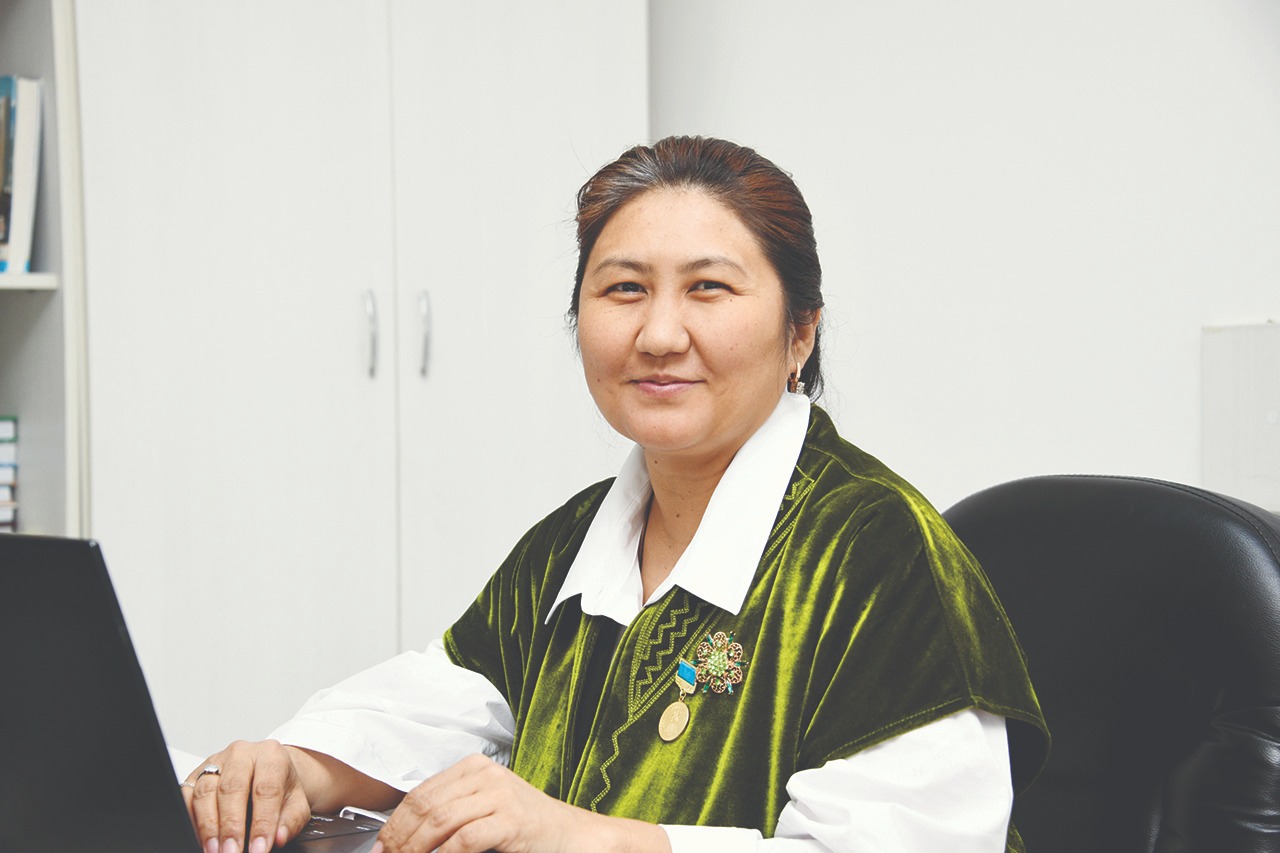
Berik Aryn is a distinguished public figure and scholar in the field of Kazakh diplomacy and oriental studies, with over 30 years of dedicated service. From 2011 to 2016, Berik Sakbayuly served as Kazakhstan’s Ambassador Extraordinary and Plenipotentiary to Egypt, and from 2019 to 2024, he held the same position in Saudi Arabia. Today, he is the Director General of the Islamic Organization for Food Security. In this interview, he shares his journey into oriental studies and the insights he gained throughout his diplomatic career.
– Berik Aryn, how did you choose the field of oriental studies?
– Being admitted to the Faculty of Oriental Studies was, in a sense, fate’s gift for me. In 1986, after graduating from secondary school with a gold medal, I had the opportunity to enter many universities without exams. However, my childhood dream was to enroll in the Law Faculty at Al-Farabi Kazakh State University (KazGU), considered the best university in the country. At that time, there were no privileges for recent school graduates in the highly competitive law program. Despite passing all three exams with “good” marks, I could not secure a place, so I returned to my village and began working.
I planned to reapply to the law faculty the following year, but I was called up for military service and spent two years fulfilling my duty to the homeland. After returning, I once again prepared to enter the law faculty with the help of a tutor. One day, my tutor told me that the university was opening a new Faculty of Oriental Studies, with Dean Absattar Derbissali and historian Professor Kenzhes Kozhahmetov meeting applicants. That meeting became a turning point in my life. Absattar Bagysbaiuly’s discussion about the Arab world reminded me of the One Thousand and One Nights stories I had secretly read in school. His words, “Our country will soon gain independence, and we need specialists proficient in foreign languages”, ignited hope in our hearts. After the meeting, I withdrew my application from the law faculty and applied to the Faculty of Oriental Studies. I passed the exams successfully and became a student of the Arabic department.
– Colleagues in Arabic studies often note that few people speak Classical Arabic, or Fus’ha, in today’s Arab world. Could you share your thoughts on this and the challenges you faced while mastering literary Arabic?
– Indeed, Classical Arabic is rarely used in daily life across the Arab world. Among the 22 Arab countries, every country has its own dialect, and these dialects can be mutually unintelligible. For example, Maghreb Arabs and Mashreq Arabs often cannot understand each other. However, the Egyptian dialect is widely understood due to popular Egyptian films and iconic singers like Umm Kulthum.
During our language practice in Meknes, Morocco, locals often did not understand the Classical Arabic (Fus’ha) we had learned, viewing us as if we had come from the sky. Most Moroccans tried to speak French or their local dialects. I recall the advice of Nazir Torekulov, the first Kazakh Ambassador to Saudi Arabia in the 1930s, who emphasized the importance of learning local dialects alongside the literary language.
– Do you still think learning Fus’ha is relevant today?
– Absolutely. Fus’ha remains essential for official correspondence, communication with state institutions, and television broadcasts. As education improves across the Arab world, more people are learning Classical Arabic. In my time, there were no language apps or Arabic TV/radio channels, so we had to read and listen as much as possible. Once I went to an Arab country, I watched local TV and listened to radio programs, conversing frequently with native speakers. The key is not to fear making mistakes, as errors are part of learning. Daily communication, reading, listening, and practicing speaking are vital.
– Could you tell us about your student life at KazGU and how it shaped your personality?
– Student years are among the most exciting periods of life. My student years coincided with the collapse of the USSR and the emergence of Kazakhstan as an independent state. The university experience was full of historical events, debates, and reflections on our country’s future. We studied with full dedication, believing our knowledge would benefit an independent Kazakhstan. Despite the economic hardships of the time, our professors instilled confidence, provided deep knowledge, and guided us toward personal and professional development.
– Which professors had the most influence on you?
– First, I am grateful to Absattar Derbissali, founder of the Faculty of Oriental Studies, who inspired and supported us. I also sincerely respect and remember Fairuza Hanifkyzy Mameko, whose passion and dedication awakened our love for the Arabic language. Other influential professors included K. Kozhahmetov, G. Nadirova, M. Mazhenova, D. Belgibaeva, B. Tasymov, J. Dadebayev, A. Chupek, A. Tasymov, L. Rustemov, and S. Batyrshauly. Many Arabic specialists today have been trained by these educators.
– Could you describe your path in diplomacy?
– I progressed from the entry-level position of referent to Ambassador Extraordinary and Plenipotentiary. Early in Kazakhstan’s independence, experienced diplomats were scarce, so much learning came through trial and error. Senior colleagues encouraged me, and one told me: “Ministers are a matter of luck, but a hardworking, knowledgeable diplomat can become an ambassador. You have all the qualities needed”. This inspired me greatly. For me, being a diplomat means holding both a pen and wisdom in one hand. Serving my country has been the greatest honor of my life.
– As the first graduate of the Faculty of Oriental Studies to become an ambassador, how do you view the responsibilities of this role?
– Being an ambassador means representing your country at the highest level, which is both a privilege and a responsibility. An ambassador’s credential includes the President’s request for the host country to trust and support the ambassador fully. Every ambassador embodies their nation, upholding citizens’ rights, defending national interests internationally, and promoting their country’s image. I had the honor of serving in leading Arab countries – Egypt and Saudi Arabia – as well as Morocco, Algeria, Tunisia, Libya, and Bahrain. I also represented Kazakhstan in prestigious international organizations, such as the Organization of Islamic Cooperation, the African Union, the League of Arab States, and the Islamic Organization for Education, Science, and Culture. I am deeply grateful to President Kassym-Jomart Tokayev and the country’s first President, Nursultan Nazarbayev, for their trust.
– Thank you for sharing your story!
Fatimabibi DAULET,
Associate Professor, Department of Sinology