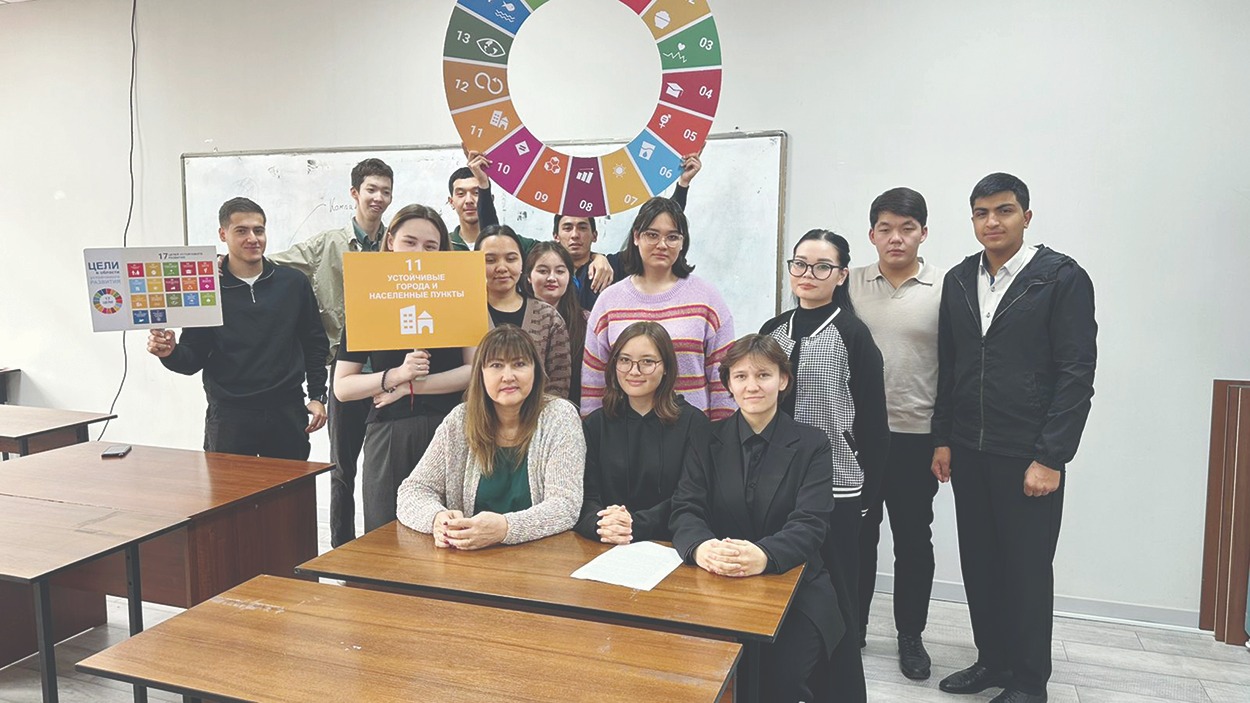
The fifth Goal of sustainable development is to ensure gender equality. It includes eliminating all forms of discrimination and violence against women and girls, recognizing the value of domestic work, and ensuring women's equal participation in decision-making processes at all levels. An important step in this direction was the adoption by the UN General Assembly on March 4, 2025, of a resolution on the establishment of the UN Center for Sustainable Development in Almaty. One of his tasks is to promote the principles of gender equality.
Kazakhstan joined the Beijing Declaration 30 years ago, and this period allows us to take stock of the observance of the principles of gender equality. Despite the Soviet experience, the very term "gender" caused lively discussions in the context of retroditionalism.
The State has taken important measures, including:
• Adoption of two laws: "On State guarantees of equal rights and equal opportunities for men and women" and "On the prevention of domestic violence".
• Creation of the National Commission on Women's Affairs and Family and Demographic Policy.
• Appointment of advisers to the heads of regions on gender issues.
• Introduction of quotas in the Parliament: today, a 30% quota has been set for women, youth and people with disabilities.
In 2024, the law on combating domestic violence was passed, which re-criminalized this crime. Earlier, "at the request of the workers," domestic violence was reclassified as an administrative offense. The ban on 190 professions for women was also lifted – now every woman can choose her profession independently.
The age of globalization is an age of conflict between democratic values and traditional values, so the gender order is undergoing changes. The factors influencing this include family upbringing, educational programs and educational practices of educational institutions, the immediate environment, the media and art, literature, religion, norms and traditions. I would like to draw attention to the role of children's games in the construction of gender roles. The game also involves the formation of masculinity and femininity. The interests of boys tend more towards technology, outdoor and war games, in which there is an element of competition, victory and defeat. The main outcome of the game should be an individual or collective victory. Strong, brave and initiative boys are respected. Girls are more likely to play games that form caring, focused on the role of the mother. By the way, boys don't have games, they don't have the teaching roles of fathers. Kind, conformable, neat and easy-going, beautiful girls are respected. It is in childhood that motivational expecta-tions are formed, when children dream of who and what they want to be. Later, these expectations conflict with or are reinforced by adult expectations. Today we can be proud of our champions in tennis, chess, boxing, the women's flight crew, Kazakh programmers from Silicon Valley and other successors of glory Aliya Moldagulova and Manshuk Mametova.
The transformation of gender norms causes a mixed reaction. Many men value equality and partnership in the family, participate in the upbringing of children, and take maternity leave. Since Soviet times, an egalitarian family has been typical, where one of the main factors was the employment of both spouses. And today, in most Kazakhstani families, both spouses work, because it is difficult for a man to support a family alone. According to experts, in Kazakhstan, the Engel coefficient (the share of food costs) is 60%, so the question of the breadwinner becomes rhetorical.
Gender equality benefits everyone. A simple test: what kind of future do parents want for their daughters? Even conservative men want their daughters to get an education, realize themselves, and be financially independent, although they retain traditional views about their own wives.
Gender equality reduces strict requirements for men as well. Society expects emotional restraint from them, which leads to high mortality rates from cardiovascular diseases. The rejection of toxic masculinity presupposes equal rights and responsibilities in the family, society, the court, the defense of the Motherland and the pension system.
A critical look at gender stereotypes is needed. For example, the Dom Mamy website states that over the past 12 years, 7,323 children have remained in their families thanks to the help provided to their mothers. However, this means that 7,323 women were abandoned by their relatives only because they gave birth to a child without a husband. This is not a crime, but a difficult life situation. I wonder if such statistics are kept for sons who were abandoned after committing a crime?
Today, Kazakh society is undergoing a serious transformation: on the one hand, there is an increase in traditionalist and patriarchal models, on the other, liberal values are strengthening. Discussions about the future of the gender order will continue, but it is impossible to shut out global changes. It is important to find a balance between the preservation of cultural traditions and the competitiveness of society.
Gender equality is not just an idea, but a necessity for the sustainable development of society.
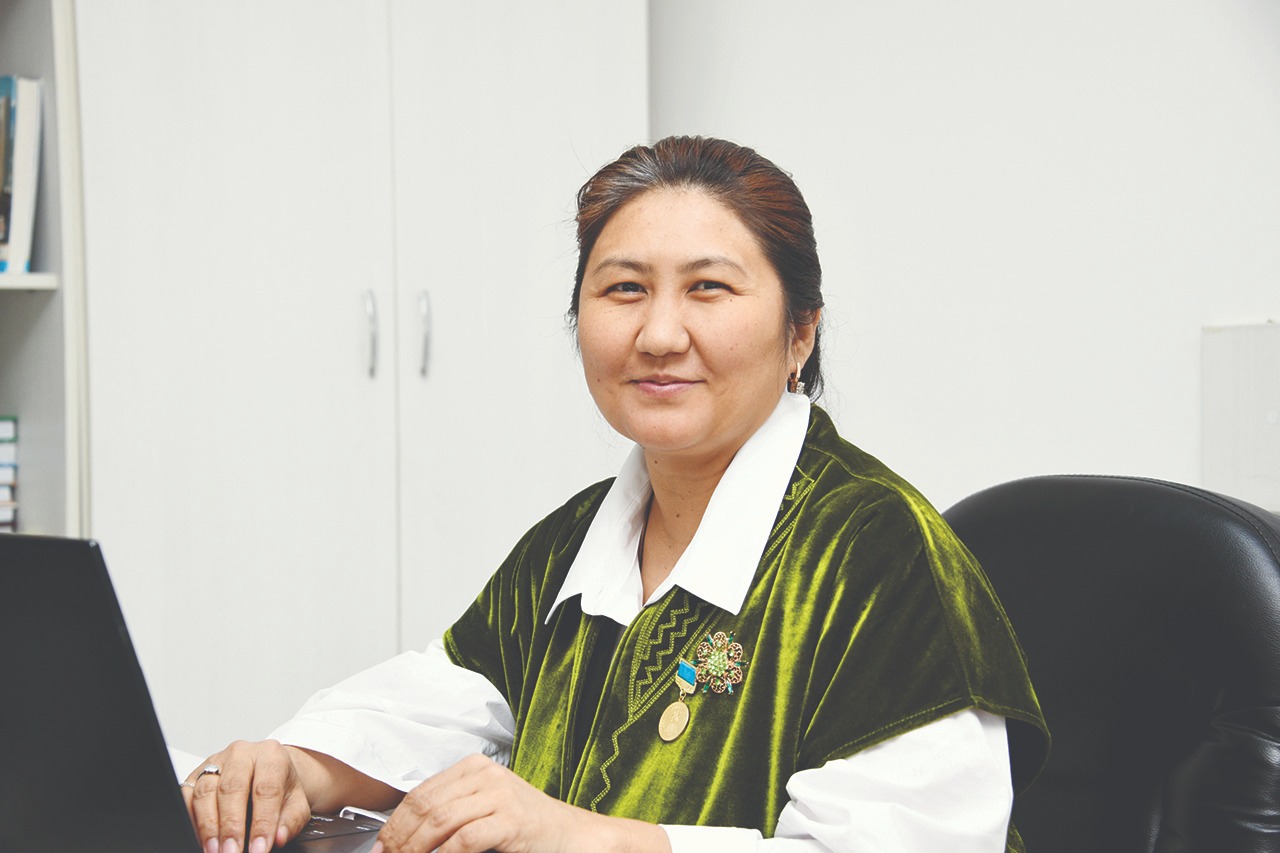
Bibigul KYLYSHBAEVA,
Doctor of Agricultural Sciences, Associate Professor of the Department of Sociology and Social Work