KazNU scientists presented an analysis of climate trends
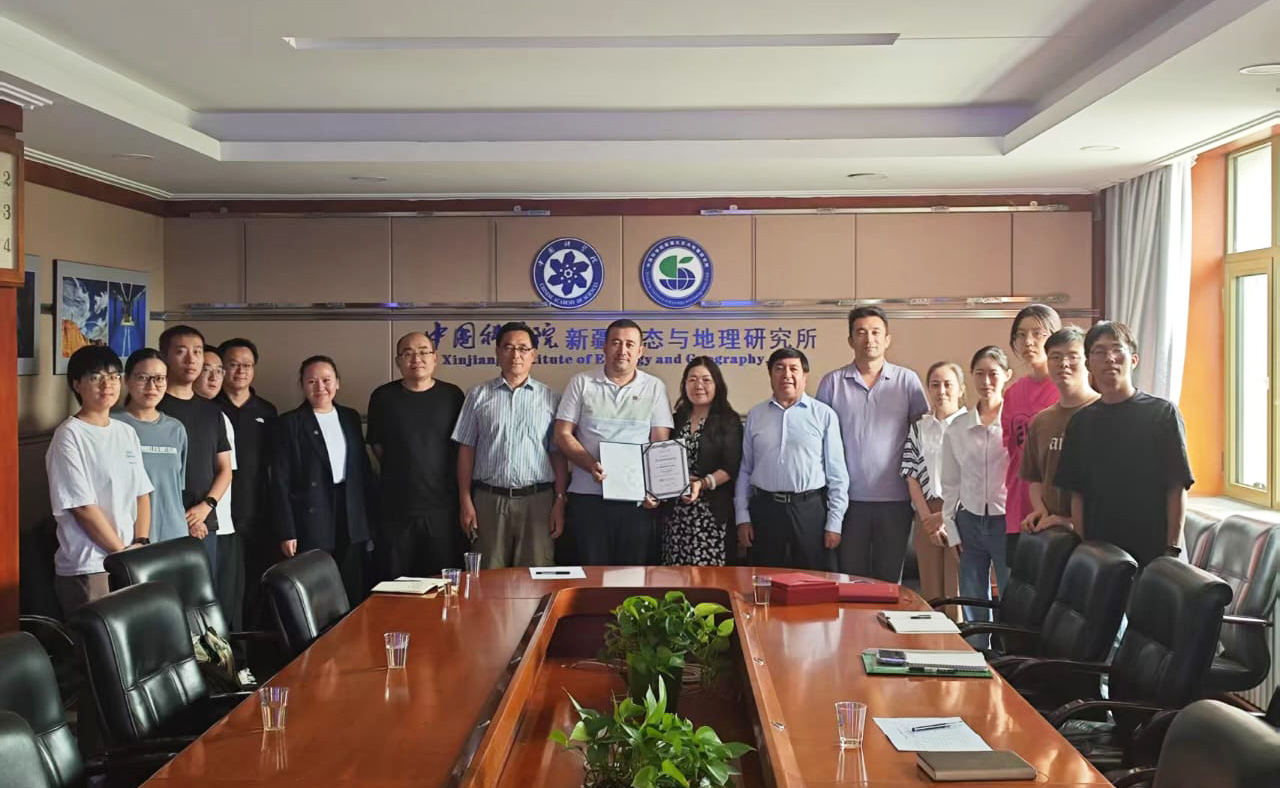
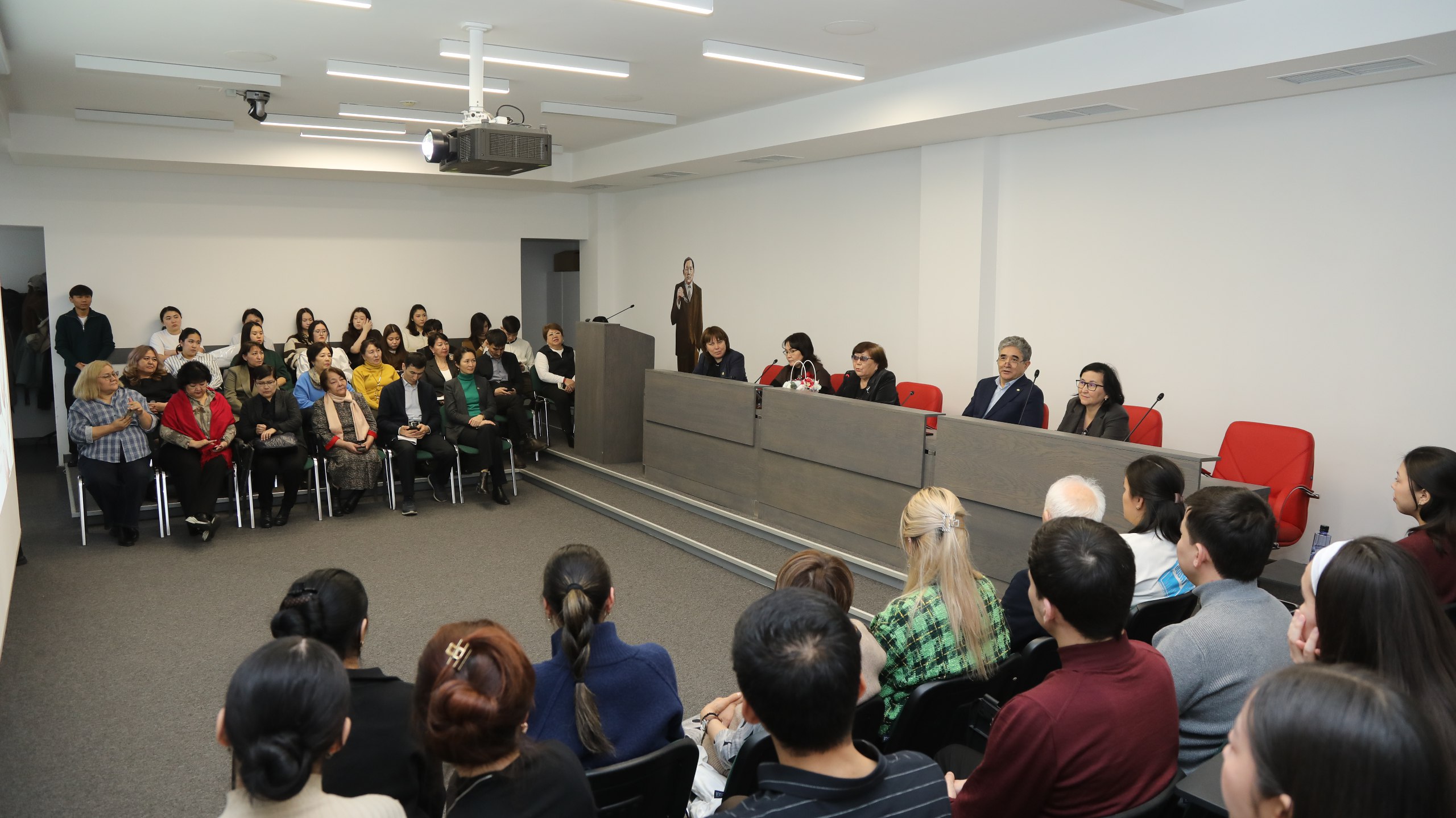
The Xinjiang Institute of Ecology and Geography of the Chinese Academy of Sciences hosted the final seminar on the results of the internship of Kazakhstani researchers within the framework of the CAS-ANSO program (Alliance of National and International Scientific Organizations of the regions "One Belt, One Road").
The project, supported by grants No. CAS-ANSO-FS-2024-29 and CAS-ANSO-FS-2024-15, brought together scientists from Kazakhstan and China to study topical issues of aridization and land degradation in Central Asia.
Researchers from the Kazakh-Chinese Joint Laboratory for Remote Sensing Technologies and its Applications at Al-Farabi Kazakh National University, teachers of the Department of Geography, Land Management and Cadastre, PhD Dana Shokparova and PhD Sanim Bisenbayeva, made a presentation on "Divergent aridification in Central Asia: climatic trends, the impact of land use and ways of sustainable development"
Led by Professor A. Gilili, the scientists presented the key findings of the six-month internship, including an analysis of climate trends, desertification dynamics, and anthropogenic impacts on Kazakhstan's ecosystems. The audience included representatives of the Institute's administration, the International Department (Dr. Qiao), experts (Dr. Yu Rideh, Dr. Ma Long, Dr. Alim Samat), young scientists, as well as undergraduates and doctoral students interested in sustainable development.
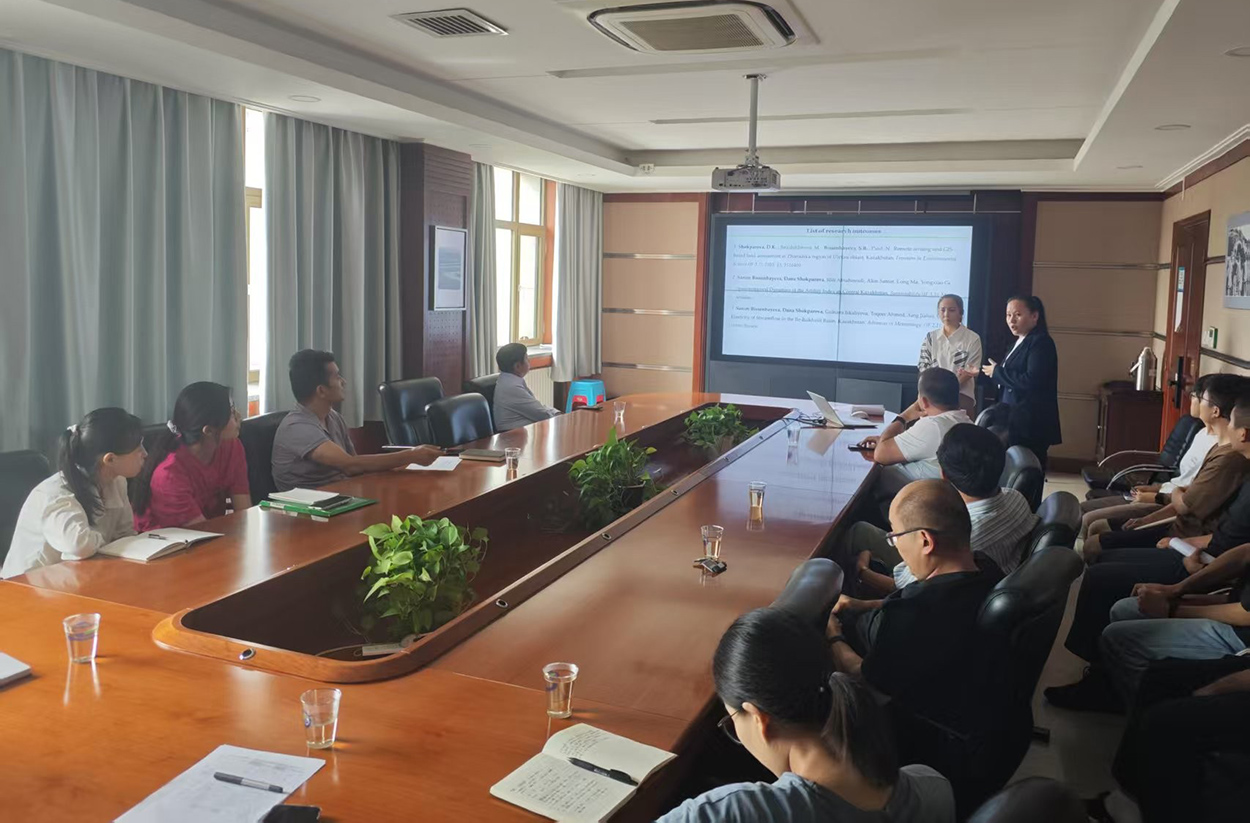
D. Shokparova and S. Bisenbayeva identified several key aspects that emphasize the need for an integrated approach to addressing environmental and climate challenges in Central Asia. Three key issues were highlighted: the expansion of arid zones, soil degradation due to anthropogenic impact, and the need for international cooperation for sustainable water use in the Ile-Balkhash region.
As part of the program, scientific articles were prepared for publication in leading international journals (Q1 and Q2 quartiles) indexed in the global Scopus and Web of Science citation databases. The publications contain innovative research results on the dynamics of aridization and sustainable land use in Central Asia.
The seminar continued the tradition of the Institute's successful international projects, including PIFI-International programs for postdoctoral students and invitations from foreign experts, confirming the importance of such initiatives for strengthening scientific cooperation in the region.
The results of the workshop highlight the need to integrate scientific evidence into climate change adaptation policies. The participants expressed their willingness to develop joint research, including the introduction of machine learning methods to predict the risks of desertification.
Press-service of Al-Farabi Kazakh National University