Medical Waste and a Sustainable Future: New Solutions for a Cleaner Planet
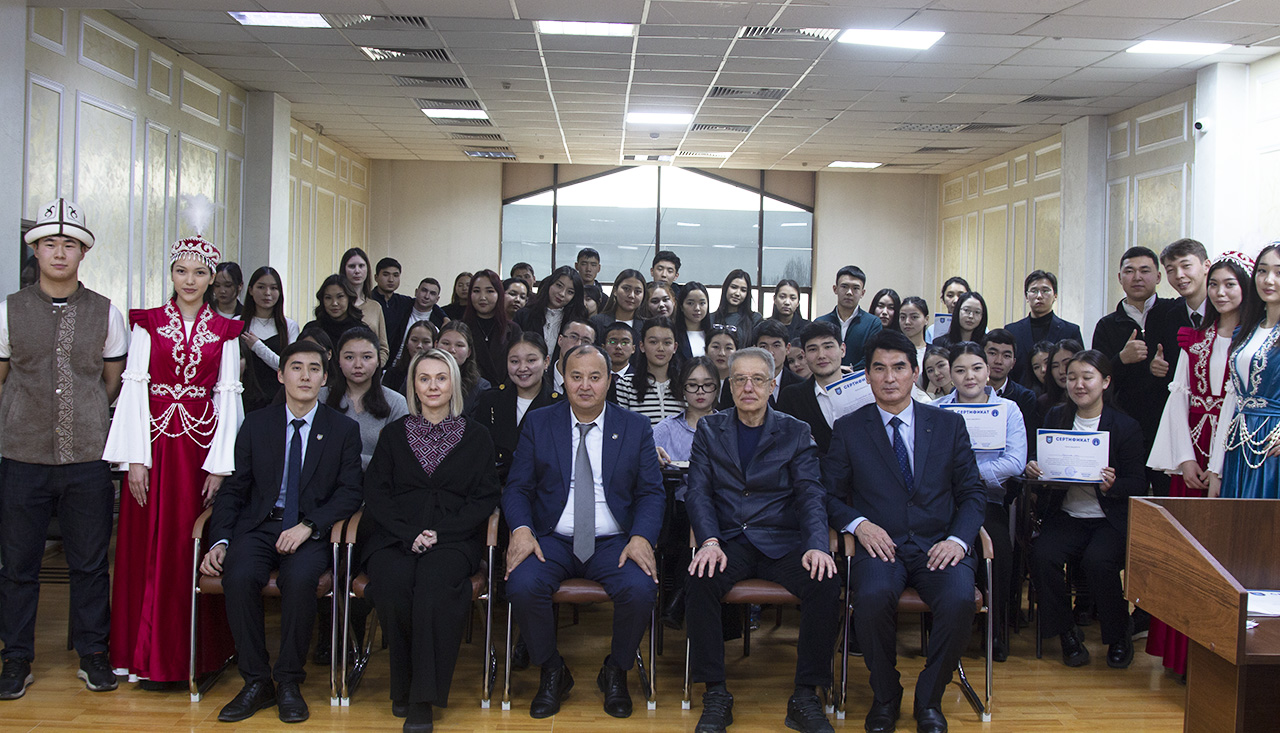
First-year students of the “General Medicine” educational program (Kazakh, Russian, and English groups) organized a joint intergroup event dedicated to the implementation of the Sustainable Development Goals (SDGs). The initiative was carried out under the guidance of Acting Associate Professor K.T. Kashaganova and Senior Lecturer G.Zh. Akanova. This event became a vivid example of how future doctors, even at the early stages of their education, begin to develop a responsible attitude toward environmental issues and public health.
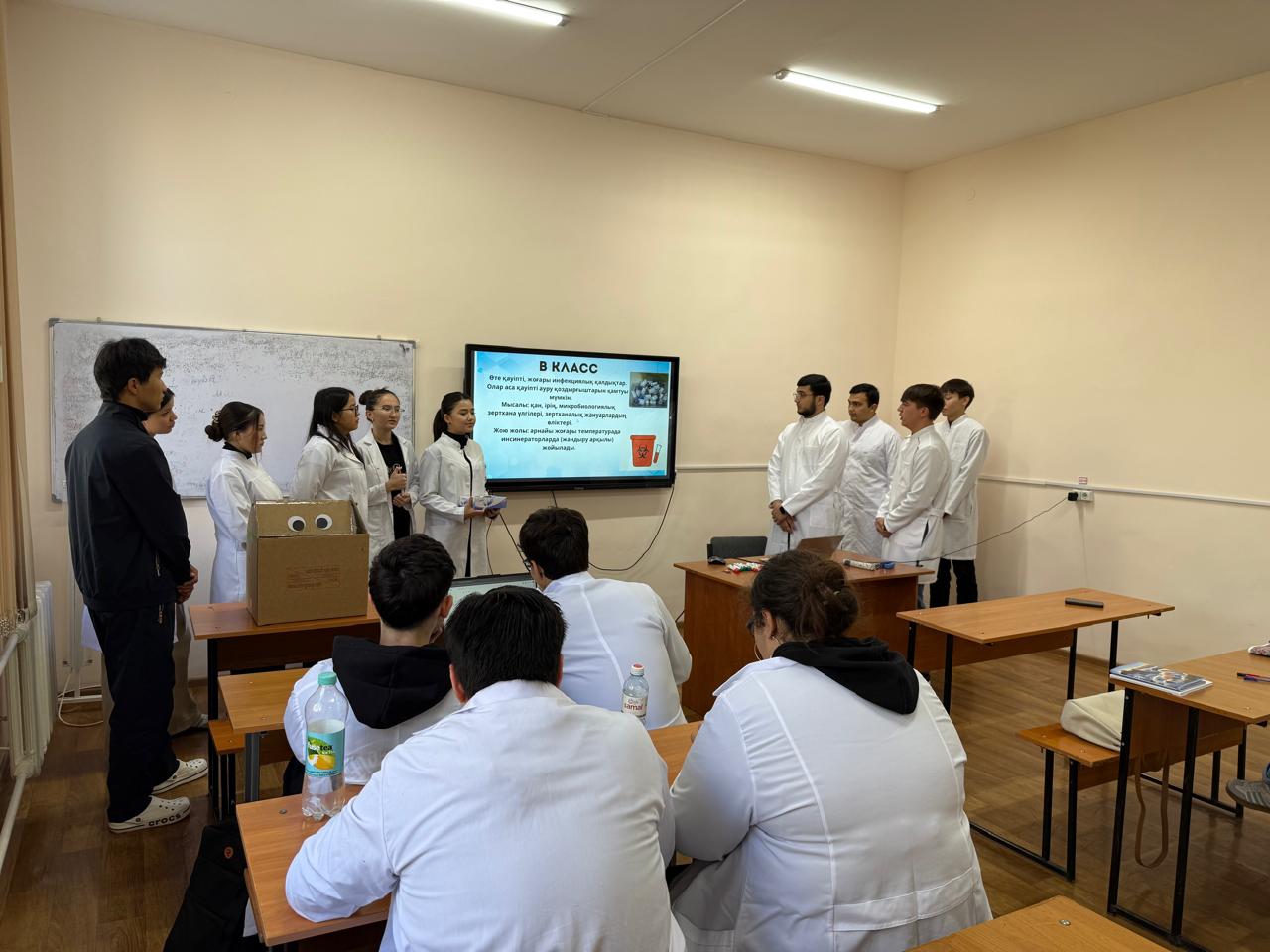
During the event, students presented a detailed classification of medical waste according to hazard classes. Participants not only explained the theoretical differences between the categories of waste, but also visually demonstrated their characteristics. This approach helped the audience better understand the potential risks that medical waste poses to both the environment and human health. Special emphasis was placed on proper sorting and disposal, as these processes play a crucial role in reducing environmental impact and preventing the spread of infections.
The practical part of the event attracted particular interest from participants. Students introduced a medical waste collection container that they had designed and created themselves. This container is intended for commonly generated waste such as used gloves, shoe covers, syringes, and other disposable medical materials. The project highlighted not only the students’ creativity but also their ability to apply theoretical knowledge in practice, offering real and practical solutions to current challenges in the healthcare field.
One of the most innovative ideas presented during the event was the creation of a dedicated website for collecting used gloves after practical training sessions. According to student estimates, approximately 70 to 100 gloves are discarded each week during classes alone. This represents a significant amount of waste that, if not properly managed, can have a harmful impact on the environment. Future doctors emphasized the importance of implementing environmentally safe recycling and disposal methods. They proposed a digital solution that would allow for systematic collection, tracking, and management of such waste, demonstrating how technology can be effectively integrated into sustainable practices.
In addition, the event included discussions on international practices for medical waste management used in developed countries. Students highlighted that effective waste management is only possible through a combination of strict regulations, advanced technologies, and a high level of environmental awareness among healthcare professionals. These global examples served as inspiration for participants, encouraging them to develop their own solutions adapted to local conditions.
The initiative of the students is aimed not only at enhancing academic knowledge but also at fostering ecological thinking, which is especially important in the medical field. Responsible management of medical waste is an integral part of a doctor’s professional ethics, as human health is closely connected to the state of the environment.
Such events clearly demonstrate that the younger generation of medical professionals is already prepared to take responsibility for the future. Their ideas and projects have the potential to contribute to the creation of a cleaner, safer, and more sustainable environment, where caring for both people and the planet becomes a shared priority.
In conclusion, this event served not only as an educational platform but also as an important step toward building an environmentally conscious professional community focused on sustainable development and innovation.
#SDG-3-6-12-13 #sustainabledevelopment #ecology #medicalwaste #greenplanet #futureinourhands