In Kazakhstan, despite active steps towards the modernization of urban infrastructure, the problem of pollution remains relevant. Air pollution, accumulation of household waste, insufficient attention to street cleaning and sanitation create not only visual discomfort, but also damage the environment and the health of citizens. The understanding of the importance of ecological culture was reflected in the speech of the President of the Republic of Kazakhstan Kassym-Jomart Tokayev at the fourth meeting of the National Kurultai. The Head of State noted that the Taza Kazakhstan initiative, initially perceived as a state program, has turned into a powerful social movement that finds a response among the population. The President stressed that maintaining cleanliness should not be considered solely as the responsibility of public utilities – it is an indicator of the level of social responsibility, awareness and respect for the environment inherent in every member of society.
Japan is a vivid example of a systematic approach to the culture of cleanliness: concern for order is embedded in public and educational institutions. Environmental education begins in kindergarten and covers the entire educational process. Students participate in collective cleaning (osoji), developing practical skills, social responsibility and respect for work. This approach creates a generation for whom cleanliness is a natural norm of life. The application of such practices in Kazakhstan, especially in educational institutions, could contribute to the formation of sustainable environmental awareness. However, today there is an insufficient level of awareness of personal responsibility for cleanliness among young people: many students neglect the basic norms of maintaining order, leaving garbage in classrooms and public spaces. In this regard, universities should play a key role not only in the transfer of academic knowledge, but also in fostering civic responsibility and environmental culture.
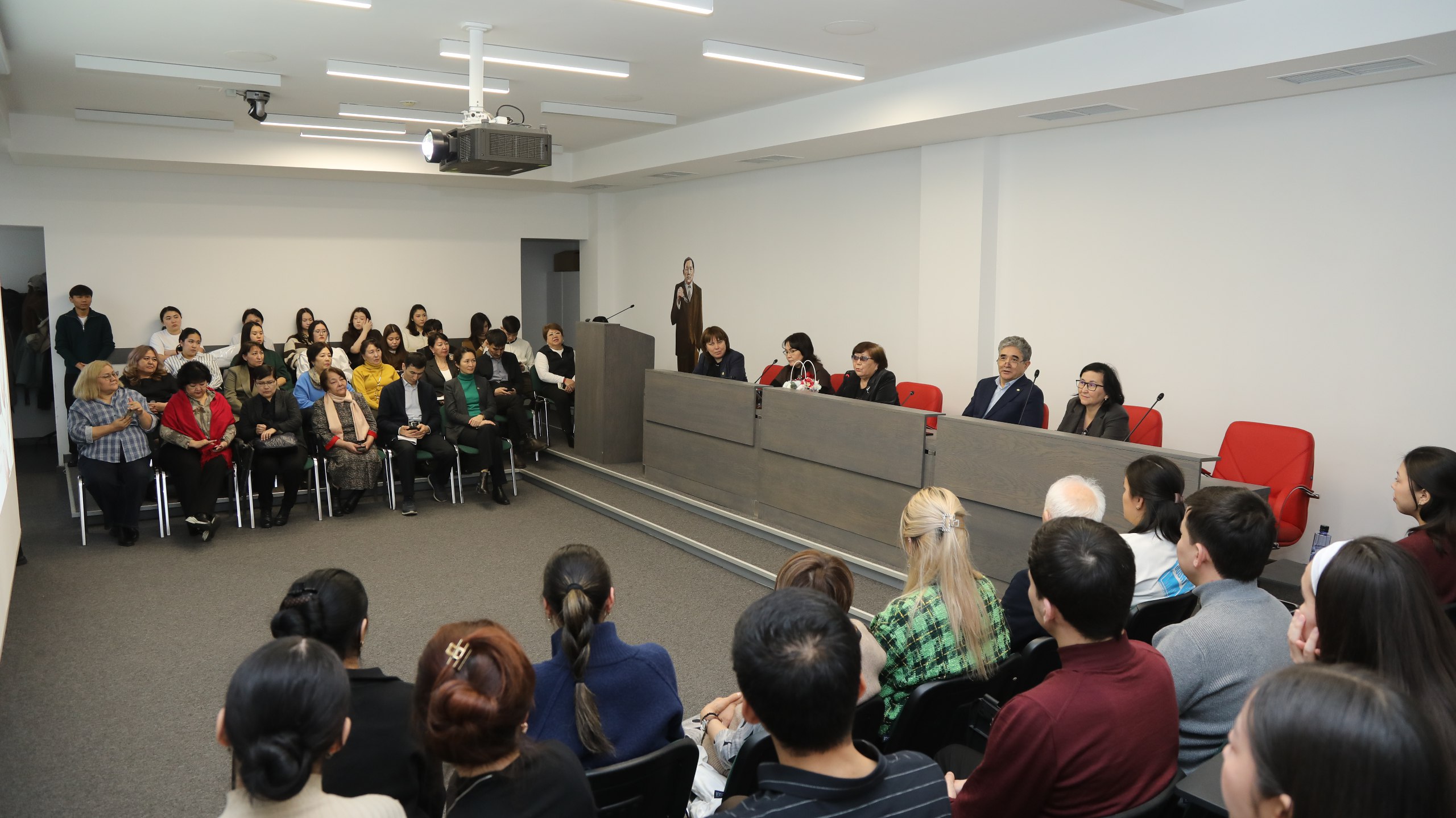
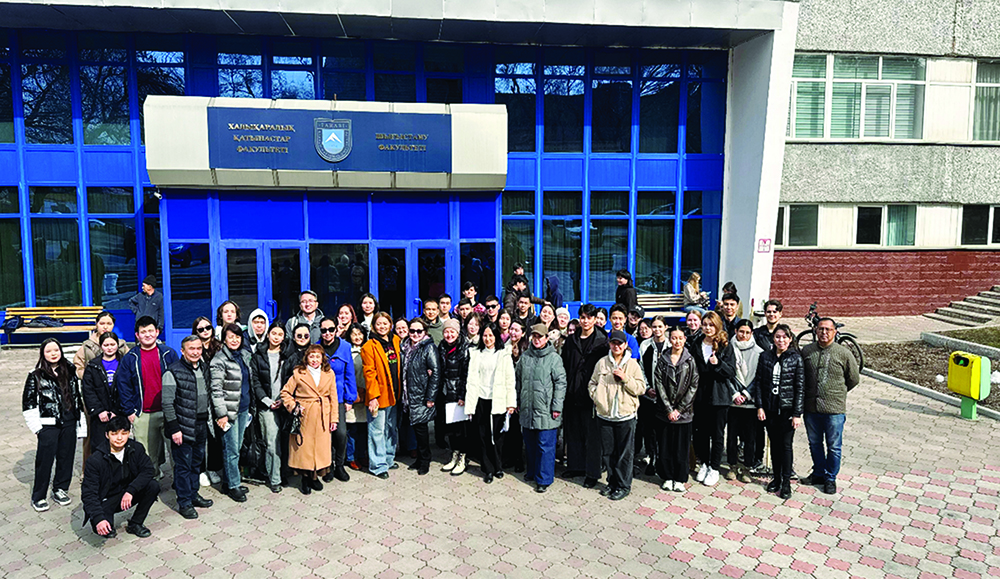
Al-Farabi Kazakh National University pays considerable attention to environmental education issues. As part of the implementation of the Decree of the Government of the Republic of Kazakhstan dated October 31, 2024 No. 910 "On approval of the Concept of the development of ecological culture "Taza Kazakhstan" for 2024-2029", the University has implemented a whole range of measures aimed at fostering environmentally responsible behavior among students. In addition to traditional clean-up days and landscaping campaigns, educational programs, lectures and interactive classes are held to promote an informed attitude to environmental issues.
The cleanliness of a public space is not just a comfort, but an indicator of social responsibility. Its awareness on a mass level will be a step towards sustainable development, where a culture of cleanliness is not a temporary initiative, but a social value. Kazakhstan, being in the process of modernization, has the potential to integrate best environmental practices.
Dana BAYTUKAEVA,
Acting Associate Professor of the Department of International Law
Ayna OTARBAYEVA,
Senior Lecturer at the Department of International Law