Студенттік бюджетті басқару негіздері
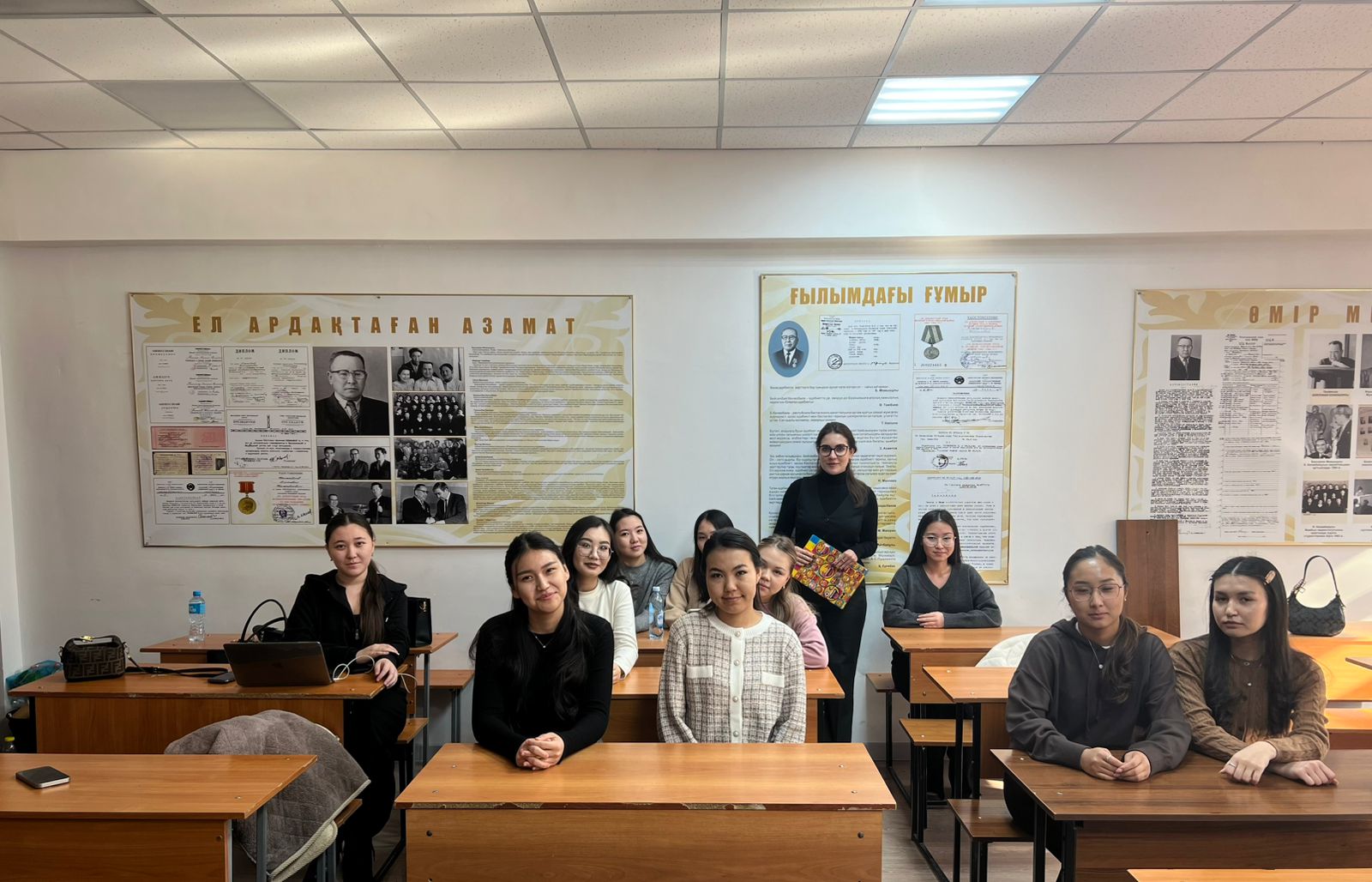
2025 жылғы 7 қарашада «Аударма ісі (батыс тілдері)» мамандығының 2 курс студенттерімен студенттік бюджетті басқару тақырыбында кураторлық сағат өткізілді. Тақырыптың таңдалуы студенттік аудитория үшін өте өзекті болуымен түсіндіріледі, өйткені жеке қаржыны сауатты жоспарлау дағдысы қазіргі заманғы адамның маңызды құзыреттерінің бірі болып табылады.
Іс-шара студенттер үшін ақшаны басқара білудің неліктен маңызды екендігін талқылаудан басталды. Студенттер әңгімеге белсенді түрде қатысып, көпшілігі алғаш рет стипендия болсын, ата-аналар берген ақша болсын, қаражатты өз бетінше басқару қажеттілігіне тап болып жатқанын атап өтті. Кейбір студенттер ай соңына қарай жиі қаржылық қиындықтар туындайтынын және ақшаның қайда кететінін әрқашан түсіне бермейтінін бөлісті.
Әңгіме барысында біз студент бюджеті қандай көздерден қалыптасатынын егжей-тегжейлі талдадық. Стипендия мен ата-аналар көмегінен басқа, оқуға кедергі келтірмейтін қосымша жұмыс мүмкіндіктерін, сондай-ақ көптеген студенттер бар екенін білмеген әртүрлі гранттар мен стипендиялық бағдарламаларды талқыладық. Студенттер өз білімдерін қаржыландырудың қосымша мүмкіндіктері туралы ақпаратқа үлкен қызығушылық танытты.
Содан кейін біз студенттік шығындарды талдауға көштік. Біз бірге ақша жұмсалатын негізгі бап тізімін құрастырдық: тамақтану, көлік, оқу материалдары, байланыс, киім, ойын-сауық. Студенттер әр санат бойынша шамамен сомаларды есептеп, жалпы көріністі көргенде таңданды. Әсіресе импульсивті сатып алулар және жоспарланбаған шығындар тақырыбы айналасында қызу пікірталас өрбіді, олар көптеген студенттердің бюджетінің айтарлықтай бөлігін құрайтыны анықталды.
Кездесудің орталық бөлігі қаржылық жоспарлау принциптерімен танысу болды. Студенттер бюджетті бөлудің қарапайым және түсінікті ережесі туралы айтты: қаражаттың жартысын міндетті қажеттіліктерге бағыттау, үштен бір бөлігін қалаулы нәрселерге жұмсауға болады, ал қалған ақшаны жинақтау керек. Әрине, студенттер үшін бұл ережені олардың нақты мүмкіндіктерін ескере отырып бейімдеу қажет, бірақ жоспарлау және қаржылық қауіпсіздік төсегін жасау принципінің өзі қызығушылықпен қабылданды.
Кездесудің практикалық құндылығы біз үнемдеудің нақты кеңестеріне көшкенде айтарлықтай артты. Студенттер дәл өздеріне қолжетімді әртүрлі жеңілдіктер мен артықшылықтар туралы білді. Сапасы мен денсаулығын құрбан етпей тамақтануда қалай үнемдеуге болатынын, киім сатып алуды ақылмен жоспарлауды, қымбат оқулықтарды сатып алудың орнына кітапхана ресурстарын пайдалануды талқыладық. Студенттерді әсіресе бірлесіп сатып алу немесе қажетті заттарды жалға алу идеясы қызықтырды.
Алынған білімді практикада бекіту үшін студенттерге шағын топтарға бөлініп, шамамен айлық бюджет құрастыру ұсынылды. Тапсырма қызу жауап тудырды, және топтар шабытпен жұмысқа кірісті. Тапсырманы орындау барысында студенттер белсенді түрде пікірталасты, басымдықтар туралы дауласты, жеке тәжірибесімен бөлісті. Топтар өз бюджет нұсқаларын ұсынған кезде, шығындарды жоспарлаудың әртүрлі тәсілдері туралы мазмұнды пікірталас болды.
«6В02304 – Аударма ісі (батыс тілдері)» мамандығының 2 курс студенттерінің куратор-эдвайзері Моругова Е.А.
Басқа жаңалықтар