SDG 3. Socio-Economic and Family Consequences of Drug Addiction

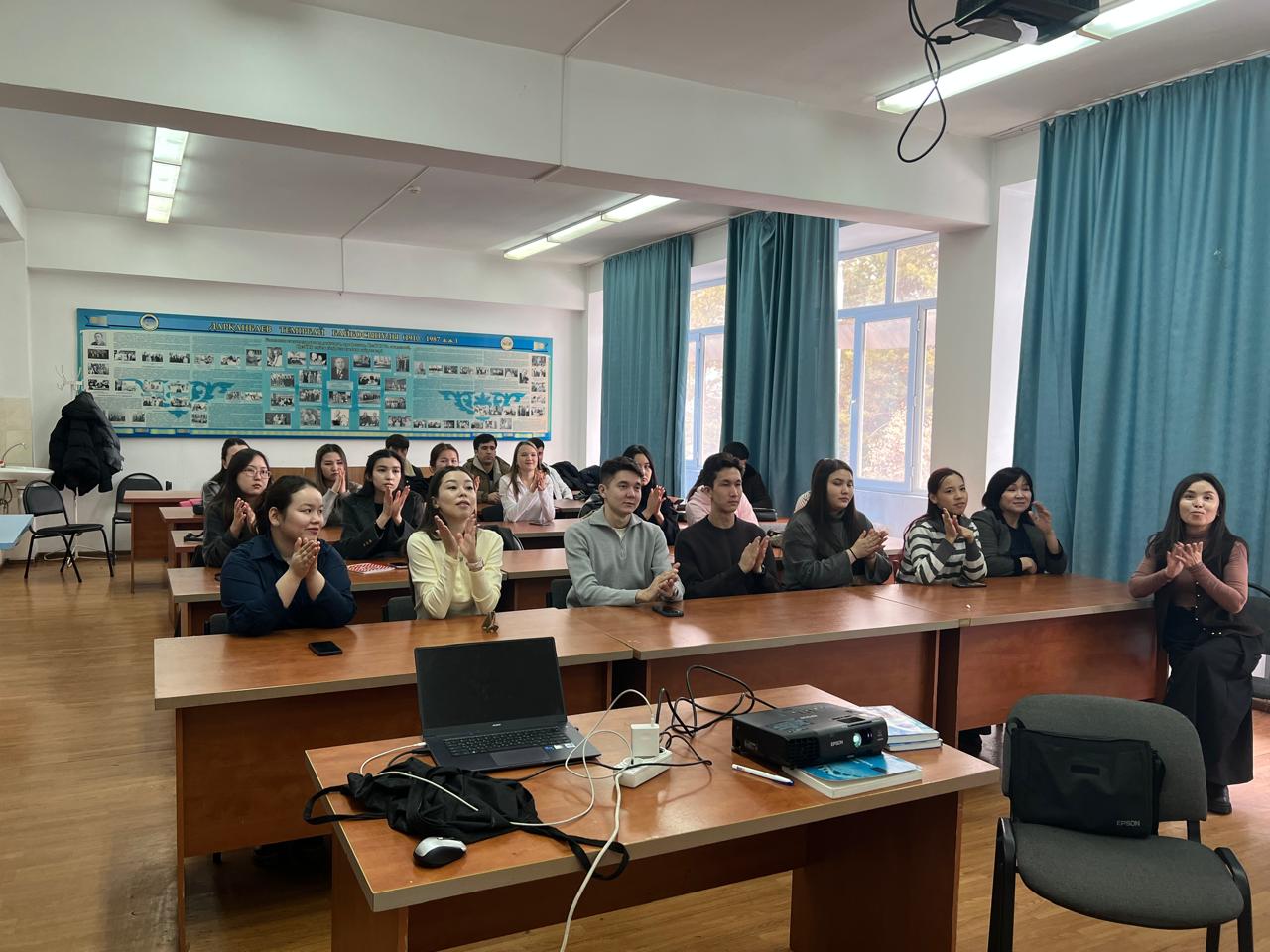
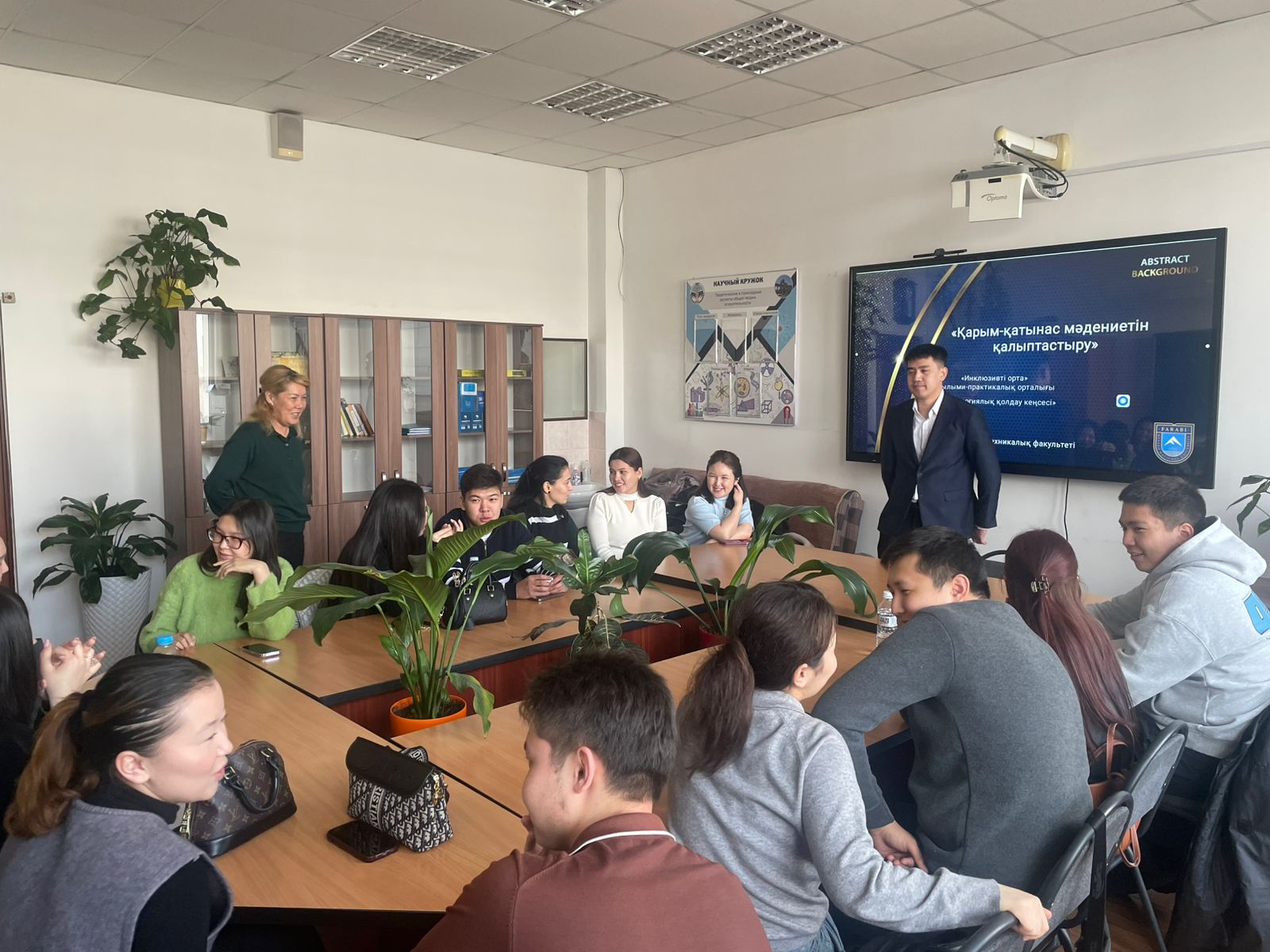
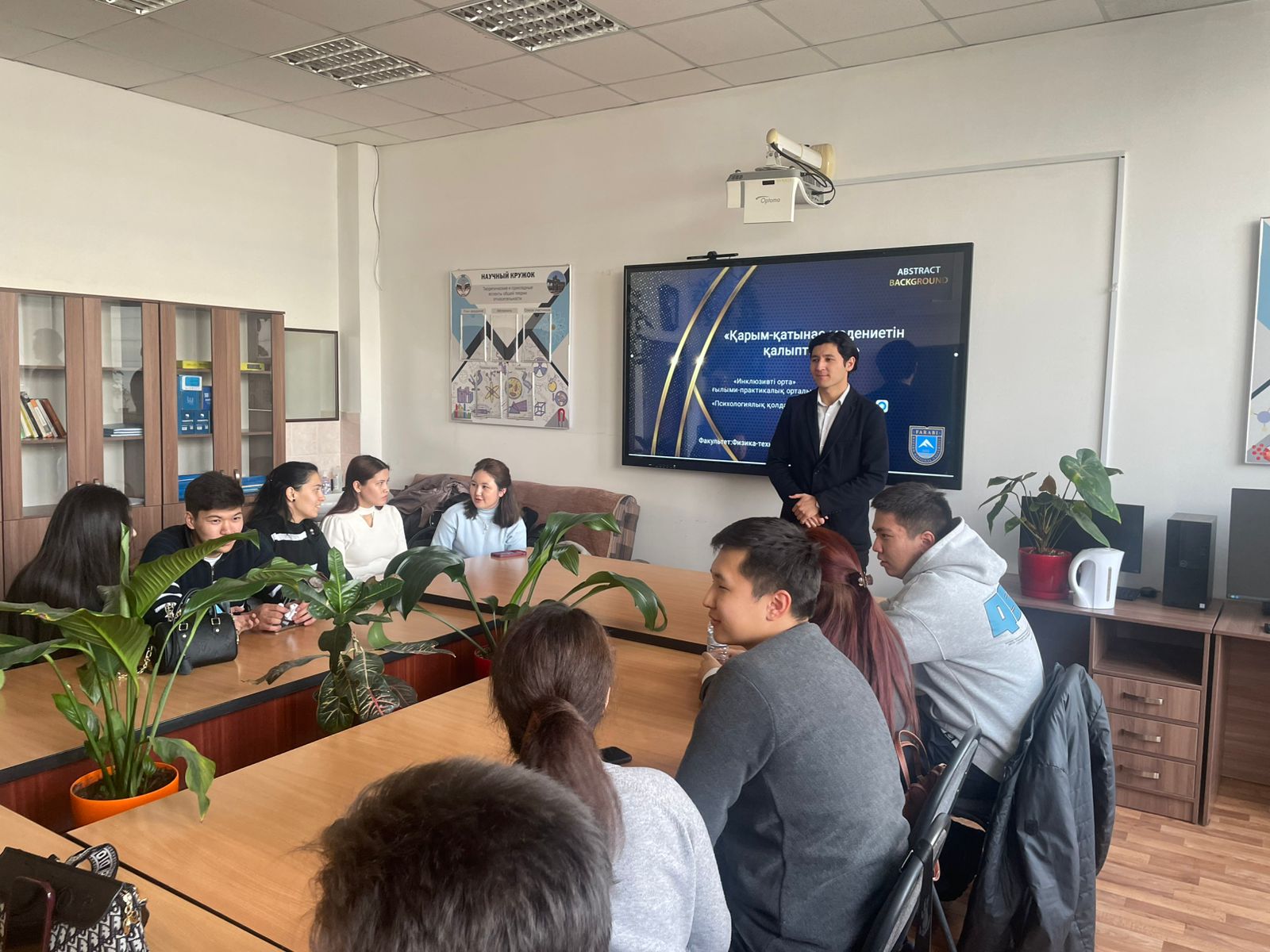
At the Faculty of Pre-University Education, the Department of Preparatory Training conducted an informative advisory session for its students on the topic “Socio-Economic and Family Consequences of Drug Addiction.” The primary goal of the event was to explain to young people the dangers of harmful habits, to cultivate a responsible attitude toward personal health, and to demonstrate the serious consequences that drug addiction carries not only for an individual but also for society as a whole.During the session, it was emphasized that drug addiction is one of the most pressing problems of modern society, posing not only medical but also social, economic, and spiritual threats. According to experts, the use of narcotic substances gradually destroys human health, reduces quality of life, and results in considerable economic losses for the state. The exclusion of able-bodied youth from active life, high costs associated with treatment and rehabilitation, and a rise in crime rates all negatively affect societal development.Special attention was given to the impact of drug addiction on family relationships. It was highlighted that harmful dependencies lead to the loss of trust within families, financial instability, frequent conflicts, and psychological trauma in children. It was noted that preventing such situations is possible only through close cooperation among parents, educational institutions, and society as a whole.The students actively participated in the discussion, shared their thoughts, and asked questions. They received clear information about the consequences of harmful habits and learned where to seek help in difficult life situations. The event concluded with a video encouraging young people to make conscious choices, adopt responsible attitudes toward life, and maintain a healthy lifestyle.Advisory sessions of this format help broaden young people's worldview and strengthen moral values. The main mission of the educational institution is to create conditions for the comprehensive development of future specialists and to raise them as active and socially responsible citizens. The future of youth is the future of the state; therefore, work on the prevention of drug addiction will continue systematically and in cooperation with all interested parties.SDG 3 – “Good Health and Well-Being.”
Promoting a healthy lifestyle, preventing addiction, and maintaining the health of young people are key areas within this goal.SDG 4 – “Quality Education.”
Providing essential information, developing decision-making skills, and forming a negative attitude toward harmful habits are important components of quality education.
SDG 16 – “Peace, Justice and Strong Institutions.”Explaining the link between drug addiction and crime, preventing offenses, and fostering a safe social environment fully align with this goal.
Thus, the event served not only as an important educational initiative but also as a meaningful contribution to the implementation of the internationally significant Sustainable Development Goals.
Other news