KazNU and Chinese Researchers Define New Strategic Directions for Partnership
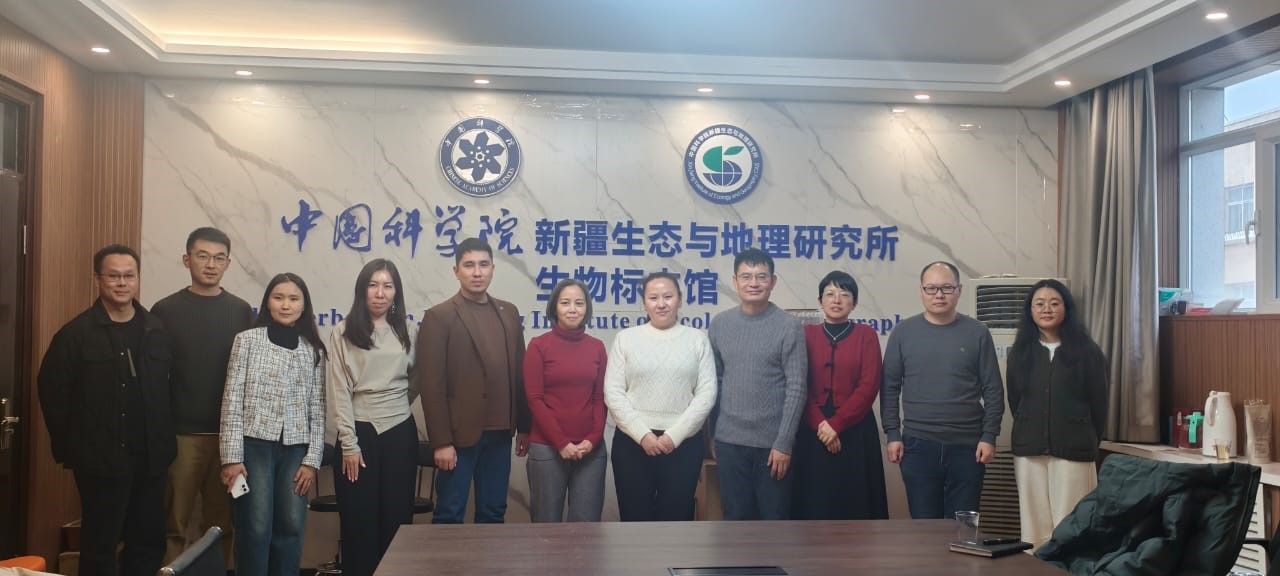
A delegation from Al-Farabi Kazakh National University, led by Dr. D. K. Shokparova, Director of the Kazakhstan–China Joint Laboratory for Remote Sensing Technologies and Application, conducted a working visit to the Xinjiang Institute of Ecology and Geography of the Chinese Academy of Sciences. The delegation included Chief Research Scientist S. B. Bisenbayeva, Deputy Head of the Department for Research, Innovation Activities and International Affairs Zh. T. Raimbekova, and Associate Professor-Researcher K. Kyrgyzbai. The visit, carried out within the framework of the BR28712767 Program-Targeted Funding Project for the study of the Ural Region, served as a key event aimed at strengthening scientific cooperation and transitioning to the implementation of specific joint initiatives.
Meetings with the institute's leadership, including the Director of the International Cooperation Department Qiao Jianfang and the Deputy Director of the Postgraduate Education Department Zou Ting, allowed the parties to solidify a partnership based on interdisciplinary research in ecology, geography, and remote sensing. Particular attention was paid to the development of the Kazakhstan-China Joint Laboratory of Remote Sensing Technology and Application as one of the primary collaborative platforms.
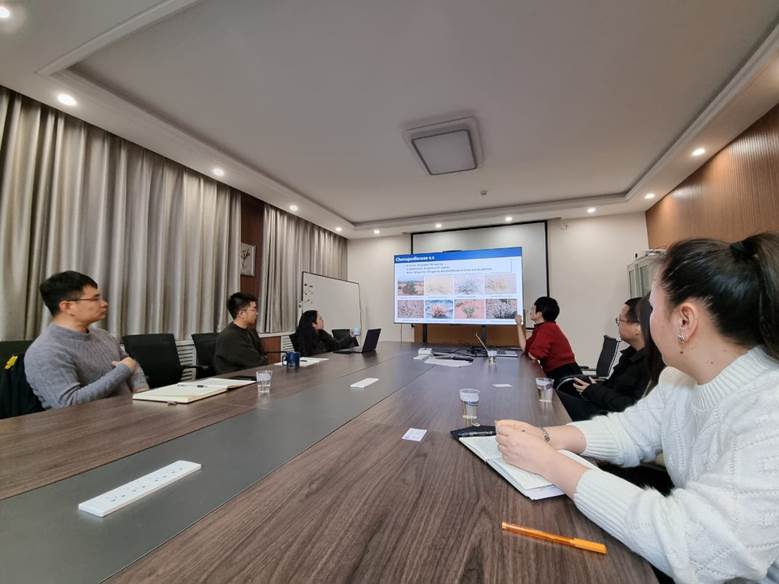
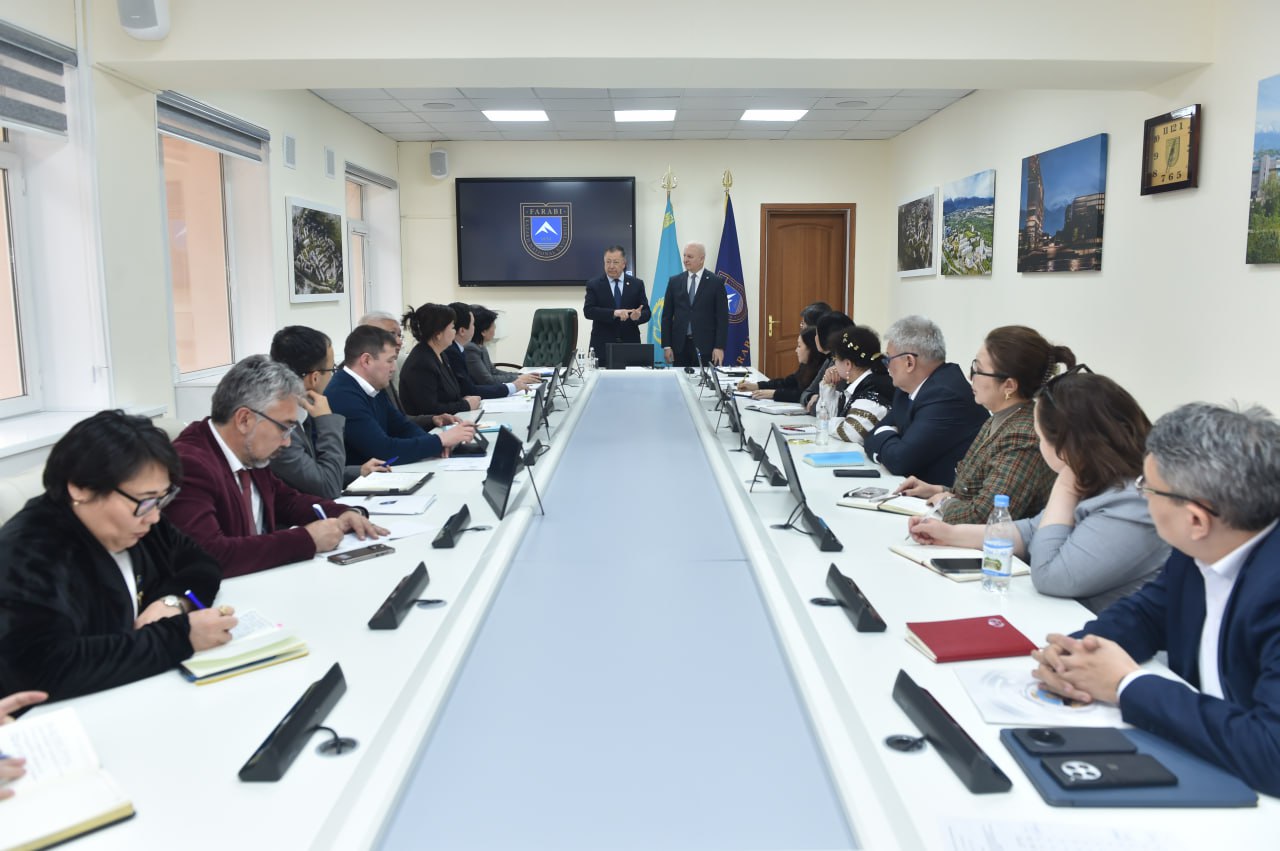
During a strategic seminar chaired by researcher Prof. Alim Samat, the parties approved a detailed operational plan for 2026. The cooperation will focus on addressing common environmental challenges for Central Asia and include joint applications for international scientific-technical projects, mutual exchange of researchers, and open sharing of remote sensing data and resources. The goal is to achieve significant joint results that enhance the scientific authority of the parties in the region.
An important practical outcome was the agreement to launch flexible academic mobility programs: short-term research internships, phased exchange of graduate students, and summer schools for students from Central Asia.
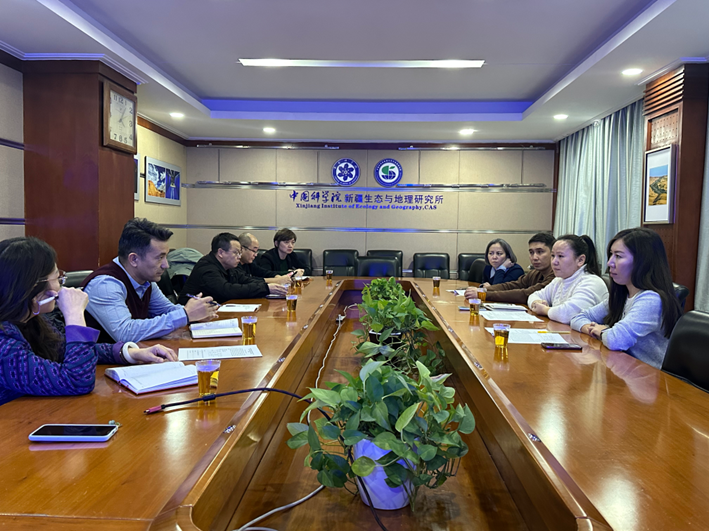
The key event of 2026 will be an international scientific conference at the joint laboratory. The parties discussed the thematic focus and organizational format in detail to ensure the event's high scientific standing.
During the visit, Kazakh scientists familiarized themselves with the institute's unique research infrastructure, including a herbarium fund containing over 200,000 specimens. Discussions on the Chinese colleagues' long-term biogeographical research helped identify new points of synergy, particularly in the study of arid region vegetation, which will complement the work within the Ural project.
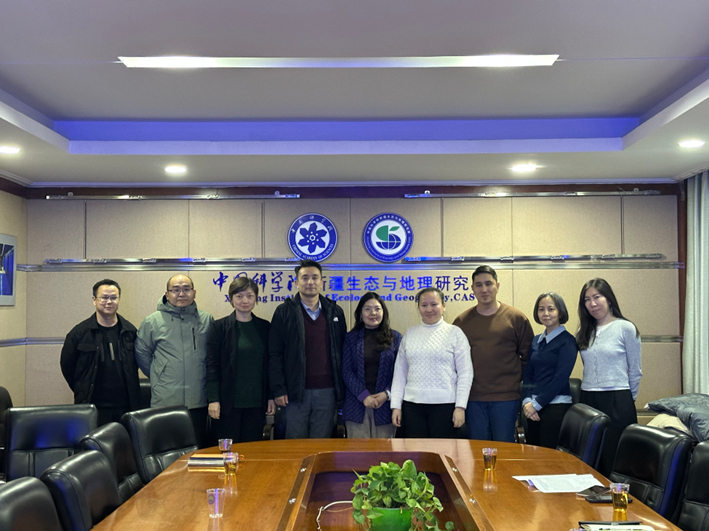
In summary, the parties confirmed that 2026 should be a period of qualitative growth for joint projects. The KazNU delegation continues its working trip. The next stage will involve meetings in Beijing to establish contacts with other leading Chinese scientific and educational organizations, underscoring the university's consistent course towards expanding its international scientific presence.
Other news