- Main
- Student organizations
- SDGs 4, 12, 13, 17: Environmental Challenge Held at Al-Farabi Kazakh National University
SDGs 4, 12, 13, 17: Environmental Challenge Held at Al-Farabi Kazakh National University
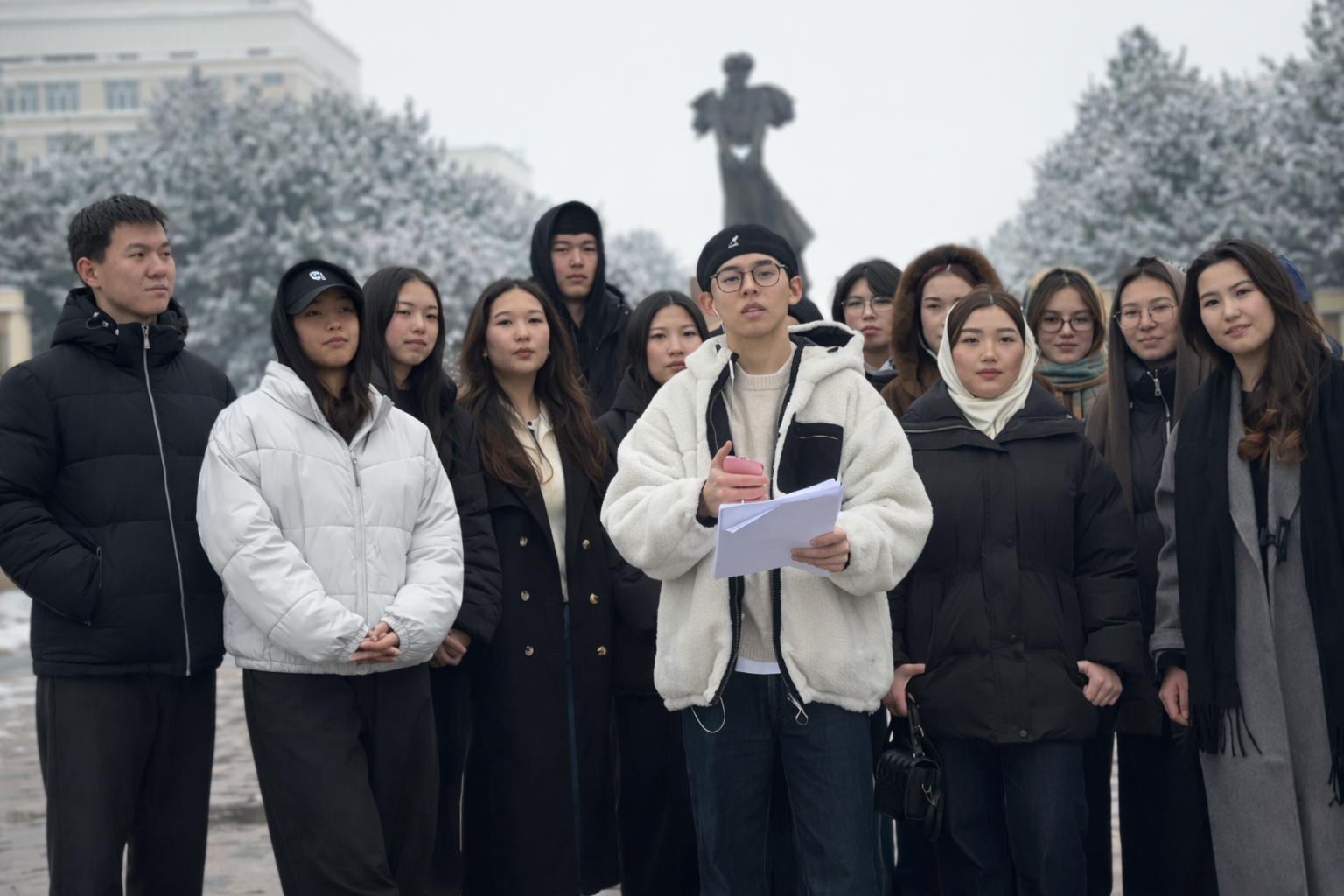
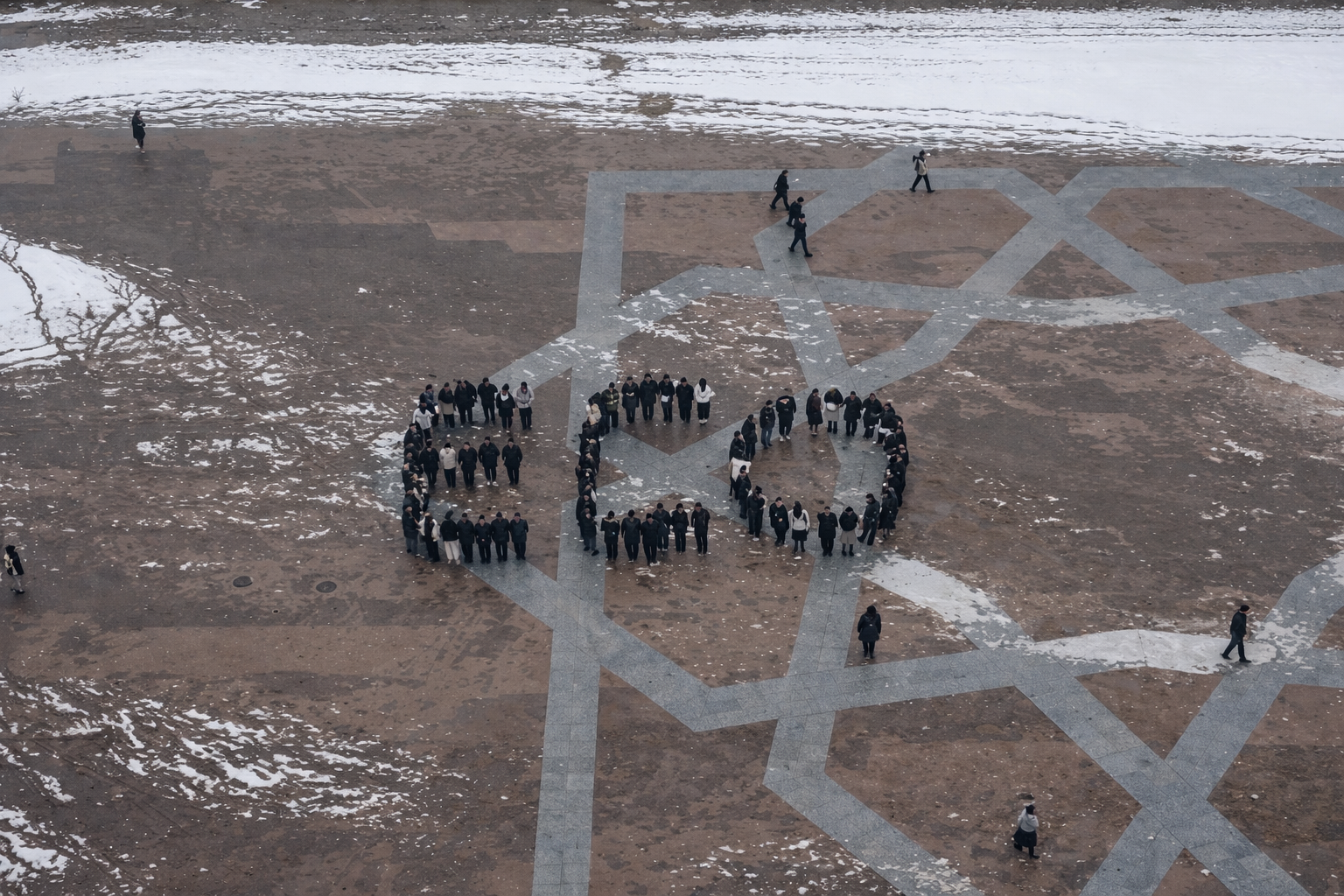
From February 2 to 8, Al-Farabi Kazakh National University organized a large-scale eco-challenge aimed at fostering environmental culture among students. The initiative was designed to enhance students’ sense of responsibility toward the environment, promote the Sustainable Development Goals (SDGs), and strengthen environmental awareness within the university community. Over the course of one week, more than 2,000 students from various faculties actively participated in the campaign, contributing to the advancement of environmental initiatives.
Participants included students from the Faculty of Biology and Biotechnology, the Faculty of Geography and Environmental Sciences, the Faculty of Chemistry and Chemical Technology, the Faculty of Physics and Technology, the Faculty of Mechanics and Mathematics, the Faculty of Information Technology, the Faculty of Philology, the Faculty of Journalism, the Faculty of History, the Faculty of Philosophy and Political Science, the Faculty of International Relations, the Faculty of Law, and the Higher School of Economics and Business. Each faculty addressed environmental issues within the framework of its academic specialization, demonstrating both creative engagement and strong social responsibility.
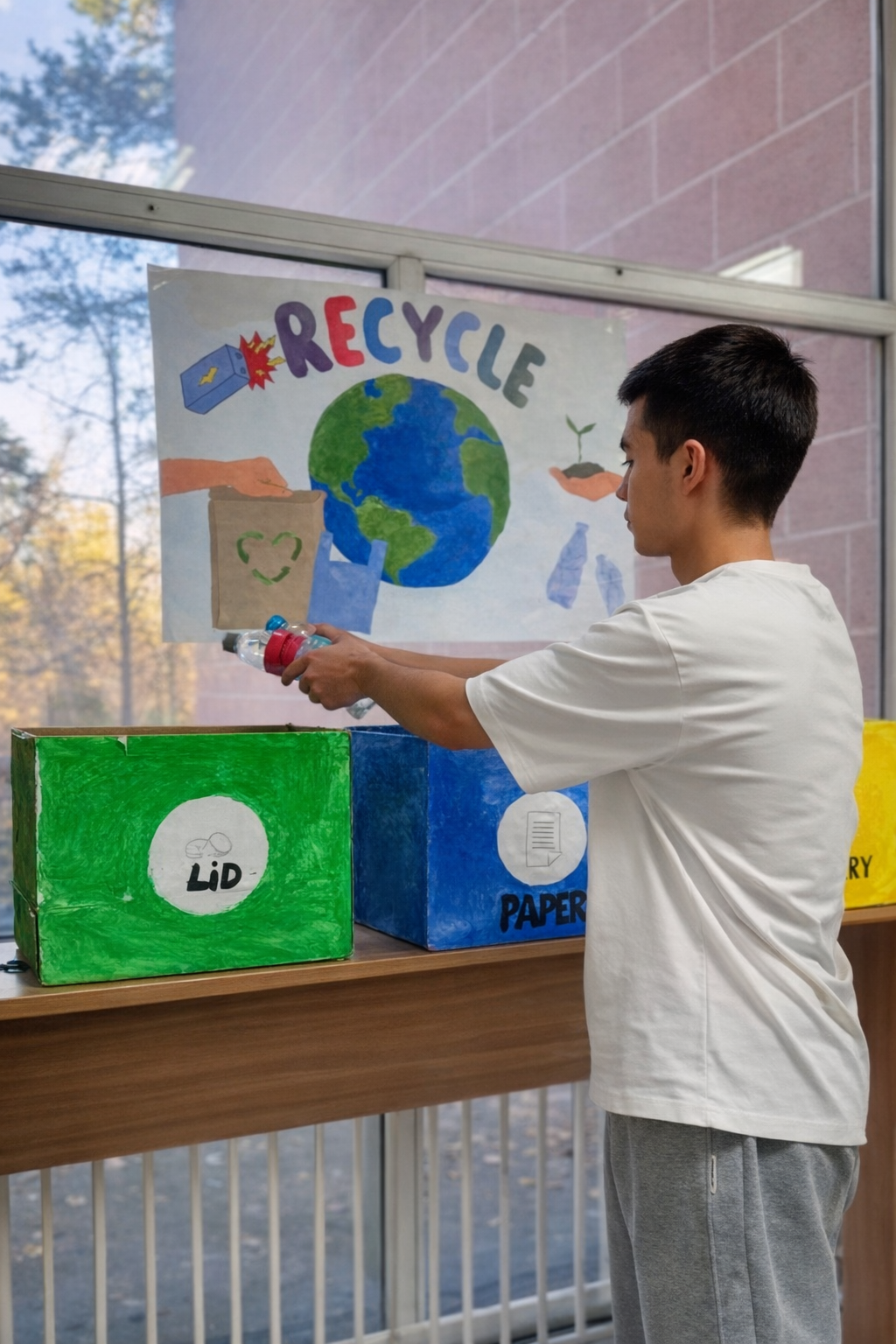
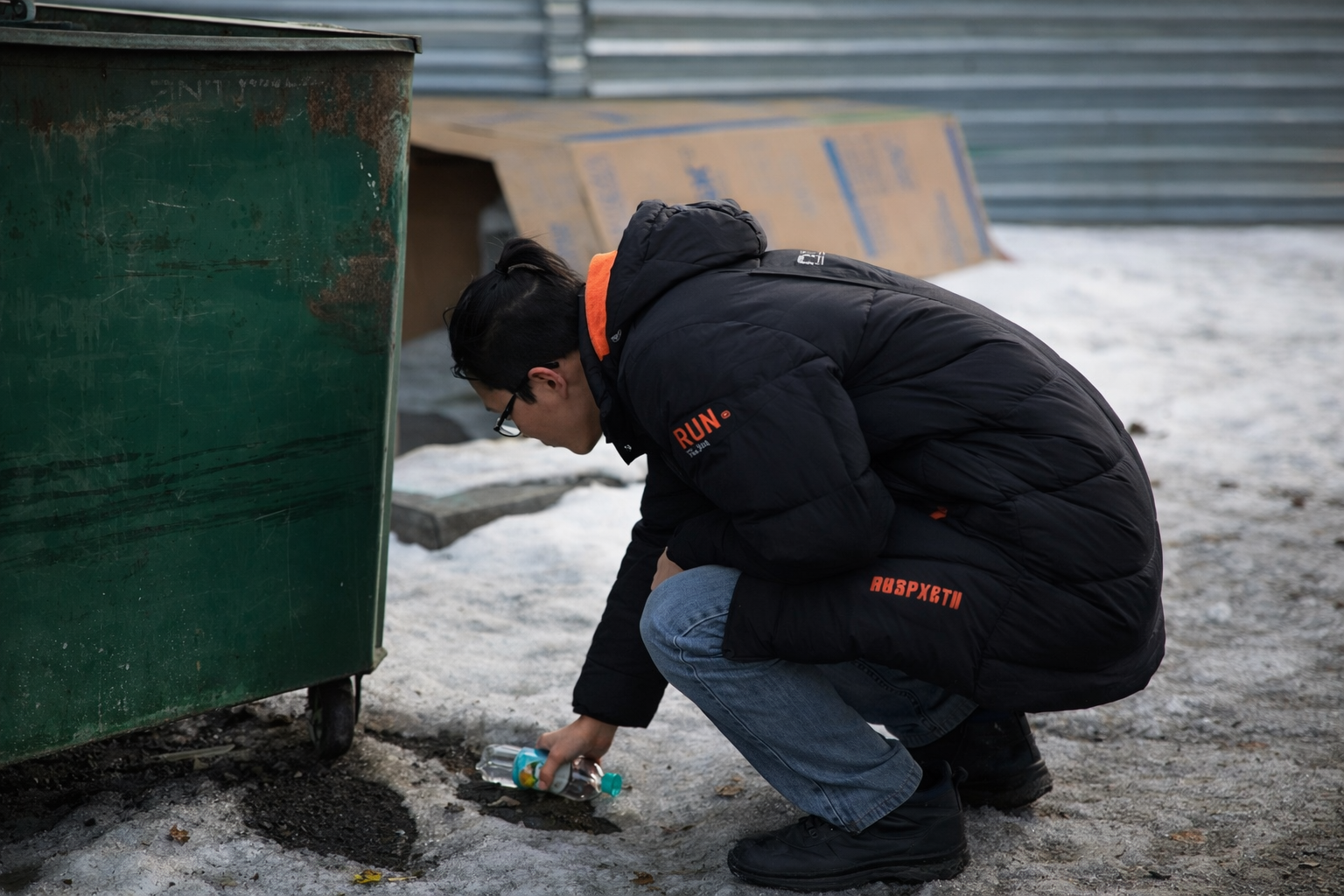
The eco-challenge program included the collection of household and industrial waste, separate sorting of plastic and paper waste, the production of informational video materials highlighting the importance of recycling, and the organization of environmental awareness lectures and educational sessions. In addition, campus clean-up activities were conducted to promote a culture of conscious consumption and encourage the adoption of environmentally responsible habits in everyday life.
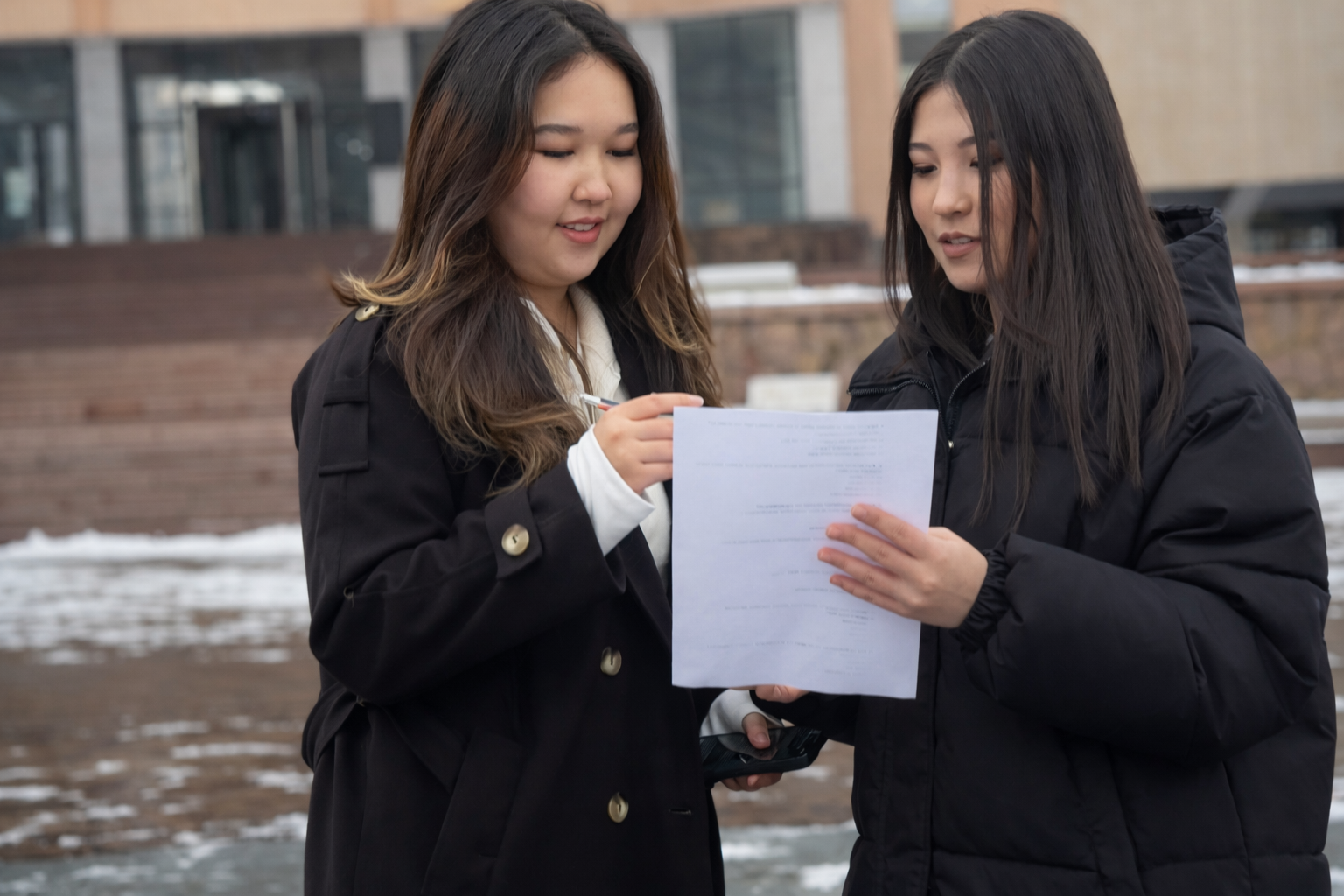
Throughout the campaign, a total of 50 video materials were produced, showcasing the active civic stance of university students in protecting the environment. Furthermore, a survey involving 400 students was conducted to assess the level of environmental literacy. The survey results indicated that the majority of respondents support the need to reduce waste, limit plastic usage, and use resources more efficiently. A significant proportion of participants expressed strong interest in developing a culture of waste sorting and confirmed their willingness to engage in environmental initiatives on a regular basis. These findings demonstrate a growing level of environmental responsibility among university students.
Overall, the project represents not merely a one-time event but a systematic and strategically structured initiative aimed at establishing a sustainable environmental culture. By uniting the university community around shared values, the project contributes to strengthening environmental responsibility among students and faculty members, promoting sustainable lifestyles, and fostering a conscious attitude toward the natural environment.
The initiative aligns with the United Nations Sustainable Development Goals by contributing to quality education (SDG 4), responsible consumption and production (SDG 12), climate action (SDG 13), and partnerships for the goals (SDG 17). In this way, the project supports the integration of sustainable development principles into the daily life and long-term strategy of the university.
Other news