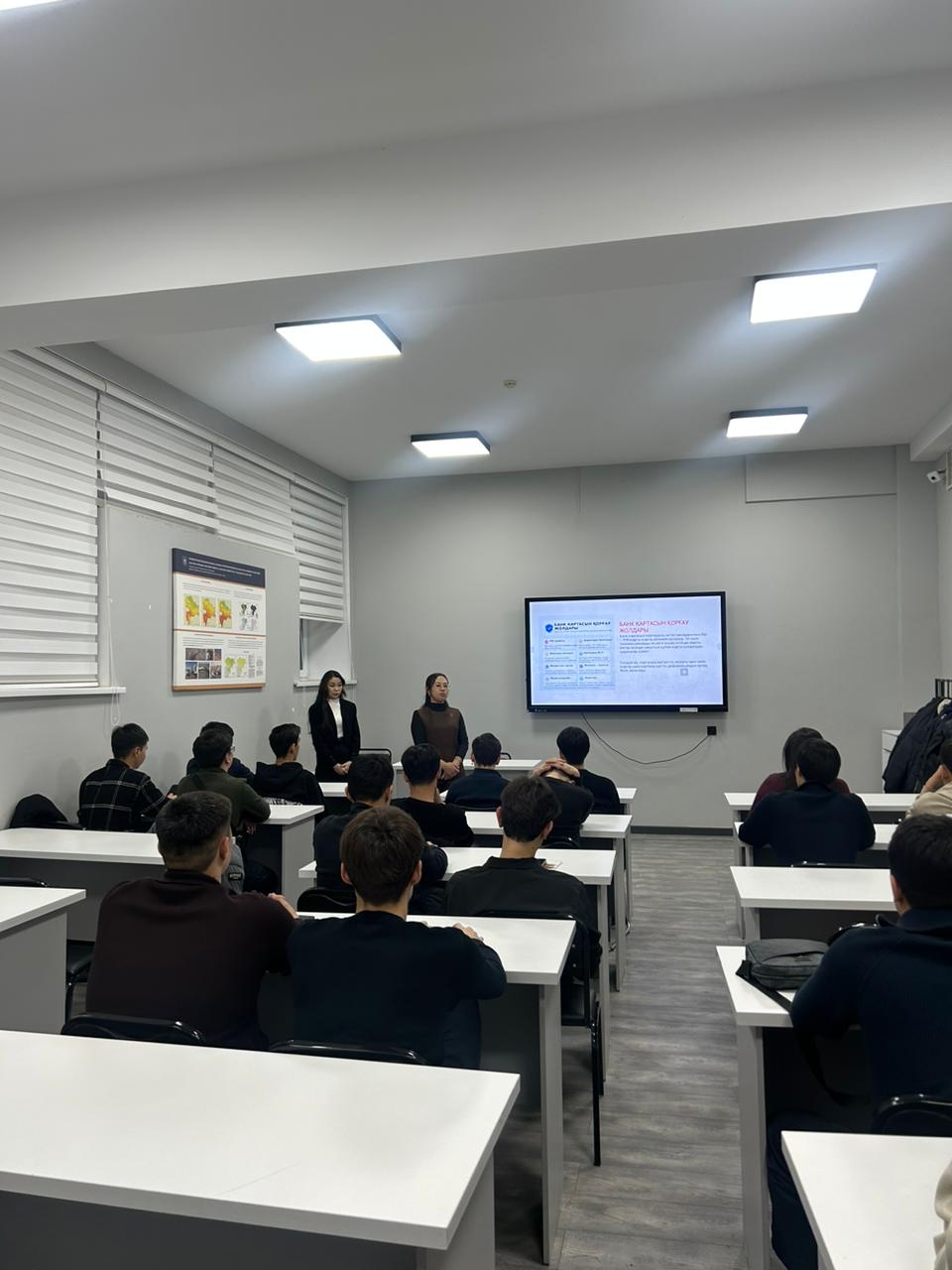
The event titled “Payment Security — Secrets of Protecting Bank Cards and Personal Data from Fraudsters” was held in the building of the Faculty of Geography and Environmental Management at the Department of Cartography and Geoinformatics.
The purpose of the event was to improve students’ financial literacy, develop skills for the safe use of bank cards and digital services, and strengthen awareness of personal data protection in the context of rapid digitalization. Special attention was given to preventing online fraud and promoting responsible behavior in the digital environment.
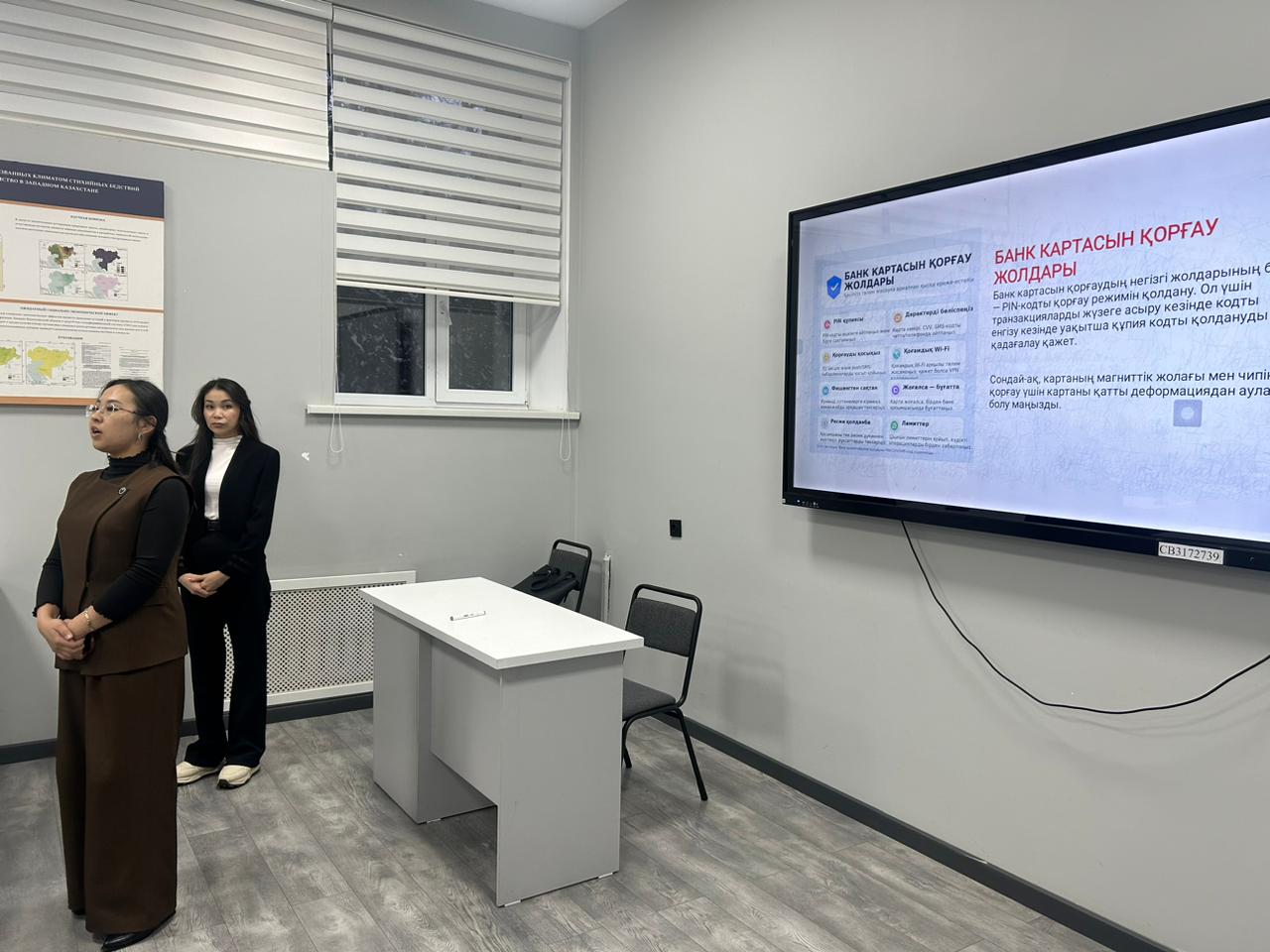
First- and second-year students took part in the event, showing strong interest in the topic and actively participating in discussions. During the meeting, participants were presented with up-to-date information on the most common fraud schemes in online payments, including phishing, social engineering, fraudulent calls, and fake websites. The signs of suspicious messages and calls, as well as action algorithms in case of potential threats to banking data security, were thoroughly explained.
The event also covered key principles of personal data protection, safe use of mobile applications and online payments, recommendations for creating strong passwords, and the use of two-factor authentication. Particular emphasis was placed on the importance of critical thinking when working with digital services.
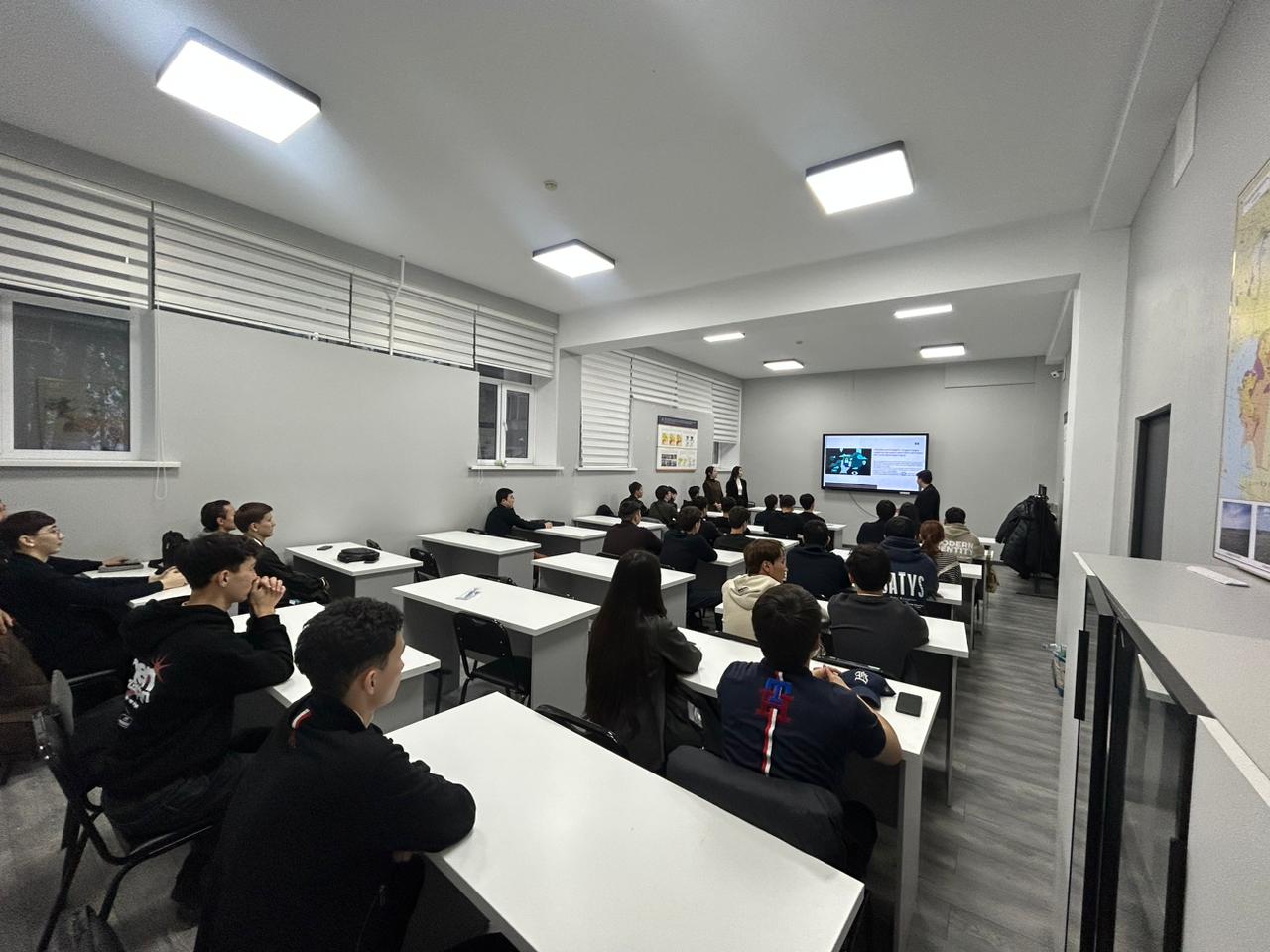
Participants received practical recommendations on preventing data leaks, learned how to verify the authenticity of websites and bank notifications, and reviewed real-life fraud cases and prevention strategies. The interactive format encouraged open dialogue, allowing students to ask questions and share their experiences.
The event was organized and conducted by teacher staff:
-
Әлімбай М.М.
-
Аугамбаев К.К.
-
Жамбыл А.Б.
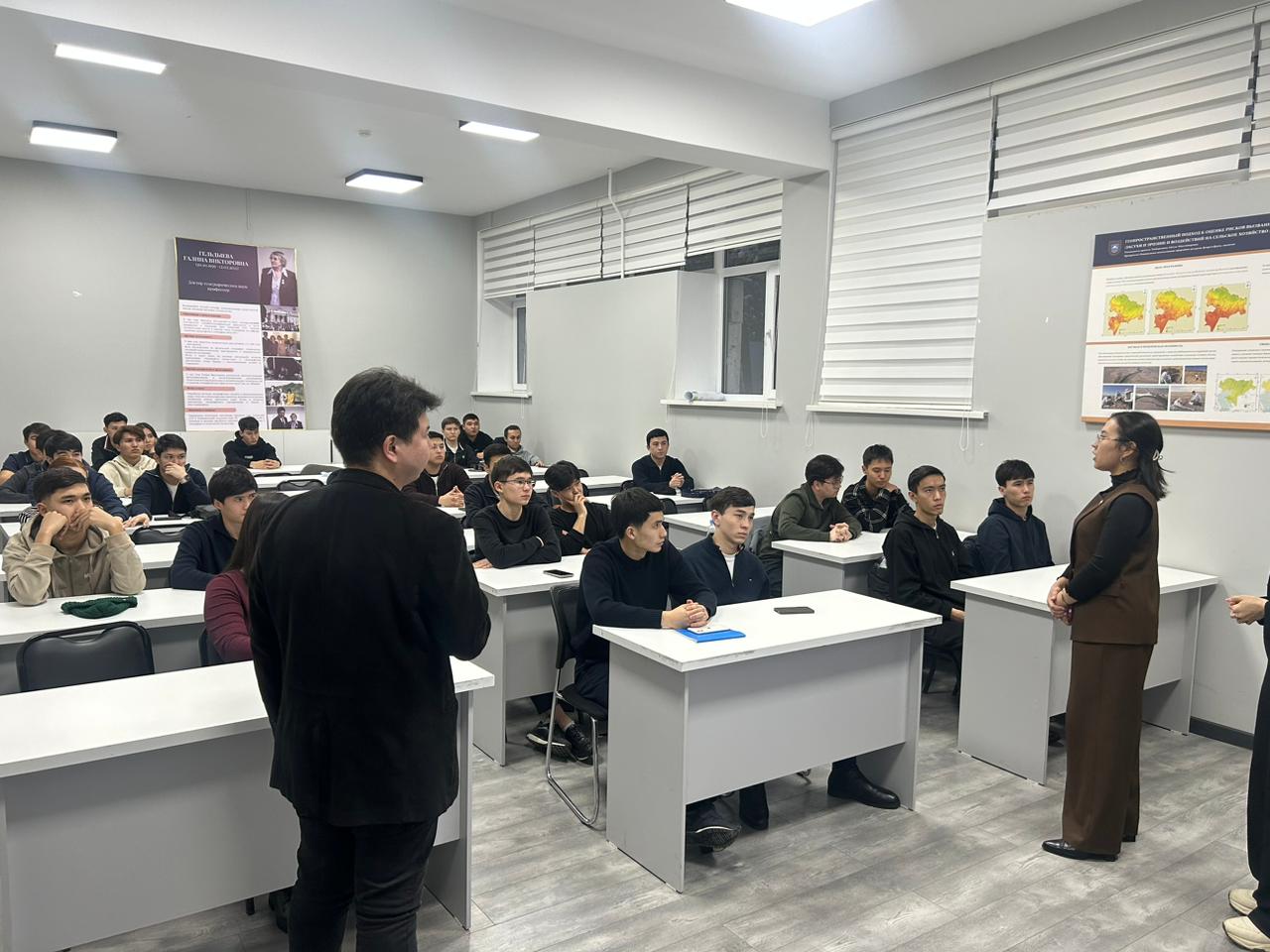
The event was held in a professional and friendly atmosphere, characterized by its practical focus and high level of participant engagement. It was noted that such events contribute to increasing students’ awareness of modern digital risks and help develop safe behavior skills in the information space.