Academic Council Meeting: Strategic Decisions and Academic Initiatives
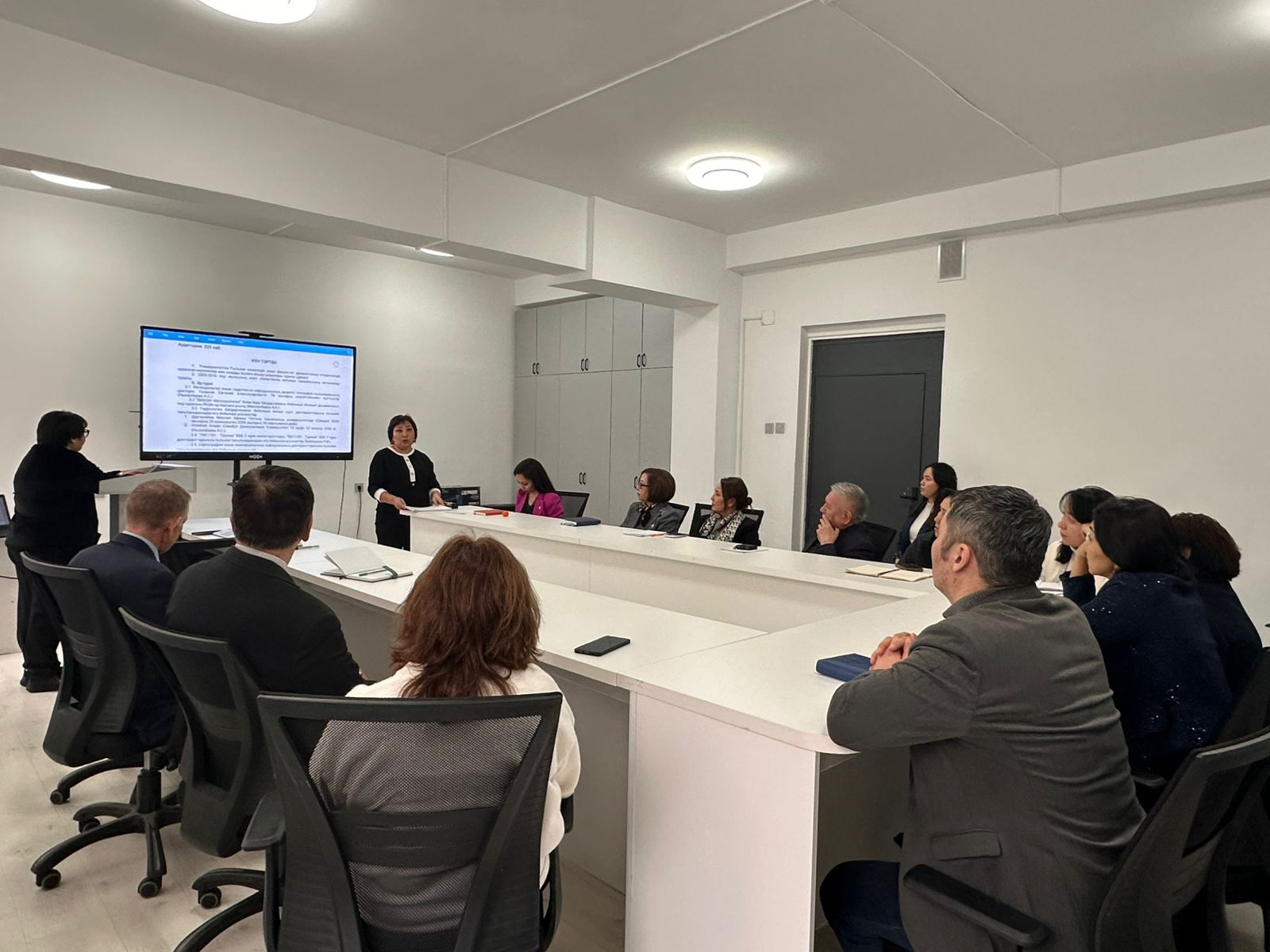
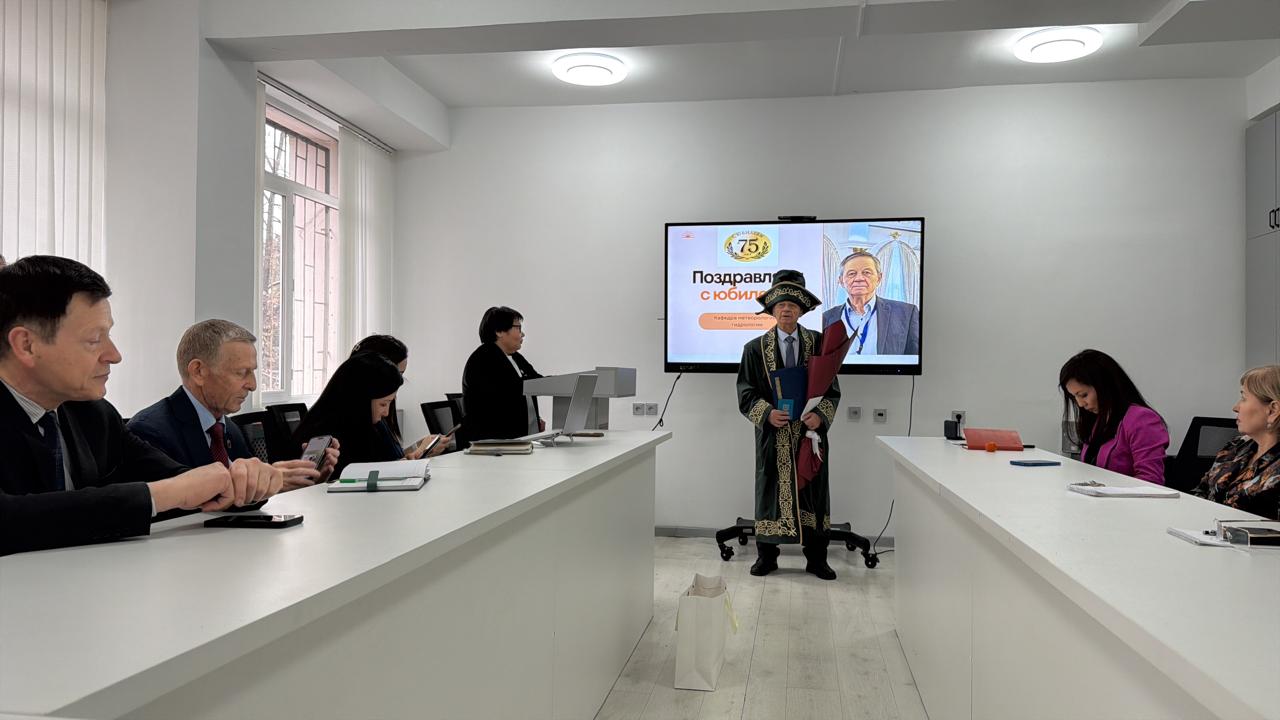
On February 24, 2026, a meeting of the Academic Council of the Faculty of Geography and Environmental Sciences at Al-Farabi Kazakh National University was held. The meeting began in a solemn atmosphere with congratulations to distinguished professors of the faculty on the occasion of their 75th anniversaries. The faculty expressed deep appreciation to Doctor of Geographical Sciences, Associate Professor of the Department of Meteorology and Hydrology Yevgeny Alexandrovich Talanov, and Candidate of Technical Sciences, Associate Professor of the Department of Geography, Land Management and Cadastre Tair Dautkanovich Dzhulamanov for their long-standing contributions to the development of science, the training of highly qualified specialists, and the formation of the faculty’s scientific schools.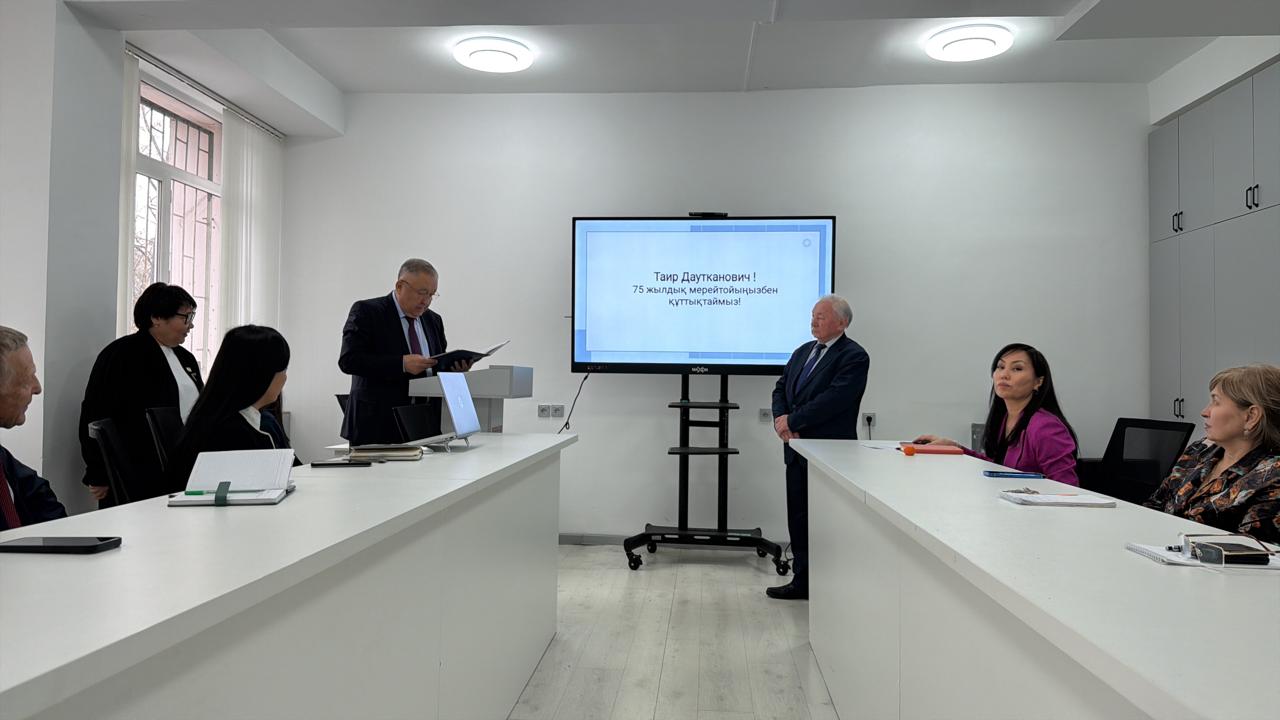
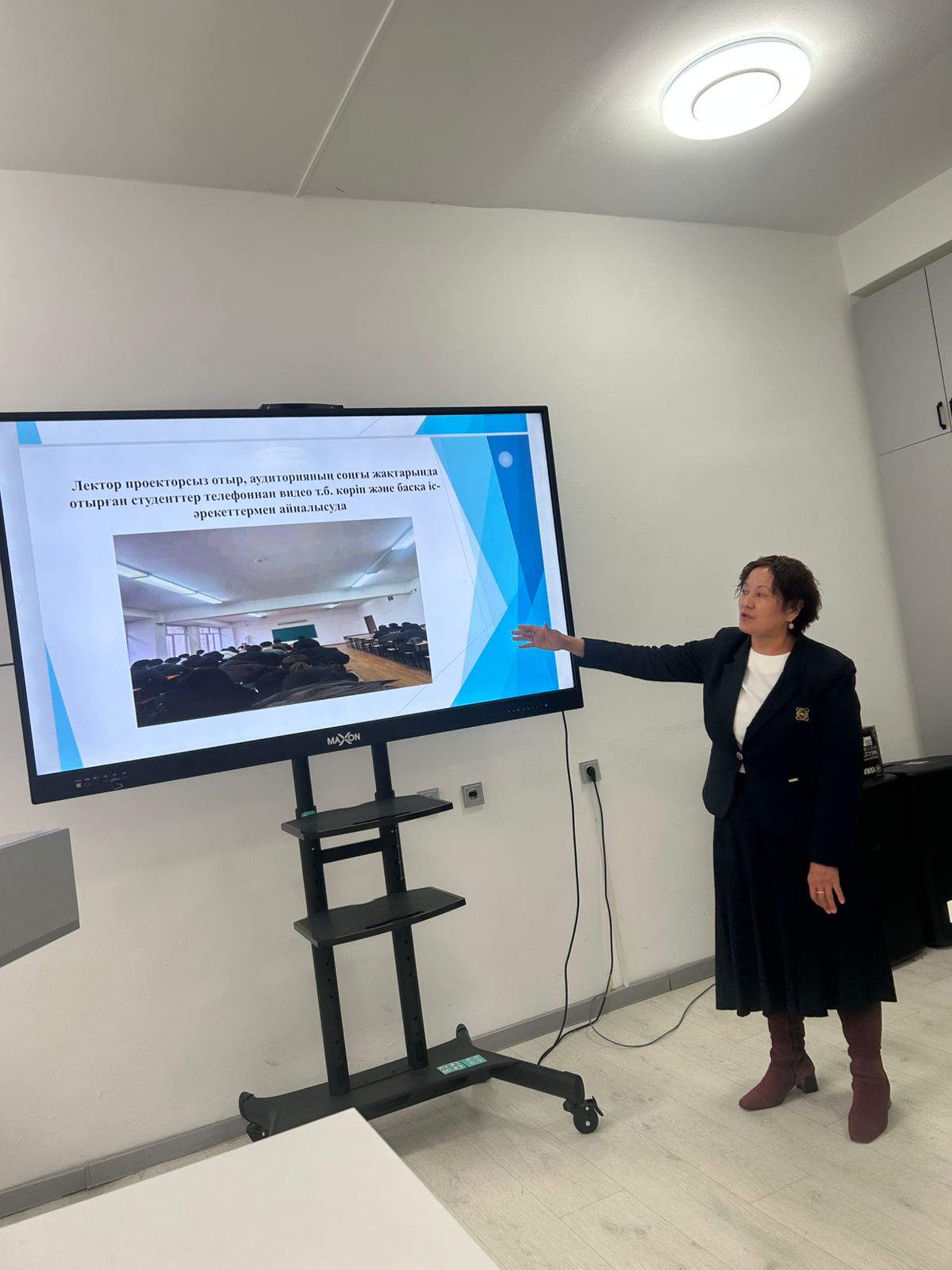
A report on the issues discussed at the University Academic Council and the Faculty Dean’s Office, as well as on the measures for their implementation, was delivered by the Dean of the Faculty, A.S. Aktymbayeva. In her speech, she outlined priority areas aimed at improving the quality of education, strengthening research performance, and expanding international cooperation. Within the agenda, the Dean presented comprehensive analytical materials on the results of the winter examination session of the 2025–2026 academic year, the implementation of the indicative plan for the first half of the year, and the strategic directions of the university’s research and innovation development.
In her report, the Dean emphasized that examination data are considered a tool for managerial decision-making, allowing assessment of teaching quality, organizational maturity of processes, validity of assessment tools, level of digitalization, and the state of academic integrity.
During the winter session of 2025–2026, 746 examinations were conducted with 11,161 examination attempts recorded. Out of 3,516 students, 164 (4.7%) have academic задолженность. A positive trend was noted in the reduction of FX retakes compared to the previous academic year. It was also highlighted that the total number of academic integrity violations across the university decreased to 631 cases, representing an approximately 36% reduction.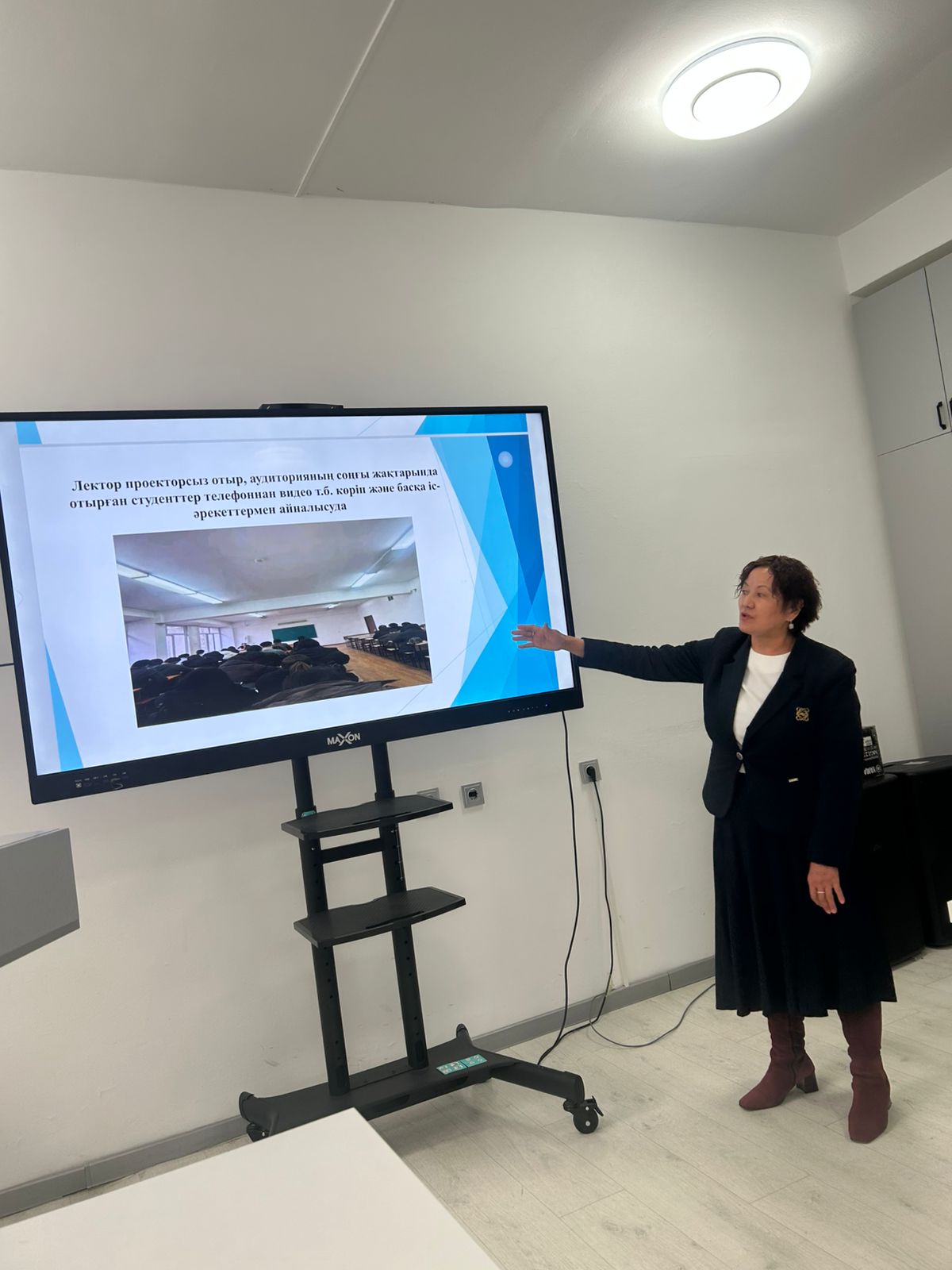
The Dean further presented an analysis of the implementation of the indicative plan by faculties for the first half of the 2025–2026 academic year, noting its synchronization with QS and THE international rankings and the UN Sustainable Development Goals. In the plan structure, research activity accounts for 55%, academic and methodological work for 25%, and social and educational activities for 20%. Particular emphasis was placed on the fact that current managerial decisions directly affect the university’s position in the 2028 rankings, as publications from 2021–2025 and citations from 2021–2026 are taken into account. The share of Q1 publications in Scopus, citation performance (FWCI), international grant funding, publications with the Impact marker, and the development of AI-based projects were analyzed.
Special attention was given to the activities of the Al-Farabi AGI Center (ALFA Center) as a strategic innovation platform of the university. International partnerships with leading global research centers, publications in Q1/Q2 journals, patent acquisition, startup development, and the implementation of AI solutions in the real sector were highlighted. The interdisciplinary nature of projects covering medical, environmental, geospatial, and technological areas was emphasized.
The meeting also considered recommendations for the publication of the textbook “Climate Dynamics” for the educational program “8D0204 – Meteorology,” as well as issues related to international research internships for doctoral and master’s students.
The meeting demonstrated the faculty’s systematic and strategically grounded approach to ensuring educational quality, strengthening research potential, and enhancing international competitiveness.