THE ANNIVERSARY OF A GREAT POET OR WHAT DOES AI KNOW ABOUT ZHAMBYL
SDG-4 In 1996, we were in the 6th grade. At that time, the 150th anniversary of the great Kazakh akyn Zhambyl Zhabayev was widely celebrated across the country. Our school organized a literary and musical evening titled “The Nightingale of the Century.”
As young aspiring writers, we regularly sent our short notes and articles to the republican children’s newspaper Ұлан, trying our hand at journalism. No matter how much we wrote, our early pieces were not published at first. Still, we did not give up. We kept sending our articles persistently.
This time, we wrote about the school event dedicated to Zhambyl and sent it to the editorial office. When our article “The Nightingale of the Century” was finally published in Ulan, we were overjoyed. I even earned the nickname “young journalist” among classmates and teachers. Thirty years have flown by since then. I believe it was Zhambyl ata who guided me toward the path of journalism.
This year marks the 180th anniversary of the birth of the great son of the steppe, Zhambyl. Although we think we know much about him, we became curious: what does artificial intelligence know? After all, today’s younger generation often turns to AI for information.
I asked the Gemini neural network to provide seven facts about Zhambyl. Here is what AI listed:
-
Zhambyl was born on a stormy day at the foot of Mount Zhambyl in the Almaty region.
-
He was a student of the poet Süyinbay, who blessed him before his death.
-
He was a master of aitys and defeated many poets in his youth.
-
He passed away just a few months before turning one hundred. He maintained a sharp mind and excellent dombyra skills until old age.
-
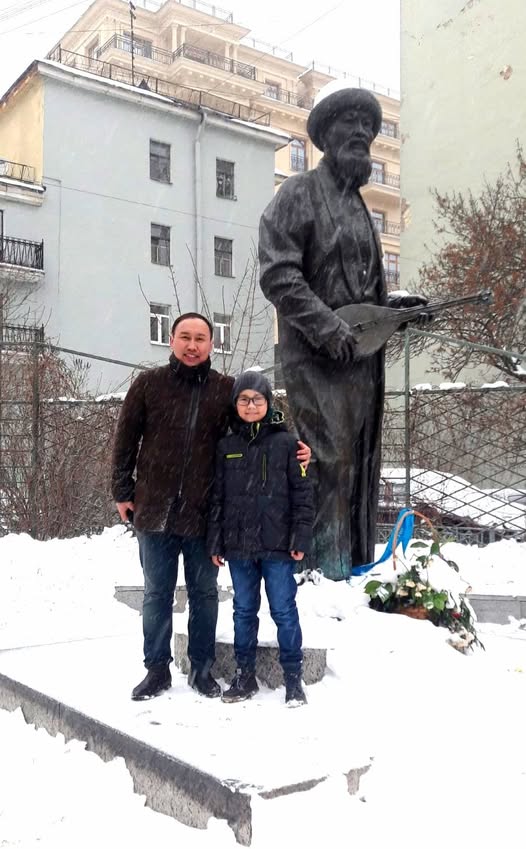
His poem “Leningraders, My Children!” inspired residents of besieged Leningrad and strengthened their faith in victory. (There is a Zhambyl Street and monument in Saint Petersburg in his honor.)
-
He possessed an extraordinary memory, knowing epics, genealogies, songs, and kui by heart.
-
Despite his worldwide fame, he remained humble and preferred riding a horse over traveling by car, even asking drivers to move slowly.