- Main
- Assembly of People of Kazakhstan
- Gratitude Day: Interethnic Harmony and a Culture of Respect for Women
Gratitude Day: Interethnic Harmony and a Culture of Respect for Women
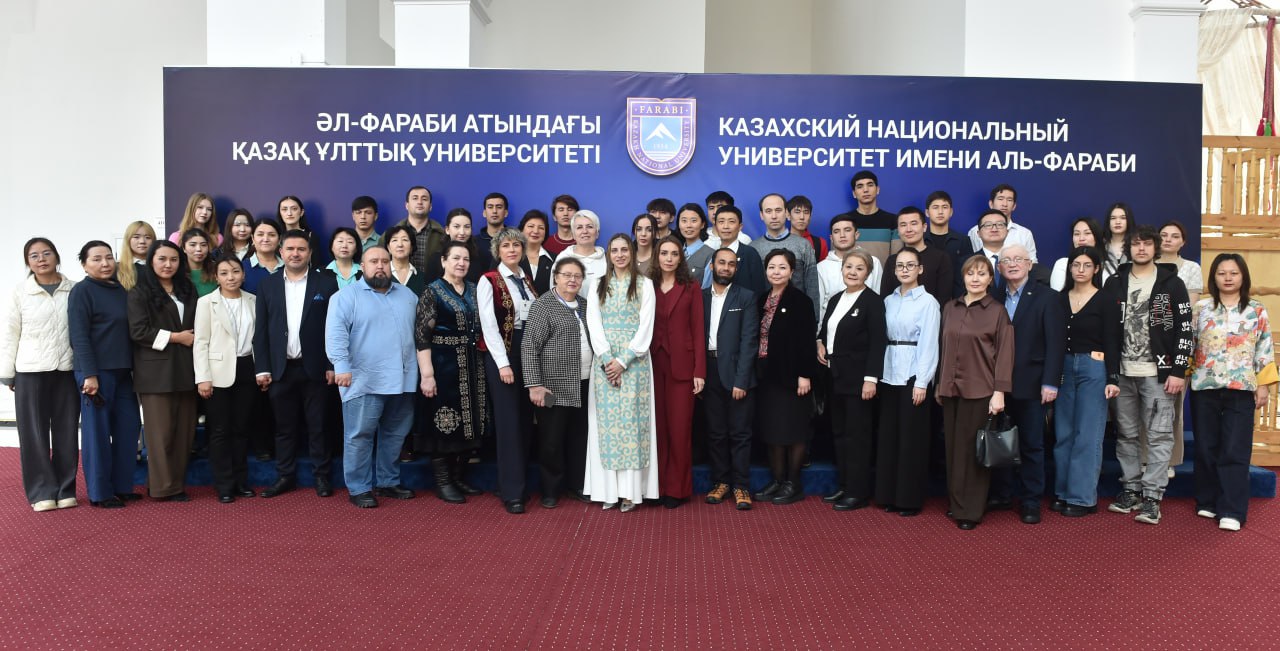
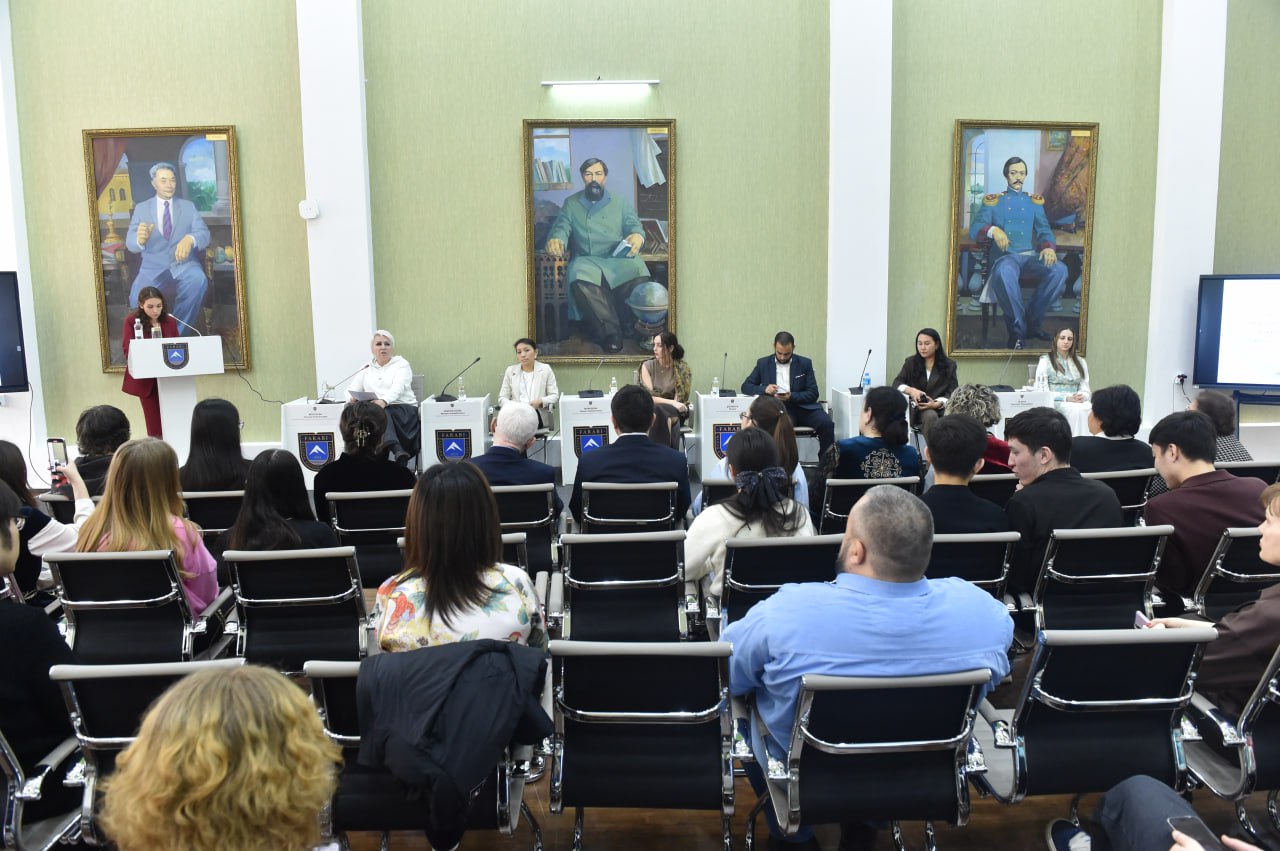
Al-Farabi Kazakh National University held a roundtable discussion entitled “The Culture of Expressing Gratitude and Respect for Women among Representatives of Different Ethnic Groups” on the eve of March 1 – Gratitude Day. The event aimed to strengthen mutual respect and social harmony within a multi-ethnic academic environment.
The main objective of the roundtable was to highlight the role of women in Kazakhstani society, to define their status within the family and social sphere, and to promote the culture of gratitude as an essential component of public consciousness. The discussion brought together young lecturers, researchers, and specialists representing various ethnic communities within the university.
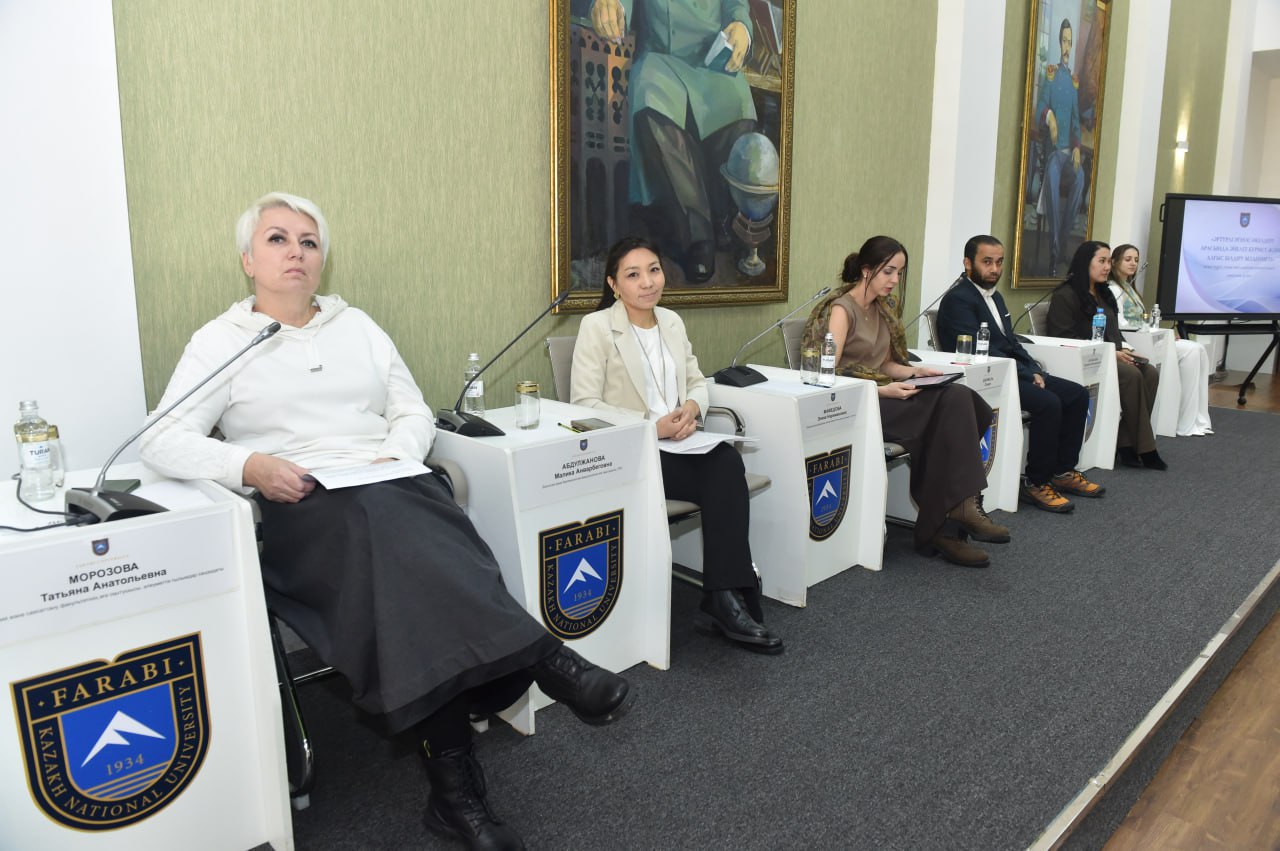
The session was moderated by Alena Demchenko, Head of the Department of Russian Philology and World Literature. In her remarks, she emphasized that the image of women occupies a significant place in the literature and culture of many nations. Traditionally, women are regarded as mothers, educators, and spiritual pillars of society. Through folklore and literary heritage, values of gratitude and respect are transmitted to younger generations. Particular attention was given to the vital role of women in preserving native languages, national traditions, and cultural heritage.
Tatiana Morozova, Senior Lecturer at the Faculty of Philosophy and Political Science, delivered a presentation highlighting that attitudes toward women reflect the moral and social orientations of society. Across cultures, women are perceived as symbols of life, care, and wisdom, and as guardians of family and societal values. The report stressed the importance of harmonizing traditional perspectives with modern principles of equal opportunities, as well as the active participation of women in science, education, and public life.
Participants also addressed historical traditions of honoring women in different ethnic cultures, the cultivation of respect within the family institution, and women’s contributions to science, professional spheres, and civic engagement. Special focus was placed on contemporary challenges, including globalization and digital transformation, which significantly influence value systems and interpersonal relations. In this rapidly changing world, fostering a culture of gratitude and mutual respect within the student community was identified as a key priority.
The roundtable aligns with the Sustainable Development Goals proclaimed by the United Nations, particularly SDG 5 (Gender Equality), SDG 10 (Reduced Inequalities), SDG 16 (Peace, Justice and Strong Institutions), and SDG 4 (Quality Education).
The event contributed to strengthening interethnic harmony, enhancing the university’s social responsibility, and promoting the values of unity, respect, and sustainable development.
Other news